Wildfire Restoration Lead Response Playbook for Roofing and Restoration Companies
Safety comes before lead response. If local officials issue an evacuation order or restrict access to an affected area, property owners and crews should follow those directions. Do not encourage inspections, site visits, or property access until authorities allow people to return and conditions are safe.
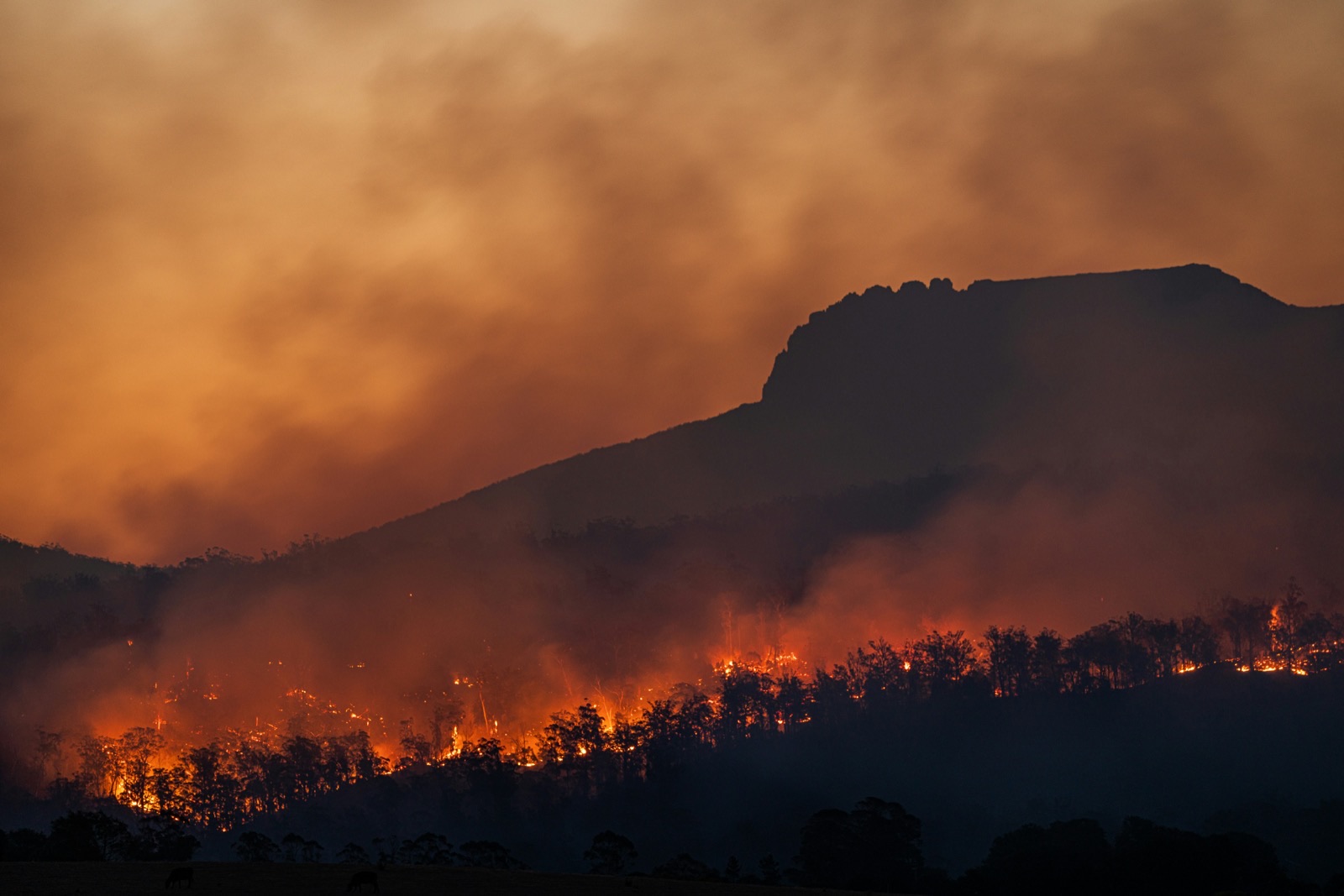
Recent reporting has described active wildfire conditions, evacuation orders, damaged homes, and changing return access in parts of Texas and Nevada. These are separate events in different regions, but they illustrate a broader operational reality: when residents can safely assess property damage, roofing and restoration companies may receive questions about inspections, smoke damage, water intrusion, tarping, and cleanup. FOX 4, The Dallas Morning News, KCRA, and NBC News reported on these conditions.
That does not prove a measurable lead surge for local businesses. Roofing and restoration teams should simply prepare for the possibility that inbound inquiries rise as homeowners seek information and next steps.
Table of contents
- What makes wildfire inquiries different
- A five-step wildfire lead-response workflow
- Wildfire inquiry questions to ask before scheduling
- Copy-and-paste response templates
- Insurance communication boundaries
- How to manage after-hours inquiries
- Use automation to support—not replace—human follow-up
- Key takeaways
- FAQ
What makes wildfire inquiries different
A standard roofing quote request may begin with roof age, a leak, or a replacement estimate. A wildfire-related inquiry can be more uncertain and emotionally charged.
The homeowner may not yet know:
- Whether they are allowed back at the property
- Whether there is visible fire, smoke, ash, wind, or water damage
- Whether the roof is safe to inspect
- Whether a leak came from firefighting activity, weather, or pre-existing damage
- Whether they need immediate stabilization, documentation, cleaning, mitigation, or a later inspection
- Whether their insurer has provided any direction
Your first job is not to force a booking. It is to acknowledge the person, establish whether the location can be safely accessed, identify the service they need, and set a realistic next step.
A five-step wildfire lead-response workflow
1. Acknowledge the inquiry without creating pressure
Respond to inbound inquiries politely and promptly, but do not contact people in evacuation zones proactively, scrape disaster-related information, or use fear-based messaging.
A useful first response does three things:
- Identifies your business
- Acknowledges the homeowner’s request
- Makes safety and access the first question
Avoid language such as “Book now before crews fill up” or “You need an inspection immediately.” You may not know the property’s condition, your availability, or whether the homeowner is even permitted to return.
2. Confirm safe access and service area
Before discussing an inspection window, verify:
- Property address or ZIP code
- Whether the customer has been allowed to return
- Whether the area has any access restrictions
- Whether the property is within your service area
- Whether your company has the appropriate crew availability for the requested work
Do not promise same-day service, emergency dispatch, or a specific repair solution before a qualified team member confirms the situation.
A simple internal status can help:
| Lead status | Meaning | Next owner action |
|---|---|---|
| Awaiting safe access | Customer cannot yet access property | Send a respectful check-in later if they opted in |
| Needs qualification | Access is allowed, but damage and service needs are unclear | Call or text to gather details |
| Inspection requested | Customer wants an assessment | Verify capacity and offer available options |
| Outside service area | Location is not serviceable | Reply clearly; do not leave the person waiting |
| Capacity pending | Work may fit, but crew availability is unconfirmed | Give a realistic callback expectation |
| Not ready yet | Customer is gathering information | Send a low-pressure follow-up |
3. Qualify the requested service—not the homeowner’s distress
Ask only for information that helps determine a safe, appropriate next step. Keep the conversation focused and respectful.
Useful questions include:
- Has your area been cleared for return or property access?
- What is the property address?
- What damage are you seeing, if any?
- Are you concerned about the roof, smoke residue, water intrusion, interior damage, or something else?
- Is there active leaking or another issue you want us to understand?
- Have you already contacted your insurer, if applicable?
- What is the best number and time for a team member to reach you?
Do not ask customers to enter unsafe areas, climb onto a roof, move debris, or send photos if doing so could put them at risk.
4. Give the lead one clear next step
Wildfire-related requests can easily get stuck in vague back-and-forth messages. Every response should make the next action obvious.
Examples:
- “Once access is confirmed, we can have a team member call to discuss an inspection.”
- “Please reply with the property ZIP code and whether you have been allowed to return.”
- “Our team is reviewing availability for your area and will update you by [time].”
- “If you are not ready to schedule, we can check back after you have had time to assess the property.”
Clarity is better than urgency theater.
5. Keep human ownership visible
Someone on the team should own the next human response. That person needs to verify:
- Whether the job is within your licensing and service scope
- Site safety and access conditions
- Crew availability
- Inspection timing
- Pricing and scope expectations
- Any insurance-related communications
A text confirmation is helpful, but it is not a substitute for professional judgment, job planning, or emergency response.
Wildfire inquiry questions to ask before scheduling
Use this checklist when a homeowner reaches out after a fire or evacuation event.
Access and safety
- Is the homeowner permitted to return to the property?
- Is the property address within your normal service area?
- Are there known access restrictions that affect your team?
- Has a qualified team member confirmed the site is appropriate to visit?
Requested work
- Is the request for roofing, water mitigation, smoke or fire restoration, temporary protection, or an inspection?
- Is there a current leak or visible interior water issue?
- Is the homeowner requesting information, an assessment, or a scheduled visit?
- Does the work fall within your company’s actual services?
Capacity and expectations
- Do you have a crew or estimator available for the location?
- What can you honestly promise about the next contact or inspection step?
- Does the homeowner understand that an inspection may be needed before work scope or pricing can be discussed?
- Has a team member documented the lead source, address, request type, and follow-up owner?
This is a practical extension of a broader contractor workflow. For a more general first-response system, see Contractor Web Form Auto Response: What to Send the Second a New Lead Hits Your Site.
Copy-and-paste response templates
These examples are for inbound inquiries from people who contacted your business. Adapt them to your actual service area, availability, and consent practices.
Initial inbound wildfire inspection request
Hi [First Name], this is [Name] with [Business]. Thanks for reaching out about your property. Before we discuss an inspection, have local officials cleared you to access the home, and what is the property ZIP code? Once we confirm access and service area, a team member can review the next available step with you.
When the homeowner cannot return yet
Hi [First Name], thank you for the update. Please follow local access guidance and do not worry about scheduling with us until you are allowed back safely. When you are able to assess the property, reply here with the address and what you are seeing, and we will review whether we can help.
When service-area eligibility is still unknown
Thanks, [First Name]. We are checking whether the property is within our current service area and what availability we have nearby. We will follow up by [time or day] with a clear answer.
When an inspection is appropriate to discuss
Hi [First Name], based on what you shared, the next step is for our team to review an inspection option. We first need to confirm safe property access and availability. Is [time window] a good time for a quick call?
When the customer is not ready to schedule
Hi [First Name], completely understood. Take the time you need to assess the property and review your options. If you would like, we can check back on [day] to see whether an inspection or conversation would be helpful.
After-hours acknowledgment
Hi [First Name], this is [Business]. We received your message about the property. Our team will review it during business hours. If local authorities have not cleared access to the area, please follow their guidance first. Reply with the property ZIP code and the best time to reach you, and we will follow up.
For more general after-hours setups, read After-Hours Lead Response: How to Win Jobs While You Sleep. In a wildfire scenario, the difference is that your acknowledgment should avoid implying immediate dispatch or site access.
Insurance communication boundaries
Many affected homeowners will ask about insurance. Roofing and restoration companies should be helpful without stepping outside their role.
You can usually communicate operational facts, such as:
- Whether an inspection may help identify visible conditions
- What your company’s process looks like
- What documentation your team can provide after an inspection, if applicable
- When you can discuss the proposed scope of work
Avoid presenting insurance conclusions as certainty. Do not promise claim approval, tell a homeowner what their policy covers, guarantee payment, or pressure someone to sign work before they have had an opportunity to understand their options.
A safer response is:
We can explain our inspection process and document conditions our team observes. For questions about coverage, claim decisions, or policy requirements, please confirm those details directly with your insurer or adjuster.
How to manage after-hours inquiries
After-hours messages may increase if property owners are returning home, contacting family, or gathering information outside normal business hours. The goal is acknowledgment and organization—not pretending your office is staffed around the clock.
Use an after-hours sequence with three rules
- Confirm receipt. Let the person know their message reached your business.
- Avoid service promises. Do not imply a crew is on the way unless that is truly your process and capacity.
- Collect only the essentials. Address or ZIP code, requested service, safe-access status, and best callback time are enough to start.
Create an internal morning review process for messages received overnight. Sort leads by:
- Safe-access confirmation
- Service type
- Location
- Active water or roofing concern
- Callback request
- Inspection readiness
This reduces the chance that an urgent-sounding message gets lost among routine estimate requests, while still keeping a human responsible for deciding what happens next.
Use automation to support—not replace—human follow-up
If wildfire conditions create a temporary rise in inbound inquiries, small teams may struggle to acknowledge every form submission or text while also managing existing jobs. An automated first response can confirm receipt, ask the initial qualification question, and preserve the lead until someone can take over.
SecureMyLead can automatically send an SMS response when a new lead arrives and run follow-up sequences for people who are not ready to schedule immediately. It is best used here as a follow-up layer—not as emergency triage, dispatch, insurance guidance, capacity management, or a replacement for a qualified person reviewing the request.
One important workflow detail: ordinary customer replies remain visible in the dashboard, but they do not currently auto-pause scheduled sequence messages. Your team should monitor conversations and adjust follow-up so a homeowner does not receive an irrelevant automated message after a meaningful reply.
If you want a simple way to acknowledge new inbound leads and keep appropriate follow-up from being forgotten, Get started free.
Key takeaways
- Wildfire reporting in Texas and Nevada describes evacuations, damaged homes, changing conditions, and return access—not a documented increase in restoration leads.
- Businesses can prepare for possible inbound demand by using a safety-first, inbound-only response workflow.
- Confirm safe access, service area, requested service, and crew availability before offering inspection details.
- Keep insurance communication within your company’s role; do not make coverage or claim promises.
- Use after-hours acknowledgment to confirm receipt and gather essential information without implying emergency dispatch.
- Automation can support consistent acknowledgments and follow-up, but people must still review safety, capacity, scope, and customer conversations.
FAQ
Should roofing companies market directly to homeowners in evacuation areas?
No. Do not pressure people in evacuation zones, scrape emergency-related information, or conduct opportunistic outreach to people dealing with an active disaster. Focus on responding helpfully to people who contact your business through normal inbound channels.
What should a wildfire restoration auto-reply ask?
Ask whether the homeowner has been allowed to access the property, the property ZIP code or address, the type of concern, and the best time to contact them. Avoid asking them to inspect unsafe areas, climb on roofs, or take unnecessary risks.
Can a roofing company promise an emergency inspection after a wildfire?
Only if the company has confirmed it can safely and appropriately provide that service. Do not make automatic promises about arrival times, dispatch, availability, or repair outcomes before a qualified team member checks access and capacity.
How should restoration companies follow up with homeowners who are not ready?
Keep the message low-pressure. Offer to check back after a specific period, ask permission to do so, and make it easy for the homeowner to reply when they are ready. Do not create false urgency.
Can SecureMyLead handle wildfire emergency dispatch?
No. SecureMyLead is a lead-follow-up automation tool. It can support acknowledgment and follow-up for inbound inquiries, but it does not replace emergency services, dispatch decisions, safety assessments, insurance advice, or human capacity planning.