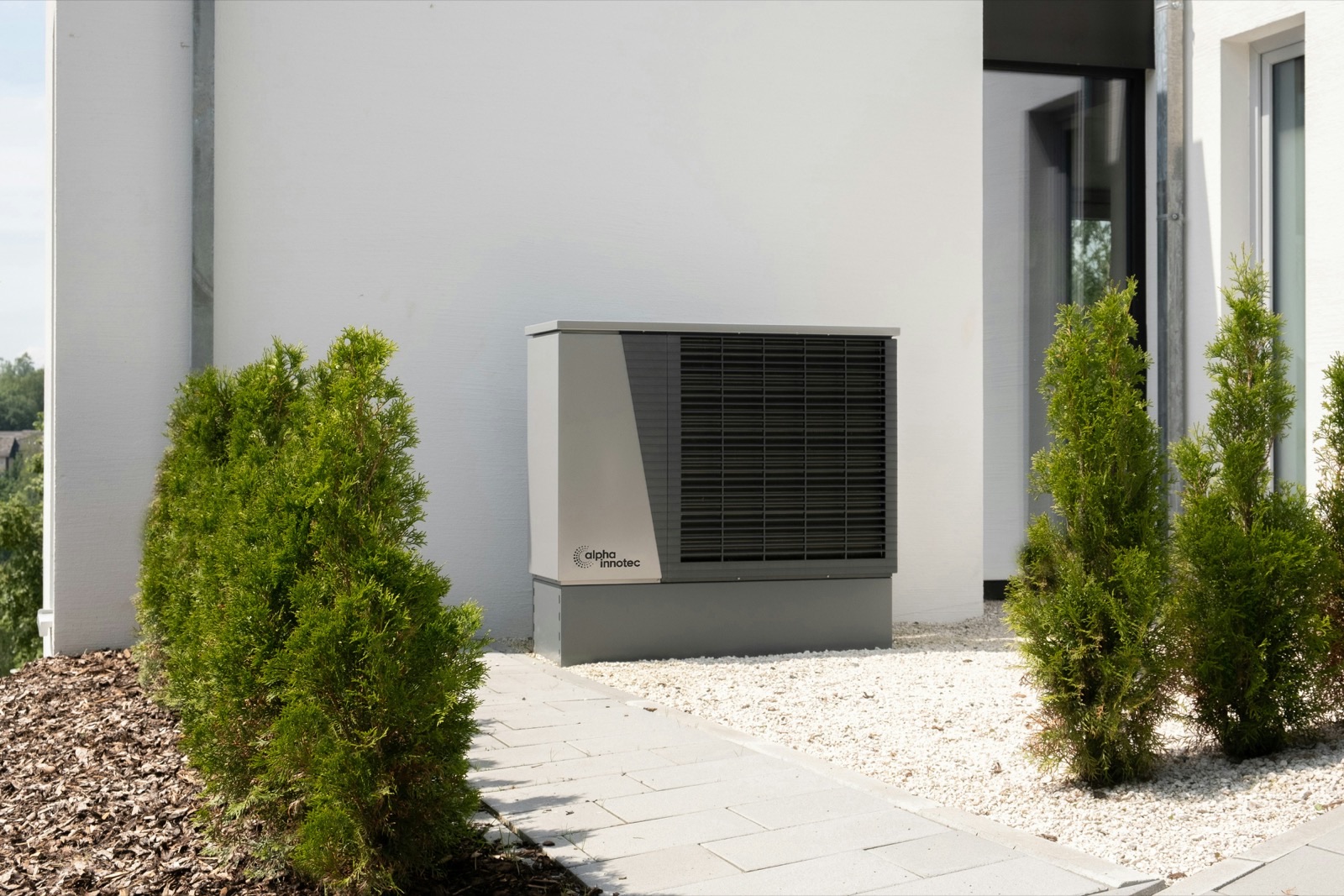
Extreme Heat HVAC Lead Response Checklist for Southern California Contractors
Southern California was forecast to experience its hottest week of the year in August 2026, with very hot or extremely hot conditions, according to the Los Angeles Times. KTLA reported that temperatures could reach as high as 112°F in some areas. Los Angeles Times · KTLA
Extreme heat does not guarantee more HVAC calls, quote requests, or booked work. But cooling problems may become more urgent for homeowners during unusually hot weather, so Southern California HVAC contractors should prepare a clear response workflow in case inquiries rise.
First, keep safety and human judgment ahead of automation. If someone reports an urgent health or safety concern, your team should route them to the appropriate emergency services. A text auto-reply is not emergency triage, dispatch, medical guidance, or a substitute for speaking with a qualified human.
This checklist helps HVAC businesses acknowledge inquiries, identify which requests need a human review, protect technician capacity, and follow up consistently without making promises they cannot keep.
Table of contents
- 1. Set your heat-wave availability rules
- 2. Create a clear human-review path
- 3. Separate repair, replacement, and routine inquiries
- 4. Send an after-hours acknowledgment
- 5. Confirm appointment requests without overbooking
- 6. Follow up on replacement and estimate requests
- 7. Use a short no-response sequence
- 8. Give every inquiry a named owner
- 9. Review the queue throughout the heat event
- SMS templates for extreme-heat HVAC inquiries
- FAQ
1. Set your heat-wave availability rules
Before inquiries begin stacking up, decide what your business can actually offer.
Write down the answers to these operational questions:
- What are today’s staffed phone and text-response hours?
- Who monitors new leads after hours?
- Which areas are currently inside your service territory?
- What appointment windows can you offer without displacing committed customers?
- Are you accepting same-day repair requests, next-day requests, replacement consultations, or only certain job types?
- Who can approve an exception when the schedule is full?
- What should the team say when no near-term appointment is available?
The goal is not to create a complicated call center. It is to prevent contradictory promises.
For example, if the earliest available visit is tomorrow, your acknowledgment should say that a team member will review availability—not imply that someone is already on the way.
Capacity boundary to use internally
Give the team a simple rule:
Do not promise a technician, arrival time, same-day visit, or repair outcome until a dispatcher, owner, or authorized team member confirms it.
That rule matters most when heat-related demand may be high. A fast response is useful; an inaccurate promise creates a second problem.
2. Create a clear human-review path
Automation can acknowledge that an inquiry arrived and collect basic information. A person should decide what happens next.
Set up one clear handoff path:
- New inquiry arrives by phone, form, chat, or ad lead.
- The customer receives an acknowledgment.
- The lead is visible to the dispatcher, owner, or assigned team member.
- A human reviews the issue, location, availability, and requested timing.
- The business offers the next appropriate step: a callback, troubleshooting conversation, appointment option, or replacement consultation.
Do not make a text sequence responsible for deciding whether a customer has an emergency, whether a technician is available, or how quickly a repair can be completed.
For small HVAC businesses, the handoff may simply be the owner checking a dedicated lead inbox between jobs. The important part is that everyone knows who owns the next human response.
3. Separate repair, replacement, and routine inquiries
Not every HVAC lead needs the same response. During extreme heat, a practical intake process should distinguish the type of request before follow-up becomes too generic.
| Inquiry type | What to collect | Human next step |
|---|---|---|
| No cooling or cooling failure | Name, address, best callback number, system issue, whether the customer is requesting service | Review promptly against your availability rules |
| Repair request | Equipment type, symptoms, service address, preferred appointment timing | Offer an approved appointment option or callback |
| Replacement request | Property address, system age if known, budget/timing questions, preferred consultation time | Route to the estimator or owner for consultation scheduling |
| Maintenance request | Service address, preferred days, existing-customer status | Offer the next routine opening without displacing urgent work unless that is your policy |
| Existing customer update | Job address, current appointment details, callback number | Confirm the correct customer record and route to the assigned person |
Avoid asking a long list of questions by text before a human has reviewed the situation. During hot conditions, the customer may be looking for a simple answer: “Did you get my request, and what happens next?”
4. Send an after-hours acknowledgment
After-hours HVAC inquiries can arrive when the owner is driving, on a job, or unavailable. A short acknowledgment lets the customer know the request was received while preserving a human review step.
Include:
- Your business name
- Confirmation that the message was received
- A realistic statement about when someone will review it
- A direct question that helps classify the request
- A reminder to seek appropriate emergency services for urgent health or safety concerns
After-hours acknowledgment template
Hi [First Name], this is [Business Name]. We received your HVAC request and a team member will review it during our next response window. Is this a no-cooling repair request, an appointment request, or a replacement estimate? If there is an urgent health or safety concern, please contact the appropriate emergency services.
This message does not diagnose the problem, promise service, or dispatch a technician. It simply confirms receipt and prepares the human team for a better next conversation.
For more general first-response options, see 15 auto reply messages contractors can use for new leads.
5. Confirm appointment requests without overbooking
When a customer asks for an appointment, the first objective is to acknowledge the request—not to claim the requested slot is booked.
Use a two-step process:
Step 1: Confirm receipt
Tell the customer that you received the request and that availability is being reviewed.
Thanks, [First Name]. We received your request for HVAC service at [Address]. Our team is reviewing the next available appointment options and will follow up shortly.
Step 2: Offer only confirmed options
Once a human checks capacity, send specific choices that your business can honor.
Hi [First Name], we can currently offer [Option 1] or [Option 2] for a service visit. Reply with the option you prefer, and we’ll confirm the appointment details.
If neither option works, provide the approved alternative: a later appointment, a cancellation-list option if your business actually maintains one, or a callback from the owner.
Do not use an automated sequence to keep offering time slots that may no longer be available.
6. Follow up on replacement and estimate requests
A heat wave may prompt homeowners to ask about replacing an older system rather than scheduling another repair. These inquiries often need a different conversation from a no-cooling service request.
Your replacement workflow should clarify:
- Is the customer seeking a repair first, a system replacement estimate, or both?
- Is there a preferred consultation time?
- What information does your estimator need before the visit?
- Who is responsible for the quote after the consultation?
- When should the customer expect a human update?
Replacement-request response template
Hi [First Name], this is [Business Name]. Thanks for reaching out about a replacement estimate. We can have a team member review your request and discuss the next available consultation options. What is the property address, and is there a best time to call you?
Quote follow-up template
Use this only after your team has actually provided an estimate.
Hi [First Name], this is [Business Name]. Following up on the HVAC estimate we sent for [Address]. If you have questions about the options or would like to review next steps, reply here and a team member can help.
Avoid adding artificial pressure because temperatures are high. A direct, useful follow-up is more credible than a message that suggests limited availability unless that limitation is real and current.
For additional estimate-stage examples, read estimate follow-up text templates for contractors.
7. Use a short no-response sequence
A customer may submit an inquiry while dealing with an uncomfortable home, work obligations, or multiple calls to service providers. If they do not answer immediately, a concise follow-up sequence can keep the conversation open.
Keep these messages separate from urgent human review. Do not assume silence means the problem is resolved.
Suggested sequence for a new HVAC inquiry
Initial acknowledgment
Hi [First Name], this is [Business Name]. We received your HVAC request. Is this for a repair, an appointment, or a replacement estimate?
Later follow-up
Hi [First Name], just checking that you saw our message about your HVAC request. Reply with the service address and the best time to reach you, and our team can review next steps.
Final check-in
Hi [First Name], we’re closing the loop on your HVAC inquiry for now. If you still need help with a repair, service visit, or replacement estimate, reply here and we’ll review availability.
Use timing that fits your real operating hours and capacity. If your business is receiving a possible spike in inquiries, a shorter sequence with clear ownership is usually more useful than repeated messages that nobody is prepared to answer.
8. Give every inquiry a named owner
The biggest failure during a busy period is often not the first message. It is the unowned lead that receives an acknowledgment and then sits unanswered.
Every new HVAC inquiry should have one of these statuses:
- Needs dispatcher review
- Assigned for callback
- Appointment options sent
- Appointment confirmed
- Estimate consultation requested
- Quote sent
- Waiting on customer
- Closed or declined
For a small team, this can be managed in a simple shared process. The key question is always:
Who is responsible for the next human action, and by when?
If the answer is “someone will get to it,” the inquiry is at risk of being forgotten.
9. Review the queue throughout the heat event
Extreme heat can change conditions quickly. A workflow that was accurate in the morning may be outdated by late afternoon.
Review your open inquiry queue at least at the points that match your business:
- Start of day
- Midday, when the team is busiest
- Before closing
- At the start of the next response window
- After any major schedule change or technician callout
During each review, check:
- Which customers are waiting for a human reply?
- Which appointment requests need an availability decision?
- Which estimates need a follow-up?
- Which messages have been answered but still have scheduled follow-up pending?
- Are your automated messages still reflecting real service hours and capacity?
If you use SecureMyLead for automated SMS follow-up, remember that ordinary customer replies remain visible in the dashboard but do not currently auto-pause scheduled sequence messages. Your team should review active conversations and adjust follow-up when a human conversation has started.
SMS templates for extreme-heat HVAC inquiries
These templates are designed to support acknowledgment and follow-up. They do not provide emergency guidance, diagnose HVAC systems, or dispatch technicians.
New web-form lead
Hi [First Name], this is [Business Name]. Thanks for contacting us about your HVAC needs. We received your request and a team member will review it. Is this for repair, maintenance, or a replacement estimate?
Missed call text-back
Hi [First Name], this is [Business Name]. Sorry we missed your call. Please reply with your service address and whether you need repair, an appointment, or a replacement estimate. Our team will review availability.
No-cooling service request
Hi [First Name], we received your request regarding a cooling issue. Please send your service address and the best number to reach you. A team member will review the details and available next steps. If there is an urgent health or safety concern, please contact the appropriate emergency services.
Appointment confirmation request
Hi [First Name], thanks for your service request. We’re reviewing the schedule now and will send available appointment options once a team member confirms them.
Replacement consultation request
Hi [First Name], thanks for reaching out to [Business Name] about a new HVAC system estimate. What is the property address, and what is the best time for a team member to contact you about consultation availability?
Quote follow-up
Hi [First Name], this is [Business Name]. We wanted to follow up on the estimate for [Address]. Reply here if you’d like to review the options or ask a question.
No-response follow-up
Hi [First Name], checking in on your HVAC request. If you still need help, reply with your address and the type of service you need, and our team will review the next available step.
Use automation for acknowledgment—not emergency decisions
A heat-wave workflow should reduce the chance that a legitimate inquiry sits unnoticed. It should not make automation responsible for decisions that require a person.
SecureMyLead can automatically send an initial SMS when a new lead arrives and continue a configured follow-up sequence. That can help an HVAC business acknowledge leads outside normal hours and keep nonresponsive inquiries from being forgotten.
Your dispatcher, owner, or authorized team member still needs to:
- Review urgent or unusual messages
- Confirm service territory and technician capacity
- Offer real appointment options
- Handle active customer conversations
- Decide when an inquiry should be escalated or closed
Get started free to build a more consistent lead acknowledgment and follow-up process before the next busy weather period.
Key takeaways
- Southern California’s August 2026 heat forecast included very hot or extremely hot conditions, with temperatures potentially reaching 112°F in some areas.
- The forecast does not prove that HVAC lead volume will increase, but contractors can prepare for a possible rise in service and replacement inquiries.
- Put urgent health and safety concerns ahead of business workflows and route them to appropriate emergency services.
- Use automation to acknowledge a lead and collect basic details—not to triage emergencies, dispatch technicians, or promise appointment times.
- Separate no-cooling repair requests, maintenance requests, replacement estimates, and existing-customer updates.
- Give every inquiry a human owner and review open conversations as availability changes.
FAQ
Will an extreme heat wave guarantee more HVAC leads?
No. The cited weather reports document unusually high temperatures and dangerous heat conditions in Southern California, but they do not document an increase in HVAC calls, quote requests, bookings, or revenue. Contractors should prepare for a possible increase in inquiries without treating it as guaranteed.
What should an HVAC auto-reply say during a heat wave?
It should confirm receipt, identify the business, set a realistic expectation for human review, and ask one simple question that helps classify the request. It should not promise a technician, diagnose a problem, or claim that the customer has been scheduled.
Should automated texts handle no-cooling emergencies?
No. Automated texts should not perform emergency triage, dispatch, or medical or safety assessment. Route urgent health or safety concerns to the appropriate emergency services, then ensure a qualified human reviews the business inquiry according to your company’s availability rules.
How often should an HVAC company follow up with an unanswered inquiry?
Use a short sequence that matches your staffing and service capacity: an immediate acknowledgment, a later check-in, and a final close-the-loop message can be enough. Do not keep sending messages if your team cannot respond to the replies or if the customer has already entered an active human conversation.
What is the best way to handle replacement estimates during high demand?
Keep replacement inquiries separate from urgent repair requests. Confirm the request, collect the details your estimator needs, and offer only consultation times that a human has confirmed. Follow up after the estimate is sent with a clear invitation to ask questions or review options.