Wildfire and Fire-Damage Lead Response Playbook for Restoration Contractors
Fire incidents can create confusion, urgency, and a flood of unanswered questions for property owners. Restoration contractors should be ready for possible increases in fire-damage inquiries without assuming that attention automatically translates to measurable lead volume.
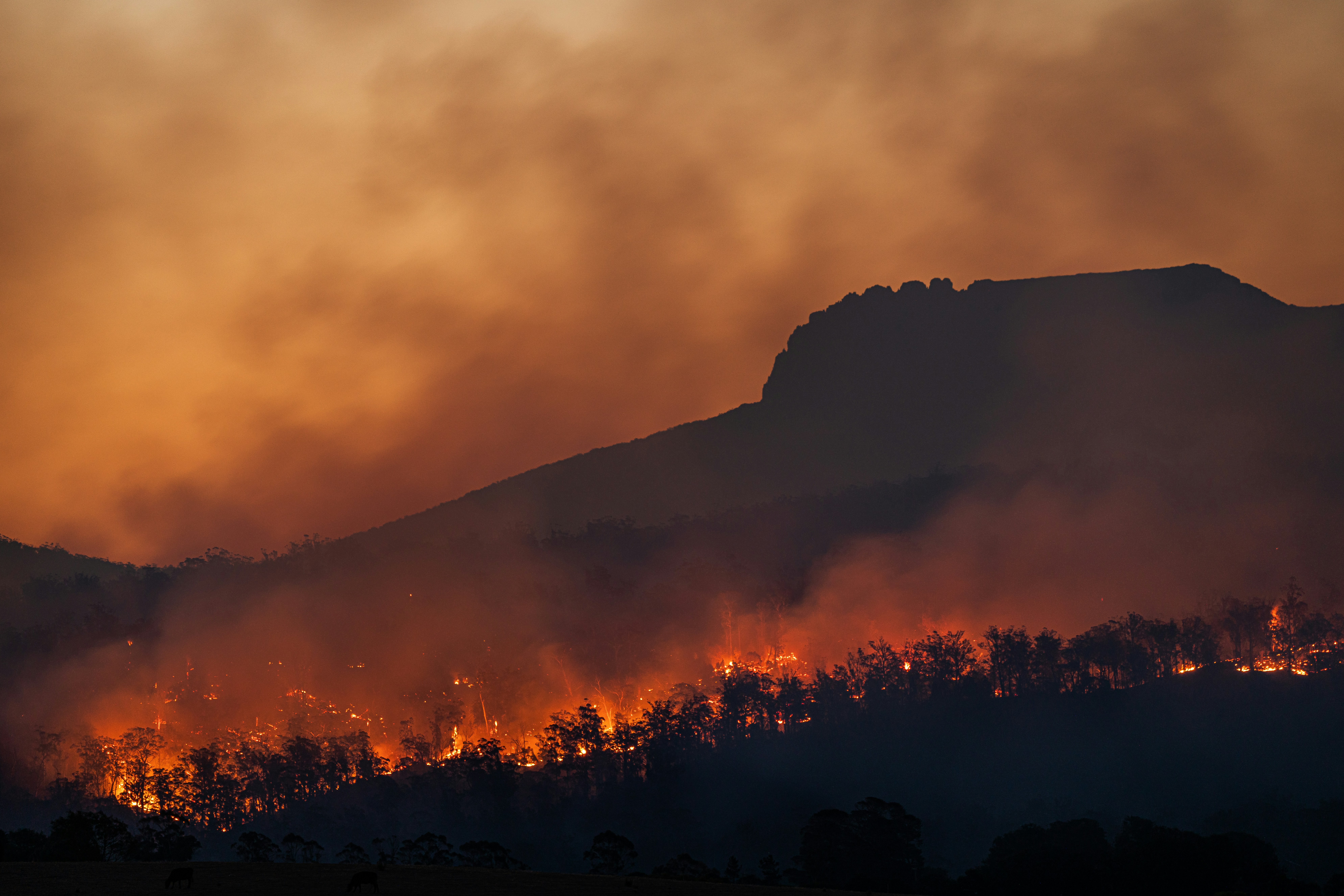
“Fire near me” is currently a US Google Trends signal. Recent reporting includes a camper van fire that disrupted traffic on I-295 in Maine and deadly wildfires near Athens that led to hundreds of evacuations. These events demonstrate heightened public attention to fire incidents, but they do not prove an increase in restoration-company inquiries or booked work. News Center Maine | BBC
For restoration businesses, the practical move is preparation: create a calm, safety-first workflow that acknowledges inquiries, gathers only the details needed to route the request, assigns a human owner, and keeps no-response leads from being forgotten.
Table of contents
- Start with safety, not sales
- The fire-damage lead response workflow
- What to ask without attempting emergency triage
- SMS templates for fire and wildfire inquiries
- After-hours workflow for restoration contractors
- Follow-up when the homeowner does not reply
- How to use automation without overpromising
- FAQ
Start with safety, not sales
A fire-related inquiry is not automatically a restoration lead. It may involve an active emergency, an unsafe property, a displaced homeowner, or someone looking for immediate information.
If someone reports an active fire, smoke, a gas leak, downed power lines, carbon monoxide concerns, or medical equipment that has lost power, direct them to local emergency services immediately. Do not attempt to assess whether the scene is safe over text, determine the severity of damage, or imply that your company is dispatching emergency help.
A safe first-response principle is simple:
Address immediate emergency conditions first. Discuss restoration services only after the person confirms they are safe and seeking contractor assistance.
This protects the homeowner and prevents your team from making promises it cannot verify.
Safety-first language to keep in your workflow
Use concise language such as:
If there is an active fire, smoke, gas odor, downed power line, or immediate danger, please contact local emergency services now.
Avoid language such as:
- “We’re on the way.”
- “Your property is safe now.”
- “We can handle the emergency.”
- “We’ll get this covered by insurance.”
- “We can guarantee an inspection today.”
- “Send photos of everything immediately.”
Your team can collect relevant service information later. The first task is making sure a service inquiry is not being treated like an emergency dispatch request.
The fire-damage lead response workflow
A useful workflow separates acknowledgment, qualification, ownership, and follow-up. Each stage has a different job.
| Stage | Goal | What the business should do |
|---|---|---|
| 1. Acknowledge | Let the person know the inquiry was received | Send a calm, safety-first confirmation |
| 2. Identify the request | Learn whether they need fire, smoke, soot, odor, or wildfire-related cleanup help | Ask a few practical questions |
| 3. Assign ownership | Prevent the inquiry from sitting in a shared inbox | Name the person responsible for the next response |
| 4. Set expectations | Avoid vague promises about arrival, pricing, insurance, or availability | Explain the next step your team can take |
| 5. Follow up | Reconnect if the person is unable to respond immediately | Use brief, respectful follow-ups |
1. Acknowledge the inquiry quickly
A fast acknowledgment does not need to solve the situation. Its job is to confirm that the request reached a real business and give the homeowner a clear next action.
For fire-related inquiries, keep the first message brief. A homeowner may be speaking with family, emergency personnel, an insurer, or multiple contractors. A long intake questionnaire can feel overwhelming.
Your acknowledgment should:
- identify your company;
- recognize that the inquiry concerns fire or smoke damage;
- include emergency-services language when appropriate;
- explain that a team member will review the request;
- ask for one useful next detail, such as the property location.
2. Confirm location and damage type
Restoration requests are location-dependent. Your team needs to know where the property is before discussing next steps, but that does not mean requesting every detail at once.
Start with:
- property address or ZIP code;
- whether the property is residential or commercial;
- the general type of damage;
- whether the person is the owner, tenant, manager, or another contact;
- the best callback number if the inquiry came through a web form.
Common damage categories may include:
- fire damage;
- smoke or soot damage;
- odor concerns;
- wildfire smoke or ash exposure;
- water damage related to firefighting efforts;
- a request for inspection or an estimate.
Do not diagnose the damage by text. A homeowner’s description can help route the request, but it is not a substitute for an appropriate human review or site inspection.
3. Give every inquiry a human owner
After a fire, an unanswered message can become more than a missed marketing opportunity. It can leave a stressed person with no idea what happens next.
Assign each inquiry to one person or role. For a small operation, that may be the owner, office manager, estimator, or on-call team member. The key is that “someone will check it” is not an ownership system.
Your internal handoff should include:
- lead name and contact method;
- property location;
- reported damage type;
- time the request arrived;
- whether an emergency-services message was sent;
- the person assigned to respond;
- the promised next step;
- the next follow-up time.
This is especially important after hours, when a shared voicemail box or inbox can quickly become a list of unclaimed requests.
For a broader framework, see after-hours lead response: how to win jobs while you sleep.
4. Set expectations without promising what you cannot deliver
People often ask questions your intake message cannot responsibly answer:
- “Can you come now?”
- “Will insurance pay for this?”
- “How much will it cost?”
- “Can you tell from these photos?”
- “Is it safe to go inside?”
Your response process should direct those questions to the appropriate human conversation rather than guessing.
Good expectation-setting language:
- “A team member will review your request and contact you about next steps.”
- “We’ll confirm whether we can assist in your area before discussing an inspection.”
- “We can gather the property details and have the appropriate team member follow up.”
- “We can discuss the requested service after we review the information.”
This language is helpful without promising availability, coverage, pricing, or a particular outcome.
What to ask without attempting emergency triage
A fire-damage intake should be short enough for a stressed person to answer and structured enough for your team to route it.
Minimum intake questions
Ask these first:
- What is the property address or ZIP code?
- Is this related to fire damage, smoke/soot damage, wildfire ash or smoke, or water damage after firefighting?
- Is anyone in immediate danger or is there an active emergency? If yes, direct them to local emergency services rather than continuing intake.
- What is the best number for a team member to reach you?
- Are you looking for an inspection, cleanup/restoration information, or an estimate?
Questions to save for a human follow-up
Avoid turning the first message into an insurance or damage-assessment interview. A team member can later ask about:
- the affected areas of the property;
- timing of the incident;
- occupancy status;
- access considerations;
- existing insurer communication;
- photos, if useful and appropriate;
- preferred contact time.
This sequence respects the customer’s situation while giving your team enough information to decide who should respond next.
SMS templates for fire and wildfire inquiries
These messages are designed to acknowledge a request and create a clear next step. Edit them to match your actual service area, staffing, and communication process.
1. First response for a new fire-damage inquiry
Hi [First Name], this is [Name] from [Company]. We received your request about fire or smoke damage. If there is an active fire, smoke, gas leak, downed power line, or immediate danger, please contact local emergency services now. When you can, reply with the property address and a brief description of the damage so our team can review your request.
2. Wildfire smoke or ash cleanup inquiry
Hi [First Name], this is [Name] with [Company]. Thanks for contacting us about wildfire smoke or ash concerns. Please reply with the property address and whether you’re seeking inspection, cleanup information, or an estimate. A team member will review the details and follow up about next steps.
3. After-hours acknowledgment
Hi [First Name], this is [Company]. We received your fire-damage inquiry outside normal office hours. If there is immediate danger, please contact local emergency services. Please reply with the property address and the type of damage reported, and a team member will review your request as soon as possible.
4. Request for a callback
Thanks, [First Name]. We have your request for [property address]. What is the best phone number and time for a team member to contact you about the next step?
5. Inspection or estimate expectation-setting
Hi [First Name], thanks for the information. We’re reviewing your request for [property address]. A team member will contact you to discuss whether an inspection or estimate can be arranged. We’ll confirm the next available option directly rather than promising a time by text.
6. No-reply follow-up
Hi [First Name], this is [Name] from [Company] following up on your fire or smoke-damage request. If you still need help, reply with the property address and the type of damage involved, and we’ll review the request. If you no longer need assistance, no reply is needed.
For additional general-purpose messages, see best lead response templates for service businesses.
After-hours workflow for restoration contractors
Fire and wildfire questions do not necessarily arrive during office hours. An after-hours workflow should acknowledge the request without pretending that an estimator, crew, or emergency response is immediately available.
A practical after-hours process
- Send an immediate acknowledgment Identify the business, confirm receipt, and include safety-first emergency language.
- Collect only basic routing details Ask for location, damage category, and the best contact method.
- Create a clear ownership queue Route the inquiry to the designated on-call or next-business-day team member.
- Set a real internal review standard Your team should know who checks overnight submissions and when. Do not tell homeowners they will receive a call at a specific time unless you can reliably deliver it.
- Review open inquiries at the start of the day Check for replies, missed calls, duplicate web forms, and messages that need a human response.
- Pause or adjust automated messaging when a conversation becomes sensitive Automation can acknowledge and prompt for basic details, but a real person should take over when the situation requires judgment.
A fire-related lead workflow should not treat every incoming contact as interchangeable. Someone asking about ash cleanup weeks after a wildfire may need a different conversation from a homeowner reporting smoke and soot damage after a recent property fire.
Follow up when the homeowner does not reply
No response does not always mean no interest. The person may be dealing with family needs, temporary housing, emergency personnel, insurance communication, or a damaged phone connection.
Use a limited follow-up sequence that remains respectful.
Suggested follow-up cadence
- First follow-up: later the same day or the next appropriate business period;
- Second follow-up: one to two days later;
- Final check-in: several days later, if no response arrives.
The exact timing should match the context, your staffing, and the customer’s stated preferences. Do not keep sending messages simply because a sequence exists.
Example follow-up sequence
Follow-up 1
Hi [First Name], checking in on your request to [Company]. If you still need help with fire, smoke, soot, or ash-related cleanup, reply with the property address and a good callback time.
Follow-up 2
Hi [First Name], this is [Name] from [Company]. We wanted to make sure your request did not get missed. If you still want to discuss restoration services, reply here and a team member can review the next step.
Final check-in
Hi [First Name], we’re closing the loop on your request. If you still need to discuss fire- or smoke-damage restoration for [property address], reply to this text and we’ll review your information.
For more guidance on message timing, read how long to wait before following up with a lead.
How to use automation without overpromising
Automation can help restoration contractors make sure a web form, missed call, or after-hours inquiry receives an acknowledgment instead of sitting unseen. It should support the human process, not replace it.
SecureMyLead can send an automated SMS response when a new lead is captured and continue with follow-up sequences. That can help a restoration business acknowledge an inquiry, request basic routing information, and keep a no-response request visible until a person can take over.
However, an automated message should never claim that your company:
- is dispatching a crew;
- has confirmed availability;
- has assessed safety or damage;
- can guarantee an inspection;
- can determine insurance coverage;
- has accepted the job.
Two-way replies remain visible in the SecureMyLead dashboard, but ordinary replies do not automatically pause scheduled sequence messages. Build a review process so a human can take ownership and adjust communication when a conversation is underway.
For a broader contractor workflow, see how to follow up with home service leads automatically.
If you use SMS for follow-up, make sure your business has appropriate consent and that your messaging practices are reviewed for applicable legal requirements. Automation and opt-out tools do not replace your responsibility to communicate lawfully.
Key takeaways
- Recent fire-related events show public attention to fire incidents, but they do not prove a restoration-industry lead surge.
- Restoration contractors should prepare for possible urgent inquiries with a safety-first acknowledgment process.
- Direct active emergencies and immediate dangers to local emergency services before discussing services.
- Ask for location, damage type, and contact information without attempting to assess safety or diagnose damage over text.
- Every inquiry needs a clear human owner, especially after hours.
- Use SMS to acknowledge, gather basic routing details, and set realistic expectations—not to promise dispatch, pricing, coverage, or availability.
- Follow up thoughtfully when a homeowner does not respond; fire-related situations can make immediate replies difficult.
FAQ
Should restoration contractors text back fire-damage leads automatically?
They can use an automatic text to acknowledge the inquiry, share emergency-services guidance for immediate danger, and request basic routing details. A human team member should review the request and handle service-specific decisions.
What should a fire-damage auto-reply say?
It should identify your company, confirm that you received the request, direct immediate emergencies to local emergency services, and ask for the property location and general type of damage. It should not promise arrival times, insurance coverage, pricing, or emergency dispatch.
How do I qualify a wildfire cleanup lead?
Start by confirming the property location and whether the request involves wildfire smoke, ash, fire damage, soot, odor, or a related concern. Ask whether the person seeks an inspection, cleanup information, or an estimate. Leave detailed damage assessment and service decisions to a human review.
Should I ask for insurance information in the first text?
Usually, no. The initial message should focus on safety, location, damage category, and a way to reach the person. Insurance-related discussions can happen later with the appropriate team member and process.
Can follow-up automation replace an on-call restoration manager?
No. Automation can acknowledge a new inquiry and keep follow-up consistent, but it cannot assess an emergency, determine safety, inspect damage, manage an insurance claim, or make operational decisions for your business.
Related reading
- After-hours lead response: how to win jobs while you sleep
- Contractor web form auto response: what to send the second a new lead hits your site
- Estimate follow-up text templates for contractors
- 7 lead follow-up mistakes that quietly kill conversion
A prepared response process cannot control when fire-related inquiries arrive, but it can help ensure legitimate requests are acknowledged and routed to the right person.
Get started free with SecureMyLead to build a more consistent SMS acknowledgment and follow-up workflow for new restoration leads.