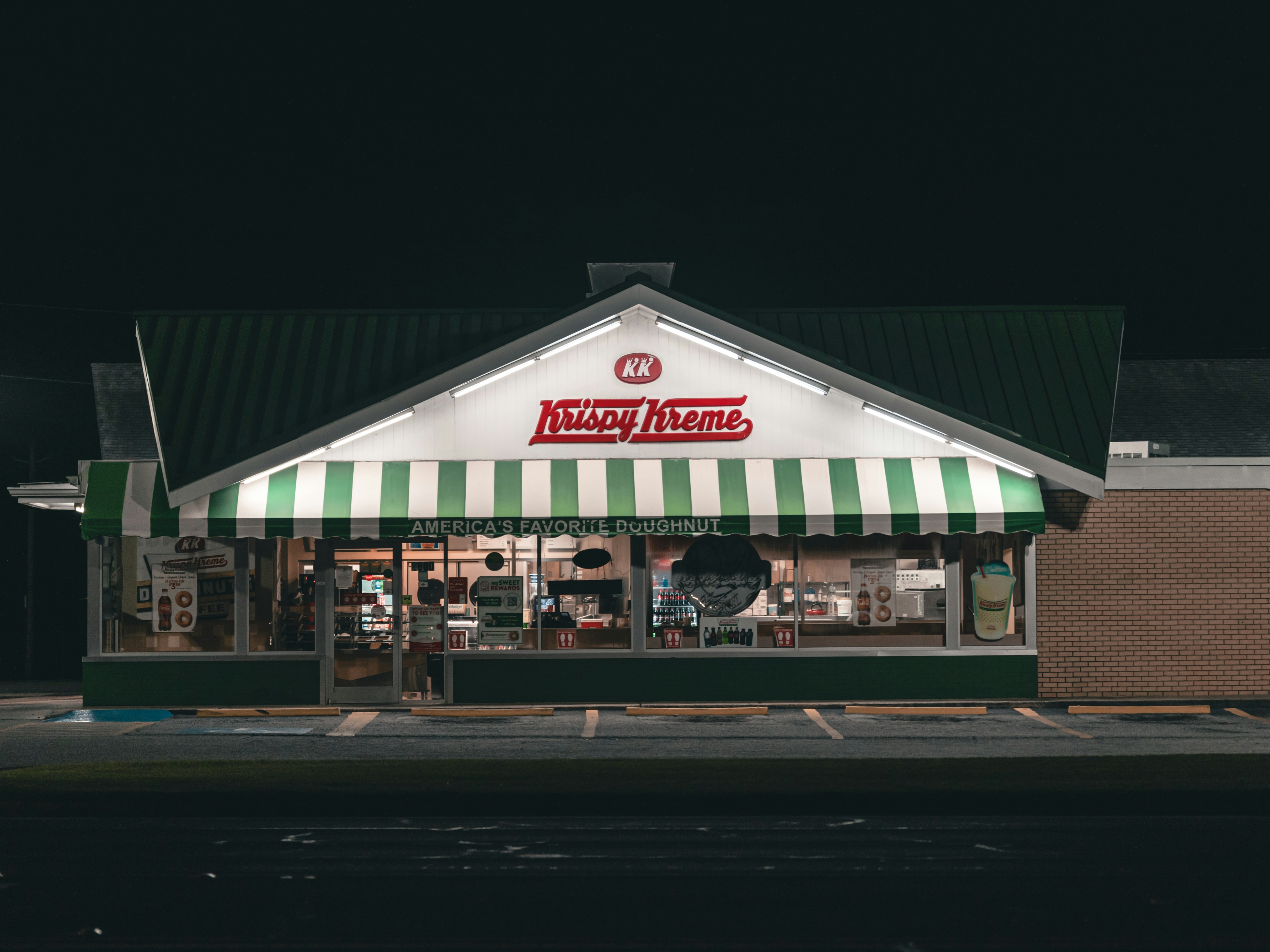
Krispy Kreme Pokémon Doughnut Collection: A Case Study in Limited-Time Offer Demand Capture
Krispy Kreme just launched a Pokémon-themed doughnut collection tied to the Pokémon 30th anniversary. The promotion is a real-time example of how a limited-time offer can create sudden consumer interest—and a useful case study for local business owners who want to understand the mechanics behind demand spikes.
This article breaks down what Krispy Kreme is doing, why those tactics work, and how a local service business can apply the same principles to its own promotions. The focus is on the operational lesson: when a promotion works, the business needs a system to capture and follow up with the inquiries it generates.
What the Krispy Kreme Pokémon Promotion Actually Is
Krispy Kreme launched a limited-time Pokémon doughnut collection to celebrate the franchise's 30th anniversary. The promotion includes themed doughnuts and is available for a limited window, which creates a natural reason for customers to act quickly.
The launch is documented in industry and consumer food coverage:
- Bake Magazine: Krispy Kreme launches Pokémon doughnut collection
- Today: Krispy Kreme Pokémon 30th anniversary doughnut collection
The sources confirm the launch and the anniversary tie-in. What they do not show is any measured business outcome for Krispy Kreme or for unrelated local businesses. That distinction matters: the promotion is a useful example of demand-capture mechanics, not proof that any business can replicate a specific result.
Why This Promotion Works: The Demand-Capture Mechanics
Krispy Kreme's Pokémon collection uses several tactics that local businesses can study without needing a national brand or a licensed character.
1. A hard deadline creates urgency
Limited-time offers work because they give customers a reason to act now instead of later. When a product or service is available only for a short window, the cost of waiting is missing out entirely.
For a local business, the same principle can apply to:
- a seasonal service package
- a limited number of appointment slots
- a promotion tied to a local event or holiday
- a short-term discount for a specific service
The key is that the deadline must be real. If customers learn that the "limited" offer always comes back, the urgency disappears.
2. Scarcity makes the offer feel special
Scarcity is closely related to urgency. Krispy Kreme is not just selling doughnuts; it is selling a themed collection that will not be available forever. That makes the product feel more valuable to fans and collectors.
A local business can create legitimate scarcity by:
- limiting the number of promotional slots per week
- offering a bundled service only during a specific season
- capping a discount to the first 20 bookings
- promoting a specialty service that requires advance scheduling
The scarcity must be genuine. Fake scarcity damages trust and makes future promotions less effective.
3. Brand collaboration expands the audience
Krispy Kreme is borrowing attention from Pokémon's massive fan base. The collaboration reaches people who may not have been thinking about doughnuts at all.
Most local businesses cannot partner with a global brand, but they can collaborate locally:
- a roofing company partnering with a real estate agency for a home-inspection promotion
- an HVAC business working with a local utility on a seasonal tune-up offer
- a painting company teaming up with a property manager for a move-in special
The principle is the same: borrow a relevant audience instead of relying only on your own.
4. Multi-channel marketing spreads the word
Krispy Kreme's promotion is covered by food media, shared on social platforms, and visible in stores. The message reaches customers through multiple channels at once.
For a local business, multi-channel does not mean being everywhere. It means using the channels where the target audience already is:
- a short email to existing customers
- a social post with a clear offer
- a text message to past clients who opted in
- a sign or flyer at the physical location
- a mention in a local community group or newsletter
The goal is repetition without spamming. A customer may need to see the offer more than once before acting.
The Operational Problem Promotions Create
A successful promotion does more than generate interest. It generates inquiries. Those inquiries can arrive as:
- phone calls
- website form submissions
- social media messages
- text messages
- walk-ins asking for details
For a small service business, this is where promotions often break down. The owner is on a job site, driving between appointments, or already handling another customer. A new inquiry arrives, and nobody responds for hours. By the time the business follows up, the customer has moved on or booked with a competitor.
This is not a hypothetical risk. It is the predictable consequence of running a promotion without a follow-up system.
How to Prepare for a Promotion-Driven Inquiry Spike
If you are planning a limited-time offer, the promotion itself is only half the work. The other half is making sure every inquiry gets a fast, consistent response.
Step 1: Define the offer clearly before you promote it
Write down:
- what exactly is included
- when the offer starts and ends
- how many slots or units are available
- what the customer needs to do to claim it
- what happens after the deadline
If the offer is vague, the inquiries will be vague. That creates more back-and-forth and more chances to lose the lead.
Step 2: Decide how inquiries will be handled
For each lead source, determine:
- who is responsible for responding
- how quickly they should respond
- what the first message should say
- what information the business needs to qualify the lead
A simple plan is better than no plan. Even a one-person business can write down a basic response workflow.
Step 3: Use an automated first response
The fastest way to prevent a promotion lead from going cold is to send an immediate acknowledgment. An automated text message can:
- confirm the inquiry was received
- set expectations for when a human will follow up
- ask one or two qualifying questions
- provide the next step, such as a link to book or a phone number to call
This does not replace human follow-up. It buys time for the human to respond properly.
Step 4: Build a short follow-up sequence
Most promotion leads will not book on the first message. A short sequence can keep the conversation moving without requiring manual effort for every step.
A simple cadence might be:
- immediate acknowledgment
- follow-up a few hours later if no reply
- next-day check-in
- final reminder before the offer expires
Each message should add value or urgency, not just repeat the same sentence.
Step 5: Track which leads came from the promotion
If you do not know which inquiries came from the promotion, you cannot measure whether it worked. At minimum, track:
- how many inquiries arrived during the promotion window
- how many responded to the first message
- how many booked or purchased
- how many went silent
This data helps you decide whether to run the promotion again and what to change.
What Not to Do
Do not assume the promotion will sell itself
Interest is not the same as booked business. A customer who sees a compelling offer still needs a response, a conversation, and often a nudge before committing.
Do not let promotion leads sit unanswered
A limited-time offer has a built-in expiration date. Every hour of delay makes the offer less relevant and the customer less likely to act.
Do not copy a national brand's tactics without adapting them
Krispy Kreme can afford to run a licensed collaboration with a global fan base. A local business does not need that scale. The transferable lesson is the structure—urgency, scarcity, clear offer, fast follow-up—not the specific execution.
Do not fabricate scarcity
If you say there are only five slots left, there should be only five slots left. Customers notice when a "limited" offer never actually ends.
How SecureMyLead Fits Into a Promotion Workflow
SecureMyLead is a lead-follow-up automation tool for service businesses. It is not a lead source and it does not create promotions. What it can do is help a business handle the inquiries a promotion generates.
When a new lead arrives from a form, webhook, or other connected source, SecureMyLead can send an automated first text within seconds. It can also run a multi-step SMS follow-up sequence so the business does not have to remember every manual touchpoint.
For a limited-time promotion, that means:
- the first inquiry gets an immediate acknowledgment
- the follow-up cadence runs automatically
- the business owner can focus on the actual work instead of watching the phone
- old or unresponsive leads can be reactivated later
The product does not guarantee that a promotion will succeed. It addresses the operational problem that follows a successful promotion: too many inquiries and not enough time to respond to them manually.
If you are planning a promotion and want to make sure the inquiries do not disappear into a voicemail void, get started free and set up your first automated response workflow.
Key Takeaways
- Krispy Kreme's Pokémon doughnut collection is a real-time example of limited-time offer mechanics: urgency, scarcity, collaboration, and multi-channel promotion.
- The promotion is documented as a launch, not as a measured business outcome. Local businesses should treat it as a case study, not a guaranteed playbook.
- The transferable tactics are a clear deadline, genuine scarcity, a relevant audience, and a fast follow-up system.
- A promotion that generates inquiries without a response workflow will lose leads to delay and silence.
- An automated first response and a short follow-up sequence can help a small service business handle a promotion-driven inquiry spike without hiring extra staff.
FAQ
Is Krispy Kreme's Pokémon promotion still available?
The promotion is limited-time and tied to the Pokémon 30th anniversary. Check Krispy Kreme's official channels or the cited sources for current availability.
Can a local service business use a Pokémon theme for its own promotion?
Only if the business has the legal right to use Pokémon branding. Most local businesses do not. The lesson is the structure of the promotion, not the specific theme.
How fast should a business respond to a promotion lead?
There is no universal number, but faster is generally better. An immediate automated acknowledgment is a practical way to reduce the chance that a lead goes cold before a human can respond.
Does SecureMyLead create promotions?
No. SecureMyLead is a follow-up automation tool. It helps businesses respond to and follow up with leads generated by their own promotions or lead sources.
What is the most common mistake with limited-time offers?
Promoting the offer without preparing for the inquiries. A compelling offer that generates 50 leads is only useful if the business can respond to those 50 leads quickly and consistently.