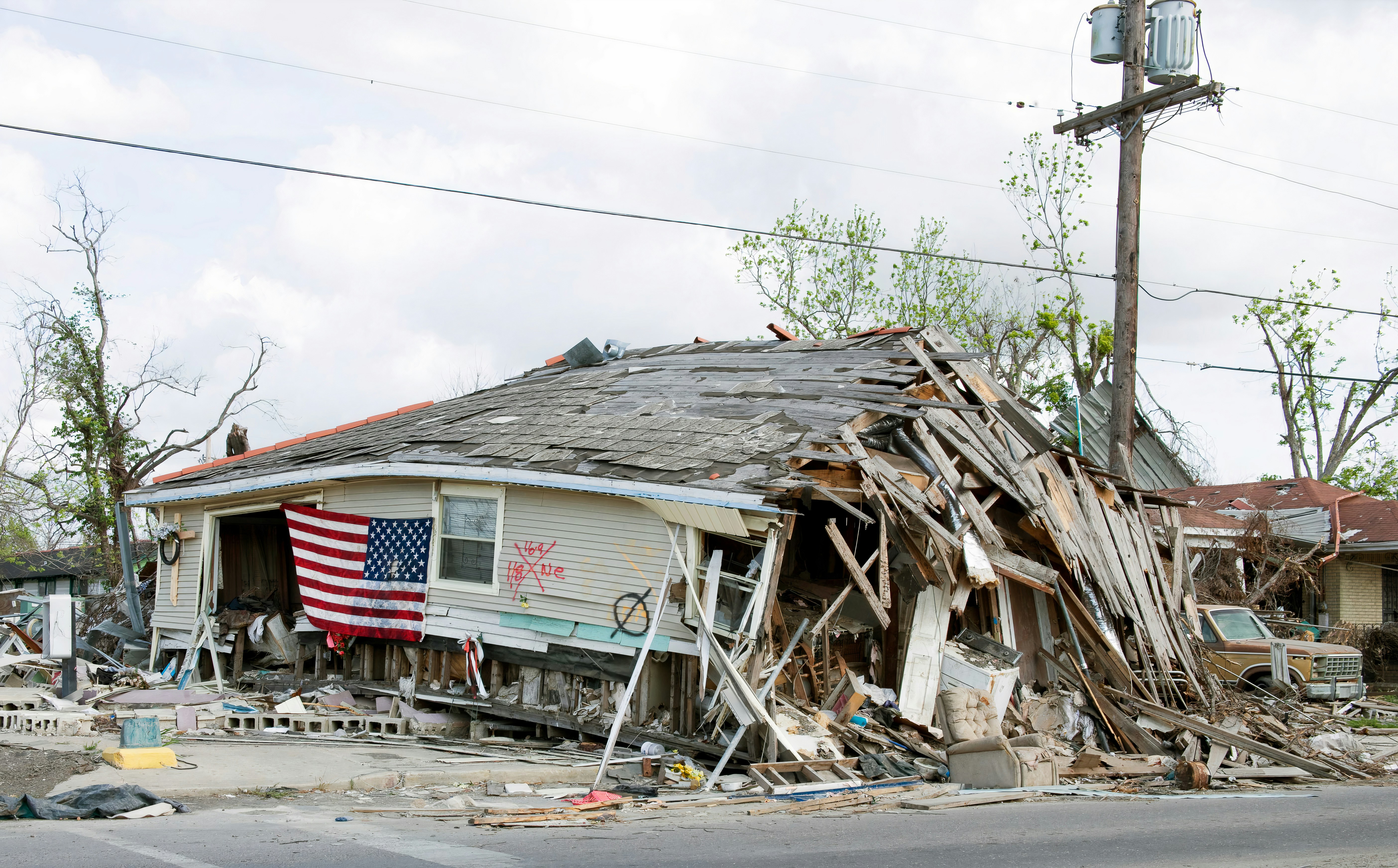
Storm-Damage Lead Response Playbook for Roofers and Restoration Companies After a Hurricane
Hurricane Isaias has caused deaths, widespread power outages, and storm impacts across affected areas, including the Tennessee Valley.[^1][^2] For roofers, restoration companies, plumbers, HVAC businesses, and other home-service teams, that means it may be time to prepare for storm-damage calls, inspection requests, and after-hours messages.
Safety comes first. A lead-response process must never delay emergency help or encourage someone to enter an unsafe area. If a homeowner reports immediate danger, a downed power line, a gas-related concern, fire, carbon monoxide, or medical equipment without power, direct them to follow local emergency-services, utility, and public-safety guidance before discussing an inspection or appointment.
The goal is not to assume a hurricane has created a proven lead surge. The available reporting establishes the storm event and its impacts—not a documented increase in contractor inquiries. But businesses in affected service areas should prepare for the possibility that new requests may arrive faster than normal.
This playbook helps you acknowledge inquiries, identify urgent but non-emergency needs, protect crew capacity, and keep homeowners informed without making promises your team cannot keep.
Table of contents
- Start with a safety-first response rule
- Set up one storm-damage intake workflow
- Ask the right questions before offering an inspection
- Prioritize leads without overpromising
- Use practical storm-damage text messages
- Create an after-hours handoff
- Follow up with homeowners who are not ready to book
- Keep your team aligned on capacity and expectations
- Frequently asked questions
Start with a safety-first response rule
A hurricane-related lead is not automatically an emergency dispatch. Some homeowners may need an inspection after noticing missing shingles or water staining. Others may be in a situation that requires public-safety or utility guidance before a contractor should be involved.
Give every person answering phones, texts, web forms, and social messages a simple rule:
Do not diagnose danger by text. Do not ask a homeowner to climb onto a roof, approach damaged electrical equipment, enter a compromised structure, or take photos from an unsafe location.
Your first response should identify the business, acknowledge the inquiry, and set a safety boundary. It should also avoid language such as “we’re on the way” unless a qualified team member has actually confirmed dispatch and availability.
A safe opening response
Hi [First Name], this is [Business Name]. We received your storm-damage request. If there is an immediate safety concern, please follow local emergency, utility, or public-safety instructions first. When it is safe to do so, reply with your address and a brief description of what you’re seeing, and our team will review availability for an inspection.
This does three useful things:
- It confirms the homeowner was heard.
- It avoids pretending a text system can assess emergency severity.
- It starts collecting information your team needs to make a human decision.
Set up one storm-damage intake workflow
During normal operations, your team may handle roof repair, water mitigation, estimates, routine maintenance, and new inquiries through different processes. After a storm, a scattered workflow can create duplicate calls, missed messages, and unrealistic appointment promises.
Instead, create one temporary storm-damage intake path.
The minimum storm-lead record
For every inquiry, capture:
| Field | Why it matters |
|---|---|
| Name and best callback number | Gives the team a clear contact owner |
| Property address | Confirms service area and helps group nearby requests |
| Property type | May affect crew, equipment, and inspection needs |
| Reported issue | Separates roof, water, HVAC, plumbing, and other needs |
| When damage was noticed | Adds useful context without treating it as a diagnosis |
| Current condition | Identifies reported active leaks, exposed areas, or other concerns |
| Safe photos, if available | Helps prepare for the conversation or inspection |
| Insurance status or question | Lets the team route insurance-related questions appropriately |
| Preferred contact method | Reduces missed connections |
| Lead source | Helps you understand where storm inquiries are coming from |
Do not make all fields mandatory before acknowledging the lead. A homeowner dealing with a leak may not complete a long form. Start with the essentials: contact information, address, issue, and whether they can safely share any additional detail.
Use a single status system
A basic status system keeps the whole team from guessing:
- New — needs review
- Safety concern — human review
- Outside service area
- Qualified — inspection requested
- Inspection pending confirmation
- Booked
- Waiting for homeowner
- Not a fit / referred out
Avoid vague labels such as “call later” or “hot lead.” In a storm workflow, every label should tell the next person exactly what to do.
For more general setup guidance, see how to follow up with home-service leads automatically and automated lead follow-up systems for contractors.
Ask the right questions before offering an inspection
Storm-damage lead qualification should be short, respectful, and specific to the work. You are not trying to force a commitment while a homeowner is stressed. You are gathering enough information to determine whether your company can help and what the next step should be.
Core questions for roofing and restoration inquiries
Use questions such as:
- What are you noticing? Examples may include missing shingles, visible debris, interior water staining, a ceiling leak, damaged siding, or standing water.
- Is water currently entering the property? This can help your team understand the reported urgency. Do not treat a text response as a complete assessment.
- What is the property address? Confirm it is inside your service area before offering an appointment window.
- Is the property accessible and safe to inspect when crews are available? This helps avoid sending a team into conditions that local authorities or your own safety standards do not permit.
- Can you safely share photos from the ground? Photos can help prepare your team, but homeowners should never be asked to create unsafe images.
- Have you contacted your insurer, or do you have questions about the process? Your team should be clear about its role, licensing, and any insurance-related limitations. Do not make coverage promises.
- What is the best number and time to reach you? Storm-related calls can be hard to return promptly. A preferred contact time makes the handoff easier.
Keep qualification separate from a promise
A homeowner may ask, “Can you come today?” Your response should depend on real availability—not a standard script.
Use language like:
We’re reviewing inspection availability by location and reported need. Once our team confirms the route and capacity, we’ll send the next available option.
That is more trustworthy than saying “We’ll get you taken care of today” when you do not yet know whether that is possible.
Prioritize leads without overpromising
A storm workflow needs prioritization, but not every reported issue should be treated as identical. Create a human-reviewed queue based on your company’s actual services, safety rules, capacity, insurance requirements, and local emergency conditions.
A practical priority framework
| Priority | Example reported situation | Recommended next step |
|---|---|---|
| Safety escalation | Immediate danger or a utility/public-safety concern | Tell the homeowner to follow local emergency or utility guidance; do not use the contractor workflow as emergency dispatch |
| Urgent review | Active water entry or a reported condition that may worsen | Human review for feasible next steps and availability |
| Inspection request | Suspected roof, siding, exterior, or interior storm damage without an active reported emergency | Confirm service area, collect details, offer the next available inspection option |
| Estimate follow-up | Homeowner has already been inspected or received an estimate | Assign an owner and use a measured follow-up schedule |
| Future or uncertain need | Homeowner is monitoring the property or waiting for another decision | Send helpful follow-up without pressure |
The key distinction is that priority should guide your internal response—not become a marketing tactic. Do not use fear, countdowns, or “last chance” language with people dealing with property damage.
Use practical storm-damage text messages
Texting can acknowledge a request quickly and reduce the chance that a new inquiry sits unanswered. It cannot replace a human review, safety assessment, dispatch decision, or scheduling confirmation.
Only text people in ways that meet your business’s consent and legal obligations.
1. New storm-damage inquiry acknowledgment
Hi [First Name], this is [Business Name]. We received your storm-damage request for [Address]. If there’s an immediate safety concern, please follow local emergency or utility guidance first. When safe, reply with a brief description of the issue and any ground-level photos you can share safely. Our team will review the request and availability.
2. Service-area check
Thanks, [First Name]. Before we schedule anything, can you confirm the property address and ZIP code? We’re checking storm-response availability by service area.
3. Inspection request received
We have your inspection request for [Address]. Our team is reviewing route availability and will contact you with the next available option. Please don’t climb onto the roof or enter an unsafe area to inspect damage.
4. Capacity-delay update
Hi [First Name], we’re still reviewing storm-damage requests in your area. We don’t want to promise a time before confirming crew availability. We’ll update you by [time/day] with the next step.
Only include a specific update time if your team has committed to checking the queue by then.
5. Missed call text-back
Hi [First Name], this is [Business Name]. Sorry we missed your call about storm damage. Reply with the property address and a short description of what you’re seeing, and a team member will review the request.
For additional first-response options, use these contractor auto-reply messages and service-business lead response templates.
Create an after-hours handoff
Storm inquiries do not always arrive during business hours. An after-hours acknowledgment can tell a homeowner their message was received while making clear that an appointment is not yet confirmed.
After-hours storm-response message
Hi [First Name], this is [Business Name]. We received your storm-damage message after business hours. If there is an immediate safety concern, follow local emergency, utility, or public-safety guidance. Otherwise, reply with your address and a brief description of the damage, and our team will review it when the office reopens.
The next morning, assign a real owner to each after-hours inquiry. Do not leave leads in a shared inbox with no accountable follow-up.
A useful morning handoff might be:
- Review safety-related messages first.
- Verify service area.
- Check crew capacity and local conditions.
- Call or text qualified leads with the next realistic step.
- Mark leads as booked, waiting, outside area, or requiring another follow-up.
For a broader after-hours process, read after-hours lead response: how to win jobs while you sleep.
Follow up with homeowners who are not ready to book
Not every homeowner will schedule immediately. They may be waiting for a family member, dealing with travel disruptions, documenting damage, speaking with an insurer, or deciding whether an inspection is needed.
That does not mean the lead should disappear.
A low-pressure follow-up sequence
Follow-up 1: One to two days after the first conversation
Hi [First Name], checking in from [Business Name] about the storm-damage request for [Address]. If you’d still like to discuss an inspection, reply here and we’ll review available options.
Follow-up 2: A few days later
Hi [First Name], just following up in case you still need help with the property at [Address]. If the situation has changed, send us a quick update and we’ll let you know what the next step may be.
Follow-up 3: Close the loop respectfully
Hi [First Name], we haven’t heard back, so we’ll close this request for now. If you still need an inspection or have new information, reply to this message and our team can review it.
This approach gives the homeowner a path back without pretending urgency where none has been confirmed.
Keep your team aligned on capacity and expectations
The fastest response is not helpful if it creates appointments your team cannot honor. Before sending any storm-response messages, decide who can approve:
- Same-day inspections
- Emergency temporary-protection work, if your company provides it
- Service-area exceptions
- Waitlist placement
- Insurance-related communication boundaries
- Referrals for work your company does not perform
- Weather-related cancellations or rescheduling
Daily capacity check
During an active storm-response period, hold a short check-in at least once a day:
- Which ZIP codes or areas can we serve today?
- How many inspections can we realistically offer?
- Which requests need a call from an experienced team member?
- Are roads, weather conditions, or local directives affecting access?
- What message should the team use if availability changes?
- Which leads are waiting too long without an update?
A simple capacity check prevents the common failure mode: marketing or office staff continue accepting requests while field teams have no safe or realistic way to fulfill them.
Where SecureMyLead fits
SecureMyLead can support the acknowledgment and follow-up portion of a storm-damage workflow: sending a prompt first text when a new lead arrives, keeping a consistent sequence for homeowners who have not responded, and giving your team a place to continue the conversation.
It is not a dispatch system, safety assessor, or replacement for human capacity decisions. Your team still needs to review reported conditions, confirm service area, verify availability, and make the final scheduling call.
If you want to build a more consistent first-response and follow-up process for incoming contractor leads, Get started free.
Key takeaways
- Hurricane Isaias has caused documented deaths, power outages, and storm impacts in affected areas, so local service businesses may need to prepare for storm-related inquiries.[^1][^2]
- Do not treat contractor lead intake as emergency dispatch or ask homeowners to take unsafe actions.
- Acknowledge new inquiries quickly, then use a human-reviewed process for safety concerns, service-area checks, inspection requests, and capacity decisions.
- Collect only the intake details your team actually needs to make a safe next-step decision.
- Never promise same-day help, dispatch, insurance outcomes, or inspection availability until your team confirms them.
- Keep follow-up calm, helpful, and appropriate for homeowners who may not be ready to book immediately.
Frequently asked questions
Should roofers automatically offer same-day inspections after a hurricane?
No. Offer same-day inspections only when your team has verified that the property is in your service area, conditions are safe, and you have real crew capacity. A quick acknowledgment is useful; an unverified appointment promise is not.
What should a roofing company ask in a storm-damage lead form?
Start with name, phone number, property address, reported issue, whether water is actively entering the property, and any photos the homeowner can safely provide. Add insurance and preferred-contact questions only if they help your team handle the next step.
Can automated text messages handle storm emergency triage?
No. Automated messages can acknowledge a request and direct someone with an immediate safety concern to follow local emergency, utility, or public-safety guidance. They cannot assess danger, replace human judgment, or dispatch a crew.
How often should a restoration company follow up after a storm inquiry?
Follow up based on the homeowner’s situation and your actual capacity. A respectful initial follow-up, another check-in a few days later, and a final close-the-loop message can be appropriate when the person has not responded. Avoid pressure-based messaging.
What if a storm-damage lead is outside our service area?
Tell the homeowner promptly and clearly. Do not leave an out-of-area request in a general follow-up sequence. If you choose to provide a referral, make sure it is accurate and appropriate for the situation.
Related reading
- How to follow up with home-service leads automatically
- Estimate follow-up text templates for contractors
- After-hours lead response: how to win jobs while you sleep
- Roofing lead follow-up resources for contractors
[^1]: USA Today: Hurricane Isaias live updates and forecast
[^2]: Local 3 News: Reviewing Isaias impacts across the Tennessee Valley