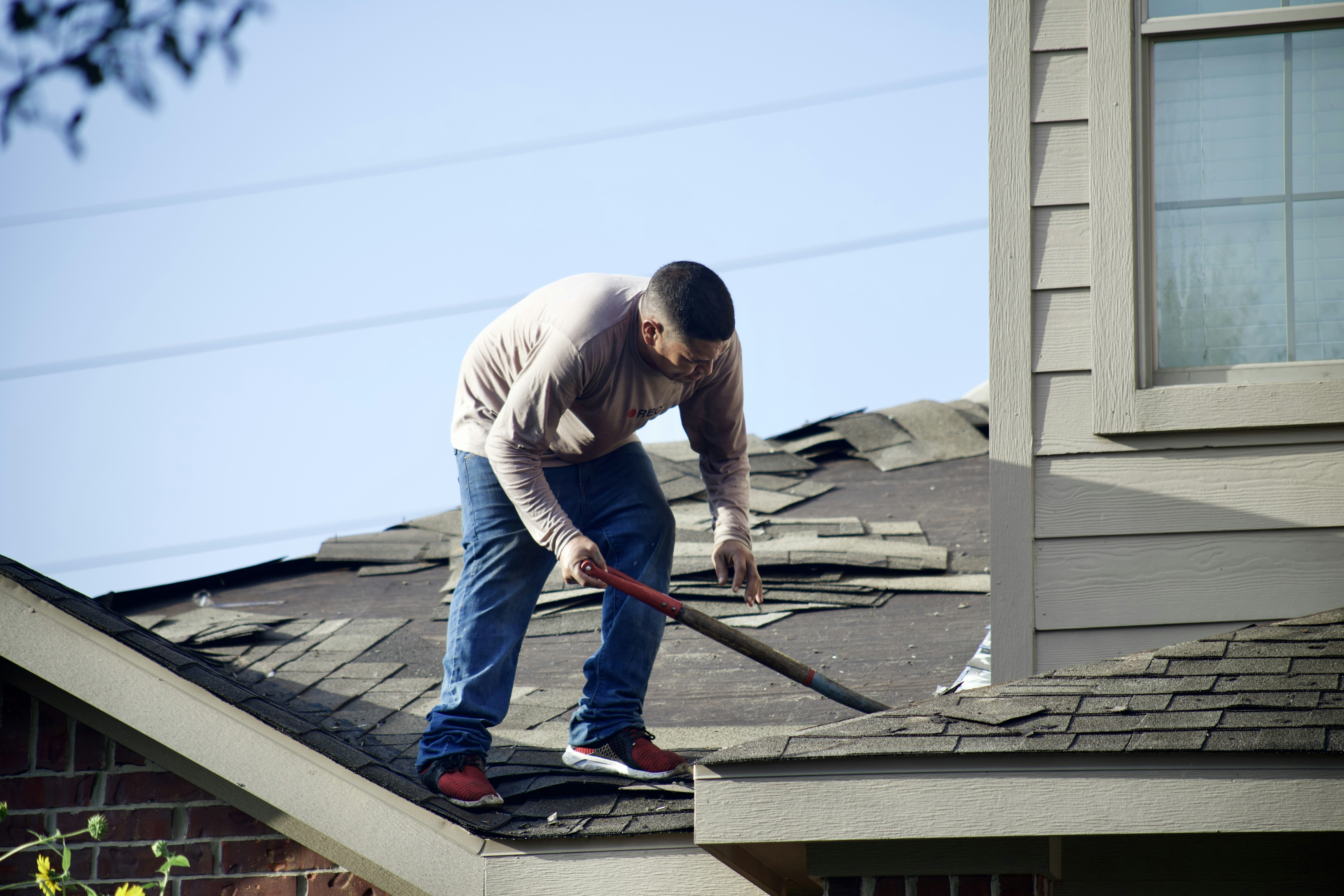
Storm Damage Lead Response for Roofers and Restoration Companies
If a storm-damage inquiry involves an immediate safety threat, direct the person to the appropriate emergency services first. Do not use an automated text to assess structural safety, provide emergency instructions, promise a crew dispatch, or make insurance determinations.
Recent reports describe remnants of Isaias bringing flooding, widespread rain, and severe storms to parts of the East Coast and Mid-Atlantic, with rain also affecting Long Island. Those conditions can create property concerns and may lead roofers and restoration companies to receive storm-related inquiries. They do not, however, prove that any individual business will experience a lead surge. FOX Weather and Newsday reported on the weather conditions.
The right preparation is not to assume demand will spike. It is to make sure that, if inquiries rise, every new lead receives a prompt acknowledgment, reaches the right person, and gets a clear next step.
Table of contents
- What makes storm-damage leads different
- A storm-damage lead response workflow
- Questions to ask without attempting emergency triage
- How to prioritize incoming inquiries
- Storm-damage SMS templates
- Follow-up when the prospect goes quiet
- How automation fits into the workflow
- FAQ
What makes storm-damage leads different
A standard roofing lead may arrive as a planned estimate request. A storm-related inquiry can be less complete, more time-sensitive, and harder for the homeowner to explain.
Someone may submit a form while standing in a busy house, leave a missed call, or send only: “Roof leaking. Need help.” That does not mean the business should diagnose the situation over text. It does mean the first response should reduce uncertainty and collect the details needed for a qualified human team member to take over.
Storm-response workflows need to account for:
- Incomplete information: The lead may not include an address, property type, or description of the issue.
- Higher emotional urgency: The customer may be worried about visible damage, water entry, or an unfamiliar sound after severe weather.
- Limited field capacity: A small team may have inspections, estimates, and existing customers competing for attention.
- Photo-heavy conversations: Images can help a human reviewer understand what the prospect reports, but they are not a substitute for an on-site assessment.
- Rapidly changing availability: Do not promise a same-day visit or emergency dispatch unless your team has confirmed it can deliver that service.
The goal is simple: acknowledge the inquiry quickly, gather only useful facts, establish ownership, and move the lead into the correct next step.
A storm-damage lead response workflow
Use this process for web forms, missed calls, Facebook leads, referral inquiries, and direct text messages.
1. Send an immediate acknowledgment
The first message should confirm that the inquiry reached a real business and tell the lead what will happen next. Keep it short. Do not imply that help is already on the way.
Example:
Hi [First Name], this is [Business Name]. We received your storm-damage inquiry and will review the details as soon as possible. Please reply with the property address and a brief description of what you’re seeing.
This message has one job: prevent the inquiry from sitting unanswered while your team is handling other work.
For more general contractor first-response examples, see 15 auto reply messages contractors can use for new leads.
2. Capture the minimum details needed to route the lead
Do not ask for every detail in one long text. Start with the information that affects whether and how your team can respond:
- Property address or ZIP code
- Type of issue reported
- Whether the property is residential or commercial
- Best callback number, if different from the number used
- Photos, if the person can safely share them
- Preferred time for a callback or inspection discussion
These questions help determine service-area fit, likely job type, and which employee should own the next conversation.
3. Tag the inquiry by service need
A simple tagging system makes it easier to see what is waiting. For example:
| Tag | When to use it | Next action |
|---|---|---|
| New storm inquiry | Initial contact without enough detail | Send acknowledgment and request address/description |
| Water entry reported | Lead reports water coming into the property | Human review and callback according to your process |
| Roof inspection request | Lead wants an inspection after the storm | Confirm service area and offer available inspection options |
| Restoration inquiry | Lead reports moisture, flooding, or interior damage | Route to the appropriate restoration team member |
| Outside service area | Address is not in your coverage area | Send a polite close-out response |
| Awaiting reply | Initial questions sent but no response | Start a limited follow-up sequence |
The labels do not need to be complicated. They need to make ownership and next steps obvious when several inquiries arrive close together.
4. Assign a human owner
Every qualified inquiry should have one named owner: the estimator, office manager, restoration coordinator, or business owner responsible for the next response.
Avoid the common failure mode where everyone sees the message, assumes someone else will call, and the lead receives no real answer.
A useful internal handoff note includes:
- Lead name and phone number
- Property address
- Reported issue in the lead’s own words
- Photos received, if any
- Source of the inquiry
- Requested callback or inspection time
- Any promise already made to the prospect
This is especially important after hours, when an acknowledgment may be automated but the next business-day action must still be clear. See after-hours lead response: how to win jobs while you sleep for a broader after-hours workflow.
5. Offer only verified scheduling options
Once a person confirms the property is in your service area and the request fits your services, provide real options based on current capacity.
Do not write “We’ll be there today” unless that has been confirmed. A better approach is:
We can have a team member contact you to discuss the next available inspection options. Is morning or afternoon generally better for you?
If you do have an appointment time available, state it plainly and ask for confirmation. Clear scheduling beats vague reassurance.
Questions to ask without attempting emergency triage
A text workflow should collect information, not decide whether a structure is safe or tell someone how to handle a hazardous situation.
Use questions that describe the customer’s request without asking them to take risks.
Good qualification questions
- What is the property address?
- Is this a home or commercial property?
- What damage or issue are you noticing?
- Are you looking for roofing, water mitigation, restoration, or an inspection?
- When did you first notice the issue?
- If you can safely share photos you already have, please send them here.
- What is the best time for a team member to call you?
- Are you the property owner, tenant, or property manager?
Questions and claims to avoid
Avoid messages that:
- Ask the lead to climb onto a roof or inspect a dangerous area
- Tell the lead whether damage is structurally serious
- Promise insurance approval or coverage
- Promise emergency service, tarp installation, or a crew arrival time without verification
- Tell the lead that a photo confirms the cause or extent of damage
- Suggest that an automated system has evaluated the property
Your staff can use the answers to decide what happens next. The text sequence should not pretend to replace professional judgment.
How to prioritize incoming inquiries
If inquiries increase after severe weather, first-in-first-out is not always the best operating rule. A short prioritization framework helps your team work from reported need and available capacity rather than from whoever sent the most messages.
Priority 1: Immediate safety concerns
If a lead communicates an immediate safety threat, direct them to appropriate emergency services. Keep the business message limited and avoid offering safety assessments through text.
Priority 2: Active property concerns within your service area
These are leads reporting a current problem that fits the work your company actually performs, such as a roofing concern or water-related restoration inquiry. They need prompt human review, but their place in the schedule still depends on your actual availability.
Priority 3: Inspection and estimate requests
These leads may not describe an active issue but want a professional inspection after the storm. They are still valuable, and a clear inspection scheduling process can keep them from being forgotten while the team handles more immediate reports.
Priority 4: Incomplete or unqualified requests
A lead without an address, service need, or reachable contact method should receive one or two concise attempts to gather missing information. Do not let incomplete leads consume the same attention as fully qualified ones indefinitely.
A simple tracker can show the difference between leads that need action now and leads that are merely waiting on information. For a broader system, read how to follow up with home service leads automatically.
Storm-damage SMS templates
Use these as starting points. Replace bracketed fields and remove any wording your business cannot operationally support.
Initial acknowledgment
Hi [First Name], this is [Business Name]. We received your storm-damage inquiry. Please reply with the property address and a brief description of what you’re seeing, and our team will review it.
Missed-call text back
Hi [First Name], this is [Business Name]. Sorry we missed your call. We received your request regarding possible storm damage. Please reply with the property address and the best time to call you back.
Request for photos
Thanks, [First Name]. If you already have photos you can safely share, please send them here. They can help our team understand your request before we follow up.
Service-area check
Thanks for the address. We’re reviewing whether the property is within our current service area. Can you also tell us whether you need roofing, restoration, or an inspection?
Human handoff
Hi [First Name], [Team Member Name] from [Business Name] will review your request and contact you about next steps. Is [time window] a good time to reach you?
Inspection scheduling message
We have your request for a storm-damage inspection. Our next available options are [Option 1] or [Option 2]. Which works better for you?
No-response follow-up
Hi [First Name], just checking in on your storm-damage inquiry. If you still need help with the property at [address], reply here with the best time for a call.
Polite close-out
Hi [First Name], we have not heard back, so we’ll close out this request for now. If you still need an inspection or want to discuss the property, reply to this message and we’ll review your request.
Follow-up when the prospect goes quiet
Storm-related inquiries can go quiet for many reasons. The homeowner may be comparing companies, waiting to speak with someone else in the household, handling an insurance question, or simply overwhelmed.
Do not assume silence means the lead is lost. Use a short, respectful sequence that makes the next action easy.
A practical approach:
- Initial acknowledgment: Immediately after the inquiry arrives.
- Detail request: If no address or description is available, send one concise follow-up.
- Human callback attempt: For leads that provide enough information and fit your service area.
- Scheduling reminder: If inspection options were sent but not confirmed.
- Close-out message: If there is still no reply after your team’s normal follow-up window.
Each message should have a purpose. Repeating “Just checking in” without adding context can feel automated and unhelpful.
For more ideas on timing and message purpose, see how long to wait before following up with a lead and estimate follow-up text templates for contractors.
How automation fits into the workflow
Automation can handle the repetitive parts of storm-response preparation: fast acknowledgment, initial information requests, and reminders for leads that have not replied. It cannot determine safety, inspect a property, promise an arrival time, or replace a team member’s judgment.
SecureMyLead can automatically send a first SMS when a new lead is captured and run personalized follow-up sequences, helping roofing and restoration teams keep inquiries from sitting unanswered while they are on jobs or managing a busy office. The business still needs to define the messages, monitor replies, assign ownership, and ensure it has appropriate consent to text leads.
One operational detail matters: ordinary replies remain visible for two-way messaging, but they do not currently auto-pause scheduled sequence messages. Build your workflow so a team member reviews active conversations and adjusts follow-up when needed.
A storm-response readiness checklist
Before the next weather event, confirm that your team can answer “yes” to these questions:
- [ ] Do we have a clear first-response message for roofing and restoration inquiries?
- [ ] Does every new lead receive an acknowledgment, including after hours?
- [ ] Do we ask for address, reported issue, service type, and callback preference?
- [ ] Do we have a process for requesting photos without asking people to take risks?
- [ ] Do we know who owns the next human response?
- [ ] Do we distinguish inspection requests from restoration-related inquiries?
- [ ] Are scheduling messages based on confirmed availability?
- [ ] Do our templates avoid safety assessments, insurance promises, and unverified dispatch promises?
- [ ] Do we have a limited no-response follow-up process?
- [ ] Can the team see which leads are awaiting a reply, callback, or appointment confirmation?
Key takeaways
- Severe weather can create property concerns, but do not assume it has created a documented lead surge for your business.
- Lead with emergency-service direction when an immediate safety threat is communicated.
- Use automated texts for acknowledgment and information collection, not emergency assessment or dispatch promises.
- Capture the address, reported issue, property type, service need, and preferred callback time.
- Assign every qualified inquiry to a specific human owner.
- Keep follow-up purposeful, brief, and tied to a clear next step.
FAQ
What should a roofer text after a storm-damage web form comes in?
Start with a short acknowledgment, identify your business, and ask for the property address plus a brief description of the issue. Do not promise an inspection time until your team confirms availability.
Should roofing companies ask for storm-damage photos by text?
They can ask leads to send photos they already have and can safely share. Do not ask someone to climb onto a roof, enter an unsafe area, or take risks to get an image.
Can automation handle storm-damage lead triage?
Automation can acknowledge a lead, request basic details, and send follow-ups. Human team members should handle safety concerns, service decisions, scheduling, insurance-related questions, and any assessment of the property.
How many times should a restoration company follow up with a nonresponsive lead?
Use a limited sequence with a purpose at each step: an initial acknowledgment, one request for missing details, a scheduling or callback prompt where appropriate, and a polite close-out message. Adjust the cadence to your team’s capacity and the customer’s stated needs.
Related reading
- Auto reply messages for leads
- Best lead response templates for service businesses
- Automated lead follow-up systems for contractors
- How to follow up on quotes without losing the customer
If storm-related inquiries become harder to keep up with, a reliable first-response and follow-up process can help your team stay organized without leaving every new lead to manual memory.