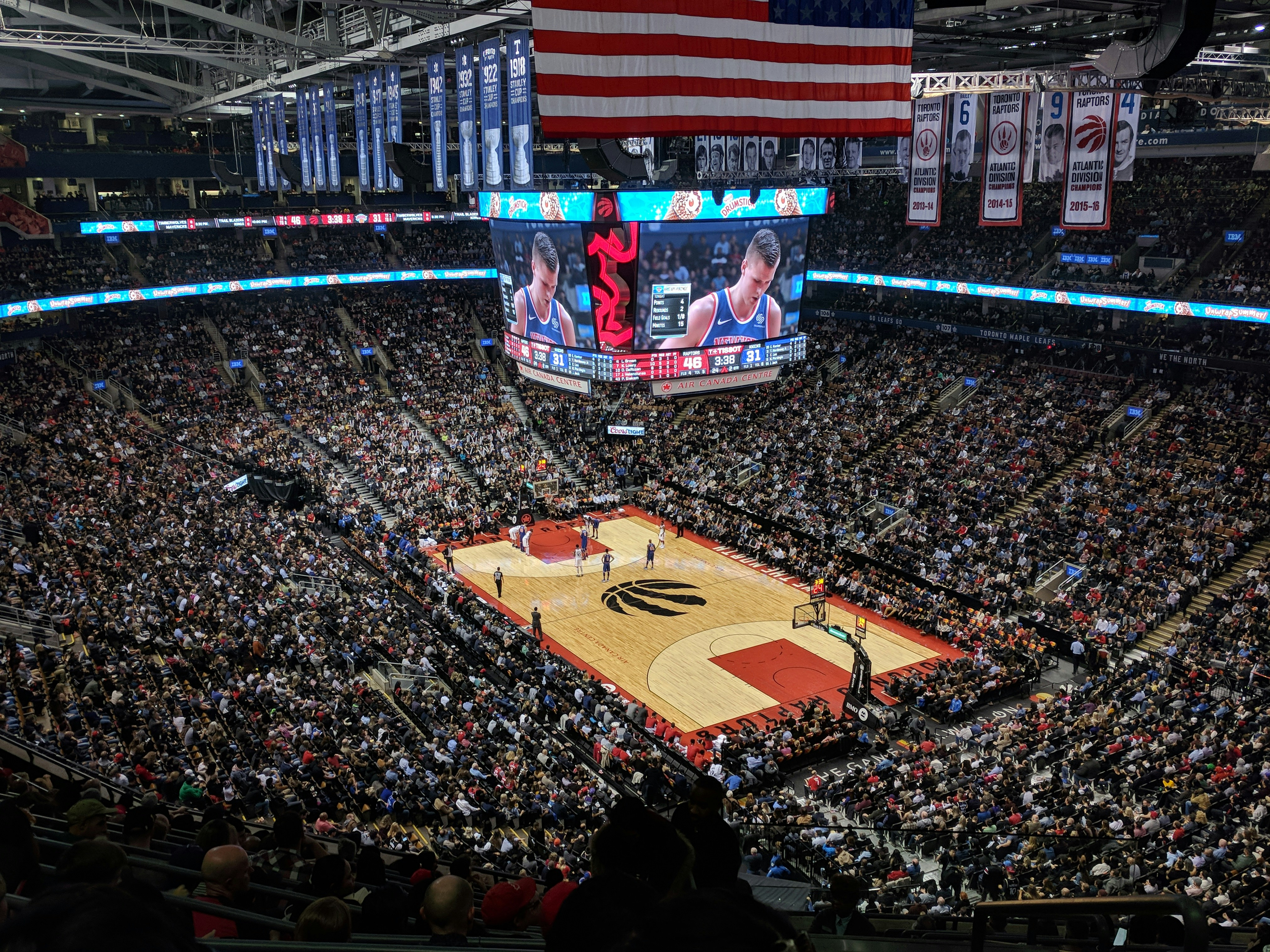
NBA 2026-27 schedule release: how local businesses can capture the ticket-buying surge
The NBA released the full 2026-27 regular season schedule on August 13, 2026. Teams from Orlando to Indiana, Washington, and Los Angeles published their schedules directly, while national outlets immediately highlighted key dates and marquee matchups.
For local businesses near NBA arenas, this is not just a basketball story. It is an operational planning signal.
Restaurants, bars, parking operators, hotels, and nearby service businesses now have a concrete calendar of home games. That calendar can shape staffing, reservations, inventory, and lead response for months. The schedule release may create a predictable wave of ticket-buying interest — and with it, a possible surge in game-day inquiries, reservation requests, and booking questions.
No source documents actual revenue lifts or foot-traffic numbers tied to specific games. But the schedule itself is proven and public. The business opportunity is preparation: using the newly released dates to build a response plan before demand arrives.
What the schedule release actually changes
The NBA published the 2026-27 regular season schedule on August 13, 2026. Multiple teams confirmed their schedules directly:
- The Orlando Magic released their 2026-27 regular season schedule.
- The Indiana Pacers announced their 2026-27 regular season schedule.
- The Washington Wizards announced their 2026-27 schedule.
- The Los Angeles Lakers announced their 2026-27 schedule.
National coverage from CBS Sports identified key dates and matchups, including games involving the Knicks, 76ers, Spurs, Thunder, LeBron James, and Giannis Antetokounmpo.
That means the dates are now fixed. Home games are no longer speculative. For a business near an arena, the schedule is a planning document as much as a sports calendar.
Why local businesses should treat the schedule as a lead-response trigger
The schedule release does not automatically create leads. But it creates the conditions where inquiries can rise.
When fans search for tickets, they also search for nearby places to eat, park, stay, or meet before and after games. Those searches can become reservation requests, parking questions, hotel booking inquiries, or event-related service requests.
The businesses most likely to see a possible demand shift include:
- Restaurants and bars within walking distance of the arena
- Parking lots and garages near game-day traffic
- Hotels serving visiting fans and teams
- Rideshare staging areas, valet services, and nearby retail
- Local service businesses that handle event-related logistics
The common thread is timing. Game-day demand is concentrated. Inquiries may arrive in bursts, often outside normal business hours or while staff are already busy.
How to prepare for a possible game-day demand surge
1. Map home games to your operating calendar
Start with the team schedule for your local arena. Identify:
- Weeknight games
- Weekend games
- Holiday games
- High-profile matchups likely to draw larger crowds
Not every game creates equal demand. A Tuesday night game against a lower-profile opponent may feel very different from a Saturday night game featuring a marquee player. Use the schedule to distinguish those scenarios.
2. Build a game-day response workflow before inquiries arrive
The most practical step is to decide now how your business will handle game-day inquiries.
For a restaurant or bar, that may mean:
- Confirming reservation availability for pre-game and post-game windows
- Preparing a short reply for large-party requests
- Setting expectations for walk-in wait times on high-demand nights
For a parking operator, it may mean:
- Clarifying event pricing and hours
- Preparing answers for advance parking reservations
- Explaining entry and exit procedures
For a hotel, it may mean:
- Confirming availability for specific game dates
- Preparing responses for late-night check-in questions
- Clarifying cancellation policies for event weekends
The goal is not to predict every question. It is to reduce the time between an inquiry and a useful response.
3. Acknowledge inquiries quickly, even when you cannot answer fully
Game-day inquiries often arrive when staff are busy or the business is closed. A fan may submit a reservation request at 10 p.m. or send a parking question on a Sunday afternoon.
A fast acknowledgment can prevent the inquiry from going cold. Even a simple automated text that says, "We received your request and will confirm availability shortly," keeps the conversation alive.
SecureMyLead is designed for this exact workflow. When a new lead arrives, it can send an automated SMS first response within seconds. That does not replace human judgment — someone still needs to confirm availability or answer the specific question. But it prevents the silence that often causes prospects to move on.
4. Prepare follow-up sequences for game-day leads
Not every inquiry converts on the first message. A fan may ask about a reservation, then wait to hear from friends. A parking customer may compare prices. A hotel guest may need to confirm travel plans.
A short follow-up sequence can keep the conversation moving without requiring manual reminders. For example:
- First message: immediate acknowledgment
- Second message: availability or pricing confirmation
- Third message: a gentle check-in if no response
SecureMyLead's default follow-up cadence is 1 hour, 1 day, 3 days, and 7 days. For game-day inquiries, that cadence can be adjusted to match the urgency of the event.
5. Use the schedule to plan staffing and capacity
The schedule is also a staffing tool. If a high-profile game falls on a Thursday, a restaurant can plan for additional coverage. A parking operator can confirm whether extra attendants are needed. A hotel can review front-desk coverage for late check-ins.
This is not about SecureMyLead. It is about using the schedule as a real operational input. The lead-response piece matters only after the operational plan exists.
What not to assume
The schedule release is proven. The business impact is not.
Do not assume every home game will create a measurable lead surge. Do not assume a specific revenue lift. Do not assume that fans will contact your business at all.
The responsible framing is preparation: if inquiries rise, your business should be ready to respond quickly and consistently. If they do not rise, the preparation costs little.
A simple game-day lead response plan
Here is a minimal plan a nearby business can implement before the season starts:
- Identify your highest-demand home games using the published schedule.
- Write a short first-response message for game-day inquiries.
- Define who owns follow-up when a lead arrives outside business hours.
- Set up automated acknowledgment so no inquiry sits unanswered.
- Review the plan after the first few home games and adjust.
This is not a complex system. It is a repeatable workflow that works for any future season or event-driven demand spike.
How SecureMyLead fits
SecureMyLead is not a ticket-sales tool or an event-management platform. It is the follow-up layer between a new inquiry and the human conversation.
When a game-day lead arrives — a reservation request, a parking question, a hotel booking inquiry — SecureMyLead can:
- Send an automated SMS first response within seconds
- Run a multi-step follow-up sequence
- Keep the conversation visible in a two-way dashboard
- Work on top of existing lead sources and CRMs
The business still owns the actual answer. SecureMyLead makes sure the inquiry does not disappear while the owner or team is busy.
Key takeaways
- The NBA released the 2026-27 regular season schedule on August 13, 2026.
- Multiple teams published their schedules directly, and national outlets identified key dates and matchups.
- Local businesses near arenas can use the schedule as a planning document for possible game-day demand.
- The business impact is not proven; preparation is the responsible framing.
- A fast first response and consistent follow-up can help capture inquiries that arrive in bursts or outside business hours.
- SecureMyLead supports the follow-up layer without replacing human judgment or operational planning.
FAQ
Did the NBA really release the 2026-27 schedule on August 13, 2026?
Yes. Multiple NBA teams published their 2026-27 regular season schedules on August 13, 2026, and national outlets covered the release.
Will local businesses definitely see more leads because of the schedule?
No. The schedule release is proven, but the business impact is not documented. Businesses should prepare for a possible demand shift rather than assume a guaranteed surge.
What types of businesses are most likely to benefit?
Restaurants, bars, parking operators, hotels, and nearby service businesses that serve game-day crowds are the most natural fit.
Does SecureMyLead sell tickets or manage events?
No. SecureMyLead is a lead-follow-up automation tool. It helps businesses respond to inquiries quickly and follow up consistently.
What is the first step a local business should take?
Map the published home-game schedule to your operating calendar, then build a simple response workflow for game-day inquiries.
Related reading
- How busy business owners can follow up with every lead without extra work
- After-hours lead response: how to win jobs while you sleep
- How to build a lead follow-up system that runs automatically
- Best lead response templates for service businesses
Get started free with SecureMyLead and make sure game-day inquiries never sit unanswered.