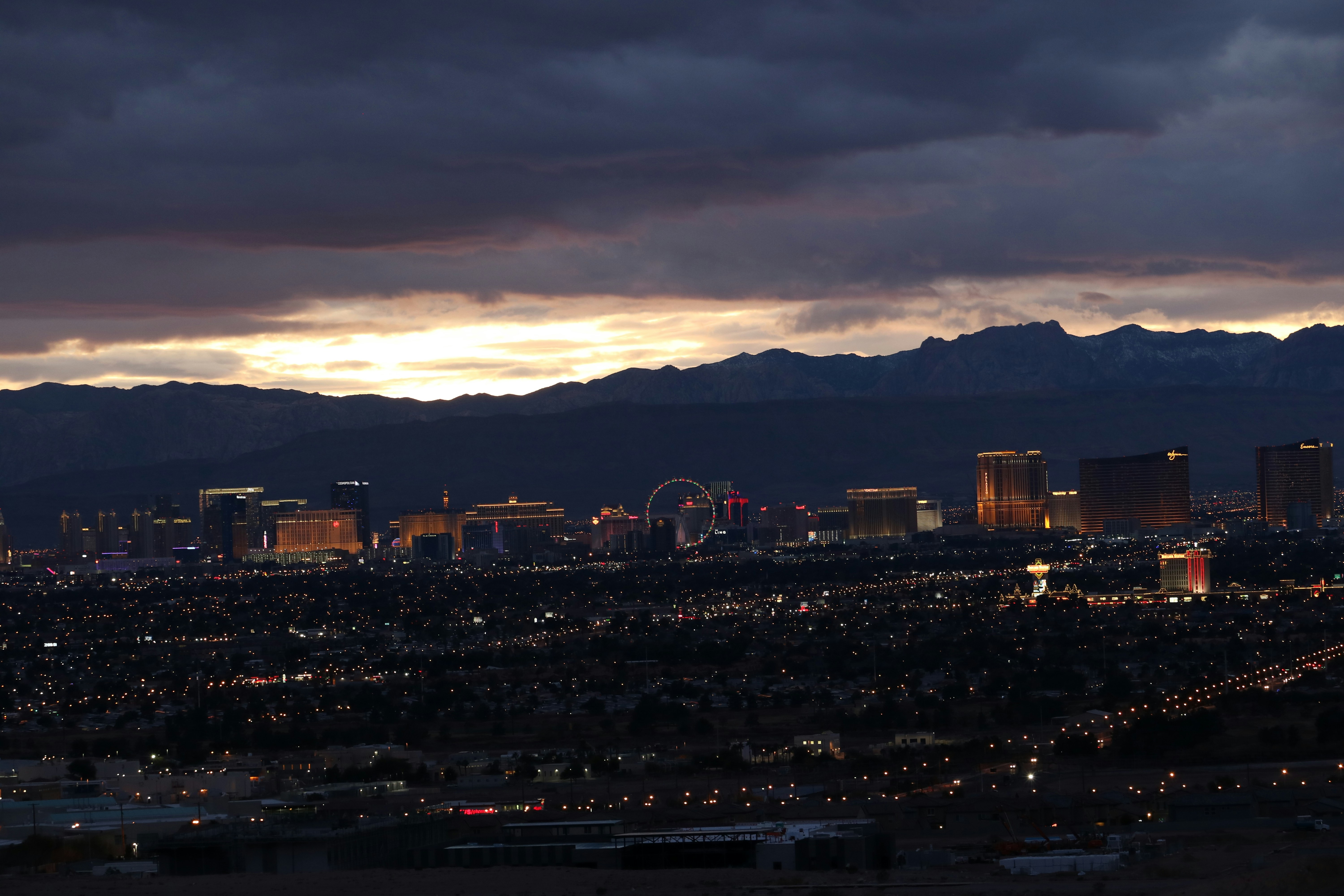
Las Vegas Monsoon Storm Response Playbook for Restoration and Roofing Companies
Monsoon storms are hitting parts of Las Vegas with flash flooding and dangerous weather, and local news and the National Weather Service are documenting the risks as they develop. For restoration and roofing companies, that kind of weather can create a sudden wave of calls, form submissions, and urgent messages from homeowners worried about water intrusion, roof damage, or flooding.
This playbook is for the Las Vegas home service businesses that need to handle that possible surge without letting high-intent leads slip through the cracks. It covers how to prepare for monsoon-driven demand, how to prioritize incoming storm damage inquiries, what to say in the first response, and how to keep follow-up moving when your team is already stretched.
What the current Las Vegas monsoon activity means for home service businesses
The Las Vegas Review-Journal reported that monsoon storms could bring wet weather to the area, with the National Weather Service tracking conditions that include flash flooding potential. Yahoo News also highlighted dangerous heat and wildfire concerns tied to the broader weather pattern.
For local restoration and roofing companies, the operational risk is not just the storm itself. It is the mismatch between a sudden spike in inbound inquiries and a team that is already busy with existing jobs, estimates, or emergency calls.
The research does not document a specific number of affected homes or a measured increase in service requests. But the pattern is familiar to any contractor who has worked through monsoon season: a storm moves through, water finds its way into a home or commercial building, and the property owner starts searching for someone who can respond now.
That means the businesses that win the work are usually not the ones with the biggest ad budget. They are the ones that acknowledge the inquiry fastest, ask the right qualifying questions, and keep following up when the homeowner is still deciding.
How to prepare for a monsoon-driven lead surge before the next storm hits
You do not need to wait until your phone starts ringing to build a response system. A few operational steps taken before the next storm can make the surge manageable.
1. Create a simple triage path for storm damage inquiries
Not every monsoon-related lead has the same urgency. A homeowner with water actively entering the house needs a different response than someone asking for a roof inspection next week.
A basic triage path might look like this:
- Active water intrusion or visible roof damage — respond immediately, ask if the homeowner has shut off water or power if it is safe to do so, and get a technician or estimator on the phone.
- Possible storm damage but no active emergency — acknowledge quickly, ask for photos or a description of the issue, and schedule an inspection.
- General estimate or future project request — confirm receipt, set expectations for timing, and enter the lead into a normal follow-up sequence.
The key is that every lead gets some kind of response. The urgency level changes the response, not whether you respond.
2. Write your first-response messages before the storm
When volume spikes, you will not have time to compose thoughtful messages from scratch. Pre-written templates for the most common monsoon scenarios can keep your response fast and consistent.
For example, a first response to a water intrusion inquiry might be:
"Hi [Name], this is [Company]. We received your message about water coming into your home. Are you safe right now? If there is standing water near electrical outlets or appliances, do not enter that area. We can have someone call you back in the next few minutes to talk through next steps."
A first response to a roof inspection request might be:
"Hi [Name], this is [Company]. We got your request for a roof inspection after the storm. We are working through a high volume of calls right now, but we have your information and will contact you today to schedule a time. If you are seeing active leaking, reply URGENT and we will prioritize your call."
These are not scripts to copy word-for-word for every business. But they show the right structure: acknowledge the lead, address immediate safety if relevant, and set a clear expectation for what happens next.
3. Decide who owns the response
In a surge, leads can fall through the cracks because everyone assumes someone else is handling them. Before the storm, decide who is responsible for:
- monitoring new form submissions and missed calls
- sending the first acknowledgment
- answering qualifying questions
- scheduling inspections or estimates
- following up with leads that have not responded
For a small team, one person may own several of these steps. The important part is that the ownership is explicit, not assumed.
How to prioritize storm damage leads without ignoring the rest of your pipeline
When monsoon-related inquiries spike, it is tempting to focus only on the newest, most urgent leads and let everything else wait. That can work for a few hours, but it creates a backlog that hurts you later.
A more sustainable approach is to separate triage from follow-up.
Triage happens in the first few minutes
The goal of triage is to identify which leads need human attention now and which can wait. You do not need a full qualification conversation. You need enough information to make a routing decision.
Useful triage questions for storm damage leads:
- Is water actively entering the property right now?
- Is there visible roof damage, or is the homeowner unsure?
- Has the homeowner contacted their insurance company yet?
- Is the property safe to occupy?
- What is the homeowner's preferred contact method and timing?
Follow-up happens over hours and days
Not every storm damage lead will book immediately. Some homeowners need to talk to their insurance company first. Some are waiting to see if the damage gets worse. Some are comparing multiple contractors.
That is where a follow-up sequence becomes valuable. A simple cadence might be:
- Immediate — first acknowledgment and triage question
- 1 hour later — if no response, a short check-in
- 1 day later — ask if the homeowner has any updates or new photos
- 3 days later — offer to answer insurance-related questions or schedule an inspection
- 7 days later — final check-in and a clear path to re-engage if the situation changes
The exact timing depends on the lead type and urgency. But the principle is the same: the first response wins attention, and the follow-up wins the job.
What to say when a homeowner is worried about storm damage
Monsoon damage inquiries are emotionally charged. The homeowner may be dealing with water in their home, a damaged roof, or uncertainty about what their insurance will cover. The way you communicate in the first few messages shapes whether they trust you enough to move forward.
Lead with safety, not sales
If a homeowner says water is entering the home, your first message should not be about your inspection fee or your availability next week. It should address the immediate situation.
That does not mean you need to give emergency instructions beyond your expertise. But you can ask whether the homeowner is safe, suggest they avoid standing water near electrical sources, and let them know you are getting someone on the phone.
Be specific about what happens next
Vague promises like "we will get back to you soon" create anxiety. Specific commitments like "I will have an estimator call you within 30 minutes" or "we will text you a link to upload photos" give the homeowner something concrete to hold onto.
Do not overpromise
It is tempting to tell a worried homeowner that you can be there immediately. But if your team is already booked, that promise will backfire. It is better to be honest about timing and offer the fastest realistic option.
How to keep follow-up consistent when your team is overwhelmed
The biggest operational risk during a monsoon surge is not the first response. It is the follow-up.
A homeowner may submit a form, get a quick acknowledgment, and then hear nothing for three days because your team got pulled onto emergency calls. By the time you circle back, the homeowner has hired someone else.
This is where automation becomes operationally useful. A system that automatically sends the first acknowledgment and then continues the follow-up sequence can keep leads warm even when your team is unavailable.
For example, a restoration company could set up a workflow like this:
- A new lead arrives from a website form or missed call.
- The system sends an immediate text acknowledging the inquiry and asking a triage question.
- If the lead replies, a team member takes over the conversation.
- If the lead does not reply, the system sends a follow-up message a few hours later.
- The sequence continues until the lead books, opts out, or the workflow ends.
The human team still owns the actual conversation and the scheduling. But the automation handles the repetitive part: making sure no lead sits unanswered.
SecureMyLead is built for exactly that layer. It sits between your lead source and your human team, sending the first text in seconds and running follow-up sequences so a busy day on a job site does not turn into a lost opportunity.
Common mistakes Las Vegas home service businesses make during monsoon surges
1. Treating every lead as an emergency
Not every storm-related inquiry needs an immediate technician. Some homeowners just want an inspection or a quote. If you treat every lead as urgent, you will exhaust your team and delay the leads that actually need fast attention.
2. Letting non-storm leads go dark
A monsoon surge does not mean your regular pipeline stops mattering. If you ignore non-storm leads for a week, you will pay for it later with a dry pipeline. A simple acknowledgment and a note about timing can keep those leads warm while you handle the surge.
3. Waiting until the storm passes to build a response system
By the time the storm hits, it is too late to write templates, decide ownership, or set up automation. The businesses that handle surges well are the ones that prepared before the first drop of rain.
4. Relying on memory instead of a system
When volume spikes, memory fails. A lead that was "going to be called back" gets forgotten. A follow-up that was "on the list" never happens. A system — even a simple one — is more reliable than a busy owner's memory.
A simple monsoon response checklist
Use this as a starting point before the next storm:
- [ ] Confirm who monitors new leads during and after storms
- [ ] Write first-response templates for active water intrusion, possible roof damage, and general estimates
- [ ] Create a triage path that separates urgent from non-urgent inquiries
- [ ] Set up an automated first response so no lead waits
- [ ] Build a follow-up sequence for leads that do not book immediately
- [ ] Prepare a short list of insurance-related questions homeowners commonly ask
- [ ] Decide how non-storm leads will be acknowledged during the surge
- [ ] Review your current lead sources and make sure they all route to the same response system
Key takeaways
- Monsoon storms in Las Vegas can create a sudden spike in restoration and roofing inquiries, but the specific volume is not documented in current reporting.
- The businesses that win storm-related work are usually the ones that respond fastest and follow up most consistently.
- Triage is not the same as follow-up. Separate the urgent routing decision from the longer nurturing sequence.
- Pre-written templates and clear ownership make a surge manageable without adding staff.
- Automation can handle the repetitive acknowledgment and follow-up work, but human judgment still owns the actual conversation and scheduling.
- Prepare before the storm. The businesses that wait until the phone rings are already behind.
FAQ
What should a Las Vegas roofing company do first when monsoon damage leads start coming in?
Acknowledge every lead quickly, even if you cannot schedule immediately. Ask whether there is active leaking or visible damage, and route urgent cases to a human team member. For non-urgent leads, set a clear expectation for when you will follow up.
How fast should restoration companies respond to storm damage inquiries?
The research does not establish a universal benchmark for this specific event. But the general principle is that faster acknowledgment reduces the chance the homeowner moves on to another contractor. An immediate automated text can buy time for a human team member to take over.
Should I prioritize storm damage leads over my regular pipeline?
Prioritize urgent storm damage leads for immediate triage, but do not let your regular pipeline go dark. A simple acknowledgment for non-storm leads can keep them warm while you handle the surge.
What if I cannot handle the volume of monsoon leads?
Be honest about timing rather than overpromising. Use automation to handle first responses and follow-up sequences, and route only the leads that need human judgment to your team. That keeps the pipeline moving without requiring more staff.
Does SecureMyLead replace my team during a storm surge?
No. SecureMyLead handles the repetitive acknowledgment and follow-up work, but your team still owns the actual conversation, triage, scheduling, and emergency judgment.
Related reading
- How to follow up with home service leads automatically: a practical playbook
- Automated lead follow-up systems for contractors (complete guide)
- Estimate follow-up text templates for contractors (copy, paste, and book more jobs)
- After-hours lead response: how to win jobs while you sleep
Get started free
If monsoon surges are exposing gaps in your lead response, SecureMyLead can help you send the first text in seconds and keep follow-up moving even when your team is on a job site. Get started free — no credit card required.