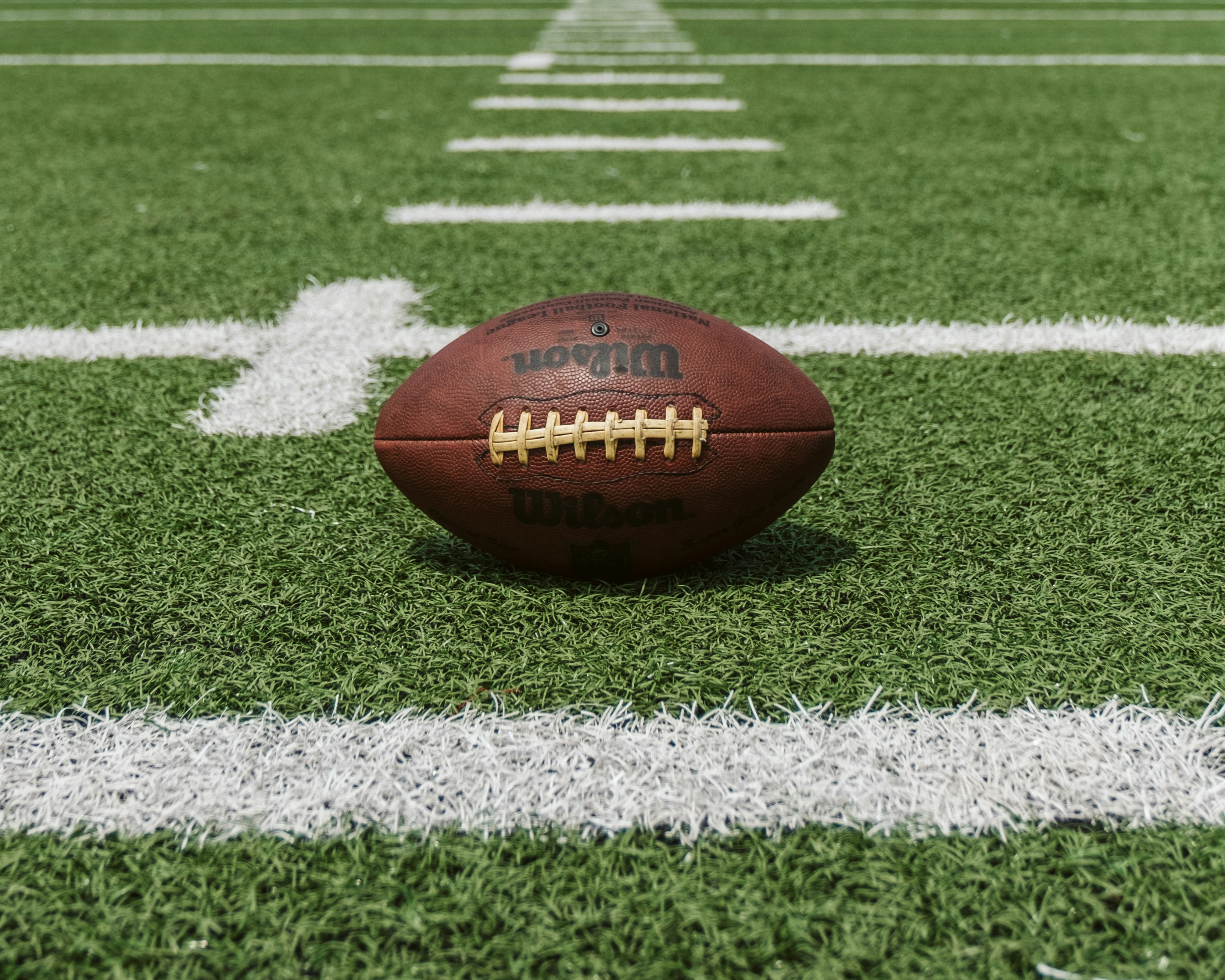
NFL Preseason Week 1 Lead Surge: What Local Businesses Can Learn from Game-Day Demand
NFL preseason Week 1 is generating major national search interest, with games scheduled across the country. For local businesses near stadiums, sports bars, restaurants, food delivery services, parking operators, and transportation providers, that attention can translate into a sudden wave of inquiries — often compressed into a few hours before kickoff.
The businesses that capture those inquiries are usually the ones that already have a response workflow in place. The ones that miss them are often busy serving customers, managing staff, or simply away from the desk when the first text or form submission arrives.
This article is a practical playbook for preparing for event-driven demand spikes, using NFL preseason Week 1 as a timely example. It focuses on lead capture, instant response, and follow-up workflows that work during high-traffic periods — without assuming every business will benefit equally or that any tool can guarantee results.
Why NFL Preseason Week 1 Creates Localized Demand
NFL preseason Week 1 is happening now, with multiple games scheduled across the US. According to the NFL's official preview, the week includes several matchups worth watching, and CBS Sports has published a full schedule with one reason to watch each game.
That national attention creates localized demand patterns:
- Bars and restaurants near stadiums or in popular viewing areas may see more reservation requests, large-party inquiries, and questions about game-day specials.
- Food delivery services may see a spike in orders during pregame and halftime windows.
- Parking operators near venues may receive more inquiries about availability, pricing, and reservations.
- Transportation providers — rideshare drivers, shuttle services, limo companies — may see more booking requests for game-day travel.
- Home-service businesses may see a secondary effect: people hosting watch parties may suddenly need cleaning, catering, or last-minute repairs.
The key word is may. The research proves that the games are happening and that search interest is high. It does not prove that any specific local business is experiencing a measurable lead surge. That distinction matters because it changes how you should prepare.
What Event-Driven Demand Actually Looks Like for a Local Business
A sudden demand spike rarely announces itself. It shows up as:
- Several form submissions arriving within the same hour
- Missed calls while you're helping another customer
- Text messages asking the same question from multiple people
- Quote requests that mention the event explicitly
- Inquiries that arrive after hours, when no one is monitoring the inbox
For a small team, this is operationally difficult. The owner or manager is often the person answering the phone, serving customers, and trying to keep the operation running. When five inquiries arrive in twenty minutes, some of them will wait.
That waiting period is where opportunities disappear. A prospect who asks about a table for six may contact three other restaurants. A parking inquiry may go to a competitor who answers first. A delivery order may be placed elsewhere before you even see the request.
None of this is guaranteed. But the pattern is common enough that businesses near major events should prepare for it.
A Practical Preparation Playbook for Event-Driven Demand
Here is a concrete workflow you can use before, during, and after a major local event like NFL preseason Week 1.
Before the event: set up your capture and response layer
- Identify your likely inquiry channels. Will people call, text, submit a website form, message you on social media, or use a third-party booking platform? Know where the inquiries will come from.
- Create a simple acknowledgment message. It doesn't need to be long. Something like: "Thanks for reaching out to [Business Name]. We received your message and will get back to you shortly with availability." This sets expectations and keeps the lead warm.
- Decide who owns the response. If you have a team, assign one person to monitor inquiries during the event window. If you're a solo operator, acknowledge that you may not be able to answer every inquiry immediately — and plan for that.
- Set up an automated first response. This is where a tool like SecureMyLead can help. It sends a text within seconds of a lead arriving, so the prospect gets an immediate acknowledgment even when you're busy. The human follow-up can happen later, but the first touch is already done.
- Prepare your follow-up sequence. If someone asks about game-day availability and you don't respond for an hour, they may have already booked elsewhere. A short follow-up sequence — for example, a text after one hour, another the next morning — keeps the conversation alive without requiring manual effort.
During the event: protect your response time
- Keep your phone accessible. If you're on the floor, designate someone to watch the dashboard or inbox.
- Use short, specific replies. "We have a table for six at 6:30 PM. Want me to hold it?" is better than a generic "Thanks for your inquiry."
- Don't let after-hours inquiries sit. If the event runs late, set up an automated acknowledgment so late-night inquiries get a response even when you're asleep.
After the event: follow up and capture future demand
- Follow up with everyone who didn't book. A simple text the next day — "Hope you enjoyed the game. If you're still looking for a spot for next week, let me know" — can recover leads that went cold.
- Log the demand pattern. Did most inquiries arrive two hours before kickoff? The day before? Knowing this helps you prepare for the next event.
- Reuse the workflow. The same preparation applies to regular-season games, concerts, festivals, and any other local event that creates a demand spike.
Why Speed Matters More During Event-Driven Spikes
During a normal week, a lead might wait a few hours without much consequence. During an event-driven spike, the window is much shorter.
A prospect looking for a game-day table at 5:00 PM is not going to wait until 7:00 PM for a response. They'll move on. The same applies to parking, transportation, and delivery inquiries.
This is not a claim about specific conversion rates. It's a simple operational reality: when demand is compressed into a short window, the businesses that respond first have a better chance of capturing that demand.
SecureMyLead's core value is reducing the gap between lead arrival and first response. It sends an automated text within seconds, so the prospect gets an acknowledgment even when you're busy. That doesn't guarantee a booking — but it does prevent the lead from sitting unanswered while competitors respond.
What SecureMyLead Can and Cannot Do
It's important to be clear about what automation does and doesn't solve.
SecureMyLead can:
- Send an automated first text within seconds of a lead arriving
- Run multi-step follow-up sequences so leads don't go cold
- Send renewal reminders and reactivation campaigns
- Work on top of your existing lead sources and CRMs
- Provide two-way messaging so you can reply from a dashboard
SecureMyLead cannot:
- Predict how many leads you'll receive
- Manage your event capacity automatically
- Guarantee that a lead will book with you
- Replace human judgment about which leads are urgent
- Dispatch staff or manage scheduling
The goal is operational readiness, not magic. Automation handles the repetitive first touch and follow-up so you can focus on serving customers and making decisions.
A Realistic Scenario: A Sports Bar During Preseason Week 1
Imagine a sports bar two miles from a stadium hosting a preseason game. Kickoff is at 7:00 PM.
At 4:30 PM, the bar receives three inquiries within fifteen minutes:
- A text asking if they're showing the game with sound
- A website form requesting a table for eight
- A phone call that goes to voicemail because the manager is prepping the kitchen
Without automation, all three inquiries wait. The manager checks the phone at 5:15 PM, sees the messages, and starts responding. By then, the table for eight has booked elsewhere, and the texter has already chosen another bar.
With SecureMyLead, each inquiry receives an automated acknowledgment within seconds. The manager sees the dashboard when they have a moment, replies with specific availability, and the follow-up sequence keeps the conversation moving. The outcome isn't guaranteed — but the bar is in the conversation instead of being eliminated by silence.
This is a hypothetical example. It illustrates the workflow, not a measured result.
Common Mistakes to Avoid During Event-Driven Demand
- Assuming the phone will ring and you'll answer it. During a rush, you won't. Plan for missed calls.
- Waiting until the event starts to prepare. The time to set up your response workflow is before the inquiries arrive, not during the spike.
- Sending generic follow-ups. "Thanks for your interest" is not useful. Reference the event, the specific inquiry, and the next step.
- Ignoring after-hours inquiries. Many event-related inquiries arrive late at night or early in the morning. If you don't have an automated acknowledgment, those leads go cold.
- Treating every event as a one-off. The same workflow applies to regular-season games, concerts, festivals, and other local demand spikes. Build it once and reuse it.
Key Takeaways
- NFL preseason Week 1 is generating national search interest and localized demand for hospitality, food, parking, and transportation businesses.
- Event-driven demand spikes compress the response window — inquiries that arrive during a rush are more likely to go to the first responder.
- Preparation matters more than reaction. Set up your capture channels, acknowledgment messages, and follow-up sequences before the event.
- Automation like SecureMyLead can send an instant first response and keep follow-up consistent, but it doesn't guarantee bookings or manage capacity.
- The same workflow applies to any local event that creates a demand spike, making it a durable operational asset.
FAQ
Is NFL preseason Week 1 actually creating a lead surge for local businesses?
The research proves that the games are happening and that search interest is high. It does not prove that specific businesses are experiencing measurable lead surges. However, the demand pattern is plausible for businesses near stadiums and viewing areas, and preparation is reasonable.
What types of businesses are most likely to see event-driven demand?
Bars, restaurants, food delivery services, parking operators, transportation providers, and home-service businesses near stadiums or popular viewing areas are the most likely candidates. The effect varies by location and business type.
How fast should I respond to event-related inquiries?
As fast as possible. During a compressed demand window, prospects are more likely to contact multiple businesses and choose the first one that responds. An automated first response can help even when you're busy.
Can SecureMyLead predict how many leads I'll receive?
No. SecureMyLead automates response and follow-up, but it does not predict demand or manage capacity. You should prepare operationally based on your own knowledge of local events and past patterns.
Does automation guarantee more bookings?
No. Automation reduces the chance that a lead sits unanswered, but it does not guarantee conversion. Human follow-up, availability, pricing, and service quality still matter.
Related Reading
- How to Follow Up with Leads Using Text Message (Proven Scripts)
- How Fast Booking Gives You an Unfair Advantage Over Competitors
- After-Hours Lead Response: How to Win Jobs While You Sleep
- How to Build a Lead Follow-Up System That Runs Automatically
Get Started Free
If event-driven demand is a recurring challenge for your business, SecureMyLead can help you respond to new leads within seconds and keep follow-up consistent — without adding manual work to your team.
Get started free — no credit card required.