King Tide Flooding: A Lead-Response Plan for Restoration and Home-Service Businesses
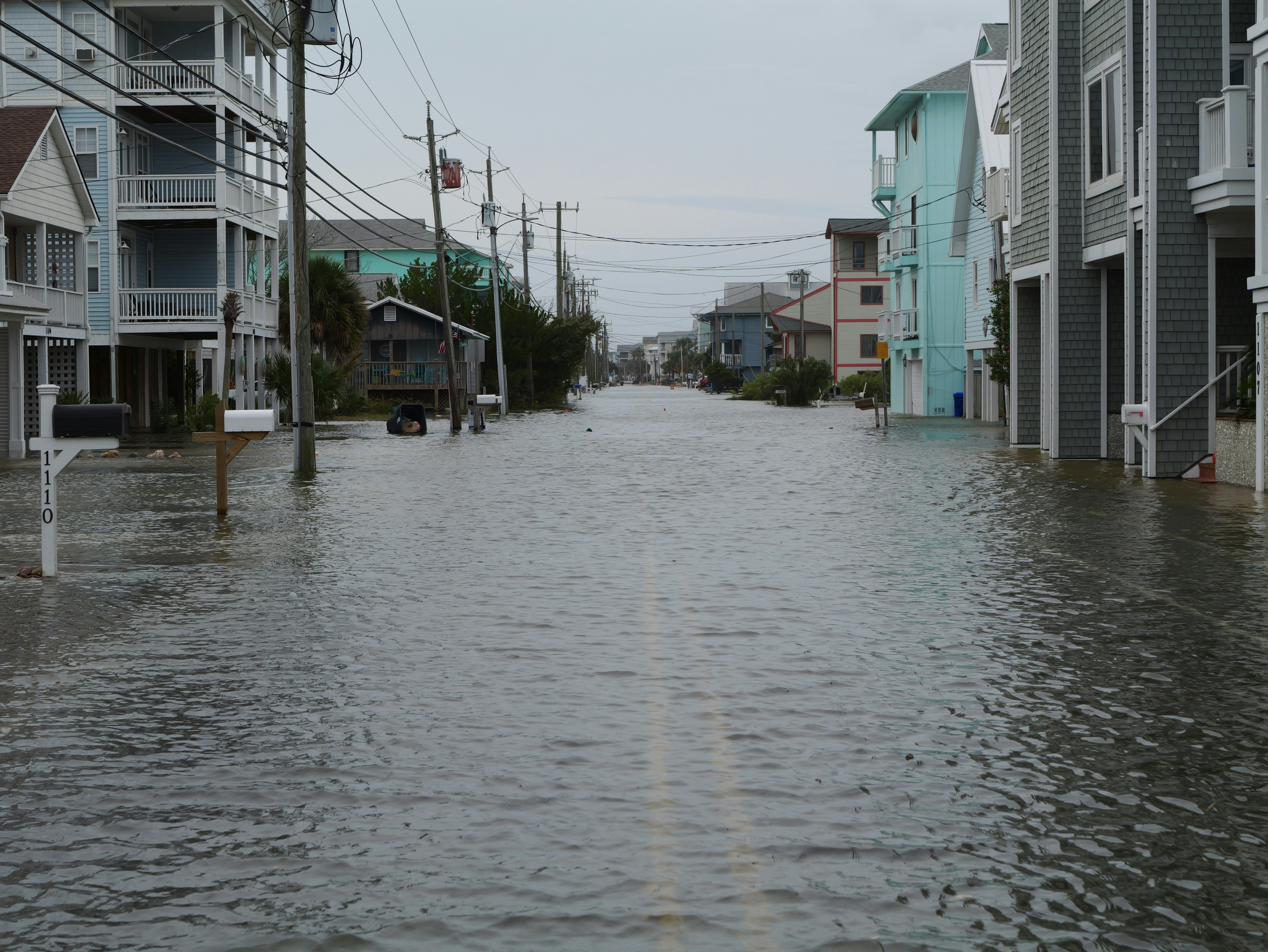
King tides and strong coastal surf can create difficult conditions for property owners—and an operational challenge for local service businesses. The Associated Press recently reported king tides inundating streets and flooding homes and businesses along both U.S. coasts. In Jupiter, Florida, WPTV reported that strong surf damaged the Jupiter Civic Center and forced its closure while crews worked to protect the building.
These events do not prove that restoration, plumbing, electrical, cleanup, or repair businesses are experiencing a measured surge in leads. But they are a practical reason to prepare: if flood-related inquiries increase, your team needs a clear way to acknowledge people, collect the right details, set honest expectations, and route each request to a human who can assess it.
This is not emergency dispatch guidance. If an inquiry describes immediate danger or someone needing emergency assistance, direct them to appropriate local emergency services or qualified professionals before discussing service availability.
Table of contents
- Start with safety, not sales
- Build a king tide inquiry workflow
- What to ask before promising an appointment
- SMS templates for coastal flooding inquiries
- Set capacity expectations without losing the lead
- Keep follow-up moving while crews are occupied
- A simple readiness checklist
- How SecureMyLead fits into the workflow
- FAQ
Start with safety, not sales
A flooded-property inquiry is not always a standard quote request. A homeowner may be stressed, unable to access part of the property, or unsure whether the problem requires an immediate professional response.
Your first-response workflow should make one distinction clear:
- Potential emergency or immediate safety concern: Direct the person to appropriate local emergency services or qualified professionals. Do not use an automated text to diagnose the situation, determine severity, or promise a crew response.
- Service request: Gather enough information for a trained team member to decide on next steps, such as an inspection request, water-removal request, cleanup inquiry, plumbing concern, electrical repair inquiry, or property-protection work.
- Non-urgent follow-up: Handle estimate scheduling, availability questions, documentation requests, and later repair work after the immediate situation has been reviewed by the right person.
That distinction protects your team from treating every inbound message as interchangeable. It also makes your customer communication calmer and more useful.
Build a king tide inquiry workflow
When coastal flooding is affecting your service area, the goal is not to promise every caller an immediate appointment. The goal is to prevent valid inquiries from sitting unanswered while your owner, dispatcher, or field crews are busy.
A workable response flow has five stages.
1. Acknowledge the inquiry quickly
An acknowledgment should confirm that the message was received and explain what happens next. It should not imply that you have assessed the property or dispatched anyone.
For example:
Thanks for contacting [Business Name]. We received your flooding-related service request. If anyone is in immediate danger, please contact local emergency services. For service assistance, reply with your address, the type of issue, and the best phone number to reach you.
This gives the person a next action and begins collecting information without overpromising.
2. Capture the location first
During localized coastal flooding, location changes everything. Roads, neighborhoods, access conditions, and your actual service area may affect what your team can reasonably offer.
Collect:
- Street address and ZIP code
- Whether the property is residential or commercial
- Best callback number
- Whether the customer can safely access the property
- A brief description of the requested service
Do not tell a lead that a crew is on the way until a human has confirmed availability, access, and fit.
3. Classify the request by service type
Create simple intake labels your team can understand at a glance. For example:
| Request type | Example customer need | Suggested owner |
|---|---|---|
| Water removal or cleanup | “Water came into the garage.” | Restoration or cleanup coordinator |
| Plumbing concern | “Water is backing up through a drain.” | Licensed plumbing team |
| Electrical concern | “We need an electrician to inspect damage.” | Qualified electrical professional |
| Inspection or repair request | “Can someone assess damage and quote repairs?” | Estimator or field supervisor |
| Property-protection inquiry | “Can you help protect the building?” | Operations lead or appropriate trade team |
| Availability-only inquiry | “Are you open?” | Office team or owner |
The labels are not diagnoses. They are a way to route the conversation to the person who can make an informed decision.
4. Assign a human owner
Every active request needs one accountable person, even if that person is only responsible for updating the customer on next steps.
A simple internal note can be enough:
- Owner: Jamie
- Status: Waiting on address and photos
- Next action: Call by 3:00 p.m.
- Service category: Cleanup/inspection
- Availability communicated: No appointment promised
Without ownership, several people may assume someone else responded—or everyone may respond with conflicting information.
5. Confirm the next step honestly
After the relevant team member reviews the request, send a specific next step:
- “We can call you today to discuss the request.”
- “We need photos before we can determine whether an inspection is appropriate.”
- “Our next available assessment window is [window].”
- “We are reviewing access conditions and will update you by [time].”
Avoid vague responses such as “We’ll get someone out ASAP” when your actual schedule or access conditions are uncertain.
For more ideas on building repeatable lead handling, see how to follow up with home service leads automatically.
What to ask before promising an appointment
A short intake process can help your team prioritize a callback or inspection without turning a text thread into a remote assessment.
Ask for details that directly affect routing and scheduling:
- Where is the property? Request the street address and ZIP code.
- What type of property is it? Residential, rental, business, or other commercial property may require different contacts and scheduling.
- What service does the customer believe they need? Let them describe the issue in their own words: cleanup, water removal, plumbing, electrical work, inspection, repairs, or protection.
- When did they notice the issue? This gives context without asking your team to make conclusions by text.
- Can they send photos or a short description? Photos may help your trained staff determine what follow-up is appropriate. They do not replace a professional assessment.
- What is the best number and time to call? A clear callback preference is especially useful when field crews cannot immediately take a long phone conversation.
Keep the first message focused. A customer dealing with water or property damage may not answer a 12-question form immediately.
SMS templates for coastal flooding inquiries
Use these only with recipients who have provided appropriate consent to receive SMS. Customize them to your services, coverage area, and actual availability.
Initial acknowledgment
Hi [First Name], this is [Business Name]. We received your request about a possible flooding-related service need. If there is immediate danger, please contact local emergency services. For service assistance, reply with the property address, a brief description of the issue, and the best number to call.
Location and service-details request
Thanks, [First Name]. To route this correctly, please send the property address and let us know whether you need cleanup, water removal, a repair inspection, plumbing help, electrical work, or another service. A team member will review the details and follow up.
Availability update when the schedule is uncertain
Hi [First Name], we have your request and are reviewing availability and access conditions for your area. We have not scheduled a visit yet. We’ll update you by [time/date] with the next available step.
Assessment or estimate scheduling message
Hi [First Name], [Business Name] can offer an assessment window on [day/time window]. Please reply YES if that works, or send another preferred time. Final service recommendations depend on a qualified review of the property.
No-response follow-up
Hi [First Name], following up on your request to [Business Name]. If you still need help with the property at [address/neighborhood], reply with the best callback time and a short description of the service you need. Reply STOP to opt out.
Request that is outside your current capacity
Hi [First Name], thank you for contacting [Business Name]. We are unable to confirm service availability for your request at this time. If your situation involves immediate danger, please contact appropriate local emergency services or a qualified professional. If you would like, reply with your address and service need and we can confirm whether a later assessment is possible.
For broader first-response examples, use the service-business lead response templates as a companion resource.
Set capacity expectations without losing the lead
Coastal flooding conditions can change quickly. Your available crew time, travel routes, equipment, and service boundaries may change during the same day.
That means availability language matters.
Say what you know
Good:
- “We can review your details today.”
- “Our next assessment window is tomorrow afternoon.”
- “We are confirming access conditions before offering an appointment.”
- “A qualified team member will call you by 4:00 p.m.”
Less useful:
- “We’ll be right there.”
- “We can handle it.”
- “You’re on the list.”
The first group gives the customer a dependable next step. The second creates expectations your team may not be able to meet.
Separate response speed from service promises
A quick acknowledgment is valuable because it tells the customer their request was received. It does not need to promise an inspection, dispatch, repair, or booking.
This is particularly important when your owner is in the field, your team is handling existing jobs, or conditions affect travel. A fast text can hold the conversation open while a human reviews what is actually possible.
Keep follow-up moving while crews are occupied
If coastal conditions create more inquiries than usual, the leads most likely to be missed are not always the first ones. They are the people who reply later with an address, submit a form after hours, ask about an estimate, or stop responding after your initial text.
Create a modest follow-up plan for requests that are not emergencies:
- Immediately: Acknowledge the inquiry and request core details.
- After details arrive: Assign an owner and state the next update time.
- If the customer does not reply: Send one concise follow-up asking whether they still need assistance.
- After an assessment or quote conversation: Confirm the next decision point, such as scheduling, documentation, or a callback.
- When capacity changes: Update waiting leads instead of leaving them to guess.
Avoid using a generic promotional sequence during a flooding-related event. A standard “Ready to book?” text can sound tone-deaf when the customer is seeking help with a property problem. Make your messages factual, short, and tied to the current stage of the request.
For a broader framework on handling inquiries when nobody can immediately answer the phone, read after-hours lead response: how to win jobs while you sleep.
A simple readiness checklist
Before the next king tide, strong-surf period, or coastal flooding event affects your area, review this list.
- [ ] Confirm who monitors new calls, forms, and text replies after hours.
- [ ] Create an acknowledgment message that does not promise dispatch or assessment.
- [ ] Decide which details your team needs before offering an appointment.
- [ ] Define service categories and the person responsible for each.
- [ ] Confirm your current service-area boundaries and escalation contacts.
- [ ] Set realistic appointment language for busy or uncertain conditions.
- [ ] Prepare a response for requests that exceed capacity.
- [ ] Review the follow-up process for leads that send details later.
- [ ] Ensure SMS recipients have given appropriate consent.
- [ ] Make sure staff know that automated messages do not replace human judgment or qualified property assessment.
How SecureMyLead fits into the workflow
SecureMyLead can support the follow-up portion of this plan by sending an immediate SMS acknowledgment when a new lead arrives and continuing a configured follow-up sequence when appropriate. That can help your business keep non-emergency inquiries from sitting unanswered while your team is on jobs or handling active customer conversations.
It is not an emergency triage, dispatch, assessment, scheduling, or capacity-management system. Your team should review incoming details, decide whether your business can help, and communicate the real next step.
If you use automated SMS, write messages that fit the situation, use only for contacts with appropriate consent, and make sure a team member monitors replies. SecureMyLead recognizes common opt-out keywords, but the business remains responsible for lawful messaging practices.
Get started free to build a more consistent lead-response workflow before a busy period catches your team off guard.
Key takeaways
- King tides and strong surf can create property-impact conditions, but they do not automatically prove a local lead surge.
- Prepare for the possibility of more inquiries by separating safety concerns from routine service requests.
- Acknowledge requests quickly without promising a dispatch, inspection, or booking you have not confirmed.
- Collect location, property type, service need, and callback details before routing the request.
- Give every active lead a human owner and a clear next update.
- Keep flood-related SMS concise, factual, and appropriate to your actual capacity.
FAQ
Do king tides create more restoration and home-service leads?
They may create more inquiries in some service areas, but the available reporting does not document a measured increase in restoration, plumbing, electrical, cleanup, or repair leads. Businesses should prepare for the possibility rather than assume demand will rise.
What should an automated flood-related text say?
It should confirm receipt, direct people with immediate danger to appropriate local emergency services, request the information your team needs, and avoid promising dispatch or service availability. The message should make clear that a human will review the request.
Should a restoration company promise same-day service by text?
Only if the business has confirmed it can provide that service for that request. During changing coastal conditions, it is safer to offer a specific next update or assessment window than to make an unverified promise.
Can automation determine whether a flooding request is an emergency?
No. Automation can acknowledge a message and collect basic details, but it cannot replace human judgment, emergency services, qualified professionals, or an on-site assessment.
What should a business do when it cannot take another job?
Respond honestly. Confirm that you received the request, avoid implying availability, and state when you can provide an update or whether a later assessment may be possible.