King Tides Flooding: A Lead-Response Playbook for Coastal Restoration and Home-Service Businesses
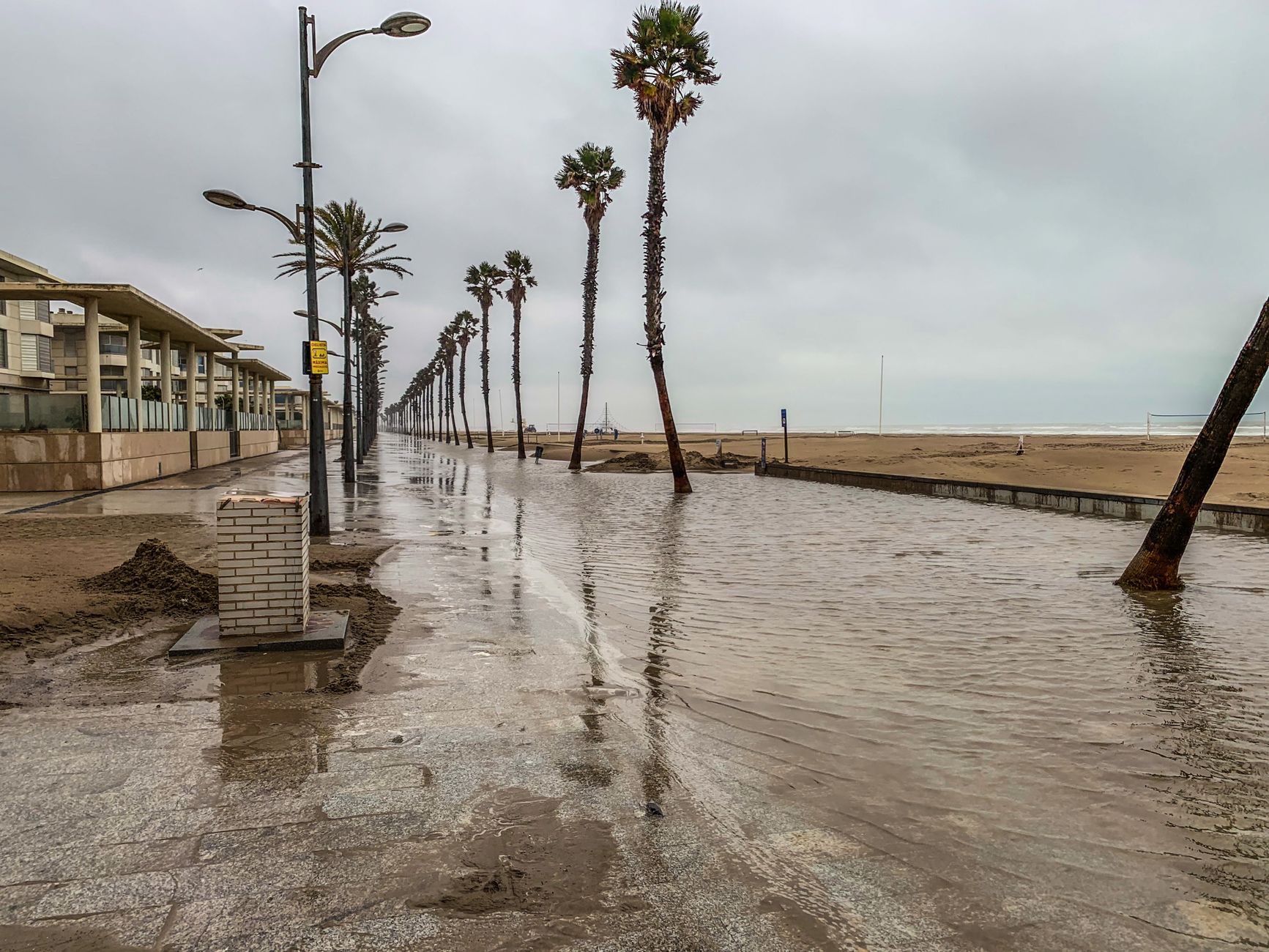
Unusually high king tides have recently flooded parts of South Florida, while reports also described seawater swamping homes along South Florida and California coasts. The events are a reminder that coastal flooding can create urgent questions for property owners—without proving that every affected business will receive more leads or that every flooded property needs professional remediation.
For restoration companies, waterproofing contractors, plumbers, roofers, and other home-service businesses in coastal areas, the practical issue is preparation: if flooding-related inquiries rise, can your team acknowledge them, collect the right information, identify safety concerns, and keep non-emergency prospects from being forgotten while crews are busy?
This playbook focuses on that workflow.
Safety comes first: If a caller or text sender reports immediate danger, such as a downed power line, gas leak, fire, carbon monoxide concern, or medical equipment that has lost power, direct them to contact local emergency services immediately. Do not try to diagnose or triage those hazards through a sales conversation or automated text.
Table of contents
- What the recent king tide flooding reports show
- Build a king tide inquiry workflow before demand changes
- Separate emergency concerns from service requests
- What to collect from flooding-related leads
- SMS templates for king tide and coastal flooding inquiries
- How to follow up while crews are occupied
- Where SecureMyLead fits
- Key takeaways
- FAQ
What the recent king tide flooding reports show
The Miami Herald reported that an unusually high king tide flooded parts of South Florida and highlighted risks associated with sea-level rise. ABC News also reported king tides swamping homes with seawater along South Florida and California coasts.
These are location-specific events, not evidence of a nationwide trend or a documented increase in home-service bookings. Still, when coastal flooding affects an area you serve, property owners may contact local businesses with questions about water intrusion, drainage, cleanup, moisture, damage, or future mitigation.
That makes a prepared response process valuable.
Sources:
- Miami Herald: unusually high king tide flooding in South Florida
- ABC News: king tides swamping homes in South Florida and California
Build a king tide inquiry workflow before demand changes
Do not wait until a busy afternoon to decide who responds, what information you need, or how to explain your availability. A simple process gives every inquiry a clear next step—even if that step is only acknowledgment and a realistic scheduling update.
1. Define the services you can actually offer
Start with a short internal list of the jobs your business does and does not handle.
For example, a business may be able to help with:
- Water cleanup or restoration assessments
- Moisture or water-intrusion inspections
- Drainage evaluations
- Waterproofing estimates
- Plumbing-related water issues
- Roof or exterior-envelope inspections
- Post-flood repair estimates
Just as important, identify requests your staff should route elsewhere. Do not let a generic auto-reply imply that you provide emergency dispatch, insurance decisions, environmental testing, electrical assessment, or services outside your scope.
A clear first response is better than an overly broad promise.
2. Assign one human owner for incoming inquiries
When crews are on active jobs, a new lead can easily become “someone else’s call.” Assign a person, role, or rotating inbox owner to review incoming flood-related inquiries.
That owner should be responsible for:
- Checking for immediate safety concerns.
- Confirming the request fits your services and service area.
- Collecting basic details.
- Providing the next available update or scheduling step.
- Flagging leads that need a human call.
Your goal is not to resolve every request by text. It is to make sure no legitimate inquiry sits unnoticed.
3. Set capacity language before you need it
If your schedule is full, do not promise same-day service by default. Instead, create approved language for busy periods:
- “Our team is reviewing new requests as quickly as possible.”
- “We can confirm the next available appointment after reviewing a few details.”
- “We’re currently assisting customers in the area. We’ll update you with availability as soon as we can.”
This protects the customer experience and prevents team members from improvising promises that operations cannot support.
4. Create simple intake tags
A small tag system can make a temporary influx easier to manage. For example:
| Tag | Use it for | Next action |
|---|---|---|
| Safety concern | Immediate hazard mentioned | Direct to local emergency services; escalate internally |
| New water intrusion | Active water entering or recently entered property | Review promptly and confirm service fit |
| Inspection request | Customer wants an assessment or estimate | Collect property details and offer next available visit |
| Prevention or mitigation | Drainage, waterproofing, or future-prevention questions | Route to estimate or consultation process |
| Outside service area | Property is outside your coverage zone | Respond clearly; do not leave the lead waiting |
| Follow-up needed | No response after intake | Send a concise check-in |
The point is not to build a complicated CRM process. It is to make the next action obvious while the team is under pressure.
Separate emergency concerns from service requests
A flooding-related inquiry may sound urgent, but urgency does not automatically mean your business should treat it as an emergency dispatch.
Use a two-lane workflow.
Lane 1: Immediate safety concerns
When someone describes immediate danger—such as downed power lines, a gas leak, fire, carbon monoxide concerns, or essential medical equipment losing power—lead with emergency guidance.
A safe response is:
“If there is immediate danger, please contact local emergency services now. We aren’t able to assess emergency hazards by text.”
Keep it short. Do not ask them to send photos first, wait for a callback, or rely on your team for emergency direction.
Lane 2: Service and estimate requests
For requests within your scope, acknowledge the inquiry and gather only the details needed to determine the next step.
Examples may include:
- Water entering a garage, living area, crawlspace, or other part of the property
- A request to inspect possible water intrusion
- A drainage or waterproofing estimate
- A plumbing-related concern after coastal flooding
- A request for cleanup, repair, or mitigation information
Avoid treating every inquiry as a guaranteed job. Some people may only be seeking general information, and some needs may fall outside your service area or capabilities.
What to collect from flooding-related leads
Flood-related intake needs more context than a standard “name, phone number, and address” form. You do not need a long questionnaire, but a few details help you avoid wasted callbacks and prioritize appropriately.
Minimum intake questions
Use these questions after acknowledging the lead and confirming there is no immediate safety concern:
- What is the property address or ZIP code? Confirm that the property is in your service area.
- What are you noticing at the property? Let the customer describe the issue in their own words before assigning a label.
- Is water currently entering the property, or are you requesting an inspection or estimate? This separates an active concern from a future-prevention inquiry.
- Which area is affected? Examples: garage, ground floor, bathroom, roof area, exterior drainage area, crawlspace, or another location.
- When did you first notice the issue? This helps establish basic timing without making assumptions about cause.
- What is the best time for a call or appointment update? A lead who cannot answer during work hours may be easier to reach by text first.
Details that should not be promised by text
Avoid telling a prospect that you can determine any of the following from a message alone:
- The cause of the water intrusion
- Whether damage is covered by insurance
- Whether a property is safe
- Whether a job requires immediate professional remediation
- A firm arrival time before your team confirms capacity
- A final price without your normal assessment process
Customers want clarity, but false certainty creates bigger problems later.
SMS templates for king tide and coastal flooding inquiries
These templates are designed for businesses that have permission to text the lead. Personalize the business name, service area, and availability language before using them.
1. Initial acknowledgment
Hi [First Name], this is [Name] with [Business]. We received your request about the flooding/water issue at [Property Address]. If there is immediate danger, please contact local emergency services. Otherwise, reply with a brief description of what you’re seeing, and we’ll review the next available step.
Why it works: It acknowledges the inquiry, sets a safety boundary, and asks for one clear reply.
2. Intake follow-up
Thanks, [First Name]. To make sure we route this correctly, is water currently entering the property, or are you looking for an inspection or estimate? Also, which area is affected?
Why it works: It turns a vague request into useful operational information without claiming a diagnosis.
3. Availability update when crews are busy
Hi [First Name], [Business] is currently assisting customers in the area. We’re reviewing new requests and will update you on the next available appointment as soon as we can. Thanks for your patience.
Why it works: It is honest about capacity and avoids a dispatch promise you may not be able to keep.
4. Appointment confirmation
Hi [First Name], we have [Day/Time Window] available for [service or inspection type] at [Property Address]. Does that time work for you? Reply YES to confirm or let us know another preferred time.
Why it works: It gives the lead a low-friction way to move forward.
5. No-response follow-up
Hi [First Name], checking in on your request for [service type] at [Property Address]. Do you still need help scheduling an inspection or estimate? Reply here and we’ll let you know the next available option.
Why it works: It is direct, helpful, and does not manufacture urgency.
6. Prevention-focused inquiry
Hi [First Name], thanks for reaching out to [Business]. We can help you explore options for [drainage/waterproofing/inspection]. Please send the property address and a short description of the area you’re concerned about, and we’ll confirm the appropriate next step.
Why it works: It distinguishes prevention work from active flooding concerns.
For more general first-response copy, see our guide to auto-reply messages for contractors and these lead response templates for service businesses.
How to follow up while crews are occupied
A possible spike in inquiries is not only a staffing challenge. It is also a follow-up challenge.
The first text may get a prospect’s attention, but the conversation can still stall while your team handles active work. A simple sequence helps you keep open requests visible without sending repeated, tone-deaf messages.
Use a measured follow-up cadence
For a new, non-emergency inquiry, a practical sequence may look like this:
| Timing | Goal | Example action |
|---|---|---|
| Immediately | Confirm receipt | Send an acknowledgment and safety boundary |
| After the lead replies | Gather details | Ask the minimum intake questions |
| Same day or next available business window | Set expectations | Share availability or explain that scheduling is being reviewed |
| 1 day later, if no reply | Reopen the conversation | Send a short check-in |
| Several days later | Close the loop politely | Ask whether they still need an estimate or inspection |
Do not send an automated sequence unchanged if the prospect has already supplied new details or if a team member has promised a specific follow-up. Two-way conversations need human oversight.
Also, if your business uses text messaging, make sure you have the appropriate permission to message leads and honor opt-out requests. Messaging tools can support a process, but the business remains responsible for using them lawfully.
Avoid these common mistakes
Sending a vague “How can we help?” text
A general message can work for ordinary web leads, but flood-related inquiries often need a clearer next step. Ask for the property address, a short description, and whether the customer is seeking an inspection or reporting active water intrusion.
Promising an arrival time before capacity is confirmed
A rushed promise may feel helpful initially, but it creates frustration if crews cannot meet it. Acknowledge the request quickly, then give a realistic update.
Treating every inquiry as identical
A homeowner asking about future waterproofing needs a different workflow than someone describing active water entering their home. Use your intake questions to separate the requests.
Letting unanswered leads disappear
When the phone is busy and crews are in the field, an unanswered text can become a forgotten lead. Create a specific follow-up queue for incomplete inquiries.
For a broader workflow, read how to follow up with home-service leads automatically and how busy business owners can follow up with every lead.
Where SecureMyLead fits
King tide flooding does not automatically mean more business for every coastal service company. But if more inquiries do arrive while your team is handling jobs, consistent acknowledgment and follow-up can become harder to manage manually.
SecureMyLead can act as the follow-up layer between your lead sources and your team by sending an automated SMS response when a new lead arrives, then continuing with personalized follow-up sequences. Your team can still handle safety-sensitive situations, assess service fit, and make scheduling decisions.
For this kind of workflow, keep the automation focused on what it can responsibly do:
- Acknowledge new inquiries promptly
- Ask basic intake questions
- Set realistic availability expectations
- Follow up when a lead does not respond
- Keep the next message from being forgotten
It should not replace human safety judgment, emergency services, dispatch decisions, or property assessments.
Get started free to build a more consistent follow-up process for the leads you already generate.
Key takeaways
- Recent reports documented king tide flooding in parts of South Florida and along South Florida and California coasts, but they do not prove a general increase in service-business leads.
- Coastal businesses should prepare for a possible rise in location-specific inquiries rather than assume a guaranteed demand surge.
- Immediate dangers belong with local emergency services—not an automated intake flow or sales conversation.
- Flood-related intake should collect the property location, issue description, affected area, timing, and requested service.
- Honest availability updates are better than unconfirmed emergency-response promises.
- Automated acknowledgment and follow-up can help keep ordinary service inquiries from being forgotten while crews are busy.
FAQ
Can king tides create more restoration or home-service leads?
They can create questions from affected property owners, but the sources cited here do not document a measured increase in restoration, plumbing, roofing, waterproofing, or related service-business leads. Businesses in affected coastal areas should prepare for possible inquiries without assuming a guaranteed surge.
Should my business advertise emergency service during king tide flooding?
Only advertise services you can actually provide. Do not imply emergency dispatch, hazard assessment, or immediate availability unless your operations support those commitments. For immediate dangers, direct customers to local emergency services.
What should a flooding-related auto-reply say?
A good reply should confirm receipt, identify your business, state that immediate danger requires local emergency services, and ask for the minimum details needed to determine the next step. It should not diagnose the property issue or promise a response time you cannot meet.
Which home-service businesses can use this workflow?
The workflow can be adapted by restoration businesses, waterproofing contractors, plumbers, roofers, drainage specialists, and other coastal home-service companies. Each business should tailor the questions and templates to its actual services, service area, and capacity.
How long should I follow up with a flooding-related lead?
There is no universal timing rule. A reasonable approach is to acknowledge promptly, follow up after the initial intake if the lead goes quiet, and send a final check-in after a few days. Adjust the cadence based on the customer’s request, your capacity, and any active conversation.