Coastal Flooding Lead Response Plan for Restoration Contractors
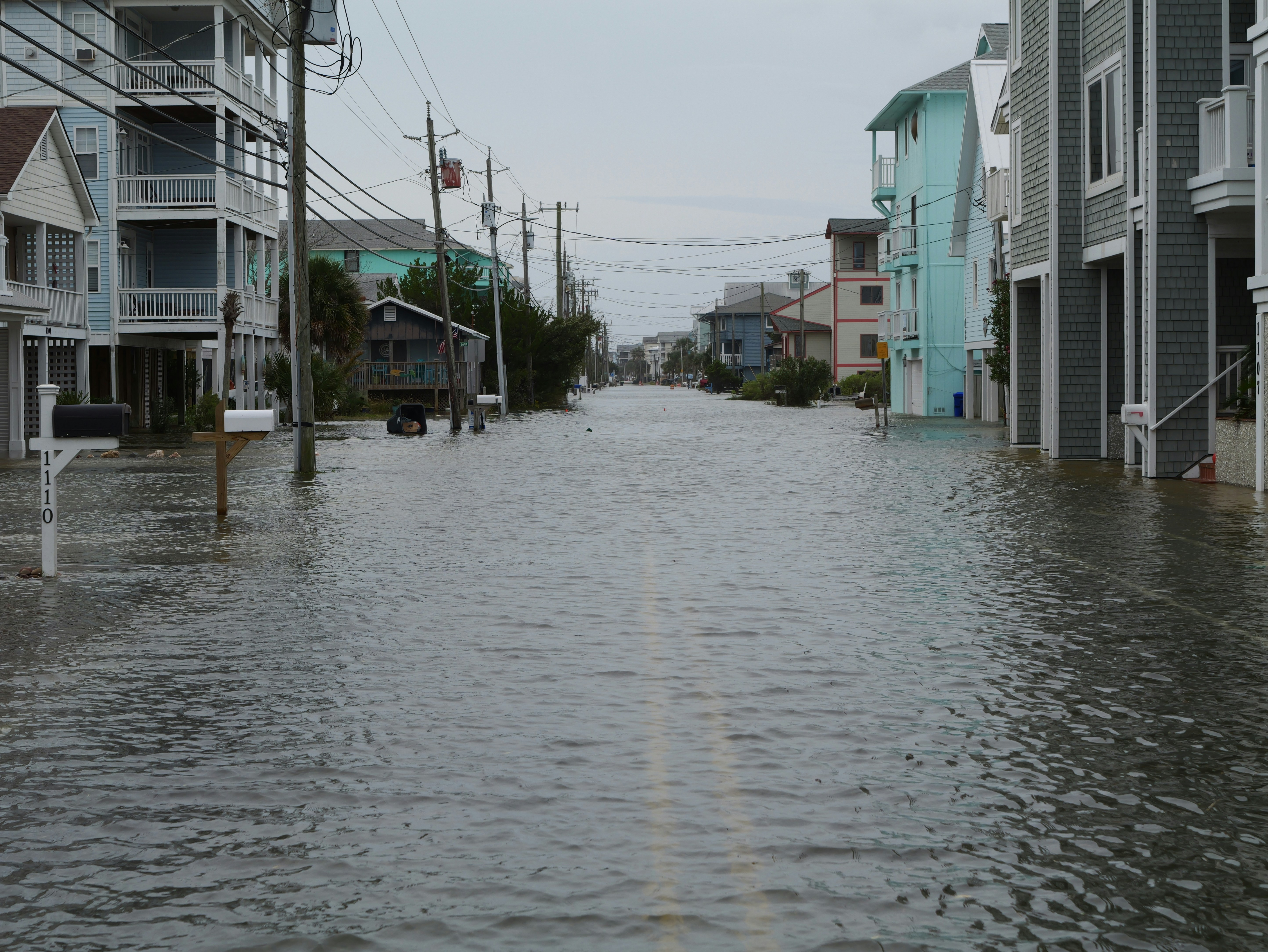
Coastal flood warnings, high tides, flooding risk, and road impacts have recently affected parts of Southern California, including Huntington Beach, Newport Beach, and San Diego. Local reporting described planned Pacific Coast Highway closures in Huntington Beach around high tides, while CBS 8 reported on coastal flood warnings and high-tide conditions in San Diego.
Before any business workflow: automated messages are not emergency triage. If a person reports immediate danger, a downed power line, a gas leak, fire, carbon monoxide concern, or medical equipment without power, they should contact 911, the relevant utility, or another appropriate emergency resource. A restoration contractor’s acknowledgment text should never imply that a crew is dispatched, that a property is safe, or that help is immediately available.
Flood conditions do not prove that every restoration company will receive more inquiries. But businesses in affected areas should prepare for the possibility that property owners will request cleanup, water-damage assessment, moisture inspection, drainage work, roofing help, plumbing support, or an estimate while crews and roads are already under pressure.
The goal is simple: acknowledge each inquiry, collect useful details, route safety-sensitive messages to a human, set honest expectations, and keep standard estimate requests from being forgotten.
Table of contents
- What changes during coastal flooding
- The flood-inquiry response workflow
- SMS templates for flood-related inquiries
- How to manage estimates when availability changes
- Where SecureMyLead fits
- Key takeaways
- FAQ
What changes during coastal flooding
A normal restoration inquiry may be straightforward: a homeowner requests an inspection, shares an address, and waits for a scheduling call.
Flood-related inquiries can be less predictable. A lead may arrive while:
- Roads or access routes are affected.
- Crews are already committed to existing jobs.
- The customer does not know whether their situation requires emergency help, mitigation, or a future estimate.
- A property owner is asking for immediate availability that the business cannot confirm by text.
- Several inquiries arrive close together and no one has assigned ownership.
That does not mean every flood lead is an emergency. It means the first response needs to create order without making promises.
A useful response process separates three things that are often mixed together:
- Immediate safety concerns that require emergency or utility guidance rather than automated business messaging.
- Potentially urgent property-damage requests that need prompt human review.
- Standard inspection or estimate requests that can enter the ordinary follow-up process.
The flood-inquiry response workflow
1. Start with a short acknowledgment
The first message should confirm that the business received the inquiry. It should not claim that a technician is en route, that the business can serve the address, or that the customer has been booked.
A good acknowledgment does four jobs:
- Identifies your company.
- Confirms receipt.
- Sets the expectation that a person will review the request.
- Asks for the few details needed to route the lead.
Keep it short. A homeowner dealing with water intrusion is unlikely to complete a long questionnaire by text.
Example:
Hi [First Name], this is [Business Name]. We received your request regarding possible water or flood damage. A team member will review it as soon as possible. Please reply with the property address, the affected area, and whether water is still entering the property.
This is an acknowledgment, not a dispatch confirmation.
2. Collect only the details a human needs next
Flood-related leads often need more context than a standard web-form estimate. The right questions help your team decide who should call first, whether the location is within your service area, and what type of visit may be appropriate.
Ask for information such as:
| Detail to collect | Why it helps |
|---|---|
| Property address or ZIP code | Confirms service area and possible access constraints |
| Property type | Helps distinguish residential, commercial, rental, or other requests |
| Affected area | Identifies whether the issue involves a crawlspace, garage, living area, roof, exterior drainage, or another location |
| Whether water is still entering | Gives the human reviewer useful context without attempting remote assessment |
| Best callback number | Makes human follow-up easier if the original lead source is incomplete |
| Photos, if your business accepts them | Can help a qualified team member review the request before responding |
Avoid turning the first exchange into a damage diagnosis. Do not ask customers to take actions that could put them at risk, and do not use an automated response to determine the severity of the situation.
3. Create a clear human-review lane for safety-sensitive messages
Your team needs a defined rule for messages that mention potential danger. The automation should acknowledge receipt, but a person should own the next decision.
Examples that should receive human attention include messages mentioning:
- Downed electrical lines or electrical hazards
- A gas smell or suspected leak
- Fire or smoke
- Carbon monoxide concerns
- A person in medical distress
- Medical equipment losing power
- A customer who says they are trapped or in immediate danger
Your customer-facing message should remain simple and direct:
If there is immediate danger, please contact 911 or the appropriate utility or emergency resource. Our text line cannot provide emergency response or safety assessment.
Internally, decide:
- Who sees these messages first
- Who is responsible for responding during and after business hours
- Whether the lead should be marked for immediate human review
- What your staff should and should not say about safety, access, and availability
This protects customers from receiving an inappropriate automated response and protects your team from treating a text sequence like emergency dispatch.
4. Assign every non-emergency inquiry to a named owner
During a possible influx of inquiries, a shared inbox alone is not enough. A lead should have a clear owner, even if that person cannot call immediately.
The owner may be:
- An office manager
- A dispatcher or coordinator
- The estimator covering that territory
- The owner during a small-team after-hours shift
- A designated backup when the primary contact is on a job
A simple internal status system can prevent leads from disappearing:
| Status | Meaning | Next action |
|---|---|---|
| New | Inquiry has arrived | Send acknowledgment and collect basic details |
| Needs human review | Customer shared safety-sensitive or unclear information | Assign to a person promptly |
| Ready to contact | Details are sufficient for a callback | Call or text with next available step |
| Awaiting customer | You asked for missing details | Send one clear follow-up |
| Inspection requested | Customer wants an onsite review | Confirm only what your team can actually offer |
| Quote pending | Inspection or review is complete | Follow up without pressuring the customer |
| Closed or out of area | No fit, no response, or request resolved elsewhere | Document the reason |
This does not require a complicated CRM process. The operational point is that someone knows who owns the next response.
For a broader framework, see how to follow up with home-service leads automatically.
5. Set availability expectations honestly
Flooding can affect crew capacity, travel time, and safe access to job sites. A rushed message can create more problems if it implies immediate service that your team cannot provide.
Use language such as:
- “A team member will review your request.”
- “We’ll confirm next steps after reviewing the address and details.”
- “Availability may depend on current conditions and access.”
- “We’ll let you know what we can offer after a team member reviews your request.”
Avoid language such as:
- “We’re on the way.”
- “We can be there today.”
- “You’re booked.”
- “We handle all flood emergencies immediately.”
- “Your insurance will cover this.”
- “We can assess the damage by text.”
If availability changes, update the lead rather than leaving them guessing. A short, honest message is better than silence.
SMS templates for flood-related inquiries
Use these only when your business has the appropriate consent to text the person. Each template is designed to preserve human follow-up and avoid claims about emergency service or guaranteed availability.
New flood-related web inquiry
Hi [First Name], this is [Business Name]. We received your request about possible water or flood damage. A team member will review it as soon as possible. Please reply with the property address, affected area, and whether water is still entering the property.
After-hours acknowledgment
Hi [First Name], thanks for contacting [Business Name]. We received your water-damage inquiry outside normal hours and a team member will review it when available. Please reply with the property address and a brief description of the affected area. If there is immediate danger, contact 911 or the appropriate emergency resource.
Request for missing location details
Hi [First Name], this is [Business Name] following up on your water-damage request. To help our team review it, can you send the property address or ZIP code and the area affected?
Availability update without overpromising
Hi [First Name], thanks for the details. We’re reviewing current conditions, crew availability, and access for your area. A team member will contact you with the next available option.
Inspection request follow-up
Hi [First Name], this is [Business Name]. We wanted to follow up on your request for a water-damage inspection. If you still need help, reply with the property address and the best time for a team member to contact you.
Quote or estimate follow-up
Hi [First Name], this is [Business Name]. We’re checking in on the estimate for [property address or service]. Let us know if you have questions or would like to discuss next steps with our team.
For more estimate-stage copy, use these contractor estimate follow-up text templates.
How to manage estimates when availability changes
A flood-related request may not become an immediate job. The customer may be waiting on a landlord, insurer, property manager, family member, or access to the property. That makes consistent follow-up important, especially when the initial conversation ends before an inspection or estimate is confirmed.
Use different sequences for different situations
Do not put every inquiry into the same sequence.
A practical setup may include:
Sequence A: New inquiry with missing details
Use this when the customer has not supplied an address, affected area, or callback information.
- Initial acknowledgment
- One follow-up asking for the missing detail
- Final check-in from a human-owned queue if the request appears viable
Sequence B: Inspection requested, but not scheduled
Use this when the customer wants help but no appointment or next step has been confirmed.
- Confirmation that the request is under review
- Follow-up asking whether they still want to discuss an inspection
- Human call or text based on the information available
Sequence C: Estimate sent, no reply
Use this after your team has completed the actual estimate process.
- Brief estimate check-in
- Offer to answer questions
- Final low-pressure follow-up if the customer does not respond
Do not use a generic promotional drip during an active flood situation. The message should match the customer’s stage: missing details, awaiting a call, inspection request, or estimate decision.
Pause or adjust sequences when a person responds
A practical warning: not every automation tool automatically understands the context of a reply. If a customer responds with new details, asks a question, or says they have already solved the problem, your team should review the conversation and make sure scheduled messages still fit.
SecureMyLead supports two-way dashboard messaging, but ordinary replies do not currently auto-pause scheduled sequence messages. Build a review step so a live conversation does not receive an irrelevant automated follow-up.
Keep a capacity message ready
Before conditions worsen, prepare a short message your team can use if schedules change:
Hi [First Name], this is [Business Name]. We’re currently reviewing requests based on crew availability and access conditions. We have your information and will update you as soon as a team member can confirm the next step.
This is more useful than making a promise your business may need to retract later.
Where SecureMyLead fits
When flood conditions may create a higher volume of restoration-related inquiries, the immediate operational challenge is often not generating more leads. It is making sure each existing inquiry receives a prompt acknowledgment and does not get lost while the team is occupied.
SecureMyLead can send an automated first SMS when a new lead arrives and continue with personalized SMS follow-up sequences. That can help your team acknowledge new inquiries, request basic non-emergency details, and follow up on unanswered inspection or estimate requests.
It should not be used as emergency dispatch, safety assessment, or a replacement for human judgment. Your team still needs ownership rules, availability controls, and a process for reviewing safety-sensitive messages.
Get started free to build a more consistent lead-response workflow before the next disruption.
Key takeaways
- Southern California coastal flood warnings, high tides, and road impacts make response planning timely, but they do not prove that restoration contractors are experiencing a documented lead surge.
- Put emergency guidance first: automated business texts are not a substitute for 911, utilities, or qualified emergency assistance.
- Acknowledge every inquiry without promising immediate service, dispatch, pricing, coverage, or availability.
- Collect only the details a human needs to review the request: location, affected area, current water-entry status, and callback information.
- Give every viable lead a named human owner.
- Separate workflows for missing details, inspection requests, and sent estimates.
- Use automation to support acknowledgment and consistent follow-up—not to replace dispatch, safety decisions, or customer-service judgment.
FAQ
Should restoration contractors expect more leads during coastal flooding?
They may receive more inquiries, but the cited reporting does not document an increase in restoration leads, booked jobs, or searches. The better approach is to prepare a response process that works if inquiries rise.
Can an automated text qualify flood-damage leads?
It can collect basic information for human review, such as the property address, affected area, and whether water is still entering. It should not diagnose damage, determine safety, promise service, or replace a qualified professional’s judgment.
What should a restoration company say if a lead reports an immediate hazard?
The business should direct the person to contact 911, the relevant utility, or another appropriate emergency resource for immediate danger. A business SMS workflow should not present itself as emergency response.
How often should contractors follow up on a flood-related estimate?
The right timing depends on your team’s actual process and the customer’s situation. Keep follow-up useful and specific: confirm that the estimate was received, offer to answer questions, and avoid repeated messages that imply false urgency. For additional timing guidance, read how long to wait before following up with a lead.