Hurricane Nolo Lead Response Playbook for Home-Service Businesses
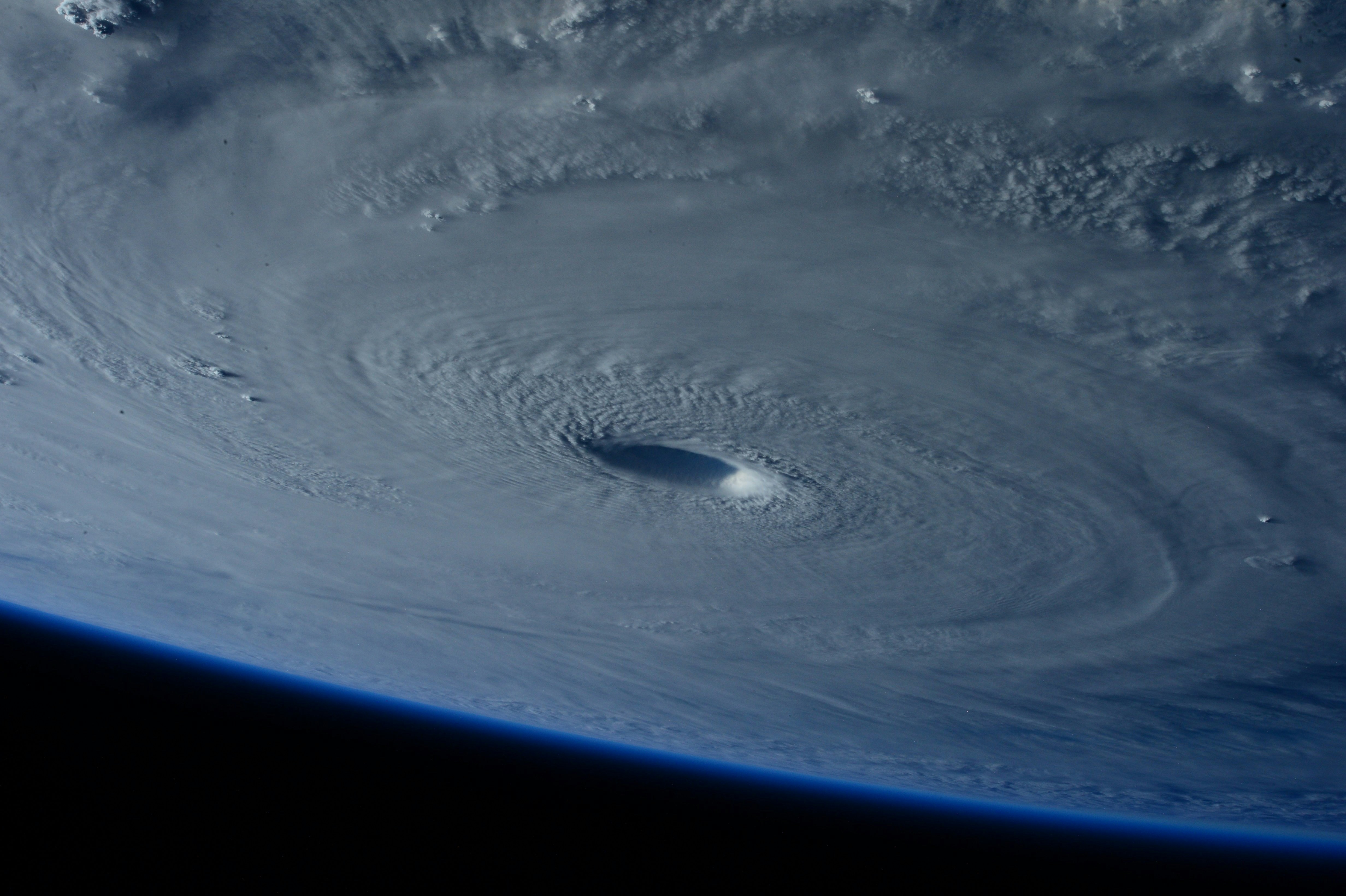
Hurricane Nolo reached Category 4 strength, and a hurricane watch was issued, according to Weather.com. Maui County has also urged residents to prepare for prolonged power and communications outages, Maui Now reports.
If a customer reports an immediate life-safety situation, direct them to emergency services and current local emergency guidance. A lead acknowledgment is not emergency response, damage assessment, or crew dispatch. Do not let automated messages imply otherwise.
For roofers, restoration companies, plumbers, electricians, and other home-service operators, a major storm can create conditions where inquiries may rise while staff, phone service, internet access, and field capacity are constrained. The practical goal is not to promise instant service. It is to build a clear, honest workflow that helps your team:
- Acknowledge inquiries when possible
- Identify requests that need human review first
- Collect the details needed for a later callback
- Set realistic expectations about availability
- Avoid losing missed calls and web leads during a disruption
This playbook is written with Hurricane Nolo in mind, but the workflow can help businesses prepare for future hurricanes, high-wind events, flooding, and severe-weather periods.
Table of contents
- Set safety and availability rules before the storm
- Create a storm-specific intake workflow
- Prioritize without promising emergency dispatch
- Handle after-hours calls and missed calls
- Use honest storm-response SMS templates
- Manage capacity when inquiries outpace your team
- Keep the workflow usable during communications disruptions
- Use automation as an acknowledgment layer
- FAQ
Set safety and availability rules before the storm
A storm workflow fails when the team has not agreed on what it can and cannot do.
Before conditions worsen, document the answers to these questions in one place that office staff, owners, and anyone answering messages can access:
- Are you accepting new requests right now?
- Which service types can you review? Examples might include roof inspections, temporary protection requests, water-damage inquiries, electrical repair requests, plumbing issues, or cleanup estimates.
- What areas can you realistically serve?
- Who owns new inbound messages?
- Who can approve scheduling or tell customers that no appointments are currently available?
- What should your team say if a customer describes immediate danger?
- What communications channels are currently working? Phone, web forms, text messages, email, or social inboxes may not all be dependable during an outage.
Do not use a generic “We’re available 24/7” message unless that is actually true throughout the event. A clear limitation is more useful than an unkept promise.
Build a simple internal status sheet
A one-page status sheet can prevent staff from giving conflicting answers. Include:
| Item | Example status to define |
|---|---|
| New inquiry intake | Open, limited, or paused |
| Inspection availability | Available to request; scheduling subject to confirmation |
| Emergency service | Not offered through automated messaging |
| Service area | Current areas your team can review |
| Callback expectation | “We’ll review requests when communications and staffing allow” |
| Assigned owner | Name, role, or rotating on-call contact |
| Customer safety language | Direct immediate dangers to emergency services and local guidance |
Update this sheet when conditions change. The goal is operational consistency, not a complicated dispatch system.
Create a storm-specific intake workflow
A normal quote form may ask for a name, phone number, and service. During a severe-weather period, that is often not enough information for a useful callback.
Your intake should help a human understand three things:
- What kind of work is being requested?
- Where is it located?
- What information is needed to determine the next safe, realistic step?
Questions to collect from storm-related inquiries
Use only questions your team will actually use. A long form can discourage someone who is dealing with a stressful situation.
For roofing and exterior work:
- Property address or service area
- Type of issue: missing shingles, visible roof damage, leak, fallen debris, inspection request, or other
- Whether water is entering the property
- Best callback number
- Whether the customer can safely share photos later
For restoration and water-related requests:
- Property address
- General issue: water intrusion, flooding, roof leak, moisture concern, cleanup request, or inspection request
- When the issue was first noticed
- Best callback number
- Whether anyone is currently in immediate danger
For plumbing and electrical requests:
- Property address
- Brief description of the issue
- Whether the customer has a safe way to communicate
- Best callback number
- A clear reminder that immediate life-safety situations require emergency services and local guidance
Avoid asking customers to perform risky troubleshooting, climb onto a roof, approach hazards, or take photos in unsafe conditions. Your form should collect information, not turn an untrained homeowner into an inspector.
Label the lead source and service type
During a possible storm-related inquiry increase, the inbox becomes easier to manage if every lead has a few consistent labels:
Storm inquiryRoofingWater intrusionRestorationElectricalPlumbingInspection requestExisting customerNeeds human reviewOutside service area
These labels are not a substitute for human judgment. They simply make it easier to find similar requests, assign ownership, and send the right follow-up later.
For a broader intake and follow-up framework, see how to follow up with home-service leads automatically.
Prioritize without promising emergency dispatch
A storm response workflow should distinguish between what a customer reports and what your business can commit to doing.
Do not tell a customer they are “priority,” “emergency dispatch,” or “next in line” unless a qualified person has reviewed the request and your team can honor that commitment.
Instead, use a review queue.
Use a human-reviewed triage order
A practical internal queue may look like this:
| Queue | Typical inquiry type | Appropriate response |
|---|---|---|
| Immediate safety concern | Customer reports an immediate threat to life or safety | Direct them to emergency services and current local guidance; do not promise service |
| Existing active customer | Customer with an open job or active agreement | Route to the assigned team member for review |
| Active property issue | Reported leak, water intrusion, or damage needing evaluation | Acknowledge receipt; collect details; state that availability requires confirmation |
| Inspection or estimate request | Customer wants an assessment after conditions allow | Add to the inspection-request queue |
| General question | Pricing, coverage area, future availability | Respond when possible with current, confirmed information |
This is not an emergency classification system. It is an operational queue that helps your business decide what gets a human response first.
Make the handoff explicit
Every inquiry needs a named owner or a clear status. “We’ll get back to them” is not a process.
Use statuses such as:
- New
- Acknowledged
- Needs human review
- Waiting for customer details
- Callback attempted
- Scheduling pending
- Not currently serviceable
- Closed
A staff member should be able to open the lead list and answer: Who is responsible for the next action, and what is that action?
Handle after-hours calls and missed calls
Power and communications disruptions can make it difficult to answer every call. Missed-call follow-up is especially important when a homeowner tries several providers in a short period.
But the message must be careful: a text acknowledging a missed call is not proof that your team can respond, travel, inspect damage, or restore service.
The after-hours process
Use this simple sequence:
- Capture the missed call or web inquiry.
- Send an acknowledgment only if your messaging system and team are operating.
- Ask for a short description and address.
- Direct immediate dangers to emergency services and local guidance.
- Move the lead to a human-review queue.
- Confirm availability only after a person reviews capacity and conditions.
- Follow up if the customer does not respond and it remains appropriate to do so.
A missed-call text can reduce uncertainty for the customer, but SMS delivery and response may be affected by outages. Keep alternate contact methods and a manual callback list available.
Read after-hours lead response: how to win jobs while you sleep for a general after-hours workflow, then adapt the wording and capacity limits for severe weather.
Use honest storm-response SMS templates
These templates are designed for acknowledgment and information collection. Replace bracketed text before using them, and send messages only where you have the appropriate permission to text the recipient.
1. New storm-related web inquiry
Hi [First Name], this is [Business Name]. We received your request regarding [service]. We’re reviewing storm-related inquiries as communications and staffing allow. Please reply with the property address and a brief description of the issue. If there is an immediate safety emergency, contact emergency services and follow local guidance.
2. Missed-call text back
Hi [First Name], this is [Business Name]. Sorry we missed your call. Please text your property address and a short description of what you need help with. We’ll review your request when we can. For immediate safety emergencies, contact emergency services and follow local guidance.
3. Roofing inspection request
Hi [First Name], thanks for contacting [Business Name] about a roof concern. We can add your request for review, but inspection timing depends on weather, road conditions, and team availability. Please reply with the address, the issue you noticed, and the best number to reach you.
4. Water-intrusion or restoration inquiry
Hi [First Name], we received your water-damage inquiry. Please reply with the property address, when you first noticed the issue, and a brief description of the affected area. We’ll review availability before confirming any next step. If anyone is in immediate danger, contact emergency services and follow current local guidance.
5. Capacity-limited response
Hi [First Name], thank you for reaching out to [Business Name]. We’re currently reviewing a high number of weather-related requests and cannot confirm an appointment yet. We have your information and will update you if we can offer a next step.
6. Request is outside your current service capacity
Hi [First Name], thank you for contacting [Business Name]. We’re unable to confirm service for this request at this time. For immediate safety concerns, please contact emergency services and follow local guidance.
7. Follow-up when the customer has not replied
Hi [First Name], this is [Business Name] following up on your request. If you still need us to review it, please reply with the property address and a brief description of the issue. Availability remains subject to current conditions and team capacity.
For more general copy-and-paste options, use these lead response templates for service businesses.
Manage capacity when inquiries outpace your team
If inquiries rise, the worst operational mistake is often accepting every request as if you have unlimited crews, phone coverage, and travel access.
Instead, choose one of three public-facing service states:
Open
Use this only when you can review and schedule new work with reasonable confidence.
Suggested wording:
We are accepting new requests. Appointment timing is subject to current conditions and confirmation from our team.
Limited
Use this when you can collect requests but cannot promise prompt inspections or service.
Suggested wording:
We are reviewing new requests, but appointment availability is limited. Please submit your details and our team will confirm whether we can offer a next step.
Paused
Use this when weather conditions, communications problems, safety concerns, or staffing limits mean you cannot responsibly take on new work.
Suggested wording:
We are temporarily unable to accept new service requests. Please check current local guidance for urgent safety information.
A limited or paused status may feel uncomfortable, but it is better than promising service you cannot provide.
Keep estimate requests separate from active issues
Do not let every inbound request enter one undifferentiated list. Separate:
- Active reported issues needing review
- Requests for future inspection
- Requests for estimates after conditions improve
- Existing-customer updates
- General questions
That separation lets a small team make better decisions without pretending to have a full dispatch center.
Keep the workflow usable during communications disruptions
Maui County’s warning about possible prolonged power and communications outages is a reminder that a digital workflow needs a fallback plan.
Automation, phones, web forms, and text messages may be unavailable or inconsistent during an outage. Plan for that possibility rather than relying on a single channel.
Create a practical fallback plan
Before a storm, make sure you have:
- A current list of team contacts and responsibilities
- A simple manual lead log that can be used if normal systems are inaccessible
- A single status message approved for website, voicemail, and social channels
- A process for recording missed calls and callbacks once service returns
- A decision-maker who can switch your business between open, limited, and paused intake
- A backlog-review process for inquiries received while the team was unreachable
When service returns, do not start by trying to schedule everyone immediately. Work the backlog in order:
- Review immediate safety-related messages and ensure they received the correct emergency guidance.
- Contact existing customers with active work.
- Review active property issues that may need human assessment.
- Acknowledge inspection and estimate requests.
- Close out requests you cannot serve with a clear, respectful message.
Use automation as an acknowledgment layer
Automation can help a business send a timely first acknowledgment and keep follow-up from being forgotten when normal operations are intact. It should not make safety decisions, assess damage, determine urgency, dispatch crews, or promise appointment availability.
SecureMyLead can send an automated SMS first response when a lead arrives and can run follow-up sequences for leads that still need a reply. For a storm workflow, keep the first message conservative: collect the address and issue, state that availability requires review, and include your safety language.
One important operational detail: ordinary customer replies remain visible for your team, but they do not automatically pause scheduled sequence messages. During a storm-related workflow, assign someone to review replies and adjust follow-up so customers do not receive irrelevant automated texts after they have responded.
Get started free to set up a lead-follow-up layer for your existing forms, lead sources, and customer inquiries.
Key takeaways
- Hurricane Nolo’s Category 4 strength and Maui County’s outage warning make communication planning especially important for local service businesses.
- A storm may create more inquiries, but no source cited here documents a measured lead increase for home-service businesses.
- Lead acknowledgment is not emergency response, crew dispatch, or a promise of service.
- Direct immediate life-safety situations to emergency services and current local guidance.
- Use a storm-specific intake process that collects the service type, location, basic issue description, and callback details.
- Keep capacity messaging honest: open, limited, or paused is clearer than overpromising.
- Plan for phone, internet, and SMS disruptions with a manual lead log and a defined backlog-review process.
FAQ
Did Hurricane Nolo cause a surge in roofing or restoration leads?
The cited sources confirm Hurricane Nolo’s Category 4 strength, a hurricane watch, and Maui County’s warning about possible prolonged power and communications outages. They do not document a measured increase in leads, bookings, or demand for roofing, restoration, plumbing, electrical, or other home-service businesses.
Businesses should prepare for a possible increase in weather-related inquiries without treating it as a documented outcome.
Should my business promise emergency service in an auto-reply?
No. Do not promise emergency dispatch, an inspection time, crew availability, or a callback deadline unless your business can verify and honor it. An auto-reply should acknowledge the request, collect essential details, explain that availability requires review, and direct immediate safety concerns to emergency services and local guidance.
What should a storm-related lead form ask for?
At minimum, request the customer’s name, callback number, property address, service needed, and a short description of the issue. Add only the details your team will use, such as when the issue was noticed or whether water is entering the property.
Can I rely on automated texts during a power outage?
No. Maui County has warned residents to prepare for prolonged power and communications outages, so businesses should not assume SMS, internet, phone systems, or automation will remain consistently available. Maintain a manual fallback process and review inbound requests when communications return.
How should I follow up with leads I cannot serve right away?
Send a clear message that confirms receipt but does not imply a booking. Explain that current conditions and team capacity prevent you from confirming service. If the situation changes, follow up with a specific next step; if it does not, close the request respectfully rather than leaving the customer uncertain.