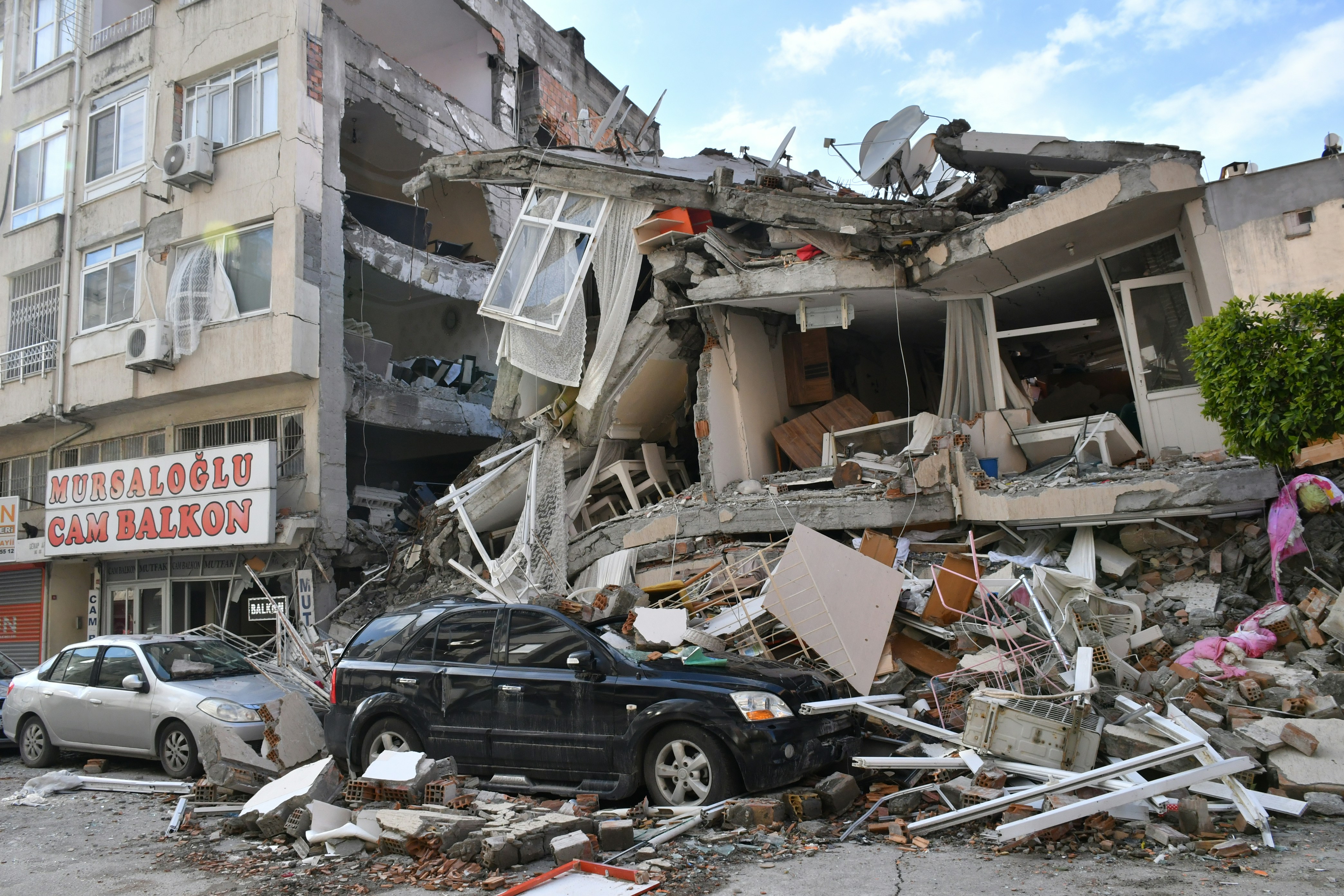
Earthquake Damage Inquiry Response Playbook for Contractors
A local earthquake can leave homeowners with questions about cracks, leaks, roof concerns, utility issues, or whether they need a professional inspection. Contractors should prepare for possible inquiry volume without assuming damage has occurred or that demand will rise.
That preparation is timely in northeast Oregon: local reporting described a magnitude 4.3 earthquake near Joseph, Oregon, as the strongest earthquake in the area in more than 30 years. The reports establish the event and its local significance; they do not establish that homes were damaged or that contractor inquiries increased. East Oregonian and Central Oregon Daily reported on the earthquake.
For roofers, restoration companies, plumbers, electricians, general contractors, and structural specialists, the right response is not aggressive promotion or automated safety advice. It is a clear process that:
- Keeps urgent hazards out of the normal lead workflow.
- Acknowledges routine inquiries promptly.
- Collects enough information for a qualified human to review.
- Sets honest expectations about availability and inspection scope.
- Follows up only when the customer has requested help.
Table of contents
- Start with safety, not sales
- Separate emergency reports from inspection requests
- Use a practical earthquake inquiry workflow
- Questions to collect before scheduling
- Earthquake inquiry text templates
- Set realistic expectations during a possible demand spike
- How to use automation responsibly
- Common mistakes to avoid
- FAQ
Start with safety, not sales
A text message, contact form, or automated workflow cannot determine whether a building is structurally safe, whether an electrical issue is dangerous, or whether a utility problem needs immediate intervention.
If an inquiry mentions an immediate hazard—such as a downed power line, suspected gas leak, fire, carbon monoxide concern, a medical device affected by a power outage, or someone needing medical help—do not treat it as a standard service lead. Direct the person to local emergency services, their utility provider, or other applicable official emergency guidance.
Your business workflow should make this distinction obvious:
- Immediate danger: emergency or utility escalation, not sales follow-up.
- Possible urgent property issue: human callback as soon as your team can assess the request.
- Routine concern or inspection request: acknowledge, gather details, and offer the next available inspection or consultation step.
This protects the customer and prevents staff from making safety judgments by text.
Separate emergency reports from inspection requests
Not every post-earthquake question needs the same response. A simple routing framework helps your team avoid both underreacting and overpromising.
| Inquiry type | Examples of what a customer may report | Best next step |
|---|---|---|
| Immediate safety concern | Downed line, gas odor concern, fire, injury, medical equipment affected by lost power | Refer to local emergency or utility guidance; do not diagnose by text |
| Urgent service concern | Active water leak, exposed electrical issue, loss of a critical building function | Route to a trained human for a prompt callback and availability review |
| Inspection request | New crack, concern about roof condition, visible exterior change, concern about plumbing or electrical systems | Collect location and basic details; schedule or queue for human review |
| General question | “Do you inspect homes after an earthquake?” | Explain your service scope and next available step without claiming the property is damaged |
A roofing company may receive questions about shingles, flashing, chimneys, or ceiling stains. A plumber may hear about a new leak or changed water pressure. An electrician may receive concern about a panel, outlet, or service connection. A general contractor may be asked about cracks or visible movement.
Those are different service conversations. None should become an automated diagnosis.
Use a practical earthquake inquiry workflow
The goal is not to “close” a worried homeowner through text. It is to make sure a legitimate inquiry reaches the right person with enough context to respond responsibly.
1. Publish one clear inbound path
If your team is available to accept inspection requests, use a clear path customers can choose:
- Website contact form
- Dedicated phone number
- Google Business Profile messaging or calls
- Existing customer support line
- A clearly labeled request-inspection page
Avoid unsolicited outreach to residents based on an earthquake. Focus on people who contact your business or explicitly request information.
2. Send a calm acknowledgment
An acknowledgment should confirm receipt, identify your company, and avoid safety conclusions.
A useful first response can say:
Thanks for contacting [Business Name]. We received your request for an earthquake-related inspection or repair question. We can collect a few details and have a team member review the next available step. If there is an immediate safety concern, please contact local emergency services or your utility provider.
This message does three things well:
- It reassures the person that their request was received.
- It does not claim their property has damage.
- It makes clear that emergencies require a different route.
For broader first-response wording, see these auto-reply messages for contractors.
3. Capture the information a human needs
Do not ask customers to self-diagnose structural damage. Ask for observable details instead: what they noticed, where it is, when they noticed it, and how to contact them.
Tag the inquiry consistently in your lead system, for example:
earthquake-inspectionearthquake-roof-questionearthquake-plumbingearthquake-electricalurgent-human-review
Consistent labels matter if inquiries rise temporarily. They help your team see which department should respond and prevent earthquake-related requests from blending into ordinary estimate leads.
4. Assign a human owner
Every inquiry needs an accountable person, even if the next available appointment is several days away.
The owner’s job is to:
- Review the request details.
- Decide whether the inquiry needs a call sooner.
- Confirm whether the business can provide the requested service.
- Give an honest scheduling window.
- Document the next action.
This is especially important for small teams. A contractor on a job site may not be able to call immediately, but a lead should not sit without acknowledgment or ownership.
5. Confirm the next step—not a conclusion
The next message should explain what happens next:
- A team member will call.
- The business will review available inspection times.
- The customer can send requested photos if appropriate.
- The business does not offer the requested specialty and can clarify that promptly.
Do not write “your home is safe,” “this is minor,” or “we can confirm earthquake damage” based on a form submission or photo.
6. Follow up only on the requested service
If a customer asks for an inspection and does not reply, a short, respectful follow-up may be appropriate. Keep the message focused on their request, not fear or pressure.
For general quote and scheduling follow-up principles, read how to follow up on quotes without losing the customer.
Questions to collect before scheduling
Use a short form or guided conversation. The purpose is to prepare a human review—not to replace one.
Core questions for any contractor
- What is the property address or service area?
- What is the best phone number and email address?
- What did you notice?
- Where is the concern located—inside, outside, roof, plumbing, electrical, foundation area, or another location?
- When did you first notice it?
- Is the issue actively worsening right now?
- Are there any immediate safety concerns the customer has already reported?
- What type of help are they requesting: inspection, repair, estimate, or general guidance?
- What is their preferred contact time?
Trade-specific questions
Roofers and exterior contractors
Ask about observable conditions, such as:
- Roof, chimney, flashing, gutter, siding, or exterior concern
- Ceiling staining or water entry
- Whether the customer can safely provide photos from the ground
Do not encourage a homeowner to climb onto a roof to document a concern.
Plumbers and restoration companies
Ask:
- Is water actively leaking?
- Where is the water visible?
- Has the customer shut off water, if that is part of their normal and safe household procedure?
- Is the concern in a residential or commercial property?
Do not diagnose a broken pipe, sewer issue, or hidden damage from a text exchange.
Electricians
Ask what the customer observed—such as a loss of power in part of the building, a panel concern, or visible electrical damage—and route urgent reports to a human. Do not troubleshoot potentially hazardous electrical conditions by automated text.
General contractors and structural specialists
Ask the customer to describe and locate visible changes, such as a new crack or a door that no longer operates normally. Avoid promising that a contractor can confirm structural safety remotely. The appropriate evaluation depends on the property, the concern, and the qualifications required.
Earthquake inquiry text templates
These templates are designed for inbound inquiries. Customize them to match your service area, actual availability, and the type of work your team performs.
Initial acknowledgment
Hi [First Name], this is [Business Name]. We received your request about an earthquake-related property concern. Please reply with the property address and a brief description of what you noticed. A team member will review the request and follow up about the next available step. If there is an immediate safety concern, contact local emergency services or your utility provider.
Routine inspection request
Hi [First Name], thanks for reaching out to [Business Name]. We can review your request for an inspection. Please send the property address, the area you’re concerned about, and when you first noticed it. We’ll confirm available appointment options after a team member reviews the details.
Request for photos, when appropriate
Thanks, [First Name]. If you can safely take photos from where you are, you may send a few that show the area of concern. Please do not climb on the roof or enter an unsafe area to get photos. We’ll use the information to prepare for a human follow-up.
Urgent human-review handoff
Hi [First Name], we received the details you shared. A member of our team needs to review this with you directly. We’ll contact you at [Phone Number] as soon as we can. If you believe there is an immediate danger, please use local emergency or utility resources rather than waiting for our reply.
Appointment confirmation
Hi [First Name], this is [Business Name]. Your inspection request is scheduled for [Day, Time Window] at [Address]. Our team will review the concern you described when we arrive. If anything changes before then, reply here or call us at [Phone Number].
Respectful no-response follow-up
Hi [First Name], following up on your request to [Business Name] about a possible earthquake-related inspection. If you still want help, reply with the property address and a good time to reach you. If your needs have changed, no action is needed.
For more general copy-and-paste options, see lead response templates for service businesses.
Set realistic expectations during a possible demand spike
After a local earthquake, businesses should prepare for the possibility that more people may ask questions or request inspections. That does not mean every request is urgent, every property has damage, or every contractor should accept every type of job.
Set expectations early:
- State your current service area.
- State the type of inspection or repair work you actually provide.
- Give a real appointment window rather than “ASAP” if your schedule is full.
- Explain when a request needs a specialist outside your scope.
- Update website and voicemail language if availability changes.
A practical status message might read:
We are reviewing earthquake-related inspection requests in the order received. Our team will confirm whether we serve your area and the next available appointment after reviewing your request.
That is more useful—and more responsible—than promising same-day service you may not be able to deliver.
How to use automation responsibly
Automation can help when the operational problem is simple: a customer submits an inquiry while your team is driving, on a job, or helping another customer.
It can:
- Acknowledge an inbound request quickly.
- Ask for basic location and contact details.
- Tag the request for the right team member.
- Send a confirmation once a human has scheduled an inspection.
- Send a limited follow-up if a customer requested service but did not complete the intake.
It should not:
- Determine whether a structure is safe.
- Diagnose earthquake damage.
- Decide whether a gas, electrical, fire, or medical situation is an emergency.
- Promise service availability without a human review.
- Continue sending generic sequence messages after a conversation changes direction without staff oversight.
With SecureMyLead, contractors can use an automated first response and follow-up sequence for opted-in inbound leads, while keeping human ownership of inspection decisions, scheduling, and safety-related conversations. Review active sequences carefully: ordinary replies remain visible in the dashboard but do not currently auto-pause scheduled sequence messages. For earthquake-related inquiries, your team should monitor replies and stop or adjust follow-up when the customer’s situation requires a personal response.
If you need a broader framework for building that workflow, see how to build a lead follow-up system that runs automatically.
Common mistakes to avoid
Treating every inquiry as a standard estimate lead
Earthquake-related messages can include urgent concerns, uncertainty, and emotional stress. Use different routing and wording than you would for a routine kitchen remodel estimate.
Making safety or damage claims by text
A photo or written description may be useful intake information, but it is not a substitute for an appropriate qualified assessment.
Sending opportunistic mass messages to affected residents
Focus on responding to people who contact your business or request information. Fear-based outreach can harm trust and may create messaging-compliance issues.
Asking customers to take risks for documentation
Never encourage someone to climb onto a roof, enter a damaged area, approach a downed line, or investigate a suspected utility issue to provide better lead details.
Letting inquiries wait without ownership
An automated confirmation is helpful, but it is not the finish line. Assign a person who will decide the next appropriate action.
Overloading the first message
Do not send a long questionnaire before acknowledging the person’s concern. Confirm receipt first, then ask only for details your team will use.
Key takeaways
- The reported magnitude 4.3 earthquake near Joseph, Oregon, may prompt contractors to prepare for possible inspection and repair inquiries, but the available reports do not document property damage or increased contractor demand.
- Keep immediate hazards outside your standard lead process and direct customers to local emergency or utility guidance when appropriate.
- Use automated messaging for acknowledgment and basic intake—not safety decisions, remote diagnoses, or promises of availability.
- Capture observable details, assign every inquiry to a human owner, and set realistic expectations.
- Follow up respectfully on requested services, with extra care for customers who may be worried or uncertain.
FAQ
Should contractors advertise after an earthquake?
Contractors should avoid opportunistic or fear-based outreach. A better approach is to make it easy for people who voluntarily contact the business to understand the services offered, submit a request, and receive a responsible response.
Can an automated text message triage earthquake damage?
No. Automated texts can collect basic details and alert a team member, but they should not assess structural safety, diagnose damage, or replace emergency services, utilities, qualified inspectors, or human judgment.
What should a contractor ask after an earthquake inquiry?
Start with the property address, contact details, what the customer observed, where they noticed it, when they first saw it, whether the issue is actively worsening, and the type of service they are requesting.
How soon should a contractor respond to an earthquake inspection request?
Acknowledge the request promptly, then provide a realistic human follow-up or scheduling expectation based on your actual capacity. Do not promise an immediate inspection unless your team can deliver it.
Can SecureMyLead help with earthquake-related inquiries?
SecureMyLead can support the follow-up portion of an inbound workflow by sending an initial SMS response and structured follow-up for leads who have contacted your business. Your team remains responsible for reviewing safety-related reports, assessing service fit, and managing the customer conversation.
Related reading
- Automated lead follow-up systems for contractors
- Contractor web form auto response: what to send the second a new lead hits your site
- After-hours lead response: how to win jobs while you sleep
- 7 lead follow-up mistakes that quietly kill conversion
If your team needs a more consistent way to acknowledge inbound requests while keeping qualified people in control of the next step, get started free with SecureMyLead.