California High Surf Damage: A Lead-Response Checklist for Roofing and Restoration Businesses
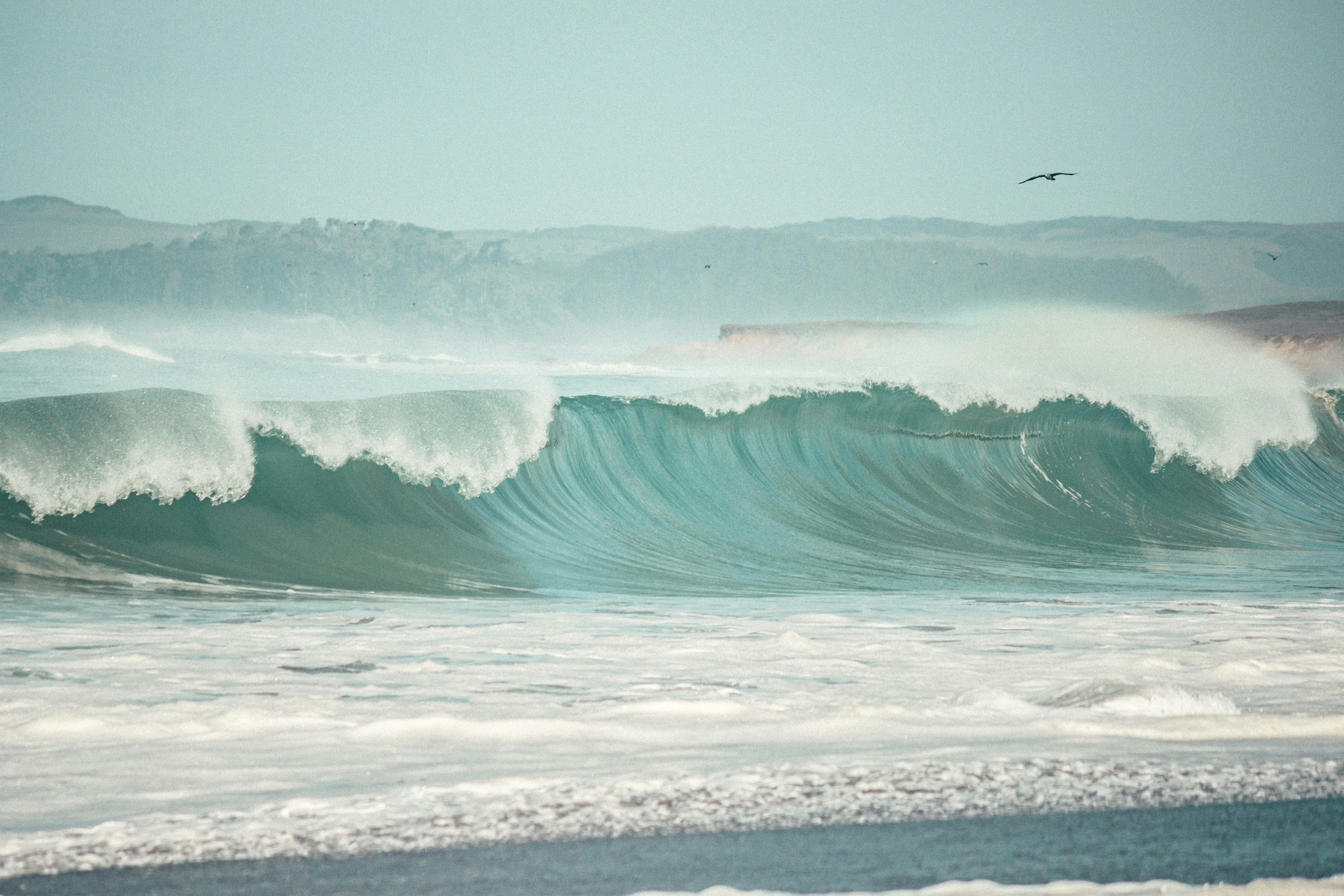
Dangerous, unusually large waves and coastal flooding have affected parts of California’s coast, including flooded Bay Area streets, threats to homes, and damage to Avila Pier and nearby beaches in San Luis Obispo County. Local reporting from the San Francisco Chronicle and the San Luis Obispo Tribune describes the impacts.
For roofing, restoration, plumbing, and general contracting businesses in affected areas, the first priority is safety—not winning the job.
If someone reports an immediate threat to life or safety, a downed power line, gas leak, fire, carbon monoxide concern, or medical equipment losing power, direct them to the appropriate emergency authorities. Do not use an automated message as emergency triage, and do not promise a crew response before a qualified person confirms the situation, service area, and capacity.
The reports do not establish that California contractors are receiving more leads. But businesses in impacted coastal areas can prepare for a possible increase in damage-related inquiries with a process that acknowledges customers promptly without making unsafe promises.
Table of contents
- What high-surf inquiries can look like
- The safety-first lead-response checklist
- Questions to collect before scheduling
- Message templates for high-surf damage inquiries
- How to handle leads you cannot take immediately
- Where SMS automation fits—and where it does not
- Frequently asked questions
What high-surf inquiries can look like
High-surf and coastal-flooding inquiries are not the same as ordinary roofing or restoration leads. A homeowner may be stressed, uncertain about the damage, unable to access part of the property, or trying to reach several businesses at once.
If inquiries rise, your team may receive requests involving:
- Roof leaks or wind-driven water entering a structure
- Water intrusion near doors, windows, crawl spaces, or lower levels
- Damaged exterior materials, fencing, siding, or gutters
- Questions about temporary protection after water exposure
- Requests for inspection, documentation, cleanup, drying, or repair estimates
- Insurance-related questions before a customer knows the scope of damage
- Calls from outside your normal coastal service area
The operational risk is not simply a missed call. It is treating every message as a routine estimate request when conditions may still be unsafe or when your crews cannot reasonably respond.
A better goal is to create a clear path:
- Acknowledge the inquiry.
- Flag any immediate safety concern for human review.
- Confirm whether the job is inside your service area and current capacity.
- Gather only the information needed for the next safe step.
- Set realistic expectations for a callback, review, or possible inspection.
- Continue follow-up when the customer is not ready or you cannot schedule immediately.
For a broader contractor workflow, see automated lead follow-up systems for contractors.
The safety-first lead-response checklist
Use this checklist before turning a weather-related inquiry into a scheduled job.
1. Keep emergency and life-safety issues out of your sales workflow
Your first message should never imply that your business can handle an active emergency.
If the customer mentions a life-safety emergency, downed power lines, a gas leak, fire, carbon monoxide, or medical equipment losing power, direct them to appropriate emergency authorities. Do not ask for photos before they seek help, and do not automate a dispatch promise.
For less urgent property concerns, your message can acknowledge the request while clearly stating that a team member must review availability and conditions before confirming a visit.
2. Assign a human owner for weather-related leads
During a possible weather-driven influx, every inbound inquiry needs a named owner—even if that owner is only responsible for the first human review.
A simple setup might be:
| Lead type | Initial owner | Next step |
|---|---|---|
| Immediate safety concern | Human reviewer | Refer to appropriate emergency authorities; do not schedule automatically |
| Possible active water intrusion | Office manager or qualified team member | Confirm location, current conditions, and available next step |
| Inspection or estimate request | Scheduler or estimator | Verify service area and offer available appointment options |
| Existing customer asking for status | Account owner | Review existing job details and provide a realistic update |
| Outside service area or unavailable | Office manager | Send a clear decline or delayed-follow-up message |
Do not let an auto-reply become the only response path. Automation can acknowledge a lead, but it cannot assess structural safety, access conditions, or your real crew capacity.
3. Check service area before collecting a full estimate package
A homeowner may submit a request from outside your normal coverage zone, especially when damage affects multiple coastal communities.
Before asking for extensive photos or documentation, verify:
- Property address or ZIP code
- Whether the property is residential or commercial
- Whether the customer is the owner, tenant, manager, or insurer representative
- Your ability to serve that location
- Whether current road, weather, and crew conditions allow a safe visit
This protects your team from spending time qualifying work you cannot reasonably take.
4. Confirm capacity before offering a time
Avoid messages such as “We’ll be there today” unless a qualified person has actually confirmed it.
Instead, use language that reflects the real status:
- “We’re reviewing availability for your area.”
- “A team member will review your request and available next steps.”
- “We can confirm whether an inspection is possible after reviewing the property location and conditions.”
- “We are scheduling the next available assessment appointments.”
This may feel less aggressive than an instant promise, but it is more useful than overcommitting and disappointing customers later.
5. Request information that supports a safe review
Once the request appears appropriate for your business to review, gather basic details that help your team decide what happens next.
Ask for:
- Name and best callback number
- Property address
- A short description of what the customer noticed
- When the issue was first noticed
- Whether water is currently entering the property
- Whether the damage appears to be roof, exterior, interior, plumbing, or mixed
- Whether the area is accessible and safe to photograph from the ground
- Photos only if the customer can take them safely
- Preferred time for a callback or assessment
Never encourage customers to climb onto roofs, enter flooded areas, approach damaged utility equipment, or take photos from unsafe locations.
6. Set the next action before ending the conversation
Every qualified lead should leave the first exchange with one of these outcomes:
- A human callback window
- A request for safe, relevant information
- A pending capacity review
- A confirmed inspection or estimate appointment
- A clear statement that you cannot serve the request
- A follow-up date if scheduling is temporarily limited
That last step matters. During an unusual event, “we’re busy” is not a workflow. A specific next action is.
Questions to collect before scheduling
Your intake form, call script, or text conversation should separate customer facts from assumptions about damage severity.
Minimum intake questions
- What is the property address?
- What issue are you seeing right now?
- Is water currently entering the building?
- When did you first notice the problem?
- Are there any immediate safety concerns?
- Is the affected area safe to access from the ground?
- Can you share photos taken safely, if available?
- What is the best number and time for a team member to call?
- Do you consent to receive text updates about this request?
Questions to avoid in an automated first response
Do not make an automated text attempt to determine:
- Whether a structure is safe to enter
- Whether a roof is safe to inspect
- Whether floodwater presents a hazard
- Whether a customer needs emergency services
- Whether your crew should be dispatched immediately
- The cost or scope of repairs
Those decisions require human judgment and, where appropriate, qualified assessment.
For more general first-response examples, see 15 auto reply messages contractors can use for new leads.
Message templates for high-surf damage inquiries
These templates are starting points. Update them for your service area, actual business hours, capacity, and consent practices.
1. Initial acknowledgment for a web form or inbound lead
Hi [First Name], this is [Business Name]. We received your request regarding possible property damage at [Property Address]. A team member will review the details and our availability for your area. If there is an immediate life-safety emergency or hazard, please contact the appropriate emergency authorities. Reply with a brief description of what you’re seeing and the best time to call.
2. Safe photo request
Thanks, [First Name]. If you can do so safely from the ground or another safe location, please send a few photos of the affected area and any visible interior water damage. Please do not climb onto a roof or enter an unsafe area to take photos. We’ll review what you send and follow up about next steps.
3. Capacity-review message
Hi [First Name], we’re reviewing current appointment availability for your area. We have your address and damage details. A team member will follow up after confirming the next available assessment option. We do not want to promise a visit until we can confirm conditions and crew availability.
4. Appointment confirmation after human review
Hi [First Name], this is [Business Name]. We can offer an assessment appointment on [Day] during [Time Window] at [Property Address]. Please reply YES to confirm, or let us know if that window no longer works.
5. When you cannot serve the location or job
Hi [First Name], thank you for contacting [Business Name]. We’re unable to take this request because it is outside our current service area / capacity. We don’t want to make a commitment we can’t meet. If conditions involve an immediate safety concern, please contact the appropriate emergency authorities.
6. Follow-up when the customer goes quiet
Hi [First Name], checking in on your request for [Property Address]. If you still need an assessment or estimate, reply with a good time to reach you. If you’ve already resolved the issue, no action is needed.
For additional estimate-stage language, use these contractor estimate follow-up text templates.
How to handle leads you cannot take immediately
A full schedule does not require silence. If inquiries rise beyond your available capacity, classify them honestly.
If you can review the lead later
Tell the customer when you expect to follow up. Avoid vague language such as “soon” or “when we can.”
Example:
We have your request and are currently reviewing our next available assessment openings. We will update you by [day/time] with availability or next steps.
Only send that message if your team can actually complete the review by the stated time.
If the customer needs work outside your scope
Say so clearly. A roofing company should not imply it can handle a plumbing, electrical, or structural concern just because the inquiry came through during a coastal event.
If conditions prevent safe field work
Do not treat a delay as a customer-service failure. State that an assessment depends on safe conditions and confirmed availability. The right response is a realistic expectation, not an automatic dispatch.
If you are still interested but not ready to schedule
Keep the lead organized for a human follow-up. Record:
- Source of the inquiry
- Location
- Reported issue
- Photos received
- Safety flags
- Last contact time
- Assigned team member
- Next promised action
A documented queue gives your team a better chance of returning to valid requests once conditions and capacity allow.
Where SMS automation fits—and where it does not
SMS automation can be useful if high-surf conditions create a temporary increase in inquiries. It can acknowledge new leads, request basic non-emergency details, confirm that a request was received, and send appropriate follow-ups when a customer does not reply.
It should not replace a qualified person’s decision about safety, scope, estimating, field conditions, or dispatch.
SecureMyLead can serve as the follow-up layer between an inbound lead and your human team. For example, a business can use an automated first text to acknowledge a new request, then route the conversation to a staff member who confirms location, capacity, and the correct next step.
Before texting, make sure you have appropriate customer consent and that your messages identify the business. Customers remain responsible for using messaging tools lawfully and for honoring applicable consent requirements.
If your team needs a way to acknowledge new inquiries and keep non-emergency follow-up from being forgotten, get started free.
Key takeaways
- California reporting has described dangerous high surf, coastal flooding, threats to homes, and damage to coastal infrastructure and beaches.
- The available reports do not prove that contractors are receiving more leads, but affected businesses can prepare for a possible rise in property-damage inquiries.
- Put life-safety issues ahead of lead handling and refer immediate hazards to appropriate emergency authorities.
- Do not promise inspections, emergency response, pricing, or dispatch before a qualified person confirms safe conditions, service area, and capacity.
- Use automation for acknowledgment and consistent follow-up—not for damage assessment or emergency triage.
- Build every response around a clear next step: human review, requested details, scheduled assessment, or a respectful decline.
Frequently asked questions
Should a roofing company automatically offer same-day inspections after high surf?
No. Do not offer or promise a same-day inspection unless a qualified person has confirmed that the property is within your service area, your team has capacity, and conditions allow a safe visit.
What should a restoration business ask first after a coastal flooding inquiry?
Start with the property address, a brief description of the issue, whether water is currently entering the building, whether there are immediate safety concerns, and the best contact time. Request photos only if they can be taken safely.
Can automated texts handle storm or surf-damage leads?
Automated texts can acknowledge an inquiry and collect basic details, but they should not assess hazards, diagnose damage, estimate repairs, or decide whether to dispatch a crew. A human must own those decisions.
What if we cannot take new work right now?
Respond honestly. Let the customer know whether you are reviewing future availability, outside the service area, or unable to take the job. Do not leave the inquiry unanswered or make commitments your team cannot meet.
Should we keep following up with customers who do not respond?
If you have appropriate consent to text, a short, respectful follow-up can help confirm whether the customer still needs assistance. Keep the message focused on the next step and avoid repeated pressure during a stressful event.