Tornado Damage Leads: A Response Checklist for Roofing and Restoration Contractors
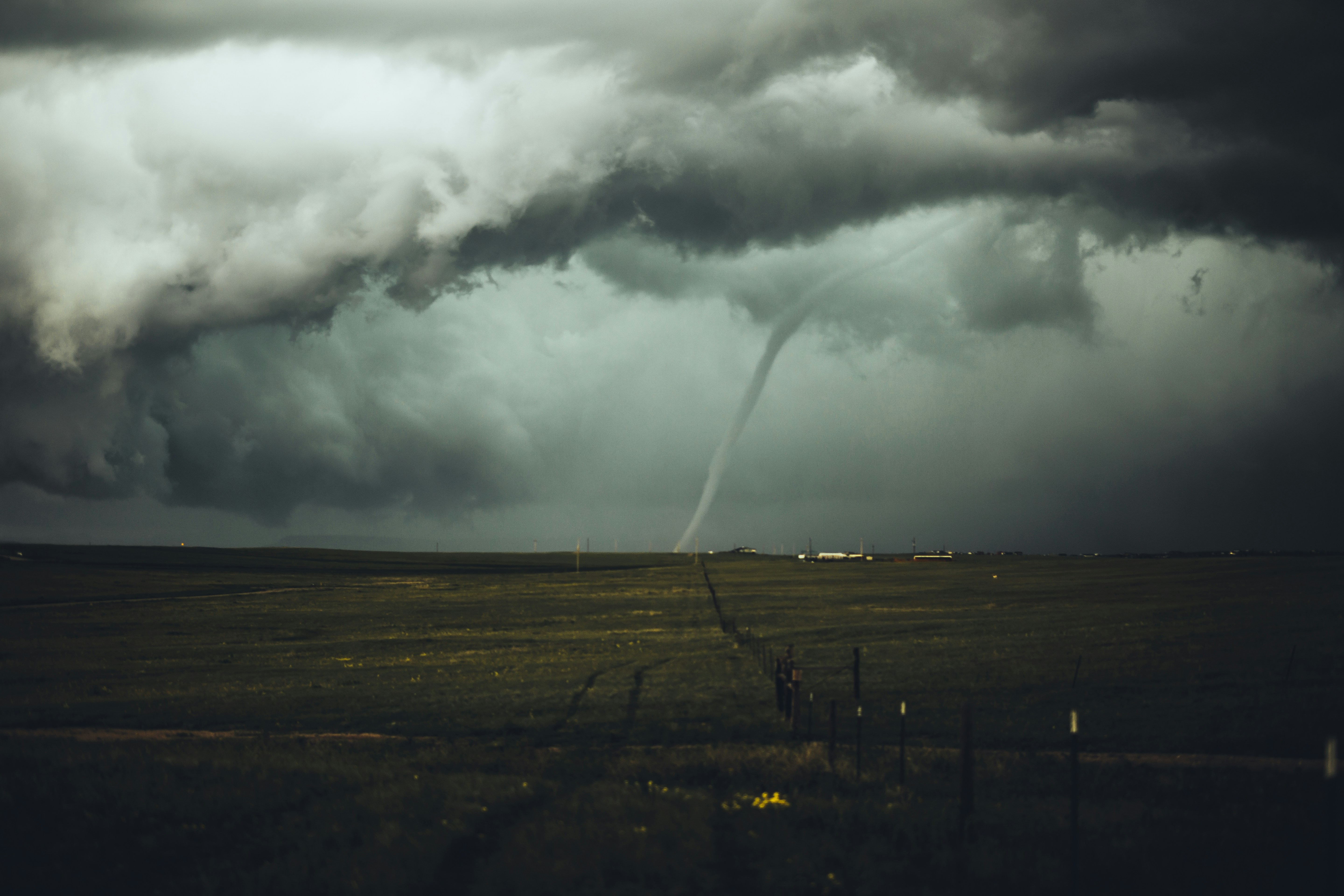
When tornadoes and severe storms damage homes, roofing and restoration contractors may receive damage inquiries alongside their normal workload. A tornado recently damaged 10 homes in central Santa Fe, while severe storms elsewhere in New Mexico left property damage and downed trees behind. Those reports do not document a contractor lead surge—but they are a useful reminder to prepare a clear response process before inquiries begin arriving. Santa Fe New Mexican · FOX Weather
The goal is not to promise immediate service to every caller. It is to acknowledge people promptly, identify situations that need emergency help, gather enough information for a human review, and give realistic next steps based on your actual capacity.
Table of contents
- Start with safety, not sales
- The storm-damage response checklist
- Intake questions for roofing and restoration leads
- Triage damage inquiries by urgency
- Acknowledgment message templates
- Schedule inspections without overbooking
- Handle duplicate inquiries and no-response leads
- Where SecureMyLead fits
- Key takeaways
- FAQ
Start with safety, not sales
A storm-damage inquiry can involve hazards that no text sequence, estimator, or roofing crew should attempt to diagnose remotely.
If a property owner reports—or you can see from photos—any of the following, direct them to the appropriate emergency services or utility provider before discussing an estimate:
- Downed or damaged power lines
- A suspected gas leak
- A fire
- Carbon monoxide concerns
- Medical equipment that has lost power
- An immediate threat to people inside the property
Do not tell a homeowner that a situation is safe based on a form submission, voicemail, or photo. Do not position an automated reply as emergency guidance, an inspection, or a dispatch confirmation.
For non-immediate property damage, your team can move into a normal intake and inspection workflow.
The storm-damage response checklist
Use this checklist when tornadoes, windstorms, hail, or heavy storms may create a temporary increase in roofing or restoration inquiries.
Before inquiries arrive
- [ ] Assign one person to own new storm-related leads during business hours.
- [ ] Decide who checks after-hours replies and when.
- [ ] Confirm how many inspections your team can realistically conduct each day.
- [ ] Set a clear service-area boundary.
- [ ] Prepare one acknowledgment message that does not promise same-day service.
- [ ] Create a short intake form or call script for damage details.
- [ ] Establish a process for flagging immediate hazards to a human reviewer.
- [ ] Tell office staff what information they may collect—and what they should not diagnose.
- [ ] Create a single shared place for inspection requests so duplicate submissions are visible.
- [ ] Prepare follow-up messages for homeowners who need time before booking.
For each new inquiry
- [ ] Confirm the homeowner’s name, property address, phone number, and preferred contact method.
- [ ] Ask what happened and when the damage was noticed.
- [ ] Screen for immediate hazards before treating the request as an estimate.
- [ ] Ask whether the property is occupied and whether water is actively entering.
- [ ] Request photos only if the customer can take them safely from the ground or another safe location.
- [ ] Confirm whether the property is inside your service area.
- [ ] Log the request under one lead record.
- [ ] Send an acknowledgment with a realistic next step.
- [ ] Have a qualified team member review the details before confirming an inspection.
- [ ] Follow up if the homeowner does not respond or is not ready to schedule.
This is a response workflow—not a substitute for emergency services, professional inspection, estimating, scheduling software, or capacity planning.
Intake questions for roofing and restoration leads
Storm-damage calls can be emotionally charged and incomplete. A short, consistent intake prevents your team from asking every homeowner the same questions while helping the right person review the request.
1. Property and contact details
Collect:
- Full name
- Property address
- Best phone number
- Email address, if needed
- Preferred response method
- Whether the person is the owner, tenant, or property manager
If the person is a tenant, note that you may need owner authorization before certain work or inspection discussions. Do not assume the person submitting the form has authority to approve repairs.
2. What kind of damage occurred?
Ask the homeowner to describe what they can safely observe:
- Missing, lifted, or damaged shingles
- Visible roof debris
- Water spots or active water intrusion
- Siding, gutter, window, or exterior damage
- Fallen limbs or trees affecting the structure
- Interior water damage
- Damage to a detached structure
Avoid interpreting this information as a diagnosis. “I see a leak” is useful intake information; it is not proof of the cause or scope of damage.
3. When did it happen?
A simple question—“When did you first notice the damage?”—helps your team understand whether this is a new storm-related request, an older issue, or a previously submitted inquiry.
4. Is anyone in immediate danger?
Use direct, plain language:
Are there any immediate safety concerns, such as downed power lines, a suspected gas leak, fire, carbon monoxide concerns, or medical equipment without power?
If yes, pause the standard lead workflow and direct the person to the appropriate emergency services or utility provider.
5. Can they share photos safely?
Photos can help a contractor prepare for a conversation, but do not encourage unsafe behavior. Ask for ground-level photos of visible damage only. Do not ask someone to climb onto a roof, move debris near power lines, enter an unstable area, or approach a damaged tree.
A safer request:
If you can safely take a few ground-level photos of the visible damage, you can send them here. Please do not climb on the roof or approach damaged utility equipment.
Triage damage inquiries by urgency
Not every storm inquiry needs the same response. A simple set of categories helps the team communicate clearly without making promises it cannot keep.
| Category | What it may include | Appropriate next step |
|---|---|---|
| Emergency hazard | Downed power lines, gas-leak concerns, fire, carbon monoxide concerns, medical equipment without power | Direct the property owner to the appropriate emergency services or utility provider. Do not treat this as a routine estimate request. |
| Urgent property concern | Active water entering a property, a tree affecting the structure, or major visible exposure | Escalate for prompt human review. Confirm availability before offering any service time. |
| Standard inspection request | Visible exterior damage, suspected roof damage, or a request for an assessment | Gather intake details and offer the next available inspection option after review. |
| Information-only inquiry | General questions about storm damage, insurance paperwork, or service area | Provide accurate scope information and invite the person to submit details when ready. |
The category is for internal prioritization. It is not a remote inspection result, nor should it be presented to customers as a technical determination.
Acknowledgment message templates
An immediate acknowledgment can reassure a homeowner that the message was received. It should not promise that someone is on the way, guarantee a same-day inspection, or suggest that your business has evaluated the damage.
For broader first-response guidance, see 15 auto reply messages contractors can use for new leads.
New storm-damage form submission
Hi [First Name], this is [Business Name]. We received your request about possible storm damage at [Property Address]. A team member will review the details and follow up about the next available inspection option. If there is an immediate danger such as downed power lines, a gas leak, fire, carbon monoxide concern, or medical equipment without power, please contact the appropriate emergency service or utility provider.
Photo request after a safe intake
Thanks, [First Name]. If you can safely take ground-level photos of the visible damage, you can send them here for our team to review before we discuss next steps. Please do not climb on the roof or approach damaged utility equipment.
When capacity is limited
Hi [First Name], we received your storm-damage request. Our team is reviewing inspection availability, and we do not want to promise a time before confirming it. We’ll follow up with the next available option or let you know if we cannot serve your area.
After-hours acknowledgment
Hi [First Name], this is [Business Name]. We received your storm-damage inquiry outside business hours. We’ll review it when our team is available. For immediate hazards involving power lines, gas, fire, carbon monoxide, or medical equipment without power, please contact the appropriate emergency service or utility provider.
These messages set expectations while preserving room for a qualified person to review the situation.
Schedule inspections without overbooking
A fast reply is helpful only when it is honest. During possible storm-driven demand, a contractor can create more frustration by promising same-day service than by giving a clear, realistic timeline.
Use availability windows, not assumptions
Instead of saying, “We can be there today,” use language such as:
- “We’re reviewing the next available inspection times.”
- “A team member will confirm whether we can serve your address.”
- “We’ll contact you with the next available option after reviewing the details.”
This gives your office time to confirm crew availability, geography, material needs, and the type of inspection required.
Separate acknowledgment from booking
Your first response should confirm receipt. Inspection scheduling should happen only after a person confirms:
- The request is within your service area.
- The property does not present an emergency hazard that requires outside help first.
- Your business has capacity to offer the appointment.
- The homeowner understands the proposed window.
This distinction matters when several inquiries arrive close together. An automated acknowledgment can keep leads from sitting unanswered, but it does not schedule work or decide which property your crew should visit first.
Keep a waiting-list workflow
If inspections are booked out, do not leave people with silence. Record:
- The requested service
- Address and service-area status
- Damage summary
- Best callback time
- Whether photos were provided
- Whether the homeowner wants the next opening
- The date of the next follow-up
Then send a plain update rather than a vague promise:
We have your request and have added you to our inspection follow-up list. We’ll contact you if an earlier opening becomes available or when we can offer the next confirmed appointment.
Handle duplicate inquiries and no-response leads
During stressful events, a homeowner may submit a form, call, text, and message your social page. Treat this as one customer request—not four separate jobs.
Match before creating a new record
Before adding another entry, check for matching:
- Phone number
- Property address
- Name
- Email address
If the details match, add the new information to the existing record. Note the latest contact time and the channel used. This prevents different staff members from offering conflicting availability.
Follow up with homeowners who are not ready
Some people will be waiting for a spouse, insurer, landlord, or clearer weather before scheduling. A brief follow-up can keep the conversation open without pressuring them.
Hi [First Name], this is [Business Name] following up on your storm-damage inquiry for [Property Address]. If you’d like to discuss an inspection, reply here and we’ll check the next available option. If you no longer need help, just let us know.
If you use SMS follow-up, make sure you have the appropriate consent to message that person. Keep replies monitored, especially during a storm-related workflow.
For more contractor follow-up examples after an inspection or estimate, read estimate follow-up text templates for contractors.
Where SecureMyLead fits
SecureMyLead can support the acknowledgment and follow-up portion of this process: it can automatically text a new lead when it arrives and run personalized SMS follow-up sequences so an inquiry is less likely to sit unnoticed.
It is not an emergency dispatch tool, inspection system, estimator, scheduler, or capacity-management platform. A human still needs to review hazards, confirm service area and crew availability, respond to customer replies, and decide whether an appointment can be offered.
For roofing businesses that want a broader follow-up workflow, visit the SecureMyLead roofers page or read the contractor web form auto-response guide.
Key takeaways
- New Mexico storm reports show why roofing and restoration companies should prepare for possible damage-related inquiries, but they do not prove a contractor lead surge.
- Immediate hazards come before business intake. Direct downed-line, gas, fire, carbon monoxide, and medical-equipment power-loss concerns to the appropriate emergency services or utility provider.
- Ask consistent intake questions, but do not diagnose damage from a form, text, or photo.
- Send an acknowledgment quickly without promising same-day service or a confirmed inspection.
- Separate receipt confirmation from scheduling so a human can verify capacity and fit.
- Merge duplicate submissions and maintain a clear follow-up process for homeowners who are not ready to book.
FAQ
Should roofers promise same-day storm inspections?
No. Do not promise same-day service unless a qualified person has confirmed that your team has the availability, service-area coverage, and appropriate capability to provide it. Acknowledge the request promptly, then provide a confirmed option after review.
Should a contractor ask homeowners to send roof photos?
You can request ground-level photos of visible damage if the homeowner can take them safely. Do not ask anyone to climb on a roof, approach power lines, move unstable debris, or enter an unsafe area for photos.
Can an automated text message triage storm emergencies?
No. An automated message can acknowledge that an inquiry was received and direct people with immediate hazards to the appropriate emergency services or utility provider. It cannot assess severity, replace emergency services, or replace a professional inspection.
What should a restoration company do when multiple storm inquiries come in at once?
Use one intake process, store each property under a single record, flag possible emergency hazards for human attention, and avoid confirming appointments until your team verifies capacity. If you are booked out, communicate that clearly and offer the next confirmed step.
How long should a contractor follow up after a storm-damage inquiry?
Follow up based on the customer’s stated timeline, your capacity, and the status of the request. If they are not ready to schedule, send a concise check-in rather than repeated pressure. Keep the conversation relevant to the inspection or information they requested.
Related reading
- Automated lead follow-up systems for contractors: complete guide
- How to follow up with home service leads automatically
- Best lead response templates for service businesses
When storm-related inquiries need a prompt acknowledgment and consistent follow-up, SecureMyLead can help support that communication workflow while your team handles the decisions that require human judgment.