Tornado and Severe Storm Lead Response for Baltimore Contractors
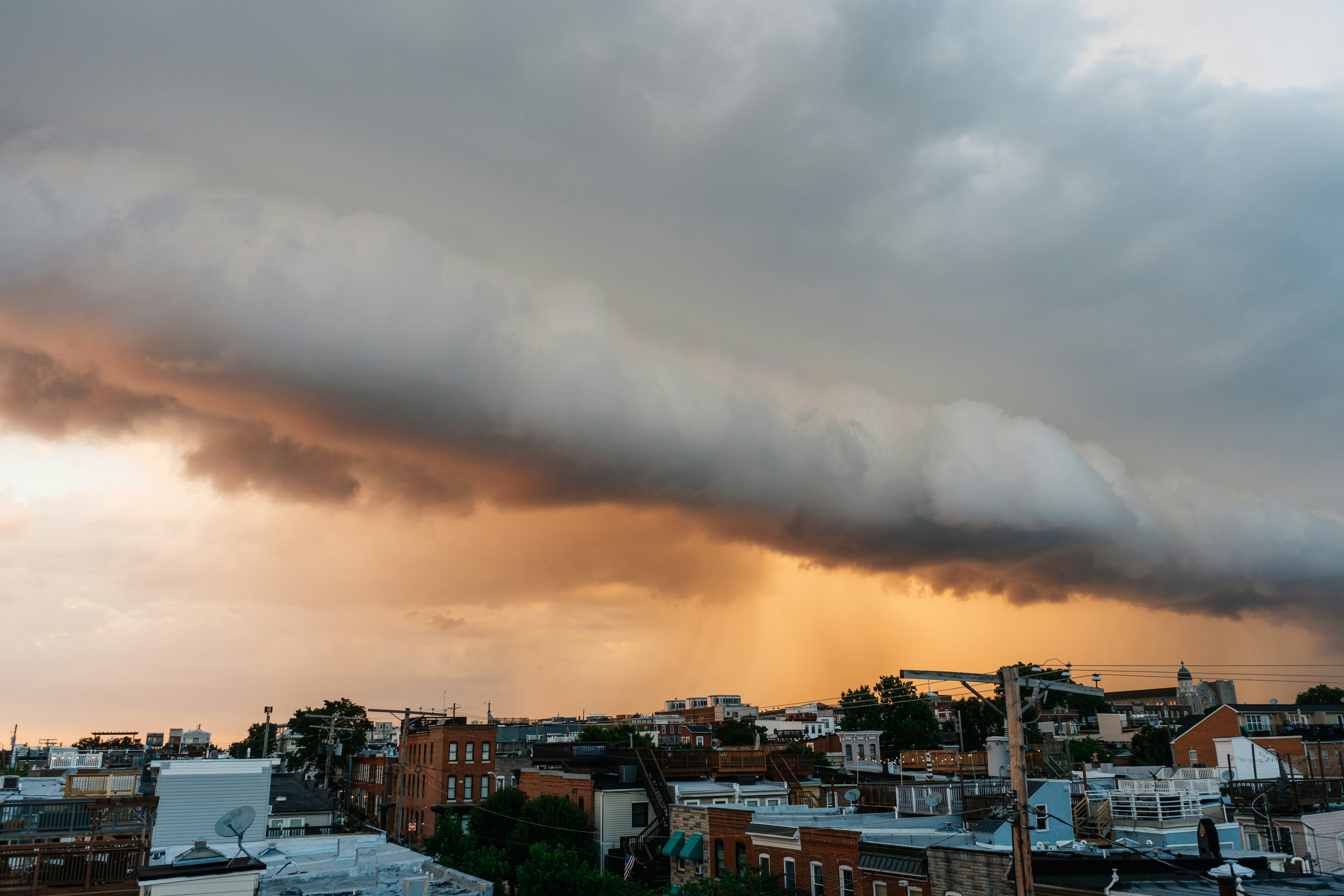
A severe thunderstorm watch is active for Baltimore and the surrounding region, with storms expected to bring damaging winds and flooding through the evening of August 10, 2026. For roofing, tree service, restoration, and other home-service contractors, this kind of weather can create a sudden wave of inbound inquiries — often while you’re still securing your own equipment or waiting for conditions to clear.
This article is an operational playbook for Baltimore-area contractors who need to manage that immediate lead surge without letting urgent damage calls slip through the cracks. It covers instant acknowledgment, after-hours response, and a simple triage framework you can use the moment the phones start ringing.
What Baltimore Contractors Are Facing Right Now
According to WBAL-TV, a severe thunderstorm watch was issued for parts of Maryland, including Baltimore, until 9 p.m. on August 10, 2026. Forecasts call for damaging winds and flooding — the kind of conditions that can tear off shingles, bring down limbs, and leave homeowners searching for help fast.
When severe weather hits, the typical inbound pattern for local contractors looks like this:
- Immediate spike — Roofing, tree removal, and water mitigation calls jump within hours of the storm passing.
- After-hours volume — Many homeowners don’t start calling until they get home from work or notice damage after dark.
- High-intent, low-patience leads — A homeowner with a tree on their garage or water coming through the ceiling isn’t going to wait until morning for a callback.
If you’re a Baltimore contractor, the next 24–48 hours may bring more inbound leads than a typical week. How you handle those first few hours can determine how many of those calls turn into booked jobs.
Step 1: Get Every Lead Acknowledged Immediately
The single most important operational move you can make during a storm surge is to acknowledge every inbound lead within seconds — not minutes.
When a homeowner submits a contact form, calls and gets voicemail, or sends an email, they’re often simultaneously reaching out to two or three other contractors. The business that responds first has a significant advantage, especially when the homeowner is anxious and wants to know someone is on the way.
What instant acknowledgment looks like
- A text message that arrives within 30–60 seconds of the lead submission.
- It confirms you received their inquiry.
- It sets an expectation for when they’ll hear from a real person.
- It asks one or two qualifying questions to help you prioritize.
Example:
Hi, this is [Your Company]. We received your storm damage inquiry and have you on our list. Are you seeing active water intrusion or is this for an inspection once the storm passes? We’ll call you back within [timeframe].
This does two things: it calms the homeowner and it gives you triage information before you even pick up the phone.
Why manual response breaks during a surge
During normal conditions, you might personally text or call every lead within a few minutes. During a storm surge, you’re probably:
- On another call.
- Driving to a tarping job.
- Dealing with your own property.
- Asleep because the lead came in at 11 p.m.
Automated first-response texting ensures that every lead gets acknowledged even when you’re unavailable. It’s not a replacement for the human conversation — it’s the bridge that keeps the lead warm until you can get there.
Step 2: Build a Simple Storm Triage Framework
Not all storm leads are equal. Some need immediate dispatch. Some need an estimate next week. Some are just price-shopping. During a surge, you need a fast way to sort them so your team’s time goes to the highest-value opportunities first.
Triage categories
| Priority | Lead Type | Response Goal |
|---|---|---|
| Emergency | Active water intrusion, tree on structure, exposed interior, safety hazard | Call within 15 minutes; dispatch if possible |
| Urgent | Visible exterior damage, missing shingles, downed limbs not on structure | Call within 2 hours; schedule inspection |
| Standard | General inspection request, no visible damage, insurance requirement | Call within 24 hours; schedule at convenience |
| Low | Price-only inquiry, unclear damage, out-of-service-area | Quick reply; qualify before committing time |
How to triage without a dispatcher
If you’re a small team or owner-operator, you can’t triage manually while you’re on a roof or operating a chainsaw. A few practical options:
- Use your auto-reply to ask the triage question — The example above (“active water intrusion or inspection?”) lets you sort leads before you call back.
- Check replies from your phone between jobs — If your auto-reply system lets you see responses in a dashboard or via text, you can quickly scan for emergencies.
- Set a different auto-reply for after-hours — Let late-night leads know you’ll call first thing in the morning, but give them a way to indicate if it’s an emergency.
The goal isn’t perfect triage. It’s making sure the homeowner with water pouring through their ceiling doesn’t get the same response time as someone who just wants a quote for next month.
Step 3: Don’t Let After-Hours Leads Go Cold Overnight
Severe storms don’t clock out at 5 p.m. Some of the highest-intent damage calls come in between 8 p.m. and midnight, when homeowners finally assess the damage after the weather clears.
If those leads hit your voicemail or inbox and sit unanswered until 9 a.m., many of them will have already booked with someone else.
The after-hours playbook
- Auto-reply immediately — Even at 11 p.m., the lead should get a text within seconds acknowledging their inquiry.
- Set a clear callback expectation — “We’ll call you by 8 a.m. tomorrow” is better than silence.
- Give an emergency off-ramp — “If this is an active emergency, reply EMERGENCY and we’ll get someone on the phone as soon as possible.”
- Queue the lead for morning follow-up — Whether it’s a reminder on your phone or a follow-up sequence that triggers at 7 a.m., make sure the lead doesn’t get forgotten in the morning rush.
For more on this, see our full guide on after-hours lead response for contractors.
Step 4: Keep Following Up After the First Contact
During a storm surge, it’s easy to make one call, leave a voicemail, and move on to the next lead. But many homeowners are fielding calls from multiple contractors, dealing with insurance adjusters, and trying to manage their own chaos. A single unanswered call isn’t enough.
A simple storm follow-up cadence
- Hour 0: Instant auto-reply text.
- Hour 1: First phone call (or next business morning if after-hours).
- Hour 24: Follow-up text if no response — “Just checking in — still need help with that storm damage? We have crews in Baltimore this week.”
- Day 3: Another text or call — “Wanted to make sure you got the help you needed. If you’re still looking, we’re available.”
- Day 7: Final check-in — “We’re wrapping up storm work in your area. Let us know if you still need an estimate.”
This cadence keeps you in the conversation without being aggressive. Many homeowners simply get overwhelmed and forget to call back — a few well-timed follow-ups can recover leads that would otherwise be lost.
For copy-paste templates you can use, see our collection of auto-reply messages for contractors.
Step 5: Prepare Your Lead Infrastructure Before the Next Storm
If you’re reading this while the August 2026 storms are already active, focus on Steps 1–4. But once this event passes, take an hour to set up systems so you’re ready for the next one — because Baltimore gets severe weather regularly, and the next surge is always coming.
What to set up now
- Automated first-response texts — Configure them once, and they fire automatically on every lead, 24/7.
- After-hours auto-replies — A separate message for leads that arrive outside business hours.
- A basic follow-up sequence — Even a simple 3-step sequence (immediate, 24 hours, 3 days) keeps leads from falling through the cracks.
- Lead-source connections — If you get leads from your website, Google Ads, Facebook, or directories like HomeAdvisor, connect them so every source triggers the same fast response.
The goal is that next time a severe thunderstorm watch hits Baltimore, your lead response system is already running — and you can focus on the work, not on your inbox.
What This Storm Means for Baltimore Contractors
The August 10, 2026 severe weather may create a temporary surge in demand for roofing, tree service, restoration, and related contractors across the Baltimore area. Businesses that respond fastest and follow up consistently are positioned to capture more of that demand.
This isn’t about exploiting a disaster — it’s about being operationally ready to help homeowners who need urgent assistance. When someone’s roof is leaking or a tree is blocking their driveway, a fast, professional response is genuinely valuable.
Key Takeaways
- A severe thunderstorm watch is active for Baltimore through 9 p.m. on August 10, 2026, with damaging winds and flooding expected.
- Storm events can create a sudden surge of high-intent inbound leads for home-service contractors.
- Instant acknowledgment — within seconds, not minutes — keeps leads warm and prevents them from booking with a faster competitor.
- A simple triage framework (Emergency, Urgent, Standard, Low) helps you allocate limited time to the highest-value opportunities.
- After-hours leads are especially vulnerable to going cold; an auto-reply with a clear callback expectation can hold them overnight.
- Consistent follow-up over several days recovers leads that would otherwise be lost to homeowner overwhelm.
- Setting up automated lead response now prepares you for the next storm surge — which will come.
FAQ: Storm Lead Response for Baltimore Contractors
Q: How fast should I respond to a storm-damage lead? A: Your first acknowledgment should happen within seconds — an automated text is ideal. Your first human call should happen as soon as possible, ideally within 15 minutes for emergencies and within a few hours for urgent damage.
Q: What if I can’t answer the phone because I’m on a job? A: That’s exactly when automated first-response texts earn their keep. The lead gets an immediate reply, and you call them back when you’re off the ladder.
Q: Should I prioritize storm leads over my existing scheduled work? A: Use triage. Emergency and urgent storm leads may need to jump the line. Standard inspection requests can be scheduled around your existing commitments.
Q: How do I handle leads that come in overnight? A: Send an immediate auto-reply that sets a morning callback expectation and gives an emergency off-ramp. Then follow up first thing in the morning.
Q: Is it worth following up with storm leads who don’t answer the first call? A: Yes. Many homeowners are overwhelmed, dealing with insurance, or talking to multiple contractors. A few well-spaced follow-ups over several days can recover leads that would otherwise go to a competitor.
Related Reading
- After-Hours Lead Response: How to Win Jobs While You Sleep
- 15 Auto Reply Messages Contractors Can Use for New Leads
- How to Follow Up with Home Service Leads Automatically
- 7 Lead Follow-Up Mistakes That Quietly Kill Conversion
Ready to Stop Missing Storm Leads?
When the next severe weather hits Baltimore, your response speed will determine how many of those damage calls turn into booked jobs. SecureMyLead automatically texts new leads within seconds — whether you’re on a roof, asleep, or already on another call.
Get started free — no credit card required, setup takes about 10 minutes.
Sources: WBAL-TV, FOX Baltimore