How a Star Player’s Injury Creates a Lead Surge for Local Businesses (and How to Handle It)
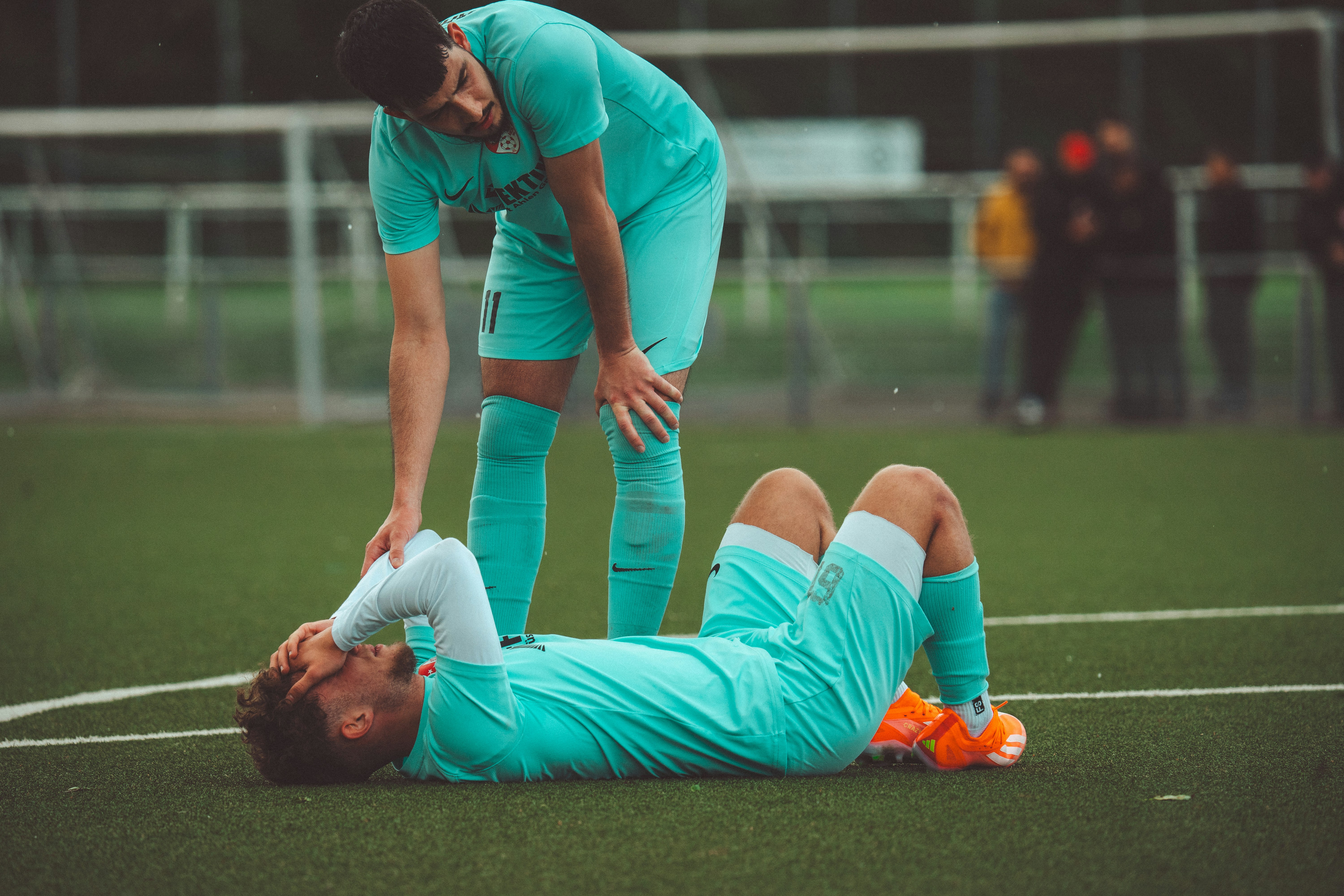
A star player goes down. The news breaks on ESPN, MLB Network, and every social feed in the country. Within minutes, the conversation shifts from “Can we win tonight?” to “What happens now?”
For a local sports bar, a memorabilia shop, or a ticket reseller, that single notification isn’t just sports news. It’s a sudden, unpredictable spike in local interest. The question is whether your business is ready to answer it.
Recent headlines make the pattern clear. The New York Mets placed closer Devin Williams on the 15-day injured list with a right shoulder strain, immediately igniting speculation about who closes next [1][2]. On the same day, Phillies shortstop Trea Turner was scratched from the lineup [4], and LSU’s Flau’jae Johnson was helped off the court with an injury [3]. Each event creates a ripple effect: fans searching for watch parties, checking ticket resale values, or hunting for merchandise tied to a suddenly more important backup player.
None of these specific injuries come with a documented, measured surge in customer inquiries. But the principle is well-established: breaking sports news drives fan engagement, and fan engagement drives local spending. The businesses that capture that demand are the ones that respond while the conversation is still happening.
Here’s how to build a rapid-response plan that turns a breaking sports story into real business—without scrambling every time a notification hits your phone.
Why a Single Injury Can Shift Local Demand Overnight
When a key player is ruled out, several things happen almost simultaneously:
- Watch-party interest spikes. Fans who might have watched at home suddenly want to be around other fans to dissect the news. Sports bars and restaurants become the default gathering place.
- Ticket resale markets move. An injury to a star can shift ticket prices in both directions—some fans sell, others see an opportunity to buy cheaper seats for a game they now expect to be different.
- Merchandise interest shifts. The backup who steps into the spotlight may suddenly see a run on jerseys, shirts, and collectibles. Memorabilia shops and online sellers can see a short, sharp window of demand.
- Lineup speculation drives conversation. Fans want to talk. They post, they text, they call. Businesses that are part of that conversation—through social media, text replies, or simply being visibly open and ready—can capture the attention that follows.
The common thread is speed. The fan who searches “where to watch the Mets game tonight” at 6:15 PM isn’t going to wait until tomorrow morning for a reply. They’ll go where the answer already is.
How to Prepare a Rapid-Response Plan Before the Next Injury Hits
You can’t predict which player will get hurt or when. But you can build a lightweight system that lets you react in minutes instead of hours.
1. Designate a “news trigger” for your business
Pick one or two sports stories that directly connect to your customer base. A sports bar in Queens cares about a Mets closer injury. A ticket reseller in Philadelphia cares about a Phillies lineup scratch. A memorabilia shop with a strong college fanbase cares about a star player leaving the court.
You don’t need to monitor every sport. You need to monitor the one or two that actually drive your local demand.
2. Pre-write your acknowledgment templates
When the news breaks, you won’t have time to craft the perfect message from scratch. Pre-write a few short templates you can deploy instantly:
- Sports bar: “Devin Williams to the IL—we’ve got the game on every screen tonight. Come through.”
- Ticket reseller: “Trea Turner scratched. If you’re rethinking your tickets for this weekend, we’re buying and selling—text us.”
- Memorabilia shop: “Flau’jae Johnson injury update has everyone talking. We’ve got LSU gear in stock—stop by or DM us.”
These aren’t marketing campaigns. They’re rapid acknowledgments that show you’re part of the conversation fans are already having.
3. Decide where the message goes
A social post is good. A direct response to an inbound inquiry is better. When someone texts “Are you showing the game tonight?” or “Do you have any Senga jerseys?” the business that replies first usually wins the sale.
If you’re on a job site, behind the bar, or handling another customer, that reply may not happen fast enough. This is where an automated first response can bridge the gap—acknowledging the inquiry instantly while you finish what you’re doing.
4. Set up a simple follow-up sequence
A single reply is rarely enough. The fan who asks about watch-party availability at 5 PM may need a reminder at 6:30 PM. The memorabilia inquiry that comes in during the third quarter may need a follow-up the next morning when the shop is actually open.
A short, pre-built sequence—an immediate acknowledgment, a follow-up a few hours later, and a final check-in the next day—can capture business that would otherwise evaporate once the initial excitement fades.
What Not to Do When a Sports Story Breaks
The biggest mistake is treating a breaking sports event like a normal marketing day. It’s not. The window is short, the tone is different, and the audience is emotionally charged.
Don’t wait for the perfect post. A slightly rough message sent now outperforms a polished message sent tomorrow.
Don’t ignore the emotional context. Fans may be frustrated, anxious, or excited about the backup player getting a shot. Your message should match the mood, not sound like a generic promotion.
Don’t pretend the injury is good for business. “Williams is out—come celebrate with us!” lands wrong. “Williams to the IL. We’ve got the game on, come through” acknowledges the news without exploiting it.
Don’t rely on a single channel. Some fans will check Instagram. Others will text. Others will call. If your response system only covers one channel, you’ll miss the inquiries coming through the others.
How SecureMyLead Helps You Respond While the Story Is Still Hot
When a breaking sports story drives a sudden wave of inquiries, the operational problem is simple: too many messages, not enough time, and a very short window to reply.
SecureMyLead is built for exactly this scenario. It sits on top of your existing lead sources—your website form, your social ads, your missed calls—and sends an automated text response within seconds of an inquiry arriving. You can pre-load acknowledgment templates for the sports stories that matter to your business, so when the news breaks, your response system is already in place.
From there, a short follow-up sequence can keep the conversation going: a reminder before game time, a next-day check-in for merchandise inquiries, or a prompt to book a reservation while availability lasts.
The goal isn’t to replace human interaction. It’s to make sure no inquiry sits unanswered while you’re busy running the business. In the window right after a major sports story breaks, that speed is often the difference between capturing the demand and watching it go to the business that replied first.
Key Takeaways
- Breaking sports injuries create short, intense windows of local demand for sports bars, ticket resellers, memorabilia shops, and related businesses.
- The businesses that capture that demand are the ones that respond while the conversation is still happening, not hours later.
- Pre-written acknowledgment templates tied to specific teams or players let you deploy a relevant message in minutes instead of scrambling to write one from scratch.
- A simple follow-up sequence—immediate reply, pre-game reminder, next-day check-in—can convert initial curiosity into actual visits, purchases, or bookings.
- Automated first responses bridge the gap when you’re too busy to reply manually, ensuring no inquiry goes dark during the peak interest window.
Frequently Asked Questions
Do I need to monitor every sport to make this work? No. Pick the one or two teams or leagues that actually drive your local customer base. A sports bar near Citi Field cares about the Mets. A memorabilia shop with a strong college fanbase cares about LSU. Focus there.
How fast do I really need to respond? The peak interest window for a breaking sports story is often measured in hours, not days. A fan deciding where to watch tonight’s game at 5 PM isn’t waiting until tomorrow for your reply. Speed matters.
What if the injury news turns out to be minor? The operational lesson still holds. The next injury, lineup change, or major sports story will create the same pattern. Building the response system now means you’re ready for the one that actually moves your local market.
Can I use the same templates for different sports? You can use the same structure, but the specifics should change. A Mets fan and an LSU fan are following different stories, different players, and different emotional arcs. Generic messages feel out of touch.
Related Reading
- 15 Auto Reply Messages Contractors Can Use for New Leads – The same rapid-response principle applied to service businesses.
- How Fast Booking Gives You an Unfair Advantage Over Competitors – Why speed to lead matters across every industry.
- How to Follow Up with Facebook Leads Before Your Competitors Do – Applying the rapid-response playbook to paid social leads.
When the next breaking sports story hits, your customers will be talking. Make sure your business is part of the conversation—starting with a response that arrives while the news is still fresh.
Get started free and build your rapid-response system before the next big story breaks.