How Los Angeles Service Businesses Can Prepare for Super Bowl LXI Lead Inquiries
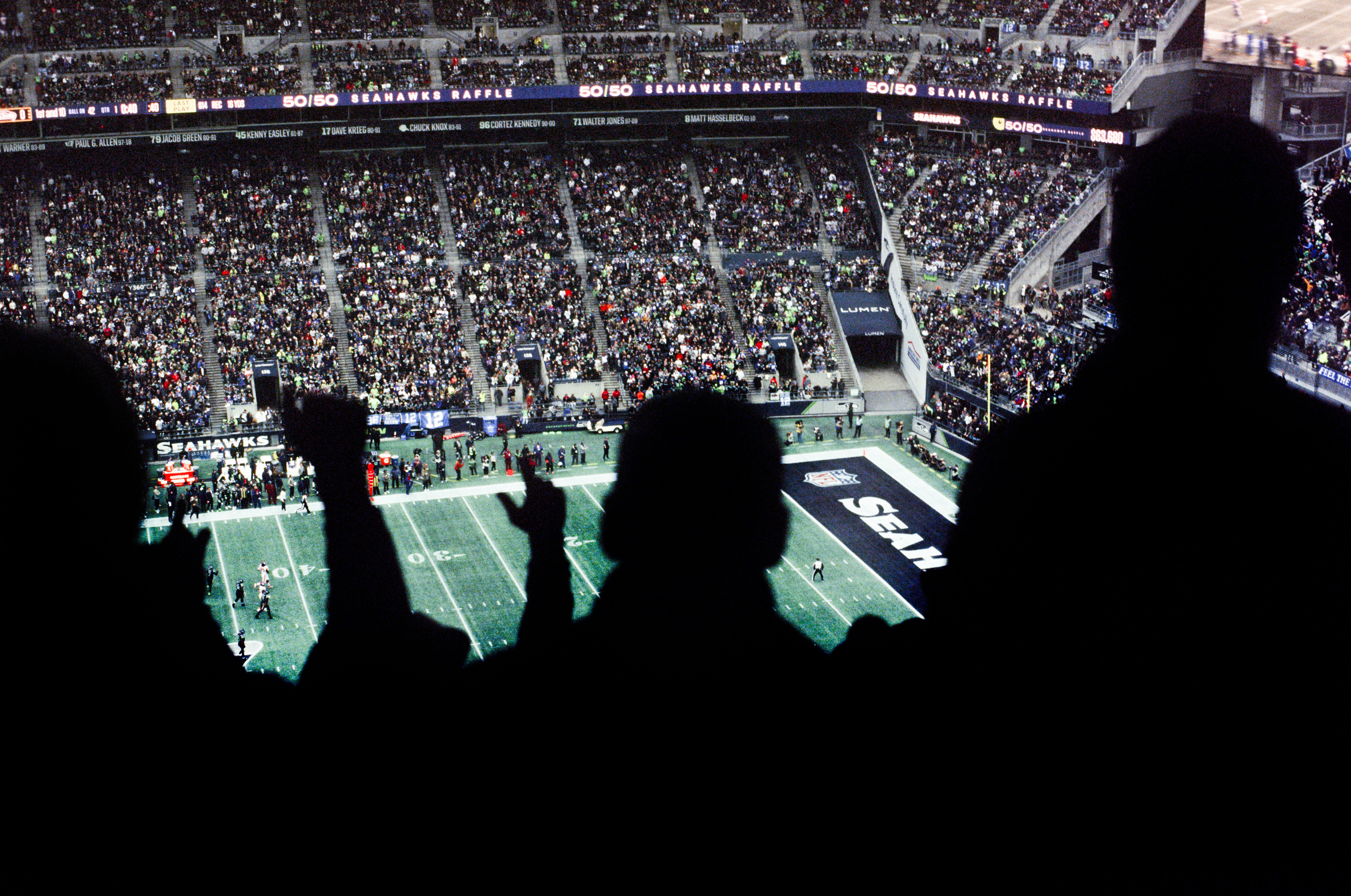
Super Bowl LXI preparations have officially begun in Los Angeles, with local kickoff activity underway and a media summit planned, according to KTLA and the Orange County Register.
That does not prove that every local service business will receive more leads, bookings, or revenue. The available reporting does not document a measurable increase in service-business demand.
But businesses with a plausible connection to visitors, venues, hospitality, rentals, property operations, transportation, or event-adjacent activity should prepare for a possible rise in short-notice inquiries. The practical question is not “Will the event guarantee more business?” It is: If inquiries rise, can your team respond clearly, qualify the work, and avoid taking on jobs it cannot deliver?
This playbook helps Los Angeles service businesses build that response process before demand becomes time-sensitive. It is also reusable for concerts, conventions, major sports events, holiday weekends, and other local activity spikes.
Table of contents
- Decide whether the event is relevant to your business
- Set your service-area and capacity rules first
- Create one clear inquiry-capture path
- Build a fast acknowledgment that does not overpromise
- Qualify event-related inquiries with the right questions
- Create a human handoff and ownership rule
- Follow up when a prospect is not ready to book
- Copy-and-paste response templates
- Super Bowl LXI preparation checklist
- How SecureMyLead fits into the workflow
- FAQ
Decide whether the event is relevant to your business
A major event is not automatically a marketing opportunity for every company. Start by identifying the specific situations where your service could reasonably be needed.
Potentially relevant Los Angeles businesses may include:
- Cleaning companies supporting short-term rentals, hospitality properties, or event spaces
- Plumbers, electricians, HVAC companies, and handypersons serving commercial properties, rentals, restaurants, or venues
- Locksmiths and auto-service businesses handling visitor or fleet-related needs
- Property maintenance companies supporting hosts, managers, and landlords
- Transportation, detailing, storage, printing, security, and event-support providers
- Restoration or repair businesses that may receive urgent property-service requests
- Contractors supporting temporary upgrades, repairs, or property turnover work
The key is to define a believable connection. Do not build an event-specific campaign solely because the Super Bowl is happening nearby.
Ask three practical questions
Before changing your website, ads, or follow-up process, ask:
- Who might contact us because of event-adjacent activity? For example: a vacation-rental host needing turnover cleaning, a restaurant needing a quick repair, or a property manager needing maintenance help.
- What kind of request could they make? Separate routine estimates from time-sensitive repair needs, commercial requests, and questions your business does not handle.
- Can we serve that request profitably and safely? A lead is not automatically a good lead if it is outside your service area, beyond your staffing capacity, or incompatible with your normal work.
This prevents a common event-period mistake: attracting inquiries your team cannot responsibly handle.
Set your service-area and capacity rules first
A possible inquiry increase becomes difficult when the team has to decide every request from scratch. Make the decisions in advance.
Define your event-period service area
Write down:
- ZIP codes, neighborhoods, or corridors you will serve
- Areas you will serve only for larger jobs or existing customers
- Areas you will decline because travel time makes the work impractical
- Any commercial, hotel, rental, or property-management work you will accept
- Any job types you will not take during busy periods
For example, a property-maintenance company may choose to prioritize existing management clients and properties within its usual service radius rather than accepting every last-minute request across Los Angeles County.
Your first response should reflect these boundaries without sounding dismissive.
“Thanks for reaching out to [Business Name]. We serve [service area] and can review your request. What is the property address and what type of help do you need?”
Set capacity limits before the calendar fills
Capacity is not just the number of appointments on a calendar. It includes travel time, material availability, technician skill, phone coverage, and the time needed to communicate with customers.
Decide in advance:
- How many new jobs or estimates you can take per day
- Which services have limited availability
- Who can approve an exception
- When your team should stop offering same-day or next-day availability
- What you will say when the schedule is full
- Which leads deserve a waitlist or future-date follow-up
Do not tell every prospect “we can fit you in” before a real person checks availability. Acknowledging an inquiry quickly is helpful; promising a booking you cannot honor creates a worse customer experience.
Create one clear inquiry-capture path
During a potentially busy period, leads can arrive from calls, web forms, social messages, referrals, paid ads, directory listings, and email. The more disconnected those channels are, the easier it is for an inquiry to sit unanswered.
Create a simple intake standard for every new inquiry.
Minimum information to capture
At a minimum, record:
| Information | Why it matters |
|---|---|
| Name and preferred contact method | Lets the right person respond |
| Service address or neighborhood | Confirms service-area fit |
| Requested service | Separates viable work from irrelevant requests |
| Timing needed | Identifies urgent, planned, and flexible requests |
| Residential, rental, commercial, or venue-related | Helps route the request correctly |
| Photos or details, when appropriate | Helps determine whether an estimate or call is needed |
| Source of inquiry | Shows where event-period leads are coming from |
Avoid making the first form too long. A prospect needing help may not complete a detailed questionnaire. Collect the essentials first, then gather more detail during qualification.
Update customer-facing pages before demand arrives
Review your contact page, Google Business Profile, social profiles, and any event-focused landing pages. Make sure they show:
- Your current service area
- The services you actually provide
- Your normal business hours
- A clear contact method
- Whether appointment availability requires confirmation
- Any useful instruction for submitting photos or an address
If you are promoting an event-adjacent offer, make the scope specific. “Property turnover cleaning for Los Angeles short-term rentals” is clearer than vague “Super Bowl services” language.
Build a fast acknowledgment that does not overpromise
A prompt acknowledgment reassures prospects that their request was received. It should not pretend that an appointment is booked, a technician is dispatched, or the work is approved.
A good first response does four things:
- Identifies your business
- Confirms receipt of the inquiry
- States the next piece of information you need
- Sets a realistic expectation for human follow-up
For broader guidance, see auto reply messages for leads and these lead response templates for service businesses.
Use different acknowledgments for different lead types
An inquiry from a hotel manager about ongoing property work should not receive the same message as a homeowner asking for a routine estimate.
Create separate first responses for:
- New quote requests
- Time-sensitive service requests
- Property-manager or commercial inquiries
- Existing-customer requests
- After-hours inquiries
- Out-of-area requests
This makes your team sound prepared without requiring every response to be written from scratch.
Qualify event-related inquiries with the right questions
Event-adjacent demand can create unusual requests: tight time windows, access restrictions, multiple decision-makers, or work at rental and commercial properties. Qualification should establish whether the request fits your business before you spend time quoting it.
Questions to ask before committing
Use the questions that match your service:
- What is the service address?
- What work do you need help with?
- When do you need the work completed?
- Is this a home, short-term rental, hotel, restaurant, venue, or commercial property?
- Are you the owner, property manager, guest, or authorized contact?
- Is there a site contact or access process we should know about?
- Can you send photos or a brief description of the issue?
- Are there any building, parking, loading, or access restrictions?
- Is this a one-time need or ongoing support?
- What is the best number for the person who can approve the work?
Not every lead needs every question. A small repair request may require only an address, description, photos, and timing. A larger commercial request may require more detail before your business decides whether to quote.
Separate urgency from importance
A customer may say a request is urgent because they want it completed quickly. That does not necessarily mean it is an emergency.
Do not use automated messaging to diagnose dangerous situations. If an inquiry involves a downed power line, gas leak, carbon monoxide concern, fire, or medical equipment losing power, the customer should contact the appropriate emergency services or utility provider. Your business should not treat automated follow-up as emergency triage.
For ordinary time-sensitive requests, use a clear internal category such as:
- Same-day review needed
- Next available appointment
- Estimate request
- Commercial/property-manager review
- Not a fit
That gives your team a consistent way to decide who needs human attention first.
Create a human handoff and ownership rule
Automation and templates can acknowledge a new inquiry, but a person must own the next decision.
Choose the person or role responsible for:
- Reviewing new leads during business hours
- Handling urgent but non-emergency requests
- Confirming actual availability
- Quoting or arranging an estimate
- Declining out-of-area or unsuitable requests
- Following up with leads that did not schedule
- Escalating commercial or property-management opportunities
Use a simple ownership format
For each lead, your team should be able to answer:
- Who owns the next response?
- What information is still missing?
- What is the promised next step?
- When should that next step happen?
- Is the lead accepted, pending, waitlisted, or declined?
If no one owns the next action, the lead can disappear even when the business replied quickly.
For a deeper system-building framework, read how to build a lead follow-up system that runs automatically.
Follow up when a prospect is not ready to book
Some event-related prospects may be comparing providers, waiting for an owner’s approval, confirming guest turnover dates, or trying to coordinate access. A non-response is not always a rejection.
Use follow-up to make the next step easy, not to pressure the prospect.
A practical follow-up sequence
For a normal, non-emergency service inquiry:
- Initial acknowledgment: Confirm receipt and request the key missing detail.
- First follow-up: Send a short check-in if the prospect has not replied.
- Second follow-up: Offer a simple next action, such as sending photos, confirming the address, or choosing an estimate window.
- Final follow-up: Let them know how to reconnect if they still need help.
The timing should fit the service and the requested date. A same-week property request may need a quicker cadence than a long-term commercial estimate.
For more examples, see how long to wait before following up with a lead and how to follow up on quotes without losing the customer.
Copy-and-paste response templates
Adapt these messages to your actual services, availability, and consent practices.
New event-period inquiry acknowledgment
Hi [First Name], this is [Name] with [Business Name]. Thanks for reaching out about service at [Address/Area]. We received your request. Could you send a quick description of what you need and the date or timing you have in mind? We’ll review it and let you know the next available option.
Property manager or rental inquiry
Hi [First Name], thanks for contacting [Business Name]. We can review your request for the property at [Address]. Please send the service needed, preferred completion date, and any access or parking details. Once we have that, our team can confirm whether we’re able to help.
Request that needs availability confirmation
Thanks for the details, [First Name]. We’re checking availability for [requested service] in [area]. We’ll confirm the next step after reviewing the schedule. Please don’t consider the appointment booked until we send confirmation.
Out-of-area response
Hi [First Name], thanks for contacting [Business Name]. The address you shared is outside our current service area, so we’re not able to take this request. We appreciate you considering us.
No-response follow-up
Hi [First Name], just checking in on your request for [service] at [address/area]. If you still need help, reply with your preferred timing or send any photos/details that would help us review the job.
Final follow-up
Hi [First Name], we haven’t heard back, so we’ll close this request for now. If you still need [service], reply here with the address and preferred timing, and we’ll let you know whether we have availability.
Super Bowl LXI preparation checklist
Use this checklist before launching any event-focused promotion or expanding coverage.
Service and capacity
- [ ] Identify the event-adjacent services you can realistically provide
- [ ] Set your service-area boundaries
- [ ] Define services or job types you will decline
- [ ] Set daily capacity limits and exception rules
- [ ] Identify who approves schedule changes
- [ ] Create a waitlist or future-availability option if appropriate
Inquiry capture
- [ ] Check that web forms send lead details to the right place
- [ ] Confirm phone, form, email, and social inquiries have an owner
- [ ] Add service address, requested timing, and service type to intake
- [ ] Update contact pages with current service areas and hours
- [ ] Create a simple way to request photos or additional details
Response and qualification
- [ ] Write separate acknowledgment messages for common request types
- [ ] Avoid confirming appointments before availability is checked
- [ ] Build a qualification checklist for commercial, rental, and property-manager leads
- [ ] Define which requests need immediate human review
- [ ] Keep emergency situations outside automated triage
Follow-up and review
- [ ] Create follow-up messages for unanswered inquiries
- [ ] Assign a person to review leads and conversations each day
- [ ] Track lead source and request type
- [ ] Review which requests were accepted, declined, waitlisted, or lost
- [ ] Save the workflow for future Los Angeles events
How SecureMyLead fits into the workflow
If your business expects a possible increase in inquiries, SecureMyLead can handle the follow-up layer between lead capture and a human conversation.
It can automatically send a first SMS response when a new lead arrives and continue with personalized follow-up sequences when a prospect does not respond. Your team still decides service area, availability, qualification, pricing, scheduling, and whether a request is a fit.
Before turning on any automated sequence, make sure the wording matches your actual operating hours and that your team can review replies. Businesses remain responsible for obtaining appropriate consent and using text messaging lawfully.
Get started free to build a more consistent lead-response workflow before the next busy period.
Key takeaways
- Super Bowl LXI preparations have begun in Los Angeles, but no cited source proves a service-business lead surge.
- Event-adjacent businesses can prepare without assuming demand will materialize.
- Define service areas, capacity limits, intake questions, and ownership rules before promoting availability.
- Use fast acknowledgment to confirm receipt, not to promise a booking or dispatch.
- Qualify requests based on location, service type, timing, property type, access, and decision-maker authority.
- Keep human judgment in the workflow, especially for capacity decisions and any emergency situation.
- Save the process so it can support future Los Angeles events, not just Super Bowl LXI.
FAQ
Will Super Bowl LXI create more leads for my Los Angeles service business?
It may create event-adjacent opportunities for some businesses, but the cited reporting does not document a specific increase in leads, bookings, or demand. Businesses should prepare only when they have a realistic connection to visitors, venues, rentals, hospitality, property operations, or related activity.
Which businesses should prepare for possible Super Bowl-related inquiries?
Businesses serving rental properties, hotels, restaurants, venues, commercial properties, visitors, transportation needs, and property maintenance needs may have a plausible reason to prepare. A company without an event-related customer connection may not need a special campaign.
Should we promise same-day service in our auto-reply?
No. Acknowledge the request and state that availability will be reviewed. Confirm an appointment only after a person checks staff, travel time, materials, and the nature of the job.
How should we handle leads when our schedule is full?
Respond honestly. Offer the next available option, a waitlist where practical, or clearly decline work you cannot take. Do not leave the inquiry unanswered simply because you are full.
Can automated texts handle emergency requests?
No. Automated follow-up should not be used as emergency triage. If a customer reports a downed power line, gas leak, carbon monoxide concern, fire, or medical equipment losing power, they should contact the appropriate emergency services or utility provider.