Ohio Tornado Warnings: A Storm-Damage Lead Response Checklist for Roofers and Restoration Companies
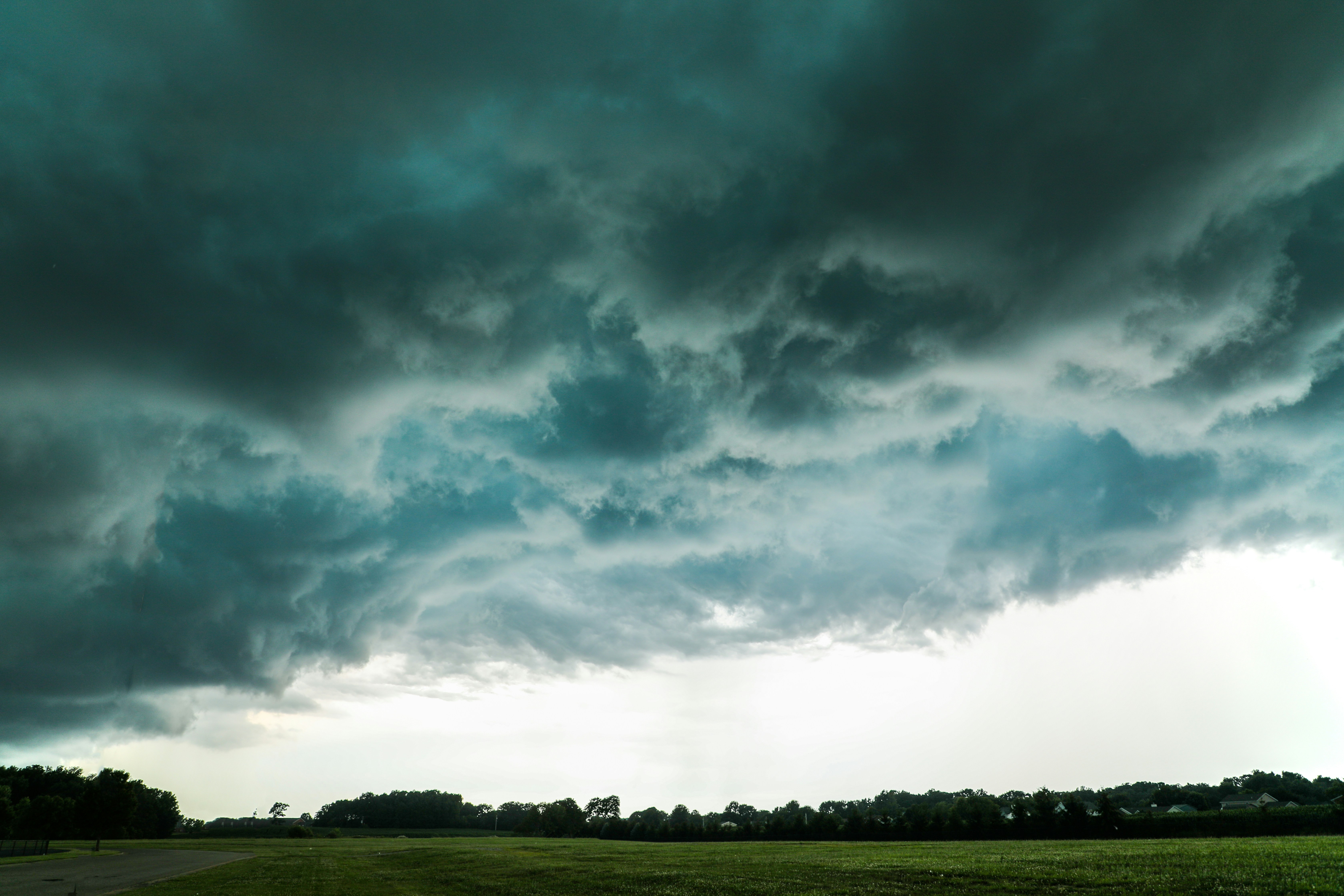
Tornado and severe-thunderstorm warnings have affected parts of Ohio, including a tornado warning in southern Ohio and severe-weather warnings across multiple Northeast Ohio counties. Reported risks included hail, lightning, heavy rain, and strong winds. WSAZ reported on the southern Ohio tornado warning, while WKYC reported on severe-thunderstorm warnings in Northeast Ohio.
Safety comes before any service request
If a caller reports an immediate threat to life or safety—such as a downed power line, a gas leak, fire, carbon monoxide concern, or medically necessary equipment losing power—tell them to contact emergency services and follow guidance from local public-safety authorities. Do not position a roofing, restoration, HVAC, or repair business as an emergency-services replacement.
For property concerns that are not immediate life-safety emergencies, your team can acknowledge the request, gather the basic details needed for review, and set realistic expectations about the next step.
The warnings do not prove that Ohio contractors are receiving more calls or that a storm-damage lead surge has occurred. But businesses that handle roofing, water damage, HVAC, tree-related property damage, and repairs should prepare in case inspection and repair inquiries increase.
Table of contents
- What to prepare before inquiries arrive
- Separate urgent safety reports from service requests
- Use a storm-specific first-response workflow
- Route leads without overpromising capacity
- Storm-damage SMS templates
- Continue follow-up while crews are busy
- How SecureMyLead fits into the workflow
- FAQ
What to prepare before inquiries arrive
Storm-related inquiries can be different from normal estimate requests. A homeowner may be worried, unsure whether damage is visible, waiting on an insurer, or simply trying to reach any local company that answers.
Before changing your marketing, confirm that your operations can support the response you plan to send.
1. Confirm today’s real capacity
Assign one person to verify:
- Which crews are working, traveling, or unavailable
- Whether inspections can be scheduled and in which service areas
- Whether your business is currently taking roof, water, HVAC, cleanup, or repair requests
- The earliest realistic callback or inspection window
- Who owns after-hours replies
- What jobs your company does not handle
Do not send messages that imply same-day service, emergency dispatch, or an inspection appointment unless someone has verified that availability.
A fast acknowledgment is useful. It is not the same thing as a confirmed appointment.
2. Decide what information your team needs first
Keep the first set of questions short. You are trying to route the inquiry—not remotely diagnose damage.
For roofing and exterior work, collect:
- Property address or ZIP code
- Best callback number
- Whether the concern is roof, siding, gutters, windows, or another exterior issue
- Whether the caller sees an active leak or interior water
- Whether they are seeking an inspection, temporary protection, repair, or an estimate
- Whether they have already contacted their insurer, if that is relevant to your process
For restoration companies, ask about:
- The affected area of the property
- Whether water is actively entering or has stopped
- Whether the customer can safely access the affected area
- The best number and address for a human follow-up
- Whether there is an immediate safety concern that requires emergency services
For HVAC companies, distinguish storm-related equipment concerns from standard repair or replacement requests. If a customer reports electrical hazards, fire, gas, or carbon monoxide concerns, direct them to emergency services and public-safety guidance rather than trying to handle triage by text.
3. Create simple lead labels
A small team does not need a complicated CRM project during severe weather. A few clear labels can prevent a messy inbox:
| Lead label | Use it for | Next action |
|---|---|---|
| Safety escalation | Immediate danger reported | Direct to emergency services/public authorities; document the inquiry |
| Urgent property concern | Active leak or time-sensitive concern without an immediate life-safety threat | Human review as soon as your team can safely do so |
| Inspection request | Customer wants an assessment after weather passes | Offer the next available inspection process |
| Estimate request | Customer knows the work they need | Assign for estimate follow-up |
| Outside service area | Address is beyond coverage | Reply clearly rather than leaving the lead unanswered |
| Follow-up needed | Initial contact made, no response yet | Send a measured follow-up |
This keeps a request for a future roof inspection from being treated the same way as a report of water entering a home.
Separate urgent safety reports from service requests
A storm-response workflow should begin with a decision: Is this an immediate public-safety issue, or is it a service inquiry?
Immediate safety reports
Examples may include reports of:
- Downed power lines
- Gas leaks
- Fire
- Carbon monoxide concerns
- A person depending on medical equipment that has lost power
- Immediate danger to people at the property
Your response should be brief and clear: contact emergency services and follow local public-safety instructions. Do not ask the customer to wait for a contractor’s callback before seeking help.
Service requests needing human review
These may include:
- A visible roof leak
- Missing shingles or exterior damage
- Water intrusion after rain or wind
- Hail concerns
- Damage to gutters, siding, windows, or fencing
- An HVAC concern after a storm
- A request for an inspection, estimate, or repair
These inquiries can be acknowledged immediately, then routed to a person who can decide what your business can safely and realistically offer.
Routine estimate requests
Not every inquiry needs an urgent workflow. A homeowner may simply want to know whether your company can inspect a roof after the weather clears.
For these leads, explain the next step, request the address and preferred contact method, and avoid turning uncertainty into an emergency sales pitch.
Use a storm-specific first-response workflow
A generic “Thanks, we’ll be in touch” reply may not answer what a storm-damage prospect needs to know. Your first response should do four things:
- Identify your business.
- Acknowledge the storm-related concern.
- Set a boundary around safety and availability.
- Give the customer one easy next action.
A practical first-response sequence
Step 1: Acknowledge the inquiry
Send a prompt message confirming that the request was received. This reduces the chance that a homeowner assumes the form submission or missed call disappeared.
Step 2: Screen for safety without diagnosing
Use a short safety line when appropriate. Do not attempt to determine by text whether a property is safe, whether a roof is structurally sound, or what damage an insurer may cover.
Step 3: Gather the minimum details
Ask for the address, type of concern, and best callback number. Avoid sending a long questionnaire to someone dealing with a stressful property issue.
Step 4: Set the next expectation
Examples:
- “Our team is reviewing new inspection requests.”
- “A team member will follow up about availability.”
- “We’ll confirm whether your address is within our current service area.”
- “We can discuss the next available inspection option.”
Avoid:
- “A crew is on the way,” unless that is actually confirmed.
- “We can assess the damage automatically.”
- “Your repair is booked.”
- “We’ll handle your emergency,” when you cannot guarantee that response.
For more general contractor copy, see these auto-reply messages for contractors and this guide to a contractor web-form auto response.
Route leads without overpromising capacity
During severe weather, the operational risk is often not only a missed lead. It is a message that promises more than the business can deliver.
Give each lead a clear owner
Every new inquiry should have one of these outcomes:
- Assigned to an estimator
- Assigned to an office team member for callback
- Held for the next available inspection window
- Marked outside the service area
- Closed as a safety escalation after directing the customer to emergency services
Avoid shared inbox ambiguity. If several people can see a request but nobody owns it, the customer may receive no meaningful answer—or receive conflicting answers.
Use capacity language that remains true
When demand is uncertain or crews are occupied, use language such as:
- “We’re reviewing storm-related requests in the order received.”
- “We’ll confirm the next available inspection option after reviewing your address and concern.”
- “Our team will follow up as soon as we can safely review new requests.”
- “We cannot confirm service availability until a team member reviews the details.”
This is more useful than silence and more responsible than making a promise your crew cannot keep.
Keep service-area boundaries visible
Storms can generate inquiries from outside your normal service territory. Confirm the address before investing a long phone call or estimate process.
If you cannot serve an area, reply respectfully. An unanswered lead is confusing; an honest boundary lets the homeowner seek appropriate help elsewhere.
Storm-damage SMS templates
Use these only for customers who have provided appropriate permission to receive messages. Keep the messages accurate to your capacity and workflow.
1. New storm-related inspection request
Hi [First Name], this is [Business Name]. We received your request about possible storm-related property damage. If there is an immediate danger, please contact emergency services and follow local public-safety guidance. For an inspection request, reply with the property address and a brief description of the concern, and our team will review next steps.
2. Missed call after a storm
Hi [First Name], this is [Business Name]. Sorry we missed your call. We’re reviewing storm-related inquiries and can have a team member follow up about your property concern. Please reply with the address and whether you’re requesting an inspection, repair, or estimate.
For a broader missed-call workflow, read after-hours lead response: how to win jobs while you sleep.
3. Active leak or urgent property concern
Hi [First Name], this is [Business Name]. We received your message about water entering the property. If anyone is in immediate danger or there is a fire, gas, electrical, or other safety hazard, contact emergency services and follow public-safety guidance. Please send the property address and best callback number so our team can review your request and current availability.
4. Inspection request received, scheduling not yet confirmed
Thanks, [First Name]. We have your storm-damage inspection request for [Property Address]. This message confirms we received it, but an appointment is not confirmed yet. A team member will follow up after reviewing availability.
5. Follow-up when the customer has not replied
Hi [First Name], this is [Business Name] following up on your storm-related inquiry. If you still need an inspection or estimate, reply with the property address and the type of concern. We’ll review the request and let you know the available next step.
6. Outside service area response
Hi [First Name], thank you for contacting [Business Name]. The property address is outside our current service area, so we’re not able to schedule this request. We wanted to let you know promptly so you can continue seeking local assistance.
Continue follow-up while crews are busy
A storm-related inquiry may not turn into a conversation immediately. The customer could be dealing with cleanup, waiting for weather to pass, speaking with family, or comparing options.
That does not mean the inquiry should be forgotten.
Use a restrained follow-up cadence
A practical sequence could look like this:
- Immediately: Confirm receipt and request the minimum information.
- Later the same day or next business window: Follow up if the address or concern is missing.
- One to three days later: Check whether the customer still wants an inspection or estimate.
- After that: Stop or adjust outreach based on their response, your consent practices, and your team’s capacity.
The goal is to keep a legitimate request moving toward human review—not to overwhelm a homeowner with repetitive messages.
If you are following up after an estimate has been sent, use a separate process. This guide to estimate follow-up text templates for contractors can help with that stage.
Review replies before sending more messages
A customer reply may change the situation. They may say they already found help, no longer need an inspection, or have a safety concern requiring a different response.
Your team should review the conversation and own the decision about what happens next. Automation can support acknowledgment and consistent follow-up, but it does not replace judgment, capacity planning, estimating, or emergency triage.
How SecureMyLead fits into the workflow
If storm-related inquiries rise, SecureMyLead can help a service business send an immediate SMS acknowledgment when a new lead arrives and continue a configured follow-up sequence when a customer has not responded.
That can be useful when an owner is on a roof, a restoration crew is on-site, or the office is handling several incoming requests. It does not confirm appointments, assess damage, dispatch crews, or determine the severity of an emergency.
For storm workflows, keep the first automated message focused on receipt, safety boundaries, and the information needed for human review. Also remember that ordinary customer replies do not currently auto-pause scheduled sequence messages, so your team should monitor conversations and manage follow-up accordingly.
Get started free to build a more consistent first-response and follow-up process for new leads.
Key takeaways
- Ohio tornado and severe-thunderstorm warnings may make storm-response preparation timely, but they do not prove a measurable increase in contractor inquiries.
- Immediate threats involving power lines, gas, fire, carbon monoxide, or medical equipment need emergency-services and public-authority guidance first.
- Treat a quick acknowledgment as confirmation that the request was received—not a confirmed appointment, estimate, or dispatch.
- Separate safety escalations, urgent property concerns, inspection requests, and routine estimates.
- Confirm real crew capacity and service areas before sending storm-specific messages.
- Use short, accurate SMS replies that gather the details a human needs to review the request.
- Continue measured follow-up so legitimate inquiries do not sit unanswered while crews are busy.
FAQ
Did Ohio tornado warnings cause a storm-damage lead surge?
The supplied reporting documents tornado and severe-thunderstorm warnings in parts of Ohio, but it does not document a measurable increase in leads, repair requests, missed calls, or contractor demand. Businesses should prepare for a possible increase in inquiries without presenting one as a proven outcome.
What should a roofer text after a storm-related web form submission?
Confirm that the request was received, identify your business, include a brief safety boundary for immediate hazards, and ask for the property address plus a short description of the concern. Do not promise an inspection time until your team has reviewed availability.
Should restoration companies promise emergency dispatch by text?
No. Do not promise dispatch, arrival times, damage assessment, or service availability unless your team has confirmed it. A first text should acknowledge the request and route it to a person who can review the situation.
How should HVAC companies handle storm-related safety concerns?
If a customer reports an immediate threat such as fire, gas, carbon monoxide, dangerous electrical conditions, or medical equipment losing power, direct them to emergency services and local public-safety authorities. Do not try to resolve those reports through a standard lead-response sequence.
Can automated SMS replace a storm-response coordinator?
No. Automated SMS can acknowledge new leads and support consistent follow-up, but a person still needs to review safety concerns, confirm service areas, assess actual capacity, and determine whether an appointment or next step is appropriate.