Storm Damage Lead Qualification: Questions Roofing Contractors Should Ask After a Possible Tornado
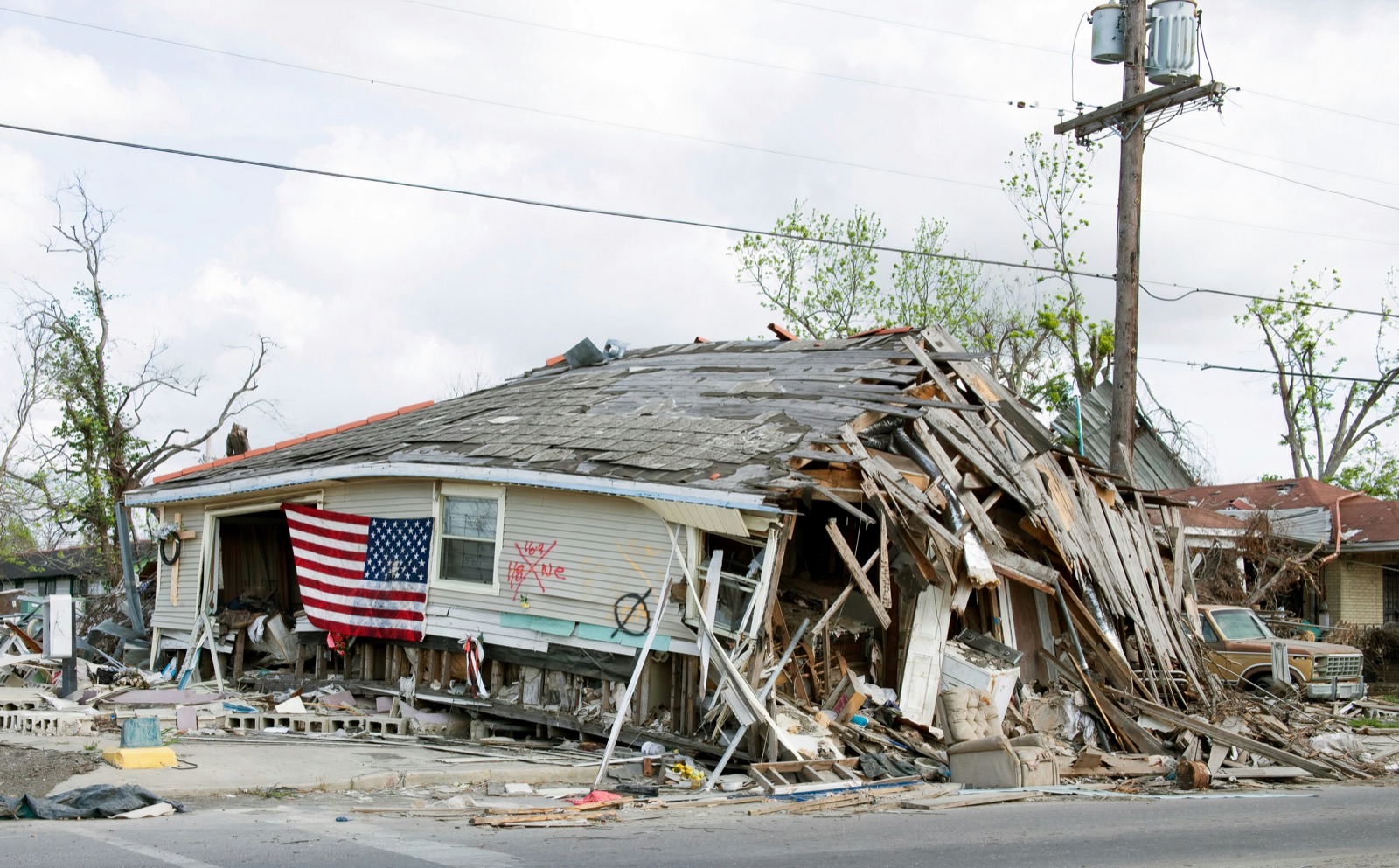
Reports of storm damage, a possible tornado strike in Saratoga County, and widespread power outages in New York’s Capital Region are a useful reminder for roofing contractors to review their storm-inquiry process. Local reports establish the event and disruption, but they do not document a measured increase in roofing leads. Still, businesses in affected areas should prepare in case inquiries rise. News10 and Yahoo News reported on the damage, possible tornado activity, and outages.
A storm lead is not a standard estimate request. Some people may need an inspection. Others may have an urgent safety concern, an active leak, a damaged structure, or a question about insurance. Your intake process needs to acknowledge the inquiry quickly without treating every message as equally urgent—or promising availability, coverage, or repair timing before a person reviews the details.
Table of contents
- Safety comes before lead qualification
- A five-stage storm damage intake workflow
- Storm damage questions roofing contractors should ask
- How to organize and prioritize inquiries
- Safe SMS templates for storm-damage inquiries
- What not to promise during storm follow-up
- Use automation as acknowledgment, not emergency triage
- FAQ
Safety comes before lead qualification
A roofing business should not attempt to diagnose an emergency through a text conversation.
If an inquiry mentions a downed power line, gas smell or suspected leak, fire, carbon monoxide, a medical device losing power, immediate danger, or a potentially unsafe structure, direct the person to the appropriate emergency authorities and qualified professionals before discussing an inspection or estimate.
Do not tell someone to climb on a roof, enter a damaged building, move debris near electrical lines, or inspect a structural hazard. Photos can help with qualification only when the customer can take them safely from a secure location.
Your first objective is simple: identify whether the inquiry belongs in an emergency-safety path or an inspection-and-follow-up path.
A five-stage storm damage intake workflow
A practical workflow keeps your team from treating every storm message like a routine quote form.
1. Acknowledge the inquiry
Send a short response that confirms receipt and sets expectations for human review. Do not use the first message to promise a same-day visit, an open appointment, emergency service, or an insurance result.
A good acknowledgment does three things:
- Identifies your business.
- States that a team member will review the request.
- Gives the customer a safe next step, such as sharing their address and a brief description.
2. Screen for immediate safety issues
Before collecting a long list of property details, look for safety language:
- Downed or nearby power lines
- Fire, smoke, gas odor, or suspected carbon monoxide
- A collapse concern or unsafe structure
- Medical equipment affected by the power outage
- A person who says they are in immediate danger
These are not ordinary roofing leads. Flag them for a human immediately and direct the person to appropriate emergency support. Do not ask them to investigate the situation further.
3. Collect inspection-ready information
For non-emergency inquiries, collect the details that help your team decide whether the property is in your service area, what type of visit may be needed, and who should handle the next step.
Keep the first exchange focused. A homeowner dealing with storm damage may not be able to complete a 20-question form.
4. Assign a human owner
Every inquiry should have one named person or role responsible for the next action. That may be an office manager, estimator, owner, or storm-response coordinator.
The owner should review:
- Safety flags
- Property location
- Damage description
- Active water intrusion
- Contact preference
- Photos, if safely provided
- Whether an inspection request is clear
This is especially important after widespread disruption, when several team members may assume somebody else replied.
5. Set the next expectation honestly
Once reviewed, give the customer one clear next step:
- You need more information.
- You are determining whether the address is in the service area.
- A team member will contact them about an inspection request.
- Their request has been added for review.
Avoid vague language such as “We’ll get to you ASAP” if you cannot define what that means operationally. It can create frustration when demand is uncertain or crews are already committed.
Storm damage questions roofing contractors should ask
Use these questions in order. Not every lead needs every question, but the answers should give your team enough context for safe, useful follow-up.
1. What is the property address?
Start with the address, city, and ZIP code.
This helps you confirm service area, identify whether the property is in an affected zone, and avoid investing time in a request you cannot reasonably serve. It also gives your team a location before deciding what sort of inspection conversation is appropriate.
Ask:
What is the property address, including city and ZIP code?
2. Is anyone in immediate danger?
This is the most important qualification question, but it should be asked carefully. Do not ask customers to inspect hazards.
Ask:
Before we discuss the roof, is anyone in immediate danger, or are there concerns involving power lines, fire, gas, carbon monoxide, or an unsafe structure?
If the answer suggests an immediate hazard, stop the normal intake flow and direct them to appropriate emergency authorities and qualified professionals.
3. What damage can they see from a safe location?
You need the customer’s description, not a remote diagnosis.
Useful descriptions may include:
- Missing or lifted shingles
- Fallen tree limbs on the roof
- Visible holes or punctures
- Damaged gutters, flashing, siding, or vents
- Water entering the home
- Debris around the property
- Damage they can see from the ground
Ask:
From a safe location, what damage can you see or what problem are you noticing?
Avoid telling them that a particular symptom means the roof needs replacement. A human inspection is needed to assess the property.
4. Is water currently entering the property?
Active water intrusion may affect the urgency of a human review. It does not automatically tell you the extent of damage or the repair needed.
Ask:
Are you seeing water enter the property now? If so, which area is affected?
This lets your team distinguish a general post-storm inspection request from a potentially more time-sensitive issue. It is still not a substitute for safety triage or an on-site assessment.
5. Is there a tree, limb, or debris on the structure?
Fallen trees and limbs can involve structural and electrical risks. Your team needs to know whether the homeowner is describing debris on the yard, debris against the house, or something resting on the roof.
Ask:
Is any tree, branch, or other debris resting on or against the structure?
Do not tell the customer to remove it. If utility equipment or lines may be involved, they should contact the appropriate authorities or utility provider.
6. Is the home currently occupied and accessible?
This question helps your team understand whether someone can safely meet an inspector later, but it should not pressure anyone to enter a damaged property.
Ask:
Is the property occupied, and is there a safe way for us to contact the person who can discuss an inspection request?
7. Can they share photos only if it is safe?
Photos may help your team prepare, but they are optional and should never require roof access or entry into an unsafe structure.
Ask:
If you can safely take photos from the ground or another secure location, you may send them here. Please do not climb on the roof or enter an unsafe area to get photos.
Useful photo requests can include wide shots from the ground, visible exterior damage, and the interior area affected by water—only when the customer can do so safely.
8. Have they contacted their insurer?
You can document this status without giving insurance advice or suggesting what a claim will cover.
Ask:
Have you already contacted your insurance company, or are you still deciding what to do next?
Record the answer as context. Do not promise coverage, estimate a settlement, interpret a policy, or tell a homeowner whether they should file a claim.
9. What is the best phone number and preferred contact method?
Storm periods can create missed calls, poor connectivity, and people moving between locations. Confirm the best way to reach them.
Ask:
What is the best number and preferred way to reach you for a follow-up from our team?
How to organize and prioritize inquiries
A simple tag or status system can reduce confusion when storm-related messages arrive alongside regular estimates.
| Intake status | What it means | Team action |
|---|---|---|
| Safety escalation | The message suggests an immediate hazard or emergency | Human review immediately; direct customer to appropriate authorities and qualified professionals |
| Active water concern | Customer reports water entering the property | Human review promptly; collect address and safe description |
| Inspection request | Visible damage but no stated immediate hazard | Confirm location, gather details, and route for inspection follow-up |
| Information needed | Missing address, contact information, or damage description | Send one focused request for the missing details |
| Out of area or not a fit | Property is outside service area or request is not a roofing opportunity | Respond clearly when appropriate; do not leave the inquiry unresolved |
This approach is not about scoring homeowners. It is about making sure a potentially serious issue reaches a person quickly while routine inspection requests do not disappear in a crowded inbox.
For a broader contractor system beyond storm events, see Automated Lead Follow-Up Systems for Contractors.
Safe SMS templates for storm-damage inquiries
These examples assume the business has appropriate consent to text the person. Automated messages should acknowledge the inquiry and collect basic information; they do not replace human safety triage.
Initial storm-damage acknowledgment
Hi [First Name], this is [Business Name]. We received your storm-damage inquiry and a team member will review it. If there is immediate danger or a concern involving power lines, fire, gas, carbon monoxide, or an unsafe structure, please contact the appropriate emergency authorities first. When safe, reply with the property address and a brief description of what you can see.
Request for inspection details
Thanks, [First Name]. To help our team review your request, can you share the property address and let us know whether you are seeing water enter the property or visible exterior damage from a safe location?
Safe photo request
If it is safe to do so, you may send photos taken from the ground or another secure location. Please do not climb on the roof or enter an unsafe area to take photos.
Insurance-status question
Have you already contacted your insurance company, or are you still gathering information? We can note that for our team, but we can’t advise on coverage or claims decisions.
Human-review update
Thanks for the details. We’ve added them for human review. A member of our team will contact you about next steps for your inspection request.
Missed-call text
Hi [First Name], this is [Business Name]. We saw your call regarding possible storm damage. If there is immediate danger or a safety hazard, contact the appropriate emergency authorities first. Otherwise, reply with the property address and a brief description, and our team will review it.
For more general first-response copy, see 15 Auto Reply Messages Contractors Can Use for New Leads.
What not to promise during storm follow-up
Storms can make homeowners understandably anxious, but certainty is not a service when your team has not reviewed the property or schedule.
Avoid statements such as:
- “We can be there today.”
- “Your insurance will cover this.”
- “That definitely needs a new roof.”
- “We handle every emergency immediately.”
- “You’re on the schedule.”
- “We can tarp it tonight.”
- “This damage is covered.”
- “There is no structural risk.”
Instead, use language that accurately reflects the stage of the conversation:
- “A team member will review your request.”
- “We’re gathering details for an inspection follow-up.”
- “We can document the information you share for our team.”
- “Please send photos only if you can do so safely.”
- “We will contact you about available next steps.”
Clear expectations protect the customer experience and keep your staff from inheriting promises they may not be able to fulfill.
Use automation as acknowledgment, not emergency triage
If severe weather creates more calls, forms, or texts than usual, an automated first response can keep legitimate inquiries from sitting unanswered. The right role for automation is narrow:
- Confirm receipt.
- Identify the business.
- Include basic safety escalation language.
- Gather address and visible-damage details.
- Route the lead for human review.
- Continue non-urgent follow-up only under clear human ownership.
SecureMyLead can automatically acknowledge new leads by SMS and run follow-up sequences, helping roofing teams maintain a response workflow when they are on job sites or handling multiple inquiries. It should not be used as a replacement for human safety decisions, dispatch judgment, or inspection scheduling.
Because ordinary replies do not automatically pause scheduled SecureMyLead sequence messages, someone on your team should monitor replies and adjust or stop future messages when a customer needs direct human handling.
Key takeaways
- Reports from New York’s Capital Region show storm damage, possible tornado activity, and widespread outages, but not a documented roofing lead surge.
- Roofing companies should prepare for a possible increase in inquiries without assuming every request has the same urgency.
- Safety flags involving electrical hazards, gas, fire, carbon monoxide, unsafe structures, or immediate danger require emergency-first handling.
- Collect an address, safe description of visible damage, active water information, contact details, and optional safely obtained photos.
- Document insurance status without offering claims or coverage advice.
- Use automation to acknowledge and organize non-emergency inquiries, then make human ownership and expectations clear.
FAQ
What should a roofer ask first after a storm-damage inquiry?
Ask for the property address and screen for immediate safety concerns. If the customer mentions power lines, gas, fire, carbon monoxide, an unsafe structure, or immediate danger, direct them to appropriate emergency authorities and qualified professionals before continuing normal intake.
Should roofing contractors ask customers for roof photos?
Only ask for photos if the customer can take them safely from the ground or another secure location. Do not ask customers to climb on a roof or enter a damaged or unsafe area.
Can a roofer help with an insurance claim after storm damage?
A roofer can document that a customer has contacted an insurer or is gathering information. They should not promise coverage, interpret policy terms, predict claim outcomes, or provide legal or insurance-claims advice.
Should storm-damage leads receive automated texts?
Automated texts can acknowledge an inquiry and collect basic, non-emergency details if the business has appropriate consent to text. They should not replace human safety triage, inspection decisions, or capacity and scheduling decisions.
Related reading
- Contractor Web Form Auto Response: What to Send the Second a New Lead Hits Your Site
- After-Hours Lead Response: How to Win Jobs While You Sleep
- Estimate Follow-Up Text Templates for Contractors
- How to Follow Up With Home Service Leads Automatically
If your roofing team needs a more consistent way to acknowledge non-emergency inquiries and keep follow-up from being forgotten, get started free with SecureMyLead.