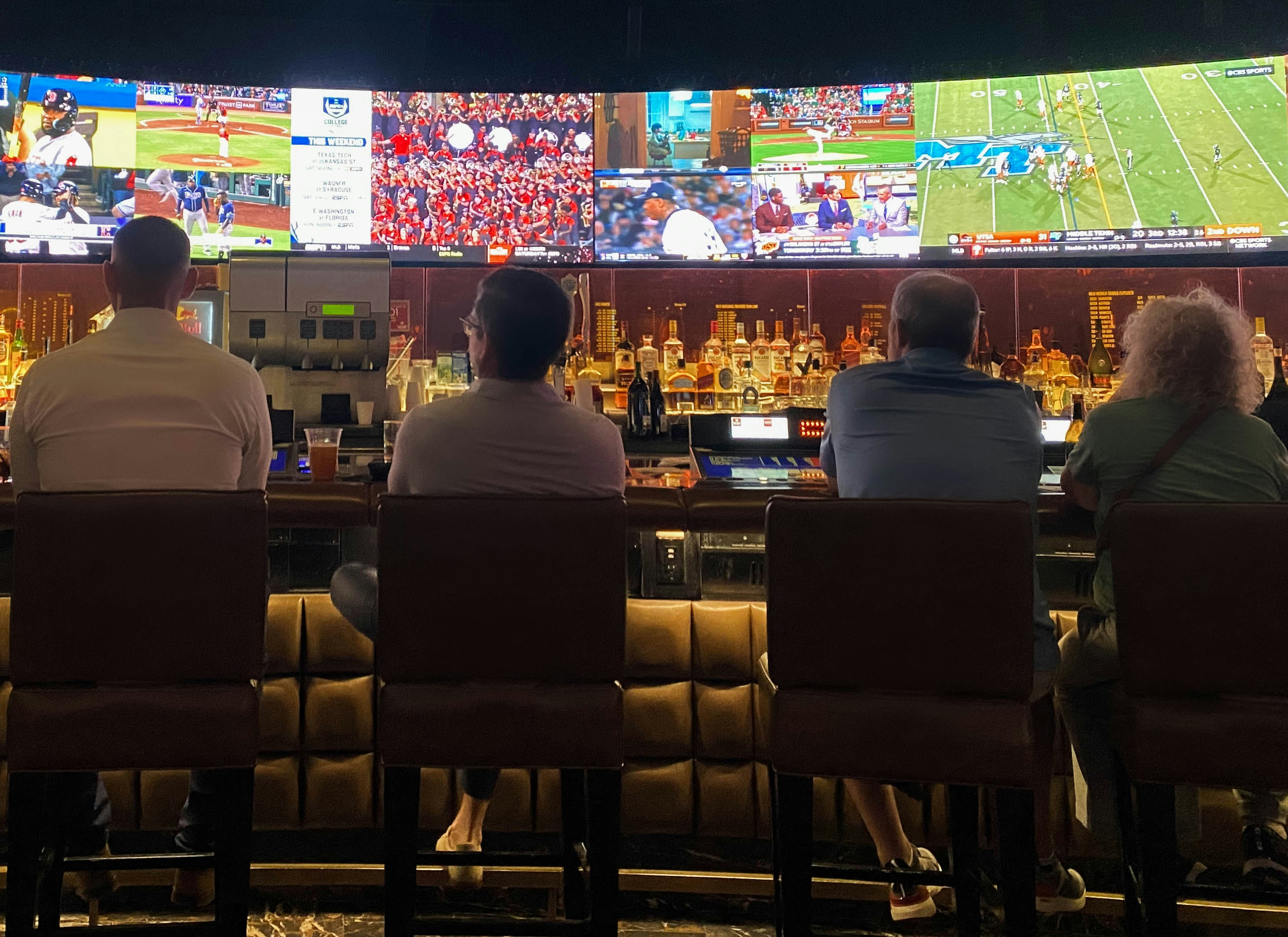
MLB Pennant Race Pressure: How Local Sports Bars and Businesses Can Capture the Sudden Game-Day Crowd
The MLB pennant race is heating up. As reported by The Athletic, Fox Sports, and MLB.com, the standings are tightening, critical series are underway, and every game from here on out carries playoff-level weight. For local sports bars, restaurants, and event spaces, this isn't just exciting baseball—it's a predictable wave of last-minute reservation requests, large-party inquiries, and the dreaded "do you have a table?" phone call that always seems to ring when every single staff member is already slammed.
The problem isn't a lack of demand. It's that the demand arrives in a chaotic, 90-minute pre-game window when your team is already stretched thin. A missed call or a slow social media reply during that rush doesn't just mean a lost table; it means a group of 8 fans walking to your competitor down the street.
This playbook is designed to help you build a system that can handle that surge, ensuring you capture the revenue from every big game day without needing to clone your best host.
The Pennant Race Problem: High Demand, Low Bandwidth
The current MLB season, with its intense divisional battles and wild-card races, creates a perfect storm for hospitality businesses. A pivotal series can turn a quiet Tuesday into a packed house. The challenge is that this demand is often invisible until it's already at your door—or, more accurately, in your voicemail.
When a group of fans decides where to watch the game, they don't send a single inquiry and wait patiently. They text three or four places at once. The first bar to confirm a table, explain the specials, or even just acknowledge the request often wins the business. If your team is too busy pouring drinks and running food to check the phone, you're not just slow; you're invisible.
This operational bottleneck is a logical consequence of any high-demand event for a busy, understaffed business. The pennant race doesn't create the weakness; it exposes it. Your goal isn't to watch more baseball. It's to build a response system that works even when you can't.
The Game-Day Lead Response Playbook
This isn't about hiring more staff for a seasonal rush. It's about using automation to act as a digital host, handling the first critical minutes of an inquiry so your human team can focus on the guests already in the building.
Step 1: Map Your Most Common Game-Day Inquiries
Before you can automate anything, you need to know exactly what people are asking for. During the next few games, have a manager or a trusted staff member log every single inbound question that comes through phone, text, social media, or your website's contact form.
You'll likely see a pattern emerge. The vast majority will fall into a few predictable categories:
- Table Availability: "Do you have a table for 6 at 7 PM?"
- Wait Times: "What's the wait like right now?"
- Specials: "What are the game-day drink and food specials?"
- Reservations: "Can I book a spot for the Dodgers game on Saturday?"
- Viewing Details: "Will you have the game on with sound?"
These repeat questions are your automation targets. If you can answer them instantly, you buy yourself time and keep the lead warm.
Step 2: Build Your Instant-Response Templates
For each inquiry type, create a short, friendly text message template that does three things: acknowledges the lead, provides immediate value, and sets an expectation for a personal follow-up.
Here are a few examples you can adapt:
For a "Table Availability" Inquiry:
Hey [Name], thanks for reaching out to [Bar Name]! We do have tables available right now, but they're filling up fast. We're holding a spot for you for the next 15 minutes. If you need a larger table, just reply with your party size and I'll confirm personally in just a moment.
For a "Wait Times" Inquiry:
Hi! The current wait for a table at [Bar Name] is about 20-30 minutes. You can put your name on the list right here by replying with your name and party size. We'll text you when your table is almost ready.
For a "Specials" Inquiry:
Game day at [Bar Name]! 🍻 Our specials tonight: $5 domestic drafts, $7 loaded nachos, and half-price wings until first pitch. We're holding a table for you for the next 15 min—just reply with your party size to confirm!
For a General "Do You Have Room?" Inquiry:
We're packed but we've got you covered! Reply with your party size and what time you're thinking, and I'll personally check availability and get right back to you. Go [Team]!
The key is that these messages don't require a human to type them out. They can be sent automatically the second a new lead comes in.
Step 3: Automate the First Response
This is where the playbook moves from theory to practice. You need a system that can detect a new lead—whether it comes from a web form, a text message, or a social media inquiry—and fire off the appropriate template in seconds.
The goal is not to replace your staff. It's to prevent the lead from going cold while your staff is busy. A system like SecureMyLead can sit on top of your existing lead sources. When a potential customer fills out a "Book a Table" form on your website or sends a text to your business number, the system can instantly reply with the relevant template.
This immediate acknowledgment does several things:
- It tells the customer you're responsive, even when you're slammed.
- It answers their most basic question, reducing the chance they'll call a competitor.
- It can ask a qualifying question ("What's your party size?"), starting the conversation.
- It buys your manager 10-15 minutes to finish seating a party or resolving an issue before they need to reply personally.
Step 4: Create a Follow-Up Sequence for Unanswered Leads
Not every fan will reply to your first automated text. They might get distracted, find another bar's number, or simply forget. This is where a gentle, automated follow-up sequence can recover revenue that would otherwise be lost.
Set up a simple two-step sequence for leads that don't engage with the first message:
- Message 1 (1 hour after the first text): "Hey, just checking in! We still have a few tables available for the game. Let me know if you're still looking for a spot—happy to help."
- Message 2 (3 hours later, or the next morning): "Great game last night! If you're already planning for the next one, we're taking reservations for the [Next Big Game] now. Just reply here to lock in a table."
This sequence keeps your bar top-of-mind without being pushy. It also turns a single game-day inquiry into a potential reservation for a future event, building a longer-term customer relationship.
Step 5: Prepare Your Team for the Handoff
Automation is only half the battle. The other half is ensuring your human team knows how to handle the lead once the automation has done its job.
Hold a quick pre-shift meeting before a big game. Make sure every manager and key staff member understands the system:
- The automated text has already been sent. They don't need to send the first message.
- Check the dashboard or shared inbox for replies that need a personal follow-up.
- Prioritize the replies. A lead who responded to your automated text with "We're a party of 10 and on our way" is a higher priority than a general question.
- Use a consistent voice. When they do reply personally, they should sound like the same friendly, helpful person the automation introduced.
This handoff is where the real conversion happens. The automation's job is to keep the lead alive long enough for a human to close it.
Why This Matters More During the Pennant Race
The MLB postseason race amplifies every aspect of this problem. The games are more important, the crowds are bigger, and the inquiries are more urgent. A group of fans deciding where to watch a critical tiebreaker game is not going to leave a voicemail and hope for the best. They will move on.
By having this system in place, you're not just capturing more leads; you're building a reputation for being the reliable, responsive spot. When fans know they can text your bar and get an instant, helpful reply, they'll stop texting your competitors first.
The businesses that win during the pennant race aren't always the ones with the most TVs or the best specials. They're the ones that make it easiest for a group of excited, impatient fans to say, "We're in."
Key Takeaways for Capturing the Game-Day Crowd
- The pennant race creates a predictable, high-stakes demand surge that can overwhelm a busy staff.
- Most game-day inquiries are repetitive (table availability, wait times, specials), making them perfect for automation.
- An instant, automated first response can prevent a lead from going cold and buying time for a personal follow-up.
- A simple follow-up sequence can recover leads that don't engage immediately and build a pipeline for future games.
- The system works best when the human team is prepared to take over the conversation after the automated acknowledgment.
Frequently Asked Questions
Q: Won't customers be annoyed by an automated text? Not if it's helpful. Most people prefer an instant acknowledgment over radio silence. The key is to make the message sound human, provide immediate value (like wait times or specials), and set a clear expectation for a personal follow-up. It's far less annoying than a busy signal or a phone that rings endlessly.
Q: What if a lead has a question the template doesn't answer? That's the point of the handoff. The automated message should invite a reply. When the customer responds with a specific question, your manager gets a notification and can jump in with a personal answer. The automation simply prevents the initial inquiry from being missed.
Q: Is this only useful for sports bars during the playoffs? Not at all. While the pennant race is a perfect use case, this system is valuable for any hospitality business that experiences predictable rushes—weekend brunch spots, concert-venue-adjacent restaurants, or any bar running a major event like a UFC fight or a Super Bowl party.
Q: How do I set this up without a dedicated IT person? The goal is a system that's simple to implement. Look for a lead-follow-up tool that doesn't require coding and can connect to your existing contact forms or business phone number. The setup should take minutes, not days, and you should be able to change your templates instantly as your specials or availability change.
When the next big game turns a quiet afternoon into a packed house, your phone shouldn't be the thing that lets you down. A simple, automated system can act as your digital host, ensuring no group of fans walks to a competitor because you were too busy to answer. Get started with SecureMyLead for free and build your game-day response system before the next pitch.