Senate Flip 2026: What a Political Ad Spending Surge Means for Local Media and Service Businesses
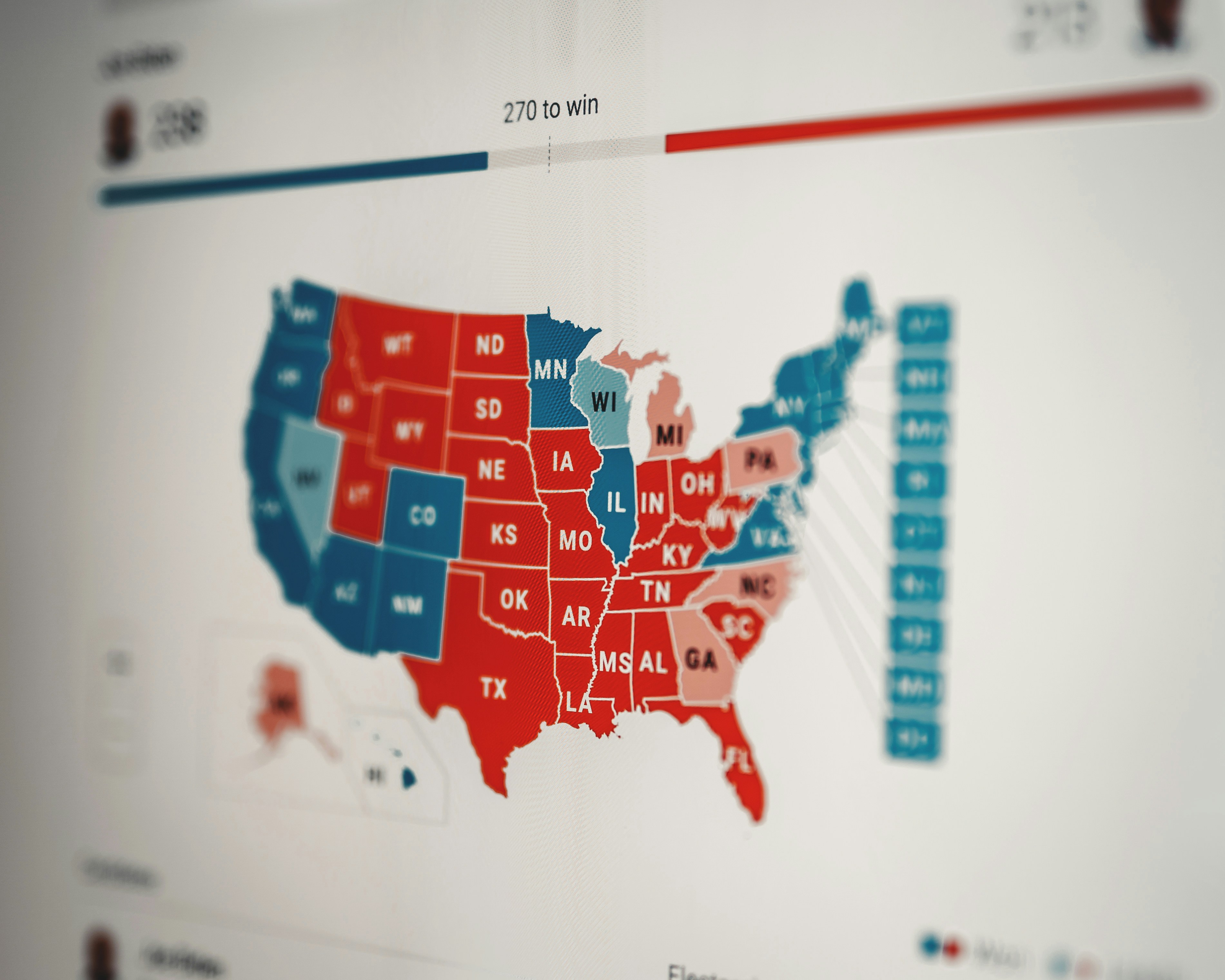
The question “Could the Senate flip in 2026?” is already trending. CNN’s latest analysis identifies nine Senate seats most likely to flip, confirming that a highly competitive and expensive election cycle is underway.
For local service businesses—roofers, plumbers, electricians, HVAC companies, insurance agents, and others—this isn’t just political news. It’s a signal that your cost to acquire a new lead may be about to rise sharply.
When political campaigns flood platforms like Google and Meta with ad dollars, CPMs and CPCs increase for everyone. Your ad budget doesn’t go as far. The same click that cost you $12 in March might cost $18 or more by October.
You can’t control the ad auction. But you can control what happens after the lead arrives. And in a high-cost environment, that becomes your most important competitive advantage.
Table of Contents
- Why Political Ad Spending Affects Your Lead Costs
- The Senate Races That Could Drive the Surge
- What Higher CPLs Mean for Local Service Businesses
- The Follow-Up Problem Most Businesses Ignore
- How to Protect Your ROI When Ad Costs Rise
- Why Speed-to-Lead Matters Even More Now
- Building a Follow-Up System That Works While You Work
- Key Takeaways
- Frequently Asked Questions
- Don’t Let Rising Ad Costs Eat Your Margins
Why Political Ad Spending Affects Your Lead Costs
Political campaigns operate on a simple principle: they need to reach voters, and they have enormous budgets to do it. In battleground states, Senate candidates and super PACs may spend tens of millions of dollars on digital advertising in the final months before Election Day.
Those dollars compete directly with yours.
Google Ads and Meta Ads are auction-based. When more advertisers bid on the same audiences, prices rise. Political advertisers often target broad geographic areas and pay premium rates to dominate the airwaves—and the screens.
For a local roofer or insurance agent running lead-generation campaigns, this can mean:
- Higher cost-per-click (CPC) on search and social ads.
- Higher cost-per-lead (CPL) as conversion rates stay flat but clicks cost more.
- Reduced impression share as political ads consume available inventory.
None of this is hypothetical. It happens every election cycle. The question is whether your business is prepared for it.
The Senate Races That Could Drive the Surge
According to CNN’s August 2026 Senate race rankings, nine seats are considered most likely to flip. These races will attract enormous spending from both parties, national committees, and outside groups.
The competitive map includes seats currently held by both Democrats and Republicans, with several in states that also feature competitive presidential or gubernatorial races. When multiple high-stakes contests overlap in the same state, ad inventory tightens even further.
If your business serves customers in any of these battleground states, you may face a double squeeze: higher ad costs locally and competition from national advertisers who don’t care about your service area but bid on the same platforms.
What Higher CPLs Mean for Local Service Businesses
When your cost-per-lead rises, every lead becomes more expensive to waste.
Consider a simple example. A roofing company spends $1,500 per month on Google Ads and generates 100 leads at $15 each. If political spending pushes the CPL to $22, that same budget now produces only 68 leads.
The business has two choices:
- Increase the ad budget to maintain lead volume.
- Convert a higher percentage of the leads they already receive.
Most small service businesses can’t simply double their ad spend. The more practical path is to stop losing the leads you already paid for.
This is where follow-up becomes the difference between a profitable month and a painful one.
The Follow-Up Problem Most Businesses Ignore
Most service businesses lose a significant portion of their leads before they ever have a real conversation. The reasons are painfully ordinary:
- A lead arrives while the owner is on a job site and can’t respond.
- An inquiry comes in after hours and sits until the next morning.
- Someone fills out a form, gets a generic auto-reply, and never hears from a real person.
- A lead is forgotten in a crowded inbox or CRM.
When leads cost $15, losing a few hurts. When leads cost $25 or more, losing them is unsustainable.
The businesses that survive—and thrive—during high-cost periods are the ones that respond immediately and follow up consistently until the lead is either booked or clearly not interested.
How to Protect Your ROI When Ad Costs Rise
You can’t stop political ad spending. But you can prepare your business for the impact.
Audit Your Current Lead Response Process
Before the surge hits, understand exactly what happens when a lead arrives today:
- How long does it take for the first response?
- Who is responsible for follow-up?
- How many touches does the average lead receive?
- What percentage of leads never get contacted at all?
If you don’t know these numbers, you’re almost certainly leaving money on the table.
Tighten Your Targeting
When CPLs rise, broad targeting becomes expensive. Consider:
- Narrowing geographic targeting to your highest-converting service areas.
- Using negative keywords to filter out unqualified clicks.
- Adjusting ad schedules to focus on hours when leads are most likely to convert.
- Testing different ad formats and landing pages to improve conversion rates.
Every improvement in conversion rate directly offsets the higher cost per click.
Make Every Lead Count
The single highest-leverage action you can take is to respond faster and follow up more consistently. This doesn’t require hiring more staff or working 24/7. It requires a system.
Why Speed-to-Lead Matters Even More Now
The first business to respond to a lead has a significant advantage. Prospects often contact multiple companies. The one that answers first gets the conversation.
When ad costs are high, speed isn’t just a nice-to-have. It’s a direct financial protection. A lead that costs $25 and converts is profitable. A lead that costs $25 and goes to a competitor because you responded too slowly is a pure loss.
Automated first-response texts can acknowledge a lead within seconds—while you’re on a roof, in an attic, or meeting with another customer. That immediate acknowledgment keeps the prospect engaged and buys you time to follow up personally.
Building a Follow-Up System That Works While You Work
Manual follow-up breaks down under pressure. When lead volume spikes or your team is stretched thin, messages get missed.
An automated follow-up system can:
- Send an immediate acknowledgment text the moment a lead arrives.
- Continue following up over hours and days without manual reminders.
- Keep your business in front of the prospect until they’re ready to book.
- Work across lead sources—your website, Google Ads, Facebook, directories.
The goal isn’t to replace human conversation. It’s to make sure no lead falls through the cracks before the conversation can happen.
For businesses facing a potential ad-cost surge, this kind of system moves from “nice to have” to “essential margin protection.”
Key Takeaways
- The 2026 Senate races are expected to drive record political ad spending, particularly in battleground states.
- Higher political ad spending historically increases CPMs and CPCs on platforms like Google and Meta, which can raise your cost-per-lead.
- When CPLs rise, every unconverted lead becomes more expensive. Improving follow-up speed and consistency is the most direct way to protect ROI.
- Automated lead follow-up can help service businesses respond instantly and maintain consistent contact without adding staff or working around the clock.
- Preparing your follow-up system now—before the ad market tightens—gives you a competitive advantage when costs increase.
Frequently Asked Questions
Will political ads definitely increase my lead costs?
Political ad spending historically raises CPMs and CPCs on major digital platforms, especially in competitive races. The exact impact depends on your location, industry, and targeting. Businesses in battleground states are likely to feel the effect most directly.
How much could my cost-per-lead increase?
The specific increase varies by market, vertical, and platform. Without verified data for a specific industry and state, it’s impossible to cite a precise percentage. However, the pattern of rising costs during election cycles is well-documented across digital advertising.
What’s the fastest way to improve lead conversion?
Improving response time is the single fastest lever. Automated first-response texts can acknowledge a lead within seconds, which keeps the prospect engaged while you or your team prepare to follow up personally.
Do I need to increase my ad budget to compete?
Not necessarily. Many businesses find that improving conversion rates on existing lead volume delivers better ROI than simply spending more. If you’re currently losing leads to slow or inconsistent follow-up, fixing that problem may offset the impact of higher ad costs.
When should I start preparing?
Now. The election cycle is already underway, and ad costs may begin rising well before November 2026. Building and testing your follow-up system before the surge gives you time to refine your process.
Don’t Let Rising Ad Costs Eat Your Margins
You can’t control what political campaigns spend. But you can control how your business responds to every lead that comes in.
SecureMyLead helps service businesses respond to new leads in seconds and run automated SMS follow-up sequences that keep prospects engaged—without requiring you to be glued to your phone.
If rising ad costs are on your radar, making sure you convert more of the leads you already pay for is the smartest move you can make.
Related Reading