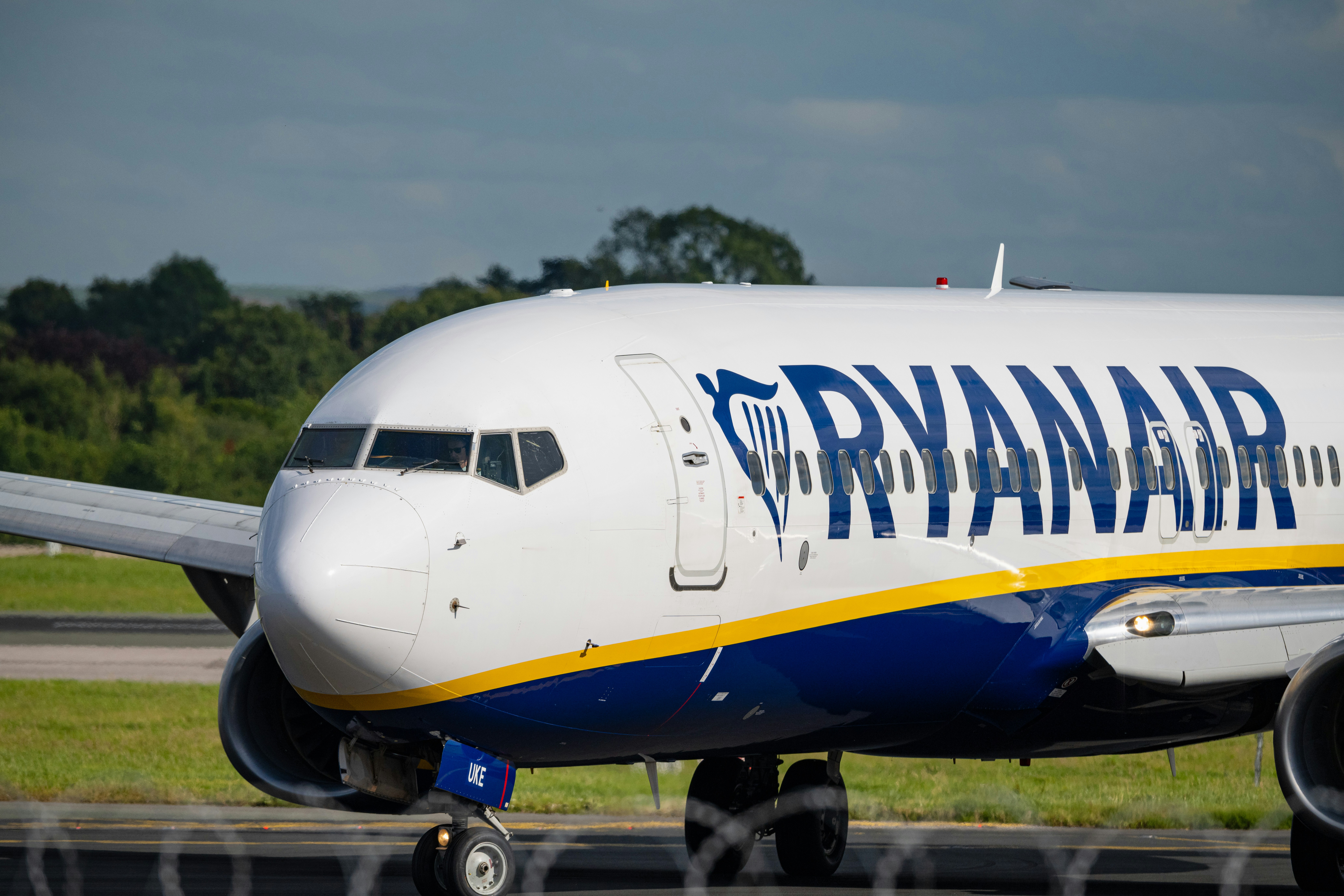
Ryanair Window Incident: What Sudden, High-Anxiety Inbound Demand Teaches Service Businesses
When the NTSB released its preliminary report on the Ryanair engine-fan-blade window incident, the story spread quickly. A fan blade cut into the plane, and a passenger was partially sucked out of a window. Engine parts smashed the window, according to the BBC. The images and headlines triggered a wave of searches about airplane windows and flight safety.
For most readers, this is a news story about aviation safety. For service businesses, it is also a useful case study in what happens when fear and urgency suddenly drive inbound demand.
The Ryanair incident itself is not a lead-generation event for most businesses. But the pattern it illustrates — a sudden, emotionally charged event creating a spike in anxious, time-sensitive inquiries — is exactly the kind of situation that can overwhelm a small service business.
This article explains what the incident shows about high-anxiety inbound demand, which adjacent services may see a possible increase in inquiries, and how businesses can prepare response workflows before the next fear-driven spike arrives.
What the Ryanair Window Incident Actually Shows
The NTSB preliminary report confirms the mechanical sequence: an engine fan blade cut into the plane and caused a passenger to be partially sucked out of a window. The BBC reports that engine parts smashed the Ryanair window.
The event is frightening, and the public reaction is predictable. People search for information about airplane windows, engine failures, and flight safety. Some may reconsider upcoming travel. Others may look for reassurance, insurance options, legal information, or safety inspections.
What the sources do not show is a documented surge in business leads. No lead-volume data exists in the NTSB or BBC reporting. That distinction matters.
A news event can create attention without creating measurable demand for any specific service. Businesses should not assume that a scary headline automatically means more customers. But they should recognize that fear-driven events can produce sudden, high-anxiety inquiries in adjacent industries — and that those inquiries often arrive outside normal business hours, from people who want answers immediately.
Why High-Anxiety Inbound Demand Feels Different
A routine quote request and a fear-driven inquiry are not the same.
A homeowner asking for a roof estimate may tolerate a next-day response. A traveler who just read about a window being smashed by engine parts and wants to know whether their travel insurance covers emergency medical evacuation may not wait patiently. A property manager who saw the story and suddenly worries about window safety inspections may want to speak with someone before the end of the day.
High-anxiety inbound demand tends to share several characteristics:
- Urgency is emotional, not just practical. The person is responding to fear, not only to a maintenance schedule.
- Questions arrive in bursts. One news cycle can produce a cluster of related inquiries within hours.
- The first response shapes trust. A slow or generic reply can feel dismissive to someone who is already anxious.
- The inquiry may not fit a standard workflow. The question may be unusual, time-sensitive, or outside the business's normal service area.
- After-hours volume can spike. People read news and search for answers in the evening, on weekends, or while traveling.
None of this means a business should exploit a traumatic event. It means the operational lesson is worth learning: when fear drives inquiries, response speed and clarity matter more than usual.
Which Adjacent Services May See a Possible Increase in Inquiries
The research packet does not document a lead surge for any specific industry. The following examples are possibilities, not measured outcomes. They illustrate the types of adjacent services that could see a temporary increase in anxious, time-sensitive questions after an aviation safety event.
Travel Insurance
Travelers may wonder whether their policy covers incidents like the Ryanair window failure, emergency medical care, trip interruption, or evacuation. Questions may arrive from people who are about to fly, currently traveling, or reconsidering a booked trip.
Legal Consultation
Some passengers or their families may seek information about aviation accident claims, passenger rights, or liability. These inquiries are often emotionally charged and may require careful, compliant handling.
Safety Inspection and Engineering Services
Facilities managers, property owners, or transportation operators may ask about window integrity, engine maintenance, or safety inspection protocols. The inquiry may be driven by a general fear rather than a specific defect.
Emergency Repair and Restoration
In rare cases, a local event involving broken glass, structural damage, or equipment failure can produce a sudden wave of urgent repair requests. The Ryanair incident is not such an event, but the pattern is similar: fear plus visible damage equals immediate demand.
Travel Agencies and Booking Services
Travelers may call to change flights, understand cancellation policies, or ask whether a particular aircraft type is safe. These calls can spike after high-profile aviation incidents.
The common thread is not the industry. It is the emotional state of the person reaching out. They are anxious, they want a clear answer, and they will remember whether the business responded quickly and calmly.
How to Prepare for a Sudden, High-Anxiety Inbound Spike
The Ryanair incident is a reminder that fear-driven demand can appear without warning. A service business does not need to predict the next event. It needs a response workflow that works when anxiety is high and volume is unpredictable.
1. Acknowledge Every Inquiry Immediately
The first response does not need to solve the problem. It needs to confirm that a real person or a reliable system received the message and that help is coming.
For a travel insurance inquiry, an immediate acknowledgment might say:
"We received your question about travel coverage. An agent will review your policy and respond shortly. If this is an emergency, please contact your insurer's emergency assistance line."
For a safety inspection request:
"Thanks for reaching out. We received your inspection request and will confirm availability within the next hour."
The goal is to reduce the anxiety of silence. A fast acknowledgment is not a guarantee of conversion, but it prevents the prospect from immediately contacting three competitors while waiting.
2. Separate Emergency Triage from Normal Follow-Up
Not every high-anxiety inquiry is an emergency. But some are. A business should have a simple way to distinguish:
- Emergency: immediate safety risk, active damage, medical need, or time-critical travel issue.
- Urgent: needs an answer today, but no immediate safety risk.
- Standard: routine quote, question, or request that can follow the normal workflow.
The triage step should be simple enough for a busy owner or small team to execute without a dedicated dispatcher. A short intake message can ask one or two qualifying questions without turning the response into a lengthy form.
3. Use a Prepared First-Response Message
When anxiety is high, writing a custom reply from scratch for every inquiry is slow and inconsistent. A prepared first-response message can be sent immediately, then personalized once a human takes over.
The message should:
- acknowledge the inquiry;
- set a realistic expectation for the next step;
- provide emergency guidance if appropriate;
- avoid making promises the business cannot keep.
For example, a travel insurance business might prepare:
"We received your message about the Ryanair incident and your travel coverage. We'll review your policy details and respond within one business hour. If you are currently traveling and need immediate assistance, call the 24-hour emergency number on your policy."
This is not a sales pitch. It is an operational response that respects the person's anxiety.
4. Prepare for After-Hours and Weekend Volume
Fear-driven searches do not follow business hours. The Ryanair story circulated globally, and people searched for information at all times of day.
A business that only responds during office hours may miss the moment when anxiety is highest. An automated first response can acknowledge the inquiry at 11 p.m. and let the person know when a human will follow up. That simple step can prevent the prospect from feeling ignored and moving on.
5. Keep the Human Handoff Clear
Automation should reduce delay, not replace judgment. The workflow should make it obvious when a human needs to take over:
- emergency situations;
- legal questions;
- policy-specific answers;
- emotionally distressed callers;
- anything outside the prepared scripts.
The business owner or team member should know exactly which inquiries require immediate human attention and which can wait for the next business day.
6. Document the Workflow Before the Next Event
The worst time to design a high-anxiety response workflow is during a spike. A simple one-page plan can be created now:
- What counts as an emergency?
- Who responds first?
- What is the first message?
- What is the follow-up cadence?
- When does a human take over?
- What happens after hours?
This plan does not need to be complex. It needs to exist before the next fear-driven event.
What Not to Do
A high-anxiety inbound spike is not an excuse for aggressive sales tactics. The Ryanair incident involved real fear and a serious mechanical failure. Businesses should avoid:
- Exploiting the event for a forced pitch. A travel insurance business should not open with "Scared about flying? Buy our premium plan today." That approach damages trust.
- Pretending to have expertise the business does not have. A general contractor should not claim to be an aviation safety expert because a window broke on a plane.
- Guaranteeing outcomes. No business can promise that a policy will cover a specific incident or that an inspection will find no problems.
- Ignoring the emotional state. A dismissive or overly casual reply to an anxious inquiry can feel worse than no reply at all.
The operational lesson is about response readiness, not about converting fear into sales pressure.
The Durable Lesson for Service Businesses
The Ryanair window incident will fade from the news cycle. The operational pattern will not.
Fear-driven events — aviation incidents, severe weather, product recalls, local emergencies, public safety scares — will continue to produce sudden bursts of anxious inbound inquiries. Businesses that prepare a calm, fast, clear response workflow will handle those moments better than businesses that improvise under pressure.
The preparation is not industry-specific. A travel insurance agent, a safety inspector, a legal consultant, and an emergency repair contractor all face the same core challenge: an anxious person reaches out, wants a fast answer, and will judge the business by how the first response feels.
SecureMyLead exists for exactly this operational layer. It automatically sends a first text within seconds of a new lead arriving, then runs follow-up sequences so no inquiry sits unanswered. That does not replace human judgment, emergency triage, or industry expertise. It reduces the delay and inconsistency that make high-anxiety situations worse.
Key Takeaways
- The NTSB preliminary report confirms an engine fan blade cut into the Ryanair plane and caused a passenger to be partially sucked out of a window.
- The BBC confirms engine parts smashed the window.
- The sources do not document a measurable lead surge for any adjacent industry.
- Fear-driven events can produce sudden, high-anxiety inbound inquiries in travel insurance, legal, safety inspection, and related services.
- High-anxiety inquiries require immediate acknowledgment, clear triage, and a prepared first response.
- The workflow should be designed before the next event, not during it.
- Automation supports the response layer but does not replace human judgment or emergency handling.
FAQ
Did the Ryanair window incident create a documented surge in business leads?
No. The NTSB and BBC sources describe the mechanical event and safety implications but do not provide lead-volume data for any industry. Any business impact is possible, not proven.
What actually happened in the Ryanair window incident?
According to the NTSB preliminary report, an engine fan blade cut into the plane and caused a passenger to be partially sucked out of a window. The BBC reports that engine parts smashed the window.
Which businesses might see more inquiries after an aviation safety event?
Possible adjacent services include travel insurance, legal consultation, safety inspection, emergency repair, and travel booking. These are possibilities based on the pattern of fear-driven demand, not documented outcomes.
How fast should a business respond to a high-anxiety inquiry?
There is no universal benchmark in the research. The operational principle is simple: acknowledge the inquiry immediately, even if a full answer takes longer. Silence increases anxiety and gives competitors an opening.
Should a business use the Ryanair incident in marketing?
Only with care. The event involved real fear and a serious mechanical failure. A respectful, educational approach may be appropriate for businesses with genuine adjacent expertise. A forced sales pitch is not.
What is the most important preparation step?
Create a simple response workflow before the next fear-driven event: define emergencies, prepare a first-response message, assign human ownership, and plan for after-hours volume.
Related Reading
- How Fast Booking Gives You an Unfair Advantage Over Competitors
- After-Hours Lead Response: How to Win Jobs While You Sleep
- Best Lead Response Templates for Service Businesses (Copy + Paste)
- How to Build a Lead Follow-Up System That Runs Automatically
Sources
Get started free with SecureMyLead and make sure your next high-anxiety inbound inquiry gets an immediate first response — even after hours.