Late-Season Tropical Weather Lead-Response Checklist for Roofing and Restoration Businesses
Late-season tropical activity in the Caribbean and Atlantic is drawing attention as hurricane season approaches its final stretch. That does not prove a storm will affect your market or that your business will receive more inquiries. But it is a sensible time for roofing, restoration, remediation, and related home-service teams to review how they will handle storm-related leads if demand rises.
A sudden cluster of inspection requests can expose small workflow gaps quickly: a web form sits unanswered after hours, a missed call has no owner, a customer sends photos to the wrong person, or the calendar fills before the team communicates realistic availability.
This checklist helps you prepare a practical response process before a potential weather-driven demand spike. The goal is not to predict damage, promise availability, or replace emergency services. It is to make sure legitimate inquiries receive a clear acknowledgment, appropriate human follow-up, and an honest next step.
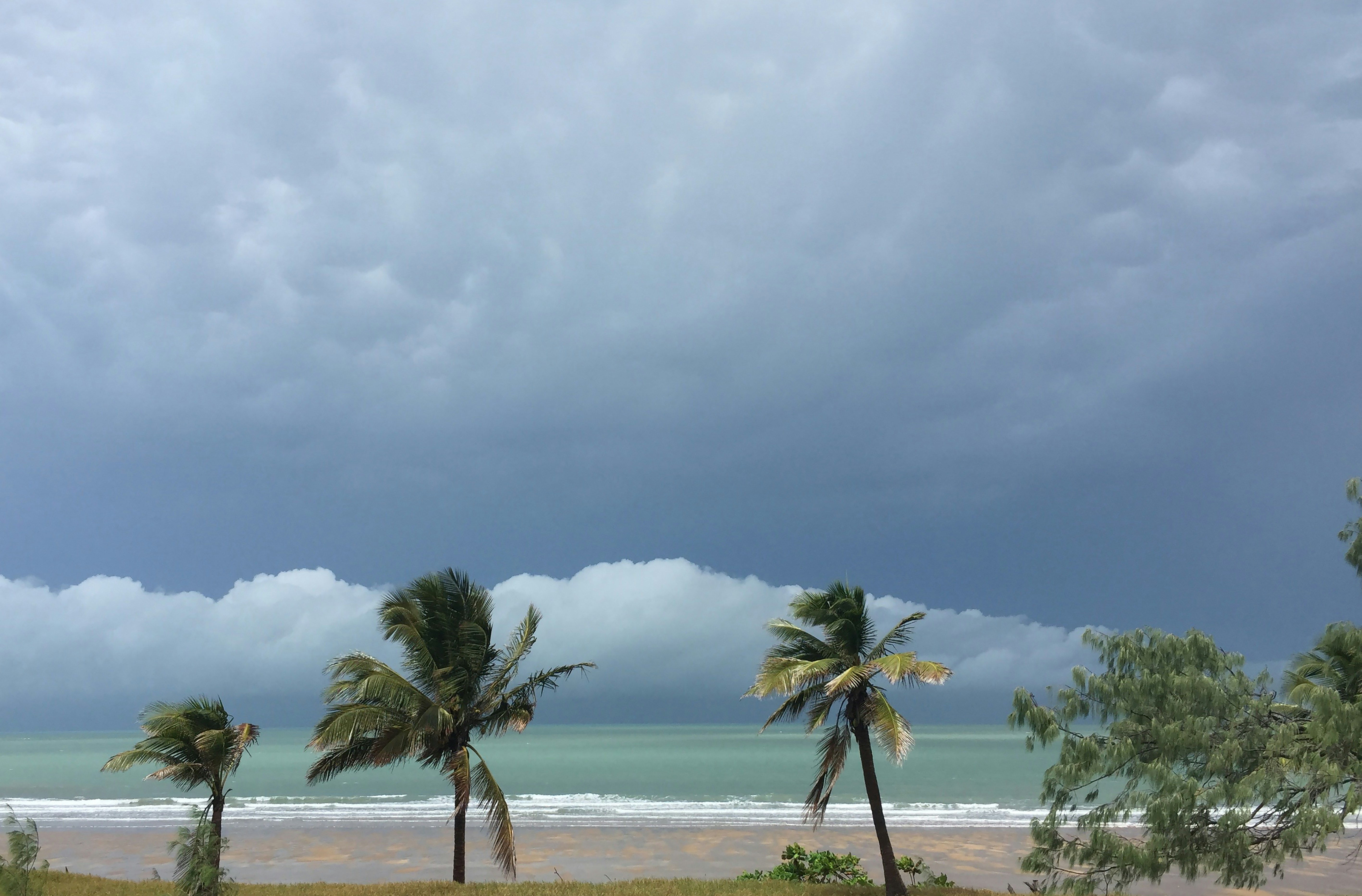
Reports on late-season tropical activity provide the seasonal context for this preparation—not evidence of a documented roofing or restoration lead surge. See FOX Weather’s tropical activity coverage and this FOX 13 report.
Table of contents
- Safety and emergency escalation come first
- Pre-storm lead-response checklist
- During-storm inquiry checklist
- Storm-damage qualification questions
- Photo, inspection, and scheduling handoffs
- Capacity limits and expectation setting
- Follow-up for leads not ready to book
- Copy-and-paste message templates
- How SecureMyLead fits into the workflow
- FAQ
Safety and emergency escalation come first
A lead-response workflow is not an emergency-response system.
If a caller or message mentions an immediate threat to people or property—such as downed power lines, a gas leak, carbon monoxide concerns, fire, or medical equipment losing power—do not attempt to assess the situation by text. Tell them to follow official emergency guidance and contact the appropriate emergency or utility professionals.
Your team should also avoid making structural-safety, insurance-coverage, or damage-severity judgments remotely. A first response can acknowledge the inquiry and explain the next business step, but emergency and safety issues require qualified human judgment.
Build this into your internal handoff rules before weather becomes a distraction:
- [ ] Identify who monitors urgent calls, texts, and web forms.
- [ ] Give staff one clear escalation contact for safety-related messages.
- [ ] Train staff not to promise emergency service, inspection times, or repair outcomes they cannot confirm.
- [ ] Keep safety language short and consistent.
- [ ] Separate emergency-related communications from ordinary inspection and estimate requests.
Pre-storm lead-response checklist
Preparation should focus on operational clarity, not assumptions about incoming volume. If inquiries increase, a documented process gives your team a better chance of responding consistently.
1. Confirm every active lead source
Storm-related prospects may contact you through whichever route is easiest at the moment: a phone call, Google Business Profile, website form, Facebook lead form, referral, email, or social message.
Make a simple source list and assign an owner to each one.
- [ ] Website forms are tested with a real submission.
- [ ] Business phone voicemail is current and monitored.
- [ ] Missed-call notifications reach the right person.
- [ ] Google Business Profile messages, social inboxes, and email inboxes have an owner.
- [ ] Paid lead sources are checked for routing changes or duplicate notifications.
- [ ] Referral partners know the best intake number or form.
For a broader system that connects first response, ownership, and follow-up, see automated lead follow-up systems for contractors.
2. Set an after-hours acknowledgment
A customer who submits a roof-leak or storm-damage inquiry at night may not expect a full inspection immediately. They do need to know their message was received and what happens next.
Your acknowledgment should:
- identify your business;
- confirm receipt without diagnosing the issue;
- avoid promising a specific appointment before availability is checked;
- state when a team member will respond;
- include a concise safety direction for immediate hazards;
- offer a simple next action, such as replying with their address and photos.
If you use text messaging, only message people who have provided the appropriate consent. Include opt-out handling, and do not treat automated messaging as a substitute for a person reviewing urgent messages.
3. Define lead ownership before volume arrives
A lead is not “handled” because an automated confirmation went out. Someone must own the next human action.
Create a lightweight ownership map:
| Lead type | First acknowledgment | Human owner | Next action |
|---|---|---|---|
| New inspection request | Automated or manual confirmation | Office manager or estimator | Confirm contact details and service area |
| Missed inbound call | Missed-call response | Assigned team member | Return call or text to clarify request |
| Photo submission | Receipt confirmation | Estimator | Review photos and determine inspection path |
| Existing customer damage question | Confirmation | Customer-service owner | Review account and coordinate next step |
| Safety concern | Brief acknowledgment | Qualified human escalation contact | Direct customer to official emergency guidance where appropriate |
Do not rely on vague rules like “someone will get back to them.” During a busy period, unclear ownership is how inquiries get duplicated, delayed, or forgotten.
4. Prepare your internal status labels
You do not need a complicated CRM process to create useful visibility. A small set of statuses is enough:
- New inquiry
- Acknowledged
- Needs human review
- Awaiting photos or address
- Inspection requested
- Inspection scheduled
- Estimate requested
- Capacity waitlist
- Not ready to book
- Closed or not a fit
The point is not the label itself. The point is making the next action visible.
During-storm inquiry checklist
When weather activity is affecting attention in your area—or when storm-related inquiries begin arriving—use this live operating checklist.
- [ ] Monitor each lead source at scheduled intervals.
- [ ] Acknowledge new leads quickly, including after hours where appropriate.
- [ ] Review replies from leads who receive automated messages.
- [ ] Route safety-related concerns to a qualified human, not an automated sequence.
- [ ] Confirm the customer’s service address before discussing inspection availability.
- [ ] Record the inquiry type: inspection, leak concern, visible damage question, estimate request, or existing-customer request.
- [ ] Avoid stating that damage is covered, severe, or caused by a particular weather event.
- [ ] Confirm what the customer should expect next: call, photo review, inspection scheduling, waitlist, or follow-up.
- [ ] Update capacity messaging as the calendar changes.
- [ ] Review unanswered leads before the end of each shift.
The operational goal is simple: no inquiry should disappear just because the team is busy in the field.
Storm-damage qualification questions
Qualification questions should help you collect scheduling information—not remotely diagnose a roof, structure, or restoration need.
Keep the first exchange brief. Ask only what helps your team decide who needs to review the lead and what a realistic next step looks like.
Basic intake questions
- What is the service address?
- What is the best phone number and email for updates?
- Are you looking for an inspection, repair estimate, restoration service, or information about a current project?
- When did you first notice the issue?
- Can you share a short description of what you are seeing?
- Are there photos you can safely provide from the ground or another safe location?
- Is this an owner-occupied property, rental, commercial property, or another property type?
- Is there any immediate safety concern that needs official emergency or utility guidance?
Avoid asking customers to climb on roofs, enter unsafe areas, touch damaged utilities, or take risky photos to “qualify” their lead.
Questions that should wait for a qualified professional
Do not make these determinations in an automated reply or initial intake message:
- whether a roof is structurally safe;
- whether water damage is hazardous;
- whether a loss is insurance-covered;
- whether repair is sufficient versus replacement;
- whether a customer needs emergency service;
- the exact cause or extent of property damage.
Use the intake process to gather facts and assign human review—not to make promises.
Photo, inspection, and scheduling handoffs
Many storm-related leads stall between “send photos” and “we will review them.” Solve that by defining the handoff before inquiries arrive.
For photo submissions
- [ ] Tell the customer where to send photos.
- [ ] Ask them to include the service address.
- [ ] Confirm receipt.
- [ ] Assign a person to review the submission.
- [ ] Record whether the next step is a call, inspection request, waitlist, or decline.
- [ ] Do not imply a photo review is a final diagnosis.
For inspection requests
- [ ] Confirm service area before offering a time.
- [ ] Confirm the customer’s preferred contact method.
- [ ] Give only availability your team can honor.
- [ ] Explain what happens if weather conditions make an inspection impractical.
- [ ] Send a confirmation once the appointment is actually booked.
- [ ] Assign an internal owner for changes, cancellations, and no-shows.
For contractor-specific estimate follow-up after an inspection or quote is completed, use these estimate follow-up text templates for contractors.
Capacity limits and expectation setting
When a team is busy, false certainty creates more problems than a candid waitlist.
If inspection slots are limited, say so plainly. If your business is not serving a location, explain that respectfully. If a customer’s request needs review before scheduling, do not imply they are booked.
Use capacity language such as:
- “We’ve received your request and are reviewing current inspection availability.”
- “Our team is scheduling in the order requests are confirmed. We’ll follow up with the next available options.”
- “We can add your request to our list and contact you when an opening is available.”
- “We need to confirm a few details before we can offer an inspection time.”
Avoid:
- “We’ll be there today” unless that is confirmed;
- “You’re covered” or any insurance-related assurance;
- “This is definitely storm damage”;
- “Emergency service is on the way” unless your business has actually dispatched it.
Follow-up for leads not ready to book
Not every prospect will schedule on the first exchange. They may be comparing companies, waiting for another household decision-maker, gathering photos, or simply overwhelmed.
A useful follow-up process keeps the conversation open without pretending the customer is ready.
Use a simple sequence of purposeful touches
- Initial acknowledgment: Confirm receipt and set the next expectation.
- Information follow-up: Request the missing address, photos, or preferred callback time.
- Availability check-in: Offer next steps if the customer has not responded.
- Final low-pressure follow-up: Let them know how to reconnect when they are ready.
Each message should have one purpose. Do not send repeated “just checking in” texts without giving the recipient a clear path forward.
For timing and persistence principles, see how long to wait before following up with a lead.
Copy-and-paste message templates
Adapt these templates to your actual service area, staffing, and availability. Send SMS only with appropriate consent, and make sure recipients can opt out.
New storm-related inquiry acknowledgment
Hi [First Name], this is [Name] with [Business]. We received your request about the property at [Address]. A team member will review the details and follow up about next steps. If there is an immediate safety concern, please follow official emergency guidance and contact the appropriate emergency or utility provider.
Request for address and photos
Hi [First Name], thanks for contacting [Business]. To review your inspection request, please reply with the property address and any photos you can provide safely from the ground. We’ll use that information to confirm the next step.
Inspection availability update
Hi [First Name], this is [Name] from [Business]. We’re reviewing current inspection availability for your area. We have your request and will contact you with available options once we confirm the schedule.
Capacity waitlist message
Hi [First Name], we’ve received your request. Our current inspection schedule is limited, but we can keep your information on our availability list and contact you when an opening is available. Reply YES if you’d like us to keep your request active.
No-response follow-up
Hi [First Name], checking back on your request to [Business]. If you still want help with an inspection or estimate, reply with the property address and the best time to reach you. If plans have changed, no problem.
For additional first-response variations, see 15 auto reply messages contractors can use for new leads.
How SecureMyLead fits into the workflow
A weather-readiness plan still needs people to make decisions about safety, service area, scheduling, capacity, inspections, and customer needs.
SecureMyLead can serve as the acknowledgment and follow-up layer between your lead sources and that human review. It can automatically send a first SMS when a new lead arrives, continue approved follow-up messages, and keep conversations visible for your team.
Before turning on any sequence, make sure the message accurately reflects your current availability and that your team monitors replies. SecureMyLead recognizes common opt-out keywords, but your business remains responsible for obtaining appropriate consent and using messaging lawfully.
Get started free to build a more consistent lead-response workflow before the next busy period.
Key takeaways
- Late-season tropical activity is a useful prompt to review readiness, not proof that your market will experience storm damage or more leads.
- Safety-related messages require human escalation and official guidance—not automated diagnosis.
- Prepare every lead source, after-hours acknowledgment, owner assignment, and capacity message before demand becomes hectic.
- Qualification should collect facts for scheduling and review, not make structural or insurance judgments.
- Clear expectations protect both the customer experience and your team’s schedule.
- Acknowledgment and follow-up automation can support the process, but people must retain ownership of safety, capacity, and inspection decisions.
FAQ
Should roofers change their lead-response process during late hurricane season?
They should review it. Late-season tropical activity does not mean every roofing market will be affected, but a seasonal readiness check can help a team handle possible storm-related inquiries more consistently.
What should a roofing company say to a storm-damage lead after hours?
Confirm that the request was received, identify your business, explain when a person will follow up, and avoid diagnosing damage or promising an appointment. If the customer mentions an immediate safety threat, direct them to follow official emergency guidance and the appropriate emergency or utility professionals.
Can an automated text qualify a storm-damage lead?
It can collect basic intake details such as address, contact information, request type, and safely obtained photos. It should not assess safety, determine damage severity, decide insurance coverage, or replace a qualified professional’s review.
How should restoration businesses handle more inquiries than they can schedule?
Use honest capacity language. Confirm the request, explain that availability is being reviewed, offer a waitlist where appropriate, and avoid promising inspection or service times that are not confirmed.
Is it appropriate to text storm-related leads?
Texting may be appropriate when the person has provided the necessary consent and the message is relevant to their inquiry. Keep messages clear, identify your business, provide an opt-out path, and ensure a team member can review replies.