Flood Warning Lead Response Plan for Roofing, Restoration, and Plumbing Businesses
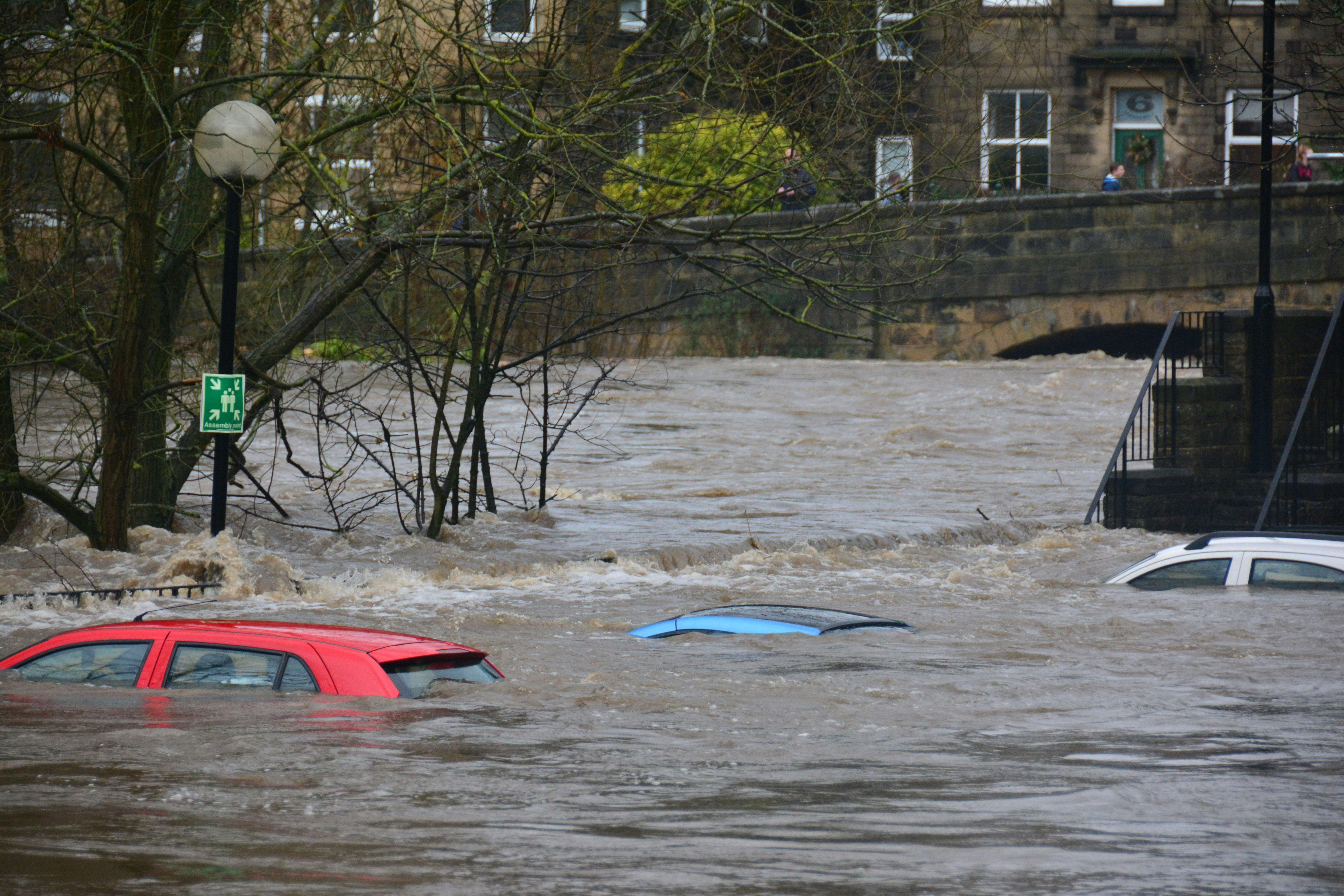
Heavy rainfall, flood advisories, flash-flood warnings, high-water road closures, and a temporary evacuation site in Hāna have recently affected parts of Maui and Hawaiʻi Island. Local reporting described Piʻilani Highway closing at mile 51 in Hāna because of high water, along with flood advisories and flash-flood warnings in affected areas. Maui Now and the Honolulu Star-Advertiser reported the weather disruptions.
For roofing, restoration, plumbing, mitigation, and cleanup businesses, conditions like these may create more calls, web forms, and inspection requests. The available reports do not measure a business lead increase, so treat this as a preparation plan—not proof of a documented lead surge.
Safety and human judgment come first. Customers and workers should follow official emergency alerts and direction from local authorities. Your automated acknowledgment should never diagnose damage, assess whether a situation is an emergency, promise an arrival time, or substitute for emergency services or human dispatch.
Table of contents
- The goal: acknowledge without overpromising
- 1. Set a flood-response triage process
- 2. Capture the details a human needs
- 3. Route leads by location and service type
- 4. Use realistic capacity messaging
- 5. Copy-and-paste flood inquiry responses
- 6. Follow up on inspection and estimate requests
- 7. Adjust messaging when capacity changes
- Flood-response checklist
- FAQ
The goal: acknowledge without overpromising
During possible weather-related demand, the first message has a narrow but important job:
- Confirm the business received the inquiry.
- Set an honest expectation that a team member will review it.
- Collect only the information needed for a human to prioritize and respond.
- Avoid creating a false expectation of emergency availability or a specific arrival window.
A prompt acknowledgment can keep an inquiry from sitting unnoticed while your team reviews road access, worker safety, active jobs, and available service areas. It is not a dispatch decision.
That distinction matters especially when flooding affects travel. A customer may need help, but your team should not promise a visit until a person has confirmed the property location, service type, current conditions, and whether it is safe and feasible to respond.
1. Set a flood-response triage process
Before changing any automation, decide who owns incoming flood-related inquiries and what requires immediate human review.
Create a simple “human review now” queue
Route the following inquiries to a designated owner, dispatcher, or on-call team member as quickly as your business can reasonably manage:
- Active water entering a building
- A report of visible roof damage after heavy rain
- A possible plumbing backup or leak affecting occupied areas
- A request for water mitigation, cleanup, extraction, or drying services
- A customer who says access is limited or roads are affected
- An inquiry involving a commercial property, tenant issue, or multiple units
- Any request where the customer is asking for immediate service or a firm arrival time
This is a review queue, not an automated emergency classification system. The team member should determine the next step based on the actual situation, local access, safety, staffing, and your business’s services.
Separate urgent review from routine estimate requests
Not every weather-related form needs the same workflow. Use clear categories such as:
| Inquiry type | Example | Recommended action |
|---|---|---|
| Immediate human review | “Water is coming through the ceiling.” | Acknowledge receipt, alert the designated team member, and review manually. |
| Near-term inspection request | “Can someone inspect our roof after the rain?” | Acknowledge, collect location and preferred contact details, then offer the next available review or inspection process. |
| Estimate request | “We need a quote for cleanup after water damage.” | Confirm receipt, gather the service category and location, then follow up when capacity allows. |
| General question | “Do you work in this area?” | Confirm service area and explain that availability is subject to current conditions and scheduling. |
A single generic “We’ll be there soon” message is risky because these requests have different urgency, staffing needs, and feasibility.
2. Capture the details a human needs
Flood conditions can make location and access as important as the service requested. Your form, phone intake, or reply process should help a human understand the situation without asking an automated system to assess damage severity.
Ask for:
- Name and best callback number
- Property address or neighborhood
- Requested service: roofing, water cleanup, plumbing, mitigation, inspection, or another service
- A brief description in the customer’s own words
- Whether the property is residential or commercial
- Preferred contact method
- Whether there are known access limitations affecting the property
Avoid asking an automated message to decide whether the customer’s situation is safe, covered by insurance, structurally sound, or eligible for emergency service. Those are human decisions and may require qualified professionals.
Keep the first reply short
A customer dealing with a disrupted property does not need a long intake questionnaire by text. Get the essentials, then have a person take over when appropriate.
For broader intake and response structure, see best lead response templates for service businesses.
3. Route leads by location and service type
When weather affects multiple areas, sending every inquiry to one person creates avoidable delays. A practical routing sheet can be as simple as a shared inbox, spreadsheet, or labeled pipeline.
Use these fields:
| Field | Why it matters during flood conditions |
|---|---|
| Received time | Helps the team work in order and spot unanswered leads. |
| Location | Road conditions and travel feasibility may differ by area. |
| Service type | Roofing, plumbing, and restoration requests need different owners and equipment. |
| Property type | Residential and commercial work may require different next steps. |
| Status | New, under review, contacted, scheduled, unable to serve, or follow-up needed. |
| Owner | Makes clear who is responsible for the next human response. |
| Capacity note | Records whether the business can currently inspect, estimate, or schedule the request. |
Use service-specific ownership
A roofing inquiry may involve an inspection request after rainfall. A restoration inquiry may require a different conversation about water damage and cleanup. A plumbing inquiry may concern a leak, drainage problem, or backup.
Do not send the same follow-up sequence to all three without review. The language should match the work the customer requested, and the team handling it should know what information they need before committing to a next step.
4. Use realistic capacity messaging
Weather disruptions can affect your own routes, staffing, equipment access, and safe work windows. Be direct when you are reviewing availability.
Good language includes:
- “Our team is reviewing current availability and access in your area.”
- “We received your request and will follow up after a team member reviews it.”
- “Appointments are subject to current conditions, safe access, and team availability.”
- “We are currently prioritizing incoming requests and will let you know our next available option.”
Avoid language such as:
- “A crew is on the way.”
- “We can get there today.”
- “You are booked.”
- “This is covered.”
- “We can assess the damage by text.”
- “We handle emergencies 24/7,” unless that is genuinely true and staffed.
If your schedule is full, say so. A clear capacity message is better than an automated promise your team cannot keep.
5. Copy-and-paste flood inquiry responses
Use these as starting points. Replace bracketed details and have a human review where the situation requires it.
General flood-related acknowledgment
Hi [First Name], this is [Business Name]. We received your request. Our team is reviewing current availability and access conditions in your area. Please reply with the property address and a brief description of the service you need, and a team member will follow up.
Restoration or water-cleanup inquiry
Hi [First Name], this is [Business Name]. We received your water-cleanup request. Please send the property address, your best callback number, and a short description of what you’re seeing. A team member will review the details and current availability before confirming next steps.
Roofing inspection request
Hi [First Name], this is [Business Name]. Thanks for contacting us about a roof concern. Please reply with the property address and a brief description of the issue. We’ll review availability and safe access conditions before discussing inspection options.
Plumbing inquiry during heavy rain
Hi [First Name], this is [Business Name]. We received your plumbing request. Please reply with the property address and a short description of the issue. Our team will review the request and current scheduling availability, then follow up with next steps.
Capacity-full message
Hi [First Name], this is [Business Name]. We received your request. Our current schedule is limited, and we cannot confirm service at this time. We can keep your request on file and contact you if availability opens, or you may wish to contact another qualified local provider.
Follow-up after no reply
Hi [First Name], following up on your request to [Business Name]. If you still need help with [service type], reply with the property address and the best time to reach you. We’ll review current availability before confirming any appointment.
These messages acknowledge the customer without making claims your team has not verified.
6. Follow up on inspection and estimate requests
Not every lead will need immediate field service. Some people may be looking for a future inspection, an estimate, or information about whether you serve their area.
Those requests can still be lost when the team is focused on active work. Use a separate follow-up path for customers who have not replied or who asked for an inspection but have not chosen a time.
A simple sequence might be:
- Initial acknowledgment: Confirm receipt and collect location plus service type.
- Human review: Decide whether to call, schedule, place on a waitlist, or decline due to capacity or access.
- First follow-up: If the customer has not supplied the requested details, send one concise reminder.
- Estimate or inspection follow-up: If your team has sent options but received no response, check whether the customer still wants to proceed.
- Close or pause: Stop repeated messages when the request is resolved, unavailable, or no longer appropriate to pursue.
For more estimate-specific wording, use the templates in estimate follow-up texts for contractors.
Important automation safeguard
Automation can help send an acknowledgment and maintain a consistent follow-up process, but a person must remain responsible for reviewing replies and changing the plan when circumstances change.
SecureMyLead supports automated SMS first responses and follow-up sequences, but ordinary customer replies do not currently auto-pause scheduled sequence messages. If a customer responds, your team should review the conversation and make sure any continued messaging remains appropriate.
7. Adjust messaging when capacity changes
Flood-related conditions can change quickly. Your lead workflow should be easy to update when your business:
- Cannot safely reach a service area
- Has no available appointments
- Has reopened capacity
- Is temporarily accepting inspections but not active repair work
- Needs to prioritize existing customers or already-confirmed jobs
- Is receiving inquiries outside its service area
Review active messages at least whenever your availability changes. An outdated auto-reply can create more work for your team and frustrate customers.
A practical capacity rule
Before leaving an automated message active, ask:
If a customer receives this right now, can our team realistically do what the message implies?
If not, change the wording. The goal is not to maximize the number of conversations. It is to keep each conversation honest, organized, and owned by a real person.
Flood-response checklist
Use this checklist before and during a possible increase in weather-related inquiries:
- [ ] Identify the person responsible for urgent human review.
- [ ] Confirm which locations you can currently serve.
- [ ] Separate restoration, roofing, plumbing, inspection, and estimate requests.
- [ ] Update your acknowledgment to avoid arrival-time promises.
- [ ] Ask for address, service type, callback number, and a short description.
- [ ] Create a visible status for each inquiry.
- [ ] Review road access, worker safety, and current capacity before scheduling.
- [ ] Send one appropriate follow-up to unanswered inspection or estimate requests.
- [ ] Update or pause automated messaging when capacity is full.
- [ ] Review customer replies manually and adjust further messaging as needed.
Where SecureMyLead fits
SecureMyLead can serve as the follow-up layer between a new inquiry and your team’s human review. It can send an immediate acknowledgment when a lead arrives and support a consistent SMS follow-up process for inspection or estimate requests that might otherwise be forgotten.
It does not replace emergency services, professional damage assessment, dispatch, capacity planning, or a person’s judgment about whether and when to send a crew.
If you want a system for acknowledging new leads and continuing appropriate follow-up while your team handles real-world decisions, get started free.
Key takeaways
- Current reports document rainfall, flood-related advisories and warnings, road closures, and disruption in parts of Maui and Hawaiʻi Island—not a measured rise in business leads.
- Roofing, restoration, plumbing, and cleanup businesses should prepare for possible additional inquiries without assuming demand or promising availability.
- Lead acknowledgment, human triage, location routing, and honest capacity messaging are different steps.
- Do not automate damage assessment, emergency severity decisions, arrival promises, or dispatch.
- Keep automated messages current as road access, staffing, and service capacity change.
FAQ
Should a restoration company automate responses to flood-related leads?
An automated acknowledgment can be useful if it confirms receipt, gathers basic details, and tells the customer a team member will review the request. It should not diagnose damage, determine urgency, promise service, or replace human triage.
What should roofers ask in a storm-related inquiry?
Start with the property address, callback number, a brief description of the concern, and the type of property. A human should then review access, safety, availability, and whether an inspection can be offered.
What if our plumbing schedule is already full?
Update your response immediately. Tell customers that availability is limited and avoid suggesting that service is confirmed. You can offer to retain the request for follow-up if capacity opens, provided that is a process your team can actually manage.
Should businesses promise same-day service during flood conditions?
No. Only confirm a service window after a human has reviewed the location, access, safety conditions, staffing, and actual capacity. Automated messages should avoid promises about arrival times.
How many times should we follow up on an unanswered inspection request?
Keep it measured and relevant. Send an initial acknowledgment, then one concise follow-up if the customer has not provided the details needed for review. Additional outreach should depend on the customer’s consent, the nature of the request, and your team’s capacity.