Las Vegas Flooding: Flood-Damage Lead Response Checklist for Restoration Contractors
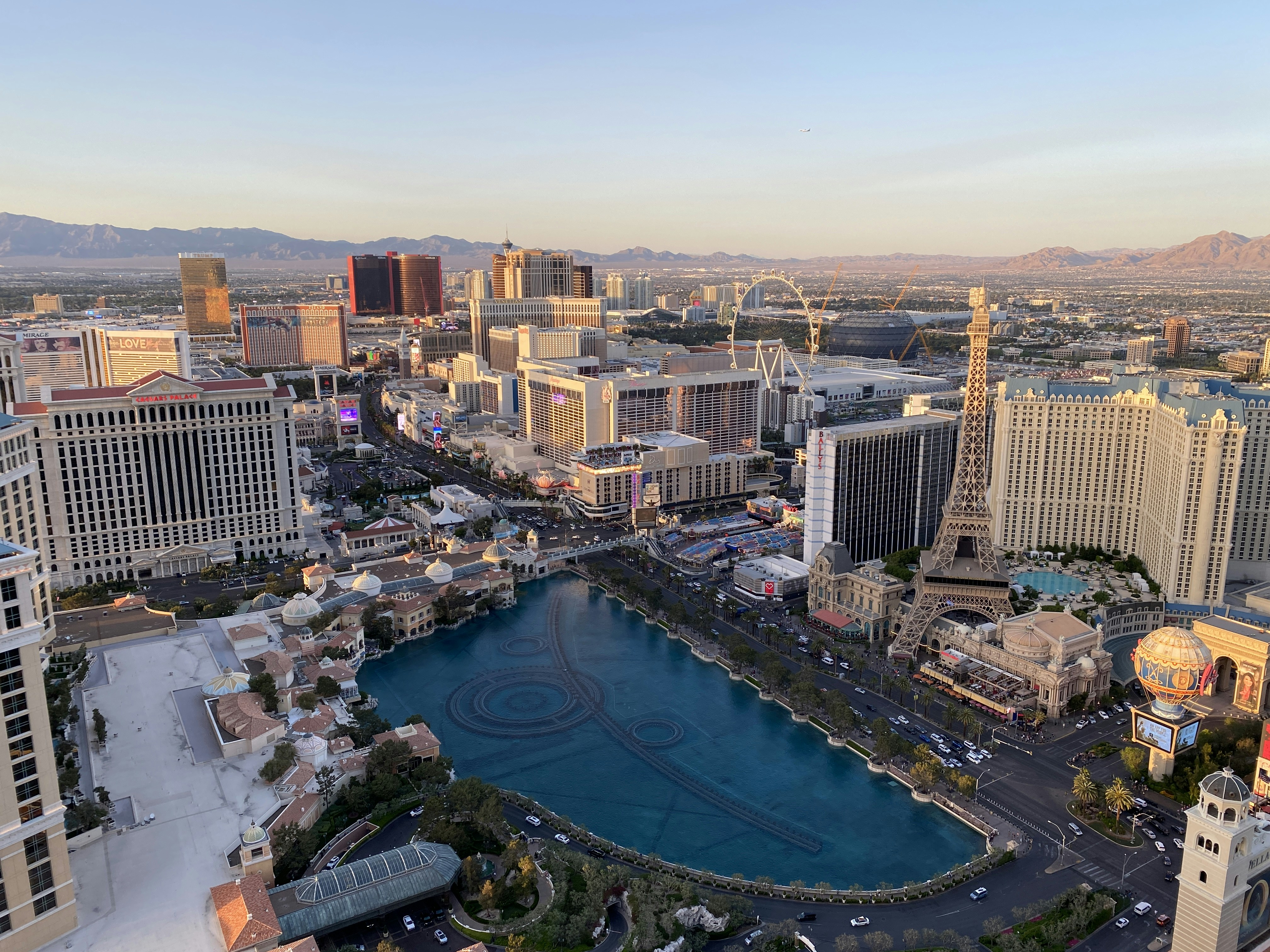
Heavy rain, flooding, and hail affected parts of the Las Vegas Valley on October 30, 2026, according to local reporting from FOX5 Las Vegas and News 3 Las Vegas.
Those reports document the weather event—not a measured increase in restoration inquiries. Still, restoration contractors and related home-service businesses should prepare for the possibility that weather events create urgent calls, web forms, and text messages from property owners looking for help.
The goal is not to let an automated message make safety decisions, assess damage, or dispatch crews. The goal is simpler: acknowledge legitimate inquiries promptly, gather the details a human needs, route the lead to the right person, and keep non-immediate opportunities from being forgotten.
Table of contents
- Start with safety and official guidance
- The flood-damage lead response checklist
- What to ask without trying to diagnose the damage
- How to prioritize and route flood-related inquiries
- SMS templates for flood-damage inquiries
- Follow-up when capacity is limited
- Where SecureMyLead fits
- Key takeaways
- FAQ
Start with safety and official guidance
Before discussing estimates, inspections, or scheduling, keep safety boundaries clear.
A restoration company’s lead-response workflow should never attempt to decide whether a caller faces an electrical, gas, structural, medical, fire, or other immediate emergency. Do not use an SMS workflow to diagnose hazardous conditions or give technical safety instructions.
When a lead describes a potentially dangerous situation:
- Direct them to official local guidance and qualified emergency or safety professionals as appropriate.
- Escalate the conversation to a trained human on your team if your business has a defined process for doing so.
- Avoid promising a crew arrival time before a person has reviewed location, capacity, and the nature of the request.
- Record the information the customer volunteered so the human responder has context.
This protects the customer from mistaking an acknowledgment text for emergency advice—and protects your team from treating a safety issue like an ordinary estimate request.
The flood-damage lead response checklist
Use this as a practical workflow when heavy rain or flooding may create weather-related inquiries.
1. Activate a weather-response owner
Before inquiries arrive, assign one person to own the workflow for the day or shift. That person does not need to answer every message personally, but they should know:
- Who monitors new calls, forms, and texts
- Which team member can make return calls
- Your current service area
- Whether crews are available, limited, or fully booked
- What services you can and cannot take on
- When a lead should be referred, declined, or scheduled for later follow-up
Without a clear owner, several employees may assume someone else is handling the message.
2. Update the first-response message
A weather-specific acknowledgment should do three things:
- Confirm that the inquiry was received
- Set realistic expectations without making a response-time promise
- Ask for the minimum details needed for a human review
It should not say that help is on the way, that a crew has been dispatched, or that your company can handle the situation before verifying the facts.
A useful first response can also remind customers with immediate safety concerns to follow official local guidance and contact qualified emergency professionals where appropriate.
3. Capture a complete lead record
Every flood-related inquiry should have one visible record, whether it arrived by call, form, chat, social message, referral, or text.
At minimum, record:
| Field | Why it matters |
|---|---|
| Name and best callback number | Lets a team member continue the conversation |
| Property address or ZIP code | Confirms service area and routing |
| Property type | Helps distinguish residential, commercial, rental, or other requests |
| Customer’s description | Gives the responder context without making an automated diagnosis |
| How the water or damage was noticed | Helps prepare for the callback |
| Preferred contact method | Reduces back-and-forth |
| Lead source and time received | Shows where inquiries are coming from and how long they have waited |
| Current status | Prevents duplicate work or forgotten follow-up |
| Assigned owner | Makes responsibility visible |
If the caller left a voicemail, add the callback task immediately. Weather-related inquiries can become difficult to manage when the details stay trapped in individual voicemail inboxes.
4. Confirm service area before promising next steps
Las Vegas Valley weather can affect different areas unevenly. Do not assume that every lead is inside your normal coverage area or that your crew can reach every location under current conditions.
Confirm:
- Street address or ZIP code
- Whether the property is within your service area
- Whether the request matches the services you actually provide
- Whether your team has current capacity to review or schedule the request
If you cannot take the job, communicate that clearly and respectfully. A vague “we’ll get back to you” is worse than a transparent answer when the business knows it cannot help.
5. Route the lead to a human decision-maker
A lead should move from acknowledgment to human ownership quickly, especially when the customer is describing active water intrusion, damage, or an urgent need for an assessment.
The handoff may go to:
- An owner-operator
- An office manager
- A restoration coordinator
- An on-call supervisor
- A qualified estimator
- A designated after-hours contact
The important part is not the job title. It is that one person owns the next human action.
6. Label the lead by operational status
Use simple, action-based statuses rather than vague notes.
For example:
- Needs safety-aware human review
- Needs location confirmation
- Inside service area—callback needed
- Waiting for photos or details
- Assessment discussion pending
- Capacity-limited—follow up later
- Outside service area
- Not a service fit
- Closed or referred
These labels make it easier to sort a busy inbox without claiming that your system has clinically or technically assessed the severity of the damage.
7. Set the next action before ending the interaction
Every lead needs a next step, even if that step is simply “human callback pending.”
Examples include:
- Call the customer to gather more detail
- Confirm whether the property is in the service area
- Request photos for a human review, if that is part of your normal process
- Offer an available assessment window
- Explain that the team is currently capacity-limited and ask permission to follow up
- Refer the customer elsewhere when the request is outside your scope
A lead with no defined next action is the lead most likely to disappear during a busy weather event.
What to ask without trying to diagnose the damage
Your first questions should help your team understand the request. They should not turn a text sequence into a remote damage assessment.
Keep the initial intake short.
Basic intake questions
A human team member can ask:
- What is the property address or ZIP code?
- Is this a home, business, rental property, or another type of building?
- What are you seeing or experiencing at the property?
- When did you first notice the issue?
- Is there a best time and number for a team member to call you?
- Have you already contacted another contractor or insurance representative, if relevant to your process?
Questions to avoid in an automated first response
Avoid language that implies your system can determine safety, scope, coverage, or crew availability. For example:
- “How severe is the flooding?”
- “Is the building safe to enter?”
- “We can dispatch a team now.”
- “This is covered by insurance.”
- “Your damage requires immediate restoration.”
Those conclusions require qualified human judgment and, in some cases, professionals outside your business.
How to prioritize and route flood-related inquiries
Flood-related leads do not all need the same workflow. The right distinction is not “important” versus “unimportant.” It is whether the request needs immediate human review, a standard service conversation, or a later follow-up.
Priority 1: Potential safety concern or unclear urgent situation
Use this status when the customer reports circumstances that may involve a safety issue or when their message suggests a need for immediate official or qualified professional guidance.
Your workflow:
- Send a careful acknowledgment
- Direct the customer to official local guidance and qualified emergency professionals as appropriate
- Alert the designated human contact
- Do not diagnose, promise arrival, or try to resolve the issue through automated texting
Priority 2: Serviceable restoration inquiry needing a prompt callback
This may include a property owner asking whether your company handles water-related cleanup, drying, inspection, or restoration work in your service area.
Your workflow:
- Confirm contact and location details
- Assign a human owner
- Call or reply personally
- Set a clear next step only after checking scope and capacity
Priority 3: Standard estimate or future-service inquiry
Some people may contact your company after a storm simply because they want a future inspection, estimate, or general information.
Your workflow:
- Acknowledge the message
- Collect basic location and contact details
- Offer the next available conversation or assessment process
- Continue follow-up if they do not reply
Priority 4: Outside service area or outside your scope
Not every inquiry is a match.
Your workflow:
- Respond clearly
- Avoid making promises about another provider
- Close the lead record with a useful reason code
- Keep the interaction professional; the customer may still remember how your company handled the request
For a broader framework on making sure no one loses ownership of an inbound inquiry, see how to build a lead follow-up system that runs automatically.
SMS templates for flood-damage inquiries
These examples are acknowledgments and information-gathering messages. They are not emergency instructions, damage assessments, dispatch confirmations, or service guarantees.
Only text people where you have the appropriate permission to do so, and ensure your team follows applicable messaging requirements.
Initial form submission acknowledgment
Hi [First Name], this is [Business Name]. We received your request regarding possible water or flood damage at [Property Address/ZIP]. A team member will review your details. If there is an immediate safety concern, please follow official local guidance and contact qualified emergency professionals as appropriate. What is the best number and time for a callback?
Missed-call text
Hi [First Name], this is [Business Name]. Sorry we missed your call. We received your message about a possible water-damage issue. Please reply with the property ZIP code and a brief description, and a team member can review whether we can assist.
Service-area check
Thanks, [First Name]. Before we confirm next steps, can you send the property address or ZIP code? We’ll use that to confirm whether the location is within our current service area.
Capacity-limited response
Hi [First Name], this is [Business Name]. We received your request and are reviewing current availability. We can’t confirm a visit time by text, but a team member will follow up after reviewing the property location and details. What is the best callback number?
Request for a human callback
Thanks for the information. A team member needs to review the details with you directly before confirming next steps. Is now a good time for a call, or would another time be better?
No-reply follow-up
Hi [First Name], this is [Business Name] following up on your water-damage inquiry. If you still need to speak with our team, reply with the property ZIP code and the best callback number. If you no longer need help, no reply is needed.
For more general first-response examples, see these lead response templates for service businesses.
Follow-up when capacity is limited
A weather event can create a difficult operational choice: you want to acknowledge every legitimate inquiry, but you should not overpromise what the team can actually do.
A practical capacity-limited process has three parts.
Be honest about what has and has not been confirmed
Do not say a job is booked, a crew is assigned, or an assessment is guaranteed until a person has confirmed it.
Use language such as:
- “We received your request.”
- “A team member is reviewing the details.”
- “We’re confirming whether the location is within our current service area.”
- “We’ll contact you after we review availability.”
Separate immediate callbacks from longer-term follow-up
If your team cannot speak with everyone immediately, create two queues:
- Human review queue: Leads that need a prompt phone conversation.
- Pending follow-up queue: Leads waiting on a reply, location confirmation, a later appointment discussion, or availability.
This avoids losing legitimate inquiries simply because they were not the first message received.
Continue only while the message remains useful
A short, respectful follow-up sequence may be appropriate for a lead who asked for help and then went quiet. But do not keep sending storm-themed messages after the situation is no longer relevant.
The follow-up should have a practical purpose:
- Confirm whether they still need a callback
- Collect missing location details
- Offer a conversation when availability changes
- Close the loop politely
For an approach to timing and stopping follow-up, read how long to wait before following up with a lead.
Where SecureMyLead fits
During a weather event, SecureMyLead can serve as the follow-up layer between your lead sources and the person who needs to take over the conversation.
It can automatically acknowledge new leads by SMS and continue a configured follow-up sequence so form submissions and missed opportunities are less likely to sit unanswered. Your team still needs to set the safety language, review capacity, decide who owns the lead, and handle any urgent or complex situation personally.
For flood-related workflows, keep the automation conservative: acknowledge receipt, collect basic callback and location information, and route the lead to a human. Do not use automated texts as emergency triage or dispatch.
Get started free to build a more consistent lead-response workflow before the next weather event.
Key takeaways
- Heavy rain, flooding, and hail were reported in parts of the Las Vegas Valley on October 30, 2026, but the available reports do not establish a documented increase in contractor leads.
- Restoration companies can still prepare for possible weather-related inquiries with a clear intake, routing, and follow-up process.
- Safety-sensitive messages require official local guidance, qualified professionals, and human judgment—not automated diagnosis.
- Confirm service area, scope, and capacity before making scheduling or arrival promises.
- Every lead should have an owner, a visible status, and a defined next action.
- Automated SMS can acknowledge an inquiry and gather basic information, but it should not replace human triage, dispatch, or customer-service decisions.
FAQ
Did Las Vegas flooding cause a documented restoration lead surge?
The local news sources cited above document heavy rain, flooding, and hail in parts of the Las Vegas Valley on October 30, 2026. They do not document a measurable increase in restoration-company leads, missed calls, or booked work.
What should a restoration contractor’s first automated message say?
It should confirm receipt, identify the business, ask for basic information such as a property ZIP code and callback number, and avoid promises about safety, dispatch, arrival time, scope, or insurance coverage.
Can SMS automation triage a flood emergency?
No. Automated messaging should not assess emergency severity, determine whether a building is safe, give technical safety advice, or dispatch a crew. Potentially dangerous situations should be handled through official local guidance, qualified professionals, and human review.
How should a contractor handle more inquiries than the team can immediately answer?
Acknowledge each inquiry, capture the essential details, assign an owner, separate urgent human-review callbacks from standard follow-up, and communicate honestly about what has not yet been confirmed.
What information should be collected from a flood-damage lead?
Start with the customer’s name, callback number, property address or ZIP code, property type, a brief description of what they are seeing, when they noticed it, and their preferred contact time.