Flood-Related Lead Response Checklist for Roofers, Plumbers, and Restoration Companies
When heavy rain and flooding potential affect an area, service businesses may receive more calls, form submissions, missed calls, and text messages while crews are already in the field.
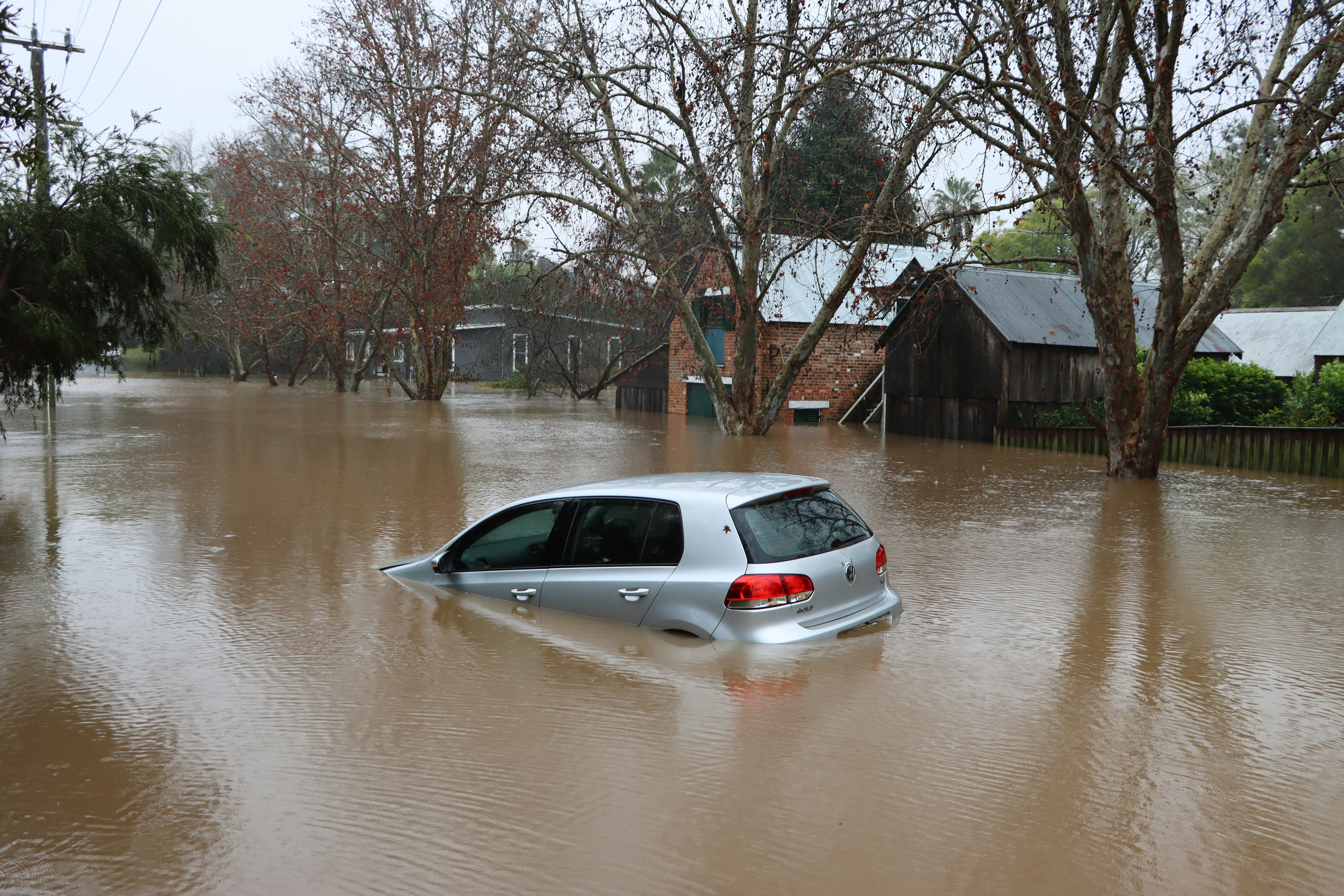
NewsChannel 10 recently reported additional flooding potential in parts of the Texas Panhandle, while other coverage discussed heavy-rainfall concerns and showers in Texas areas including San Antonio and Houston. These reports establish weather conditions in the covered areas—not a measured increase in repair demand. Still, roofers, plumbers, and restoration companies should prepare for a possible rise in weather-related inquiries. NewsChannel 10, Yahoo News, Click2Houston
Safety comes before lead handling
Do not use an intake form, text sequence, or automated reply to assess whether a property is safe.
If a caller reports an immediate threat—such as danger involving power, gas, fire, carbon monoxide, or a medical device losing power—direct them to emergency services. Safety decisions about floodwater, structural conditions, electrical hazards, contamination, and active property damage require qualified professionals.
A fast acknowledgment can confirm that an inquiry was received. It cannot diagnose an emergency, promise a technician, or determine whether a site is safe to enter.
Table of contents
- The flood-related intake checklist
- How to route roofing, plumbing, and restoration inquiries
- After-hours acknowledgment templates
- Set capacity-based callback expectations
- Follow up without pressuring vulnerable homeowners
- Use automation as a backup, not emergency triage
- FAQ
The flood-related intake checklist
Use this checklist for every weather-related inquiry. The goal is not to make a remote safety judgment. It is to collect enough accurate information for a qualified team member to decide what happens next.
1. Capture the contact details and exact service location
Record:
- Customer name
- Best callback number
- Email address, if provided
- Street address
- City and ZIP code
- Whether the property is residential or commercial
- Whether the caller is the owner, tenant, property manager, or another contact
The service address matters more than usual during weather events. A business may serve one side of a metro area but not another, or may need to prioritize routes based on crew location, road conditions, and existing commitments.
Do not assume the caller is within your service area because their phone number has a local area code.
2. Identify the requested service without diagnosing the problem
Ask the customer to describe what they need in their own words. Keep the first intake simple.
Useful categories include:
| Service type | Intake label | Information to collect |
|---|---|---|
| Roofing | Roof leak, visible roof damage, tarp request, inspection request | Address, active leak status, visible interior water, type of property |
| Plumbing | Drain backup, suspected pipe leak, sump-pump issue, water intrusion question | Address, where water is appearing, whether the issue is inside or outside |
| Restoration | Water mitigation, drying request, cleanup request, moisture inspection | Address, affected rooms or areas, approximate timing, whether the customer can safely communicate from the property |
| General | Estimate request, inspection request, insurance documentation question | Address, requested service, preferred callback time |
Avoid writing labels such as “safe,” “minor,” “contaminated,” or “emergency” based only on a text message or web form. Those are safety and professional-assessment decisions, not lead tags.
3. Separate immediate threats from normal callback requests
Build a clear handoff rule for your receptionist, owner, dispatcher, or on-call team member.
Immediate threat reported: Tell the caller to contact emergency services. Record the inquiry only after that direction is given, if appropriate.
No immediate threat reported, but active property concern: Assign the inquiry for human review as soon as your team is available. Do not promise an arrival time unless the responsible person has confirmed it.
Routine request: Send an acknowledgment, collect the basics, and provide a realistic callback window.
This distinction helps prevent a common weather-rush mistake: treating every inquiry like an ordinary estimate request or, in the other direction, treating every form submission as a confirmed emergency job.
4. Ask only for information that helps the next person act
A long questionnaire can slow a worried customer down. Your minimum viable intake should answer:
- Who needs help?
- Where is the property?
- What service do they believe they need?
- Is there an immediate threat that requires emergency services?
- What is the best way and time to contact them?
Additional details can wait for the qualified person handling the callback.
5. Mark the source and time of the inquiry
Tag the lead by source:
- Phone call
- Missed call
- Website form
- Google Business Profile message
- Paid ad form
- Referral
- Social message
- Existing customer
Also record the time received. During a possible weather-driven rush, this gives the team a workable queue and helps prevent a message from getting buried under newer inquiries.
6. Assign one owner for the next action
Every lead needs a named next step, such as:
- “Office callback by 9:00 a.m.”
- “On-call manager reviews tonight”
- “Out-of-area referral response”
- “Needs human review before scheduling”
- “Waiting on customer reply”
Avoid vague statuses like “new” or “follow up later.” They do not tell anyone who owns the conversation.
How to route roofing, plumbing, and restoration inquiries
These businesses may all hear from customers after heavy rain, but their intake queues should not be identical.
Roofing inquiries: distinguish inspection and active-leak requests
A roofing company may receive requests for:
- Roof inspections
- Water entering through a ceiling
- Temporary protection questions
- Visible storm-related concerns
- Estimates for future repair work
Route by what the customer reports, geography, and your team’s available response process. Do not promise that an inspection, tarp, repair, or insurance-related document can be completed by a certain time until a qualified team member confirms capacity.
For more general roofer lead-response guidance, visit SecureMyLead’s roofer hub.
Plumbing inquiries: identify the customer’s stated water problem
Flood-related plumbing calls may involve water entering a building, drainage concerns, backups, or other water-related issues. The first responder should capture the customer’s description without attempting to diagnose the cause by text.
A useful internal route might be:
- Plumbing callback needed
- May be outside service scope
- Existing customer
- Needs safety escalation
- Routine estimate request
This keeps a plumbing crew from being sent based on an incomplete assumption.
For a broader plumbing follow-up workflow, read Automated Lead Follow-Up for Plumbers.
Restoration inquiries: prioritize clear human review
Restoration companies may receive requests involving wet flooring, walls, ceilings, contents, or cleanup. These inquiries can require timely attention, but an automated message should not make claims about contamination, structural safety, insurance coverage, drying needs, or the right scope of work.
Your system should flag these leads for a trained human response and record:
- Property address
- Area reportedly affected
- When the customer noticed the issue
- Best callback number
- Whether the caller reports an immediate threat
The automation’s job is to preserve the inquiry and set expectations—not to replace professional judgment.
After-hours acknowledgment templates
An after-hours response can reduce uncertainty for a customer while making no promise your team cannot keep. Use these only for customers who have provided appropriate consent to receive text messages.
General flood-related acknowledgment
Hi [First Name], this is [Business Name]. We received your request for service at [Address]. Our team is reviewing weather-related inquiries and will follow up as soon as we can. If there is an immediate threat to safety, please contact emergency services.
Roofing request acknowledgment
Hi [First Name], [Business Name] received your roofing inquiry for [Address]. We’ll review the request and contact you with the next available callback window. If there is an immediate safety threat, contact emergency services.
Plumbing request acknowledgment
Hi [First Name], this is [Business Name]. We received your plumbing request for [Address]. A team member will follow up as soon as possible. For an immediate threat to safety, please contact emergency services.
Restoration request acknowledgment
Hi [First Name], [Business Name] received your water-damage or restoration inquiry for [Address]. We’ll have a team member review the details and contact you with next steps. If there is an immediate safety threat, contact emergency services.
These messages acknowledge receipt, identify the business, and avoid claiming that a crew is already dispatched or that the condition has been assessed.
For more reusable first-response copy, see 15 Auto Reply Messages Contractors Can Use for New Leads.
Set capacity-based callback expectations
During a weather event, the worst promise is often the one you cannot keep.
Instead of saying:
We’ll be there today.
Use a confirmed, narrower expectation:
We received your request. A team member will call you by [time] to discuss availability.
Or:
Our current response queue is busy. We can confirm the next available appointment after a team member reviews your location and request.
This gives the customer a meaningful next step without turning an acknowledgment into a scheduling guarantee.
Update your messages when capacity changes. If your office is closed overnight, do not leave a daytime callback promise running after hours. If you stop taking work outside a defined service area, make that clear before an inquiry enters the main queue.
Follow up without pressuring vulnerable homeowners
Weather-related follow-up should be useful, respectful, and consent-aware.
If a customer does not respond, send a brief message that makes it easy to re-engage:
Hi [First Name], this is [Business Name] following up on your request for [Address]. If you still need help, reply with the best time for a callback. If you’ve already made other arrangements, no action is needed.
Do not use fear-based messages, imply worsening damage, or create false urgency to force a booking. The business does not know the property condition from an unanswered lead.
A practical weather-event follow-up sequence may look like this:
- Immediate acknowledgment: Confirm receipt and state that a team member will follow up.
- Human callback attempt: Call within the window you can actually support.
- Same-day no-reply text: Ask for the best time to reconnect.
- Next-day final check-in: Confirm that the customer can reply if service is still needed.
- Close or reassign: Mark the lead accurately rather than leaving it indefinitely in an unworked queue.
For general timing principles, read How Long to Wait Before Following Up With a Lead?.
Use automation as a backup, not emergency triage
A simple automated workflow can help a busy service business keep new inquiries from sitting unanswered while the owner is on a roof, at another property, or handling calls.
SecureMyLead can send an SMS acknowledgment when a new lead arrives and continue a follow-up sequence for customers who have not yet reconnected. It can support the communication layer between lead capture and the human conversation.
But the workflow needs human ownership:
- Review replies promptly.
- Do not treat automated messages as professional assessments.
- Do not promise availability that your team has not confirmed.
- Remember that ordinary customer replies do not automatically pause scheduled SecureMyLead sequence messages, so your team should monitor conversations and manage the sequence appropriately.
- Obtain required consent before texting and honor opt-out requests.
Set up a reusable first-response workflow before the next weather event—not while messages are already piling up.
Get started free and build a more consistent way to acknowledge new service inquiries.
Key takeaways
- Heavy rain and flooding coverage in parts of Texas may create additional response pressure for local service businesses, but it does not prove a demand surge.
- Immediate safety threats should be directed to emergency services before any business or scheduling conversation.
- Capture the customer’s address, request type, contact details, and preferred callback time.
- Route roofing, plumbing, and restoration inquiries differently based on the requested service and your actual service area.
- Use acknowledgment messages to confirm receipt—not to diagnose conditions or promise a technician.
- Set callback windows based on real capacity.
- Keep weather-related follow-up respectful, useful, and compliant with SMS consent and opt-out requirements.
FAQ
Should a roofer text customers after a flood-related web form submission?
A roofer can send a brief acknowledgment when the customer has provided appropriate consent for text communication. The message should identify the business, confirm receipt, give a realistic callback expectation, and direct immediate safety threats to emergency services. It should not assess the roof’s condition or guarantee service availability.
What should plumbers ask during flood-related lead intake?
Start with the customer’s name, phone number, exact address, description of the reported issue, and preferred callback time. Capture their description without diagnosing the source, severity, or safety of the problem remotely.
Can restoration companies automate flood inquiry follow-up?
Automation can acknowledge a new inquiry and support consistent follow-up. It should not be used to determine water contamination, structural danger, insurance coverage, or the correct restoration scope. A qualified person should review the inquiry and own the next decision.
How do you avoid overbooking during heavy rain?
Do not promise arrival times before a team member confirms capacity. Use an internal queue with a clear owner, service-area check, job-type label, and a realistic callback window. Update automated messages if your availability changes.
What if a customer does not reply to the first message?
Send a concise follow-up asking for the best time to call or whether service is still needed. Avoid repeated pressure, speculation about damage, or claims that the customer must act immediately.