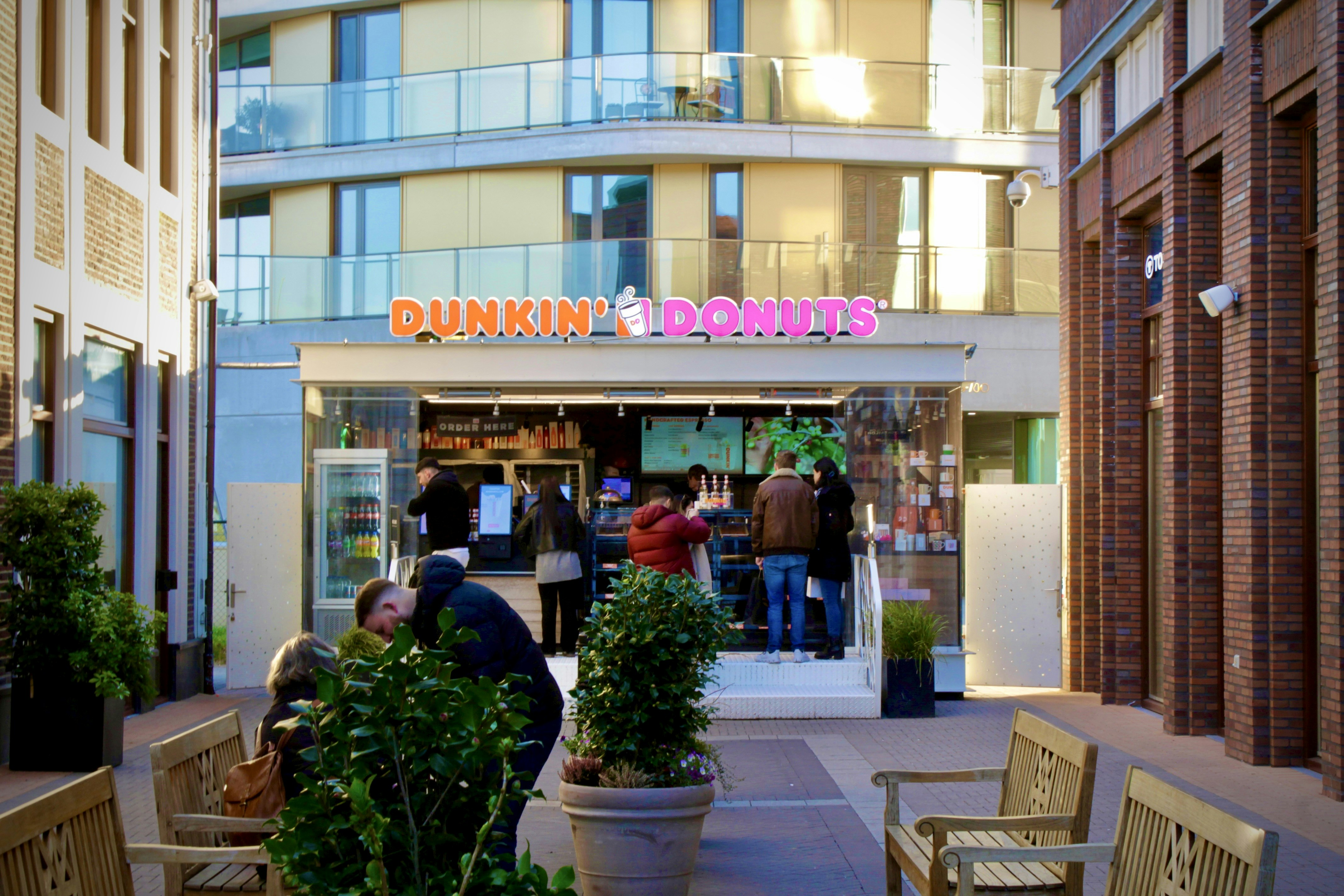
Dunkin’ Free Refresher Promo: A Lead-Capture Lesson for Local Businesses
Dunkin’ is handing out 1 million free Refreshers for the second week in a row, and the promotion is generating exactly the kind of consumer response every business owner wants—people actively seeking out the offer, entering a code, and walking into a store [1][2].
The scale is national, but the mechanics are surprisingly simple: a compelling free offer, a clear way to claim it, and a system to handle the response.
For a local service business, that same structure can create a surge of new leads. The difference is that most small businesses don’t have a system to capture and follow up with those leads before they go cold.
This article breaks down what makes the Dunkin’ promotion work, then shows you how to build your own lead-generating offer—and, crucially, how to set up automated follow-up so none of those new inquiries are wasted.
What Makes the Dunkin’ Promotion Work
The Dunkin’ offer isn’t complicated, which is part of why it works. A few specific elements make it effective:
A genuinely free item. There’s no purchase required. The offer is a full-size Refresher, not a sample or a discount on a future purchase. That removes friction and makes the decision to act easy.
A simple redemption mechanism. Customers use a promo code in the Dunkin’ app. The process is familiar, fast, and doesn’t require printing anything or remembering a complex set of instructions.
Urgency without pressure. The promotion runs for a limited time and while supplies last, but the tone is fun, not aggressive. It creates a reason to act now without feeling like a high-pressure sales tactic.
Built-in capacity management. Dunkin’ can handle the volume. The app processes the codes, the stores are staffed, and the supply chain supports the giveaway. The promotion doesn’t break the business operationally.
A follow-up opportunity. Every person who redeems the offer is now inside the Dunkin’ app ecosystem, where the brand can continue the relationship with future offers, rewards, and reminders.
That last point is the one most local businesses miss.
The Problem Most Local Promotions Create
When a small service business runs a promotion—a free estimate, a discounted first service, a seasonal inspection special—the offer itself usually works. People respond.
The problem is what happens next.
A roofing company offers a free storm-damage inspection. Ten inquiries come in on a Saturday. The owner is on a job site and doesn’t see them until Sunday evening. By Monday morning, three of those homeowners have already booked with someone else.
An HVAC company runs a discounted tune-up special. Leads arrive through the website form, a Facebook ad, and a couple of voicemails. Nobody responds to the web form leads for two days. The voicemails get lost in a busy week.
The promotion did its job. The follow-up didn’t.
Dunkin’ doesn’t have this problem because the app handles the transaction instantly. The customer gets the free drink, and the relationship continues automatically. A local business needs the same kind of system—not for dispensing free coffee, but for acknowledging new leads the moment they come in and keeping the conversation moving.
How to Build a Promotion That Captures Leads (Instead of Losing Them)
You don’t need a national marketing budget to run an effective promotion. You need a compelling offer, a clear way for people to claim it, and an automated follow-up system that responds before the lead moves on.
Step 1: Create an Offer That’s Actually Compelling
The Dunkin’ promotion works because the value is clear and the barrier is low. Your offer should follow the same principle.
Good options for local service businesses:
- Free estimate or inspection (roofing, HVAC, plumbing, electrical, pest control)
- Discounted first service (cleaning, landscaping, painting, auto glass)
- Seasonal check-up at a reduced rate (AC tune-up before summer, furnace check before winter)
- Free consultation or quote (insurance, real estate, legal, solar)
- Percentage off a specific service with a clear expiration
The offer should be specific enough that someone can decide quickly whether it applies to them. “Call us for a deal” isn’t an offer. “Free roof inspection after this week’s storms—schedule by Friday” is.
Step 2: Make It Easy to Claim
Dunkin’ uses a promo code in an app. Your version might be:
- A simple web form with name, phone number, and service needed
- A phone number that goes to a dedicated line
- A “Text OFFER to [number]” shortcode
- A Facebook lead form connected to your follow-up system
The key is that claiming the offer should take less than 30 seconds. Every extra field or step reduces the number of people who complete it.
Step 3: Respond Instantly—Before the Lead Goes Cold
This is where most local promotions fall apart.
When someone claims your offer, they’re signaling interest right now. If they don’t hear back quickly, that interest fades. They may keep searching, find a competitor, or simply move on with their day.
An automated first response solves this. The moment a lead submits a form or calls and doesn’t reach a person, they receive an immediate text message that:
- Acknowledges their inquiry
- Confirms the offer they’re claiming
- Sets an expectation for the next step
- Keeps the conversation open
For example, a roofing company running a free inspection offer might send:
“Hi [Name], thanks for requesting your free roof inspection. We received your info and [Name] will call you within the next hour to schedule a time that works for you. If you have any urgent questions, reply to this text.”
The lead knows their request was received. They’re less likely to keep calling competitors. And the business buys time to respond properly without losing the opportunity.
Step 4: Follow Up Automatically If You Don’t Connect
Not every lead will answer the first call. Some people submit a form during a lunch break and can’t talk until evening. Others need a reminder.
An automated follow-up sequence keeps the lead warm without requiring the business owner to remember every outstanding inquiry. A simple cadence might look like:
- Immediate: Auto-reply text confirming the inquiry
- 1 hour later: Follow-up text if no response yet
- 1 day later: Another check-in with a direct question (“Still interested in that free inspection?”)
- 3 days later: Final follow-up before closing the loop
Each message should be short, specific, and easy to reply to. The goal isn’t to pressure anyone—it’s to make sure a genuinely interested lead doesn’t fall through the cracks because follow-up was inconsistent.
What Happens When You Don’t Have a System
Without automated follow-up, a promotion can actually hurt your business.
You spend money or time generating interest. Leads come in. Some get a response. Some don’t. The ones who don’t hear back don’t just fail to book—they form a negative impression of your business. They reached out, and nobody answered.
Worse, you may not even know how many leads you lost. The promotion feels like it “didn’t work,” when the real problem was that the follow-up didn’t happen.
A system that automatically acknowledges every lead and continues following up solves both problems. It improves the customer experience and gives you a clear picture of how many inquiries your promotion actually generated.
The Dunkin’ Lesson for Local Businesses
Dunkin’ can give away a million free drinks because they have the infrastructure to handle a million redemptions without breaking anything. The app processes the code, the store makes the drink, and the customer leaves happy.
Your local business doesn’t need to handle a million leads. But you do need infrastructure that can handle however many come in—without letting any of them sit unanswered.
A free estimate, a discounted service, or a seasonal special can bring in more leads than your normal workflow can manage manually. Setting up automated follow-up before you launch the promotion means every lead gets acknowledged, every conversation starts fast, and none of the interest you paid to generate is wasted.
The offer gets them in the door. The follow-up keeps them there.
Key Takeaways
- A compelling promotion needs three things: a clear offer, an easy way to claim it, and a system to respond immediately.
- The Dunkin’ promotion works because the value is obvious, the redemption is simple, and the follow-up happens automatically inside the app ecosystem.
- Most local businesses lose promotion-driven leads because follow-up is manual, delayed, or inconsistent.
- An automated first-response text acknowledges the lead instantly and reduces the chance they’ll keep searching for a competitor.
- A simple follow-up sequence (immediate, 1 hour, 1 day, 3 days) keeps leads warm without requiring constant manual attention.
- Setting up the follow-up system before launching the promotion ensures no lead is wasted.
FAQ
Can a small business really run a promotion like Dunkin’s?
Not at the same scale, and you don’t need to. The principle is what matters: a compelling offer, a simple way to claim it, and a system to handle the response. A local roofer offering 10 free inspections after a storm can use the same structure that Dunkin’ uses for a million free drinks.
What kind of offer works best for a service business?
Free estimates and inspections tend to work well because they have clear value and low risk for the customer. Discounted first services, seasonal tune-ups, and free consultations are also effective. The offer should be specific and easy to understand in a few seconds.
How fast do I really need to respond to a new lead?
Faster is better. An immediate automated acknowledgment—even if it’s just confirming receipt and setting expectations—can prevent the lead from continuing to search and contacting competitors. The full human follow-up can happen within the hour, but the first touch should be nearly instant.
Won’t automated texts feel impersonal?
Not if they’re written to sound like a real person. A short, specific message that acknowledges the inquiry and sets a clear next step feels professional, not robotic. The alternative—silence for hours or days—feels worse.
What if I get more leads than I can handle?
That’s a good problem to have, but it requires planning. An automated follow-up system buys you time by acknowledging every lead immediately. From there, you can prioritize, schedule callbacks, and manage capacity without losing leads to slow response.
Stop losing promotion-driven leads to slow follow-up. Get started free with SecureMyLead and set up automated responses that kick in the moment a lead claims your offer.
Related Reading
- How to Build a Lead Follow-Up System That Runs Automatically
- 15 Auto Reply Messages Contractors Can Use for New Leads
- How Busy Business Owners Can Follow Up with Every Lead (Without Extra Work)
- How Much Revenue Are You Losing from Slow Lead Response?
Sources:
- People.com: “Dunkin’ Is Handing Out 1 Million Free Refreshers for the Second Week in a Row — How to Score Yours” https://people.com/dunkin-is-handing-out-1-million-free-refreshers-for-the-second-week-in-a-row-how-to-score-yours-12038347
- USA Today FTW: “Dunkin’ free drink code Aug. 10: How to get” https://ftw.usatoday.com/story/entertainment/pop-culture/2026/08/10/dunkin-free-drink-code-aug-10-how-to-get/91239087007/