Colorado Winter Weather Inquiry Playbook for Roofing, HVAC, and Home-Service Businesses
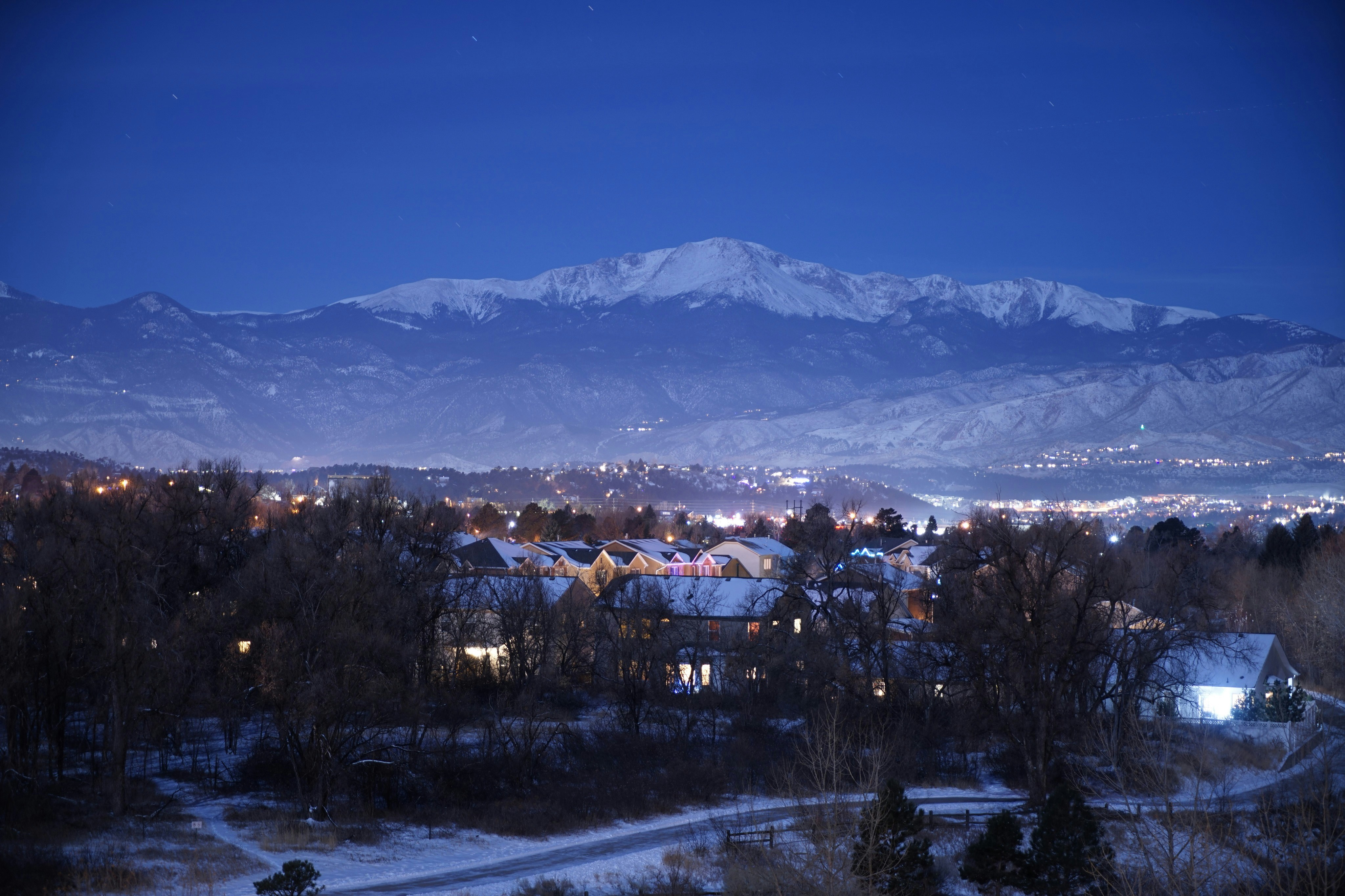
Colorado winter weather warnings are in effect for Wednesday, with forecasts calling for up to 12 inches of snow, wind gusts up to 35 mph, cooler temperatures, rain, and possible snow in parts of the state.[^1][^2]
Safety comes before lead handling. If an inquiry involves an immediate safety concern—such as a downed power line, gas leak, carbon monoxide concern, fire, or medical equipment losing power—do not treat it as an ordinary quote request. Prioritize human escalation under your established emergency procedures and defer to the appropriate emergency authorities’ guidance. An automated text is not emergency triage or dispatch.
The weather reports do not document a current increase in Colorado roofing, HVAC, plumbing, restoration, or home-service leads. Still, businesses should prepare for the possibility that weather conditions create more calls, web forms, and text inquiries than usual—especially when crews are already managing weather-related travel and schedule constraints.
This playbook helps your team acknowledge new inquiries quickly, separate urgent safety matters from routine service requests, communicate availability honestly, and keep estimates moving when an on-site visit must wait.
Table of contents
- What Colorado businesses should prepare for
- Set up your pre-storm intake workflow
- Use a three-lane inquiry process
- Send realistic first-response texts
- Qualify leads without overpromising
- Handle after-hours inquiries responsibly
- Follow up when estimates or visits are delayed
- Keep automation in its proper role
- Winter-weather inquiry checklist
- FAQ
What Colorado businesses should prepare for
A snow-and-wind event can complicate a normal home-service workflow even before inquiry volume changes. A customer may want an inspection, repair, quote, or scheduling update while your team is dealing with slower travel, changing site conditions, limited daylight, or a full schedule.
The operational risk is not only “more leads.” It is a mismatch between what customers expect and what your team can safely confirm.
For this event, prepare for four practical situations:
- Routine inquiries that need a fast acknowledgment. Customers may submit a web form or call after seeing a weather forecast or noticing a household issue. They do not necessarily need an immediate appointment, but they should know their request was received.
- Requests that need human review before scheduling. Roofing inspections, HVAC problems, plumbing concerns, and restoration requests can vary widely in urgency. Do not let a generic auto-reply imply that every request can be booked immediately.
- Weather-related scheduling constraints. Availability can change. Confirm service areas, crew capacity, and safe appointment windows before making promises.
- After-hours contacts. A customer who reaches out at night may need acknowledgment, but your business still needs a clear process for who owns the next response.
For broader contractor first-response examples, see 15 auto-reply messages contractors can use for new leads.
Set up your pre-storm intake workflow
Do this before conditions affect your normal day—not while your phone is filling up.
1. Assign one person to own incoming leads
Pick a primary owner for new inquiries and a backup. Their job is not necessarily to answer every question personally. Their job is to make sure each inquiry reaches the right next step:
- safety escalation;
- same-day human callback, if appropriate;
- review for scheduling;
- estimate follow-up;
- a clear “we received this” acknowledgment.
Without a named owner, messages can sit while everyone assumes someone else is handling them.
2. Confirm today’s real operating limits
Before you send any customer-facing message, decide:
- Which Colorado service areas can you reasonably serve?
- Are crews available for new work, inspections, or only existing appointments?
- Are there conditions that may require rescheduling?
- Who can approve an appointment promise?
- What should happen when the business is closed?
Use the answers in your message copy. “We’ll have someone there today” is only useful if it is true.
3. Separate new leads from existing customers
A weather event can generate both new requests and questions from already-booked customers. These deserve different messages.
- New inquiry: confirm receipt, gather basic details, explain the next step.
- Existing appointment: confirm the team is reviewing conditions and avoid promising the appointment will proceed until you verify it.
- Open estimate: acknowledge the request and set expectations for an inspection or revised estimate timeline.
This separation keeps customers from receiving a generic sales text when they really need a scheduling update.
4. Keep your intake questions short
Do not turn the first interaction into a long questionnaire. Ask only what helps a human decide what happens next:
- Name and property address
- Best callback number
- Service needed
- Brief description of the issue
- Whether the issue is ongoing or worsening
- Photos, if your normal process accepts them
- Preferred contact time
For a homeowner with a heater issue, “Is the system producing any heat?” may matter. For a roofing request, “Are you looking for an inspection, an estimate, or help with an active issue?” is more useful than a generic “How can we help?”
Use a three-lane inquiry process
The simplest winter-weather workflow is to route every incoming contact into one of three lanes.
Lane 1: Safety-related or potentially urgent issues
Do not use an automated sequence to diagnose severity. Prioritize a human review and follow your business’s established emergency escalation process.
Your first response should not make an appointment promise or suggest that texting your company is the appropriate response to an immediate safety hazard.
Lane 2: Time-sensitive service requests
These are requests that may need a prompt human callback, but are not being treated as an immediate safety emergency through your intake process.
Examples may include:
- a no-heat or limited-heat HVAC inquiry;
- a plumbing issue that needs assessment;
- a roofing or exterior concern that requires review;
- a water-related service request;
- a customer seeking a near-term inspection.
The key word is review. Your team can acknowledge the request and gather details without guaranteeing dispatch, arrival time, or same-day availability.
Lane 3: Routine estimates, inspections, and future work
This lane includes customers requesting a quote, non-urgent inspection, maintenance, or general scheduling information. These leads can still be valuable, particularly if weather conditions delay an on-site assessment.
A quick acknowledgment plus a clear next step prevents the request from being forgotten while crews focus on active work.
Send realistic first-response texts
Use SMS only where your business has obtained appropriate consent. Keep messages short, identify your business, and do not use texts as a substitute for emergency procedures.
General new-inquiry acknowledgment
Hi [First Name], this is [Name] with [Business]. We received your request and are reviewing our availability during the current weather conditions. Please reply with your service address and a short description of what you need. We’ll follow up with the next available step.
Roofing inspection or estimate request
Hi [First Name], this is [Name] from [Roofing Business]. Thanks for contacting us about your roof. We’ve received your request. Please reply with your address and whether you’re looking for an inspection, repair estimate, or general assessment. We’ll confirm the next available safe appointment window after review.
HVAC inquiry
Hi [First Name], this is [Name] with [HVAC Business]. We received your HVAC request. Please reply with your address, the system issue you’re experiencing, and whether it is producing heat. A team member will review the details and available next steps.
Plumbing inquiry
Hi [First Name], this is [Name] from [Plumbing Business]. We received your request. Please send your address and a brief description of the plumbing issue. We’ll review it and confirm the next available step based on current conditions and service coverage.
Existing appointment weather update
Hi [First Name], this is [Name] with [Business]. We’re reviewing weather and travel conditions for your scheduled appointment. We’ll confirm whether the appointment can proceed or whether a new time is needed. Thanks for your patience.
These messages acknowledge the customer without pretending you have already assessed the property, confirmed the issue, or reserved a crew.
For more copy-and-paste options, visit best lead response templates for service businesses.
Qualify leads without overpromising
In winter conditions, a good first conversation does two things: it helps the customer feel heard, and it gives your team enough information to make a responsible decision.
For roofers
Focus on the requested service and property context:
- inspection, repair, estimate, or maintenance;
- property address;
- visible issue described by the customer;
- whether the customer can share photos through your normal process;
- preferred timing for a callback or inspection.
Avoid diagnosing roof conditions by text or implying that an inspection can happen before you have confirmed conditions and crew availability.
For HVAC companies
Gather basic operational details for human review:
- system type, if known;
- whether it is producing heat;
- address and preferred callback number;
- whether the customer is an existing customer;
- a concise description of the issue.
Do not let an auto-reply imply that the business can determine urgency or provide a repair timeline from a text exchange alone.
For plumbers and restoration businesses
Ask for a brief issue description and location, then route it for human review. Weather can make access, travel, and staffing less predictable, so the first message should set expectations without minimizing the customer’s concern.
For all home-service teams
Do not promise:
- a specific arrival time before a team member confirms it;
- same-day service when capacity is unknown;
- pricing before an assessment;
- that a weather-related issue is covered by insurance;
- that an inspection can be completed in unsafe conditions.
That restraint protects customers and your team. It also reduces the follow-up problem caused by a promise that cannot be kept.
Handle after-hours inquiries responsibly
After-hours acknowledgment can be useful when someone submits a form or misses your call, but it should be honest about what happens next.
A practical after-hours message:
Hi [First Name], this is [Business]. We received your request outside our regular response hours. Our team will review it when we reopen. If your message involves an immediate safety concern, please follow the appropriate emergency guidance rather than waiting for a text reply.
Keep the follow-up ownership clear for the next business day. Someone should review:
- messages that arrived overnight;
- missed calls;
- web forms;
- replies to automated texts;
- open estimates needing an update.
For a broader process, read after-hours lead response: how to win jobs while you sleep.
Follow up when estimates or visits are delayed
A delayed inspection does not have to become a lost opportunity. The mistake is going silent after the first acknowledgment.
Use a simple sequence of human-reviewed updates.
When you need more information
Hi [First Name], thanks for the details. Before we confirm the next step, could you send [requested detail]? Once we have that, we can review availability and follow up.
When weather delays an inspection
Hi [First Name], we’re still reviewing safe inspection availability based on current conditions. Your request is on our list, and we’ll update you with the next available window as soon as we can confirm it.
When you offer a time window
Hi [First Name], we can offer [day/time window] for the next step. Please reply YES if that works, and we’ll send confirmation details.
When the customer has not replied
Hi [First Name], this is [Business] following up on your request for [service]. If you still need help, reply with a good time to reach you and we’ll review the next available option.
This is especially important for estimate-driven work. The customer may understand that weather affects timing; they are less likely to understand silence.
For additional estimate follow-up examples, see estimate follow-up text templates for contractors.
Keep automation in its proper role
A winter-weather workflow still needs people. Automation can acknowledge a new lead quickly and make routine follow-up more consistent, but it cannot assess a hazard, determine actual crew capacity, dispatch technicians, or safely diagnose a property issue.
SecureMyLead can support the follow-up layer: send an initial SMS after a new lead arrives and continue a configured follow-up sequence for inquiries that need a response. Your team should review replies, own scheduling decisions, and make sure weather-specific messages reflect current availability.
One operational detail matters: ordinary customer replies do not currently auto-pause scheduled SecureMyLead sequence messages. Build your sequence carefully, monitor replies, and ensure a team member manages the conversation rather than assuming automation has resolved it.
Get started free to build a more consistent lead-response workflow before the next busy weather day.
Winter-weather inquiry checklist
Before and during the event, confirm that your team can answer “yes” to these items:
- [ ] We checked the latest forecast and warning status before changing customer messaging.
- [ ] One person owns new incoming inquiries, with a backup owner.
- [ ] We have a clear process for escalating safety-related messages to a human.
- [ ] Our auto-reply does not promise an appointment, arrival time, price, or dispatch.
- [ ] We have confirmed our current service areas and realistic availability.
- [ ] We distinguish between new leads, existing appointments, and open estimates.
- [ ] Our first-response message asks only for the information needed to review the request.
- [ ] We use SMS only for contacts who have provided appropriate consent.
- [ ] Someone checks missed calls, web forms, text replies, and overnight inquiries.
- [ ] We send an update when weather delays an estimate or on-site visit.
- [ ] We review and adjust weather-specific messaging as conditions change.
Key takeaways
- Colorado winter weather warnings and forecasts make this a sensible time to prepare your inquiry workflow, but they do not prove that home-service demand has already increased.[^1][^2]
- Put safety-related inquiries ahead of sales or scheduling conversations and route them to human review.
- Acknowledge routine leads quickly, but do not promise capacity you have not confirmed.
- Use short, service-specific questions to help a person decide the next step.
- When weather delays inspection or service, communicate an update rather than leaving the customer without a response.
- Automation can support acknowledgment and consistent follow-up; it does not replace emergency triage, dispatch, scheduling judgment, or human ownership.
FAQ
Is Colorado’s winter weather expected to create a lead surge for contractors?
The cited reports support that winter weather warnings, snow, wind, cooler temperatures, rain, and possible snow are affecting Colorado’s forecast.[^1][^2] They do not document an increase in leads for roofers, HVAC companies, plumbers, or other home-service businesses. It is reasonable to prepare for a possible increase in inquiries, but not to present one as a confirmed outcome.
Should a roofing or HVAC company promise same-day service during a snow event?
Not unless a team member has confirmed that the service area, travel conditions, crew availability, and appointment window make that promise realistic. Acknowledge the request, gather the necessary details, and communicate the next confirmed step.
Can an automated text handle emergency home-service requests?
No. An automated message can acknowledge receipt, but it should not be used to assess hazards, provide emergency instructions, determine severity, or dispatch a team. Safety-related concerns need your established human escalation process and appropriate emergency guidance.
What should a home-service business text after a weather-delayed estimate?
Send a concise update that confirms the request remains active, explains that the next available safe appointment window is under review, and states when the customer can expect another update. Do not leave the customer to infer that the request was lost.
Should I change my normal follow-up sequence for winter weather?
Consider using weather-aware first-response language that avoids fixed booking promises. Review replies actively, confirm capacity before scheduling, and avoid treating a customer response as an automatic resolution of the conversation.
Related reading
- How to follow up with home service leads automatically
- Contractor web form auto response: what to send the second a new lead hits your site
- How to follow up with HVAC leads: scripts and automation
- 7 lead follow-up mistakes that quietly kill conversion
[^1]: The Denver Post: Colorado weather forecast: cold, rain and snow [^2]: Autoblog: Winter weather warnings with up to 12 inches of snow and 35 mph gusts in Colorado