Coastal Flood Warning Lead Response Checklist for Roofers and Restoration Companies
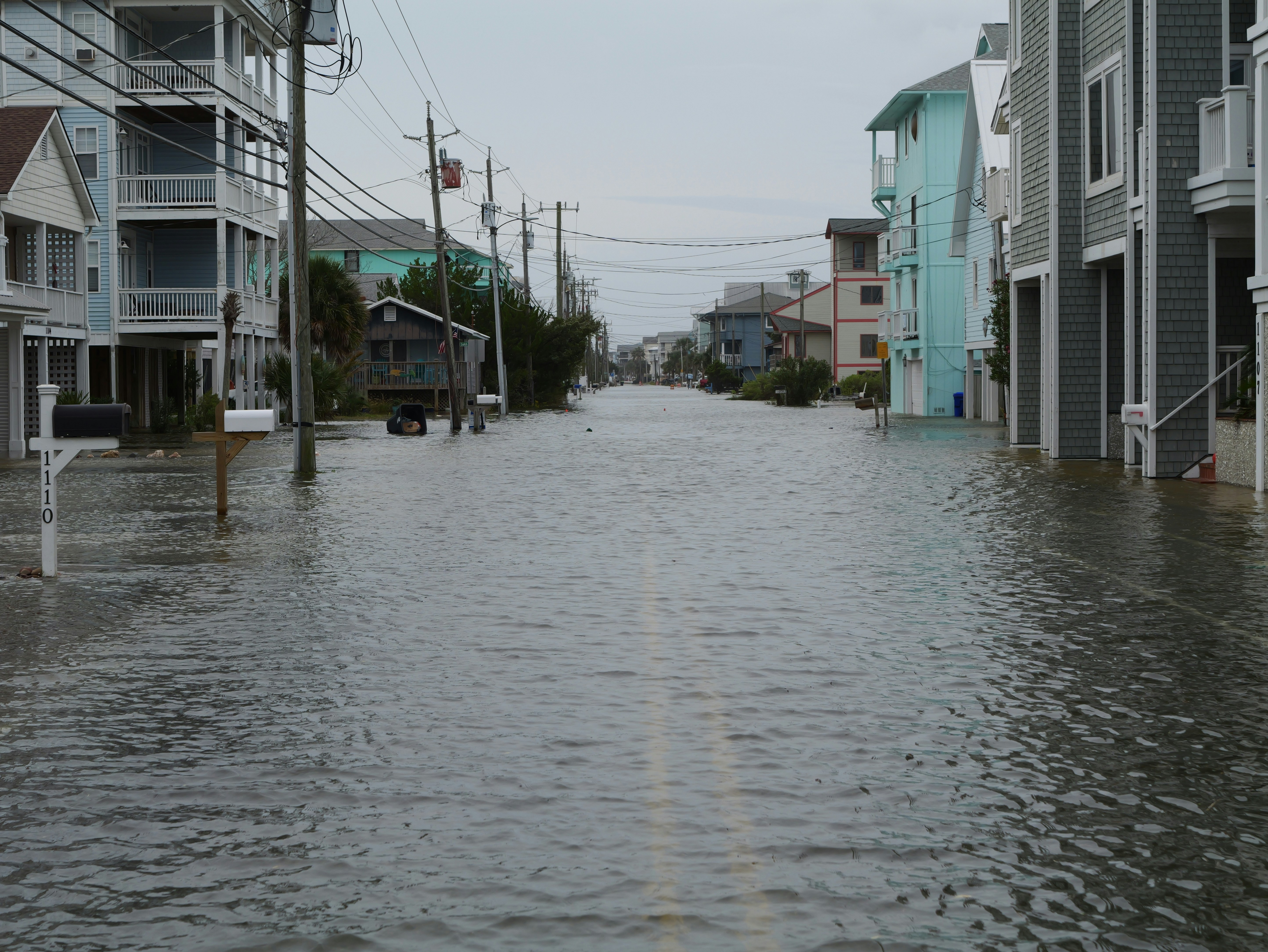
A coastal flood warning issued for Southern California as communities prepared for unusually high tides is a useful reminder for roofers and restoration companies: weather events can create a need for a clear inquiry-response process.
ABC7 reported on the coastal flood warning and unusually high tides affecting Southern California beach communities. Separately, the Orange County Register reported that Newport Beach added sand to reinforce its beach against the sea. These reports confirm the coastal flooding and high-tide conditions and local mitigation activity—not a documented increase in contractor demand. Still, businesses in affected or similarly exposed areas should prepare for possible questions about leaks, water intrusion, roof damage, inspections, and estimates.
The goal is not to treat every inquiry as an emergency. It is to acknowledge legitimate requests promptly, collect enough information for a qualified person to review them, protect your team’s capacity, and give prospects a clear next step.
Safety comes first: If a customer describes an immediate danger or emergency, direct them to emergency services rather than trying to assess the situation through text. A text workflow cannot determine hazard severity, replace a qualified inspection, or make dispatch decisions.
Table of contents
- What the coastal flood warning means for local service businesses
- Your pre-event response checklist
- How to handle inquiries during a high-tide or flooding event
- What to collect before scheduling an inspection
- Set capacity limits before your calendar fills
- SMS templates for ordinary quote and inspection requests
- Follow up with leads that are not ready to book
- Where SecureMyLead fits
- FAQ
What the coastal flood warning means for local service businesses
A coastal warning does not automatically mean every property has damage or that your phone will ring nonstop. It does mean customers may be paying closer attention to standing water, ceiling stains, wind-driven moisture, roof concerns, crawlspace moisture, or water entering a structure.
That possibility changes what a good lead workflow looks like.
A normal roofing estimate request may be flexible: the homeowner wants a replacement quote and can schedule next week. A weather-related inquiry may be less clear. The caller may not know whether the issue is active, whether access is safe, or whether they need a roofer, a restoration company, emergency services, or another resource.
Your process should therefore separate four things:
- Immediate safety concerns that need emergency services.
- Active but non-emergency property concerns that require qualified human review.
- Routine inspection or estimate requests that can be scheduled normally.
- Prospects gathering information who may need a later follow-up rather than a rushed appointment.
That distinction helps your team avoid two costly mistakes: ignoring a legitimate lead and overpromising help before someone qualified has reviewed the situation.
Your pre-event response checklist
Use this checklist when a coastal flood warning, unusually high tides, heavy rain, or similar weather conditions may affect your service area.
1. Monitor every lead source in one place
Before conditions worsen, identify where new inquiries can arrive:
- Website forms
- Phone calls and missed calls
- Google Business Profile messages
- Paid lead platforms
- Facebook or Instagram messages
- Referral texts
- Existing customer replies
- After-hours voicemail
Assign someone to check each source, or route notifications to one shared place. A lead that arrives through a form should not wait because the team is only watching the phone.
If you need to tighten your broader process, see how to follow up with home service leads automatically.
2. Set one clear owner for incoming inquiries
During a potentially busy period, “someone will call them back” is not a process.
Decide who owns:
- Reviewing new inquiries
- Calling customers who need a human conversation
- Checking technician or estimator availability
- Updating booked, pending, and unavailable leads
- Reviewing messages outside normal business hours
For a small operation, this may be the owner or office manager. For a larger restoration company, it may be a dispatcher or on-call coordinator. The important part is that every inquiry has a next owner.
3. Prepare your availability message
Do not promise same-day inspections, emergency service, or a specific arrival time unless you know you can deliver it.
Instead, prepare a message that confirms receipt and explains what happens next:
“Thanks for contacting [Business Name]. We received your request and are reviewing availability. Please reply with your address, a brief description of the issue, and photos if it is safe to take them. A team member will follow up with next steps.”
This gives the customer an immediate acknowledgment without making a commitment your team cannot keep.
4. Define your service-area boundaries
Coastal weather can create inquiries from outside your normal coverage area. Decide in advance:
- Which ZIP codes or cities you serve
- Which areas require extra travel time
- Whether you will accept new inspections outside your usual territory
- Who handles out-of-area requests
- What referral or decline language your team should use
A fast answer is still helpful when the answer is “we do not serve that location.” Leaving someone waiting creates confusion and clogs your pipeline.
5. Create a simple status system
Use statuses your team can understand at a glance:
| Status | Meaning | Next action |
|---|---|---|
| New | Inquiry received but not reviewed | Human owner reviews details |
| Safety escalation | Customer may need emergency services | Direct customer to emergency services; document the interaction |
| Needs details | Location, photos, or issue description missing | Send information-request message |
| Review needed | Details collected | Qualified team member determines next step |
| Inspection requested | Customer wants an assessment | Offer available appointment options |
| Scheduled | Appointment confirmed | Send confirmation and internal assignment |
| Waitlist / follow-up | No near-term opening or customer is undecided | Set a specific follow-up date |
| Closed / out of area | Not a fit or service unavailable | Close with clear notes |
This is especially useful when multiple people are responding from phones while crews are in the field.
How to handle inquiries during a high-tide or flooding event
Start with human safety, not lead qualification
If a customer’s message indicates an immediate danger or emergency, do not attempt to diagnose it by text or use an automated sequence to handle it. Tell them to contact emergency services.
After that, keep the business workflow focused on ordinary service inquiries: inspection requests, visible moisture concerns, possible roof leaks, cleanup questions, or future estimates. A qualified person—not an automated message—must decide whether and when your company can inspect or dispatch.
Acknowledge ordinary requests promptly
For non-emergency inquiries, an immediate acknowledgment can prevent a customer from wondering whether their message was received.
The first response should do three things:
- Identify your company.
- Confirm that the request was received.
- Ask for only the information needed for a human review.
Avoid sending a long questionnaire. A homeowner standing in a damp garage or trying to protect belongings may not complete ten fields. Start with the basics, then have a person follow up.
Ask for details that change the next decision
A useful first review needs more than “I have water damage.”
Ask for:
- Property address or ZIP code
- Best callback number
- Whether the property is residential or commercial
- Where the issue is occurring, such as roof, ceiling, wall, garage, crawlspace, or exterior
- Whether the issue is active now or being documented for a future inspection
- Photos, if safe for the customer to take
- Any access constraints, such as a gated community or tenant-occupied property
Do not treat photos as a replacement for an inspection. They simply help the appropriate person understand what needs review and whether the request is in your service area.
What to collect before scheduling an inspection
A well-organized intake prevents estimators from arriving without enough context and helps avoid booking jobs your company cannot safely or appropriately take on.
For roofing inquiries
Roofing teams may want to collect:
- The location of the suspected leak or visible stain
- Whether the issue occurs during rain, wind, high tide conditions, or at another time
- Roof type, if known
- Whether the customer sees missing materials, debris, or interior signs of moisture
- Whether the customer is seeking an inspection, repair estimate, or documentation for an insurer
Do not diagnose the source of a leak through text. Water can travel before it becomes visible indoors, and a qualified inspection is needed to determine the condition.
For restoration inquiries
Restoration companies may want to collect:
- Where water entered or accumulated
- Which areas of the property are affected
- Whether the issue is ongoing or has stopped
- Whether the customer is seeking assessment, cleanup, or documentation
- Whether the property is occupied and accessible
- Photos, when safe and appropriate
The point is to prepare the human reviewer with enough context to choose the next conversation—not to automate a technical assessment.
Use a short internal handoff note
When a lead moves from an automated acknowledgment to a person, include a concise internal summary:
New coastal-weather inquiry: Residential property in [area]. Customer reports moisture near [location]. Photos received / not received. Customer requests [inspection, estimate, cleanup discussion]. Awaiting qualified review and availability confirmation.
That handoff reduces repeated questions and helps the next person respond with context.
Set capacity limits before your calendar fills
Preparing for possible weather-related inquiries also means knowing when not to promise more than you can serve.
Decide your inspection capacity
Before accepting appointments, confirm:
- Number of available estimators or inspectors
- Areas crews can realistically reach
- Appointment windows you can offer
- Whether your team has an after-hours contact process
- How many requests can remain pending without being forgotten
If you have only two inspection windows available, do not keep telling every caller that someone will be there today. Offer the actual next opening, create a waitlist, or explain that a team member will confirm availability after review.
Maintain a waitlist with a real follow-up date
A waitlist should not be a dead end.
For each prospect you cannot schedule immediately, record:
- The requested service
- Their location
- When they contacted you
- Whether they provided photos
- The date and time you will follow up
- What changed their priority, if anything
Then send a transparent message. For example:
“We have your request and are currently confirming inspection availability. We will update you by [day/time]. If your situation becomes an immediate emergency, contact emergency services.”
This is better than making vague promises or leaving the lead with no next step.
For more help keeping quote requests active without over-texting, read estimate follow-up text templates for contractors.
SMS templates for ordinary quote and inspection requests
Use these only for customers who have provided appropriate consent to receive text messages. Your business remains responsible for consent, message practices, and honoring opt-outs.
New inquiry acknowledgment
Hi [First Name], this is [Name] with [Business Name]. We received your request regarding [issue]. Please reply with the property address, a short description of what you’re seeing, and photos if it is safe to take them. A team member will review and follow up.
Request for missing location details
Thanks, [First Name]. To confirm whether we can help, what is the property address or ZIP code? Once we have that, we can review the next step.
Inspection scheduling message
Hi [First Name], [Business Name] has reviewed your request. We can offer an inspection on [option 1] or [option 2]. Which works better for you?
Capacity-limited response
Hi [First Name], we received your request and are reviewing our next available inspection openings. We will update you by [day/time]. Thank you for sending the details.
Out-of-area response
Thanks for contacting [Business Name]. We are not currently serving [location], so we do not want to delay your search for help. We hope you find a qualified local provider quickly.
For additional first-response options, use these auto reply messages for contractors.
Follow up with leads that are not ready to book
Not every inquiry becomes an immediate appointment. Some homeowners may be documenting a concern, waiting for conditions to change, speaking with an insurer, or comparing providers.
That does not make them unqualified. It means the follow-up should match their stage.
A practical sequence might look like this:
- First message: Confirm receipt and collect basics.
- After human review: Offer an inspection window or explain the next step.
- One to two days later: Check whether they still need help if they have not replied.
- Later follow-up: Offer to answer questions or schedule when they are ready.
Keep the message relevant to the original inquiry. Do not send repeated “just checking in” texts without context.
Example:
Hi [First Name], this is [Name] from [Business Name] following up on your request about [issue]. If you still want to schedule an inspection or discuss next steps, reply here and we’ll check availability.
If the person opts out, stop messaging them. If they reply with a question, ensure someone reviews the conversation rather than assuming an automated sequence has handled the issue.
Where SecureMyLead fits
SecureMyLead can support the acknowledgment and follow-up portion of this workflow by sending an initial SMS when a new lead arrives and continuing a configured follow-up sequence for leads that have not yet booked.
It is not an emergency triage tool, dispatch system, inspection service, or replacement for a qualified person’s judgment. Your team should still review hazard-related messages, confirm availability, decide who to send, and manage capacity.
For ordinary consented lead inquiries, automation can help make sure a website form, missed call, or new lead does not sit unanswered while your team is working in the field.
Get started free to build a more consistent lead-response workflow before the next weather event.
Key takeaways
- A coastal flood warning and unusually high tides can be a reason to prepare for possible property-service inquiries, but they do not prove that contractor demand has increased.
- Keep immediate safety concerns separate from ordinary inspection and estimate requests.
- Use automation for acknowledgment and information gathering—not hazard assessment or dispatch decisions.
- Collect the address, issue description, callback details, and safe-to-share photos before a human review.
- Set realistic service-area and calendar limits before promising appointments.
- Give waitlisted and undecided leads a specific follow-up date rather than leaving them in limbo.
- Use text messaging only with appropriate consent and reliable opt-out handling.
FAQ
Should roofers treat every weather-related lead as an emergency?
No. A weather-related inquiry may be a routine inspection request, a future estimate, an active property concern, or a situation requiring emergency services. A qualified person should review the details rather than treating every form submission or text as the same type of job.
Can an automated text determine whether a property is safe?
No. Automated texting can acknowledge the inquiry and collect basic information, but it cannot assess hazards, determine severity, replace an inspection, or make emergency dispatch decisions.
What should a restoration company ask a new lead after flooding concerns arise?
Start with the property location, best contact number, a brief description of where the issue is occurring, whether it is ongoing, and photos if safe to provide. Then have a qualified team member review the information and determine the next step.
What if our schedule is full?
Tell the customer clearly that you are confirming availability, give them a specific time for an update, and place the lead in a tracked waitlist. Do not promise an arrival time you cannot confirm.
Can we text every person who contacts us during a coastal flood warning?
Only text customers in accordance with applicable consent and messaging requirements. Make sure opt-out requests are honored. Texting is most useful when it provides a relevant next step, not when it adds noise during a stressful situation.
Related reading
- How to follow up with home service leads automatically
- Auto reply messages for contractors
- Estimate follow-up text templates for contractors
- After-hours lead response: how to win jobs while you sleep