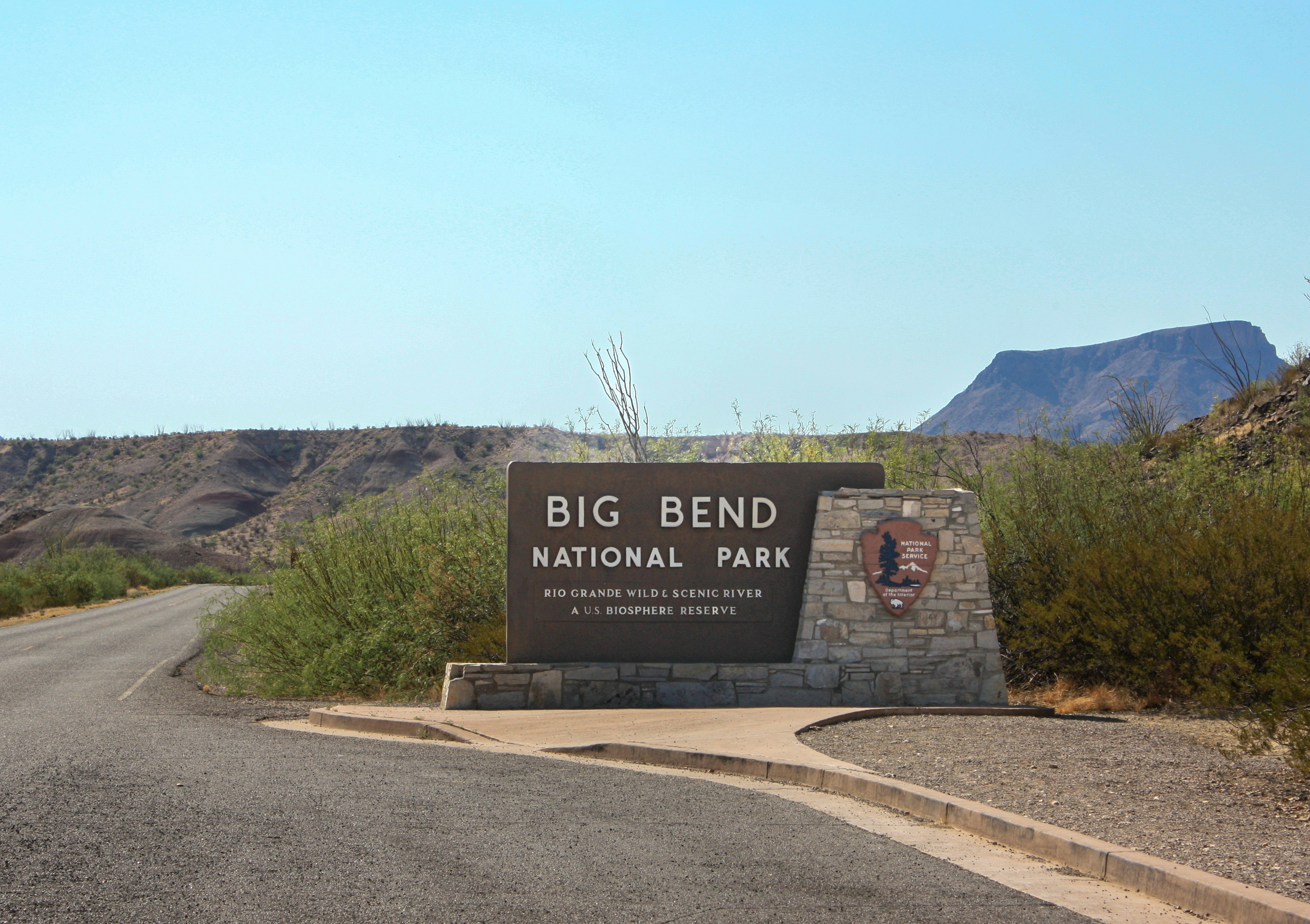
Big Bend Border Construction: How Local Contractors Can Capture Federal Project Leads
Federal contractors have begun border construction inside Big Bend National Park, with bulldozers and heavy equipment now active on-site. The project is already generating disputes and is part of a broader pattern of border infrastructure work across Texas.
For local service businesses — hauling, equipment rental, surveying, temporary housing, material supply, and dozens of other trades — a large federal infrastructure project of this scale can create a wave of subcontractor opportunities, equipment inquiries, and service-provider needs. The businesses that are prepared to respond quickly and professionally to those inquiries may capture work that others miss.
This article explains how local contractors and service providers can position themselves to capture inbound leads and subcontractor opportunities when a major federal project moves into their region.
What Is Happening in Big Bend
According to an August 6, 2026 press release from the Center for Biological Diversity, federal contractors have physically begun border construction in Big Bend National Park. The project is active, construction equipment is on the ground, and the work is generating legal and political disputes.
News4SanAntonio has also reported on the arrival of bulldozers in Big Bend, framing it as part of a broader wave of border projects sparking new disputes across Texas.
The operational reality for local businesses is straightforward: a large, federally funded construction project is underway in a remote region of West Texas. Projects of this size typically require a wide range of local support services, from heavy equipment and material hauling to temporary workforce housing and site surveying.
What a Large Federal Construction Project Means for Local Businesses
When a major infrastructure project begins in a rural or semi-remote area, the general contractors and subcontractors managing the work often need local support. They may need:
- Heavy equipment rental and leasing — excavators, bulldozers, graders, loaders, and support vehicles
- Material hauling and aggregate supply — gravel, fill dirt, concrete, and steel transport
- Site services — portable toilets, temporary fencing, water delivery, and waste removal
- Surveying and civil engineering support — boundary surveys, site layout, and grade verification
- Temporary workforce housing and catering — mobile home units, RV parks, meal services, and laundry
- Fuel delivery and on-site refueling — diesel and gasoline for heavy equipment fleets
- Vehicle and equipment maintenance and repair — on-site mechanical support and parts supply
- Administrative and logistics support — local office space, communications, and supply-chain coordination
Not every project will need every service, and the specific procurement process for a federal border construction project may differ from a commercial or residential development. But the underlying pattern is consistent: large remote projects create demand for local businesses that can respond quickly and operate reliably.
How to Position Your Business for Federal Subcontractor Opportunities
1. Register in the System for Award Management (SAM.gov)
Most federal prime contractors are required to work with businesses that are properly registered. If you want to be eligible for federal subcontracts, start with SAM.gov registration.
- Obtain a Unique Entity ID (UEI)
- Complete your SAM.gov registration and keep it active
- Ensure your NAICS codes accurately reflect the services you provide
This is not a guarantee of work, but it removes a basic eligibility barrier that can disqualify a business before the conversation even starts.
2. Identify the Prime Contractors Already on Site
The press release from the Center for Biological Diversity and the News4SanAntonio reporting may name specific federal contractors involved in the Big Bend project. Research those firms.
- Visit their supplier diversity or subcontractor portals
- Identify the procurement contact or small-business liaison officer
- Prepare a short capability statement that explains what your business provides, where you operate, and why you are relevant to this specific project
Do not send a generic introduction. Reference the Big Bend project by name and explain how your proximity, equipment availability, or specialized service can solve a real logistical problem for the prime contractor.
3. Prepare for Time-Sensitive RFPs and Quote Requests
Federal subcontracting opportunities often move on short timelines. A prime contractor may need a quote for gravel delivery, equipment rental, or site services within 24 to 48 hours.
If your business is not structured to receive and respond to those inquiries quickly, you may lose the opportunity before you even see the request.
Practical preparation steps include:
- Designating a point person to monitor email, phone, and web form inquiries during business hours
- Creating template responses for common quote requests so you can reply with initial acknowledgment in minutes, not hours
- Ensuring your voicemail, website contact form, and email auto-responder all work and sound professional
- Having current insurance certificates, safety records, and capability statements ready to send immediately
4. Make Your Business Findable
Prime contractors and subcontractor procurement teams may search for local service providers in several ways:
- Google searches for “[service] near Big Bend” or “[service] West Texas”
- Industry directories and local business listings
- Word-of-mouth referrals from other contractors already on site
- Local economic development offices and chambers of commerce
Make sure your Google Business Profile is claimed, accurate, and includes the services relevant to construction support. If your business serves the Big Bend region but is based in Alpine, Marfa, Fort Stockton, or another nearby town, make that service area explicit.
5. Be Ready to Respond When an Inquiry Arrives
This is where many small contractors lose opportunities. A procurement officer or project manager sends an email or submits a web form asking for availability and pricing. The inquiry sits unanswered for a day or two. By the time someone responds, the need has been filled by a competitor who answered faster.
Large construction projects do not pause while a small business catches up on messages. The speed and professionalism of your response can determine whether you get the work.
If you are on a job site, driving, or handling another customer when an inquiry arrives, having a system that acknowledges the lead immediately — and keeps the conversation moving until you can personally engage — can prevent lost opportunities.
What to Include in a Subcontractor Capability Statement
A capability statement is a one-page document that tells a prime contractor or procurement officer who you are, what you do, and why they should work with you. For a project like the Big Bend border construction, your capability statement should include:
- Company name, location, and contact information
- UEI and SAM.gov registration status
- NAICS codes and any relevant certifications (HUBZone, 8(a), SDVOSB, WOSB, DBE, etc.)
- Core services directly relevant to construction support
- Equipment list or fleet summary if applicable
- Past project experience — especially any federal, state, or large commercial projects
- Service area — be specific about your ability to serve the Big Bend region
- Insurance and safety information — general liability, workers’ comp, EMR if available
Keep it to one page. Make it easy to read. Update it before you send it.
Common Mistakes That Cost Local Contractors Federal Work
Waiting Until the Project Is Fully Underway
By the time bulldozers are on-site, some subcontractor relationships are already established. If you are just starting your outreach after construction begins, you are playing catch-up. Start now.
Assuming the Work Will Come to You
Large federal projects do not automatically generate leads for every local business. The prime contractors have procurement processes. If you are not visible and reachable, you may not be considered.
Responding Slowly to Inquiries
A quote request that arrives on a Friday afternoon and gets answered on Monday morning may already be dead. The project timeline does not wait for your schedule.
Sending Generic Introductions
A prime contractor receiving dozens of “we’re a local business and we’d like to work with you” emails will ignore most of them. Be specific about what you offer and why it matters for this project.
Not Having Documentation Ready
If a contractor asks for your insurance certificate and you need three days to find it, you may lose the opportunity. Have your documents organized and ready to send.
How to Stay Informed as the Project Develops
The Big Bend project is active and generating news coverage. Staying informed can help you anticipate needs before a formal RFP is issued.
- Monitor local news outlets covering the project
- Watch for public notices, environmental assessments, and project updates from federal agencies
- Follow the prime contractors’ procurement portals and social channels
- Stay connected with local economic development organizations and trade associations
- Talk with other local businesses that may already be providing services to the project
Preparing for a Possible Surge in Inquiries
If the project expands or additional phases begin, local businesses may see a noticeable increase in quote requests, availability checks, and service inquiries. Even if that surge has not arrived yet, preparing now can prevent missed opportunities later.
A surge in inquiries can create operational challenges for a small business:
- Multiple requests arriving while you are on-site or with another customer
- After-hours inquiries that go unanswered until the next business day
- Quote requests that require a fast initial acknowledgment even if the full estimate takes longer
- Inquiries coming through different channels — phone, email, web forms, text messages
Businesses that have a system to acknowledge every inquiry quickly — and to continue following up until the conversation reaches a natural conclusion — are better positioned to capture work when demand increases.
Key Takeaways
- Federal contractors have begun active border construction in Big Bend National Park, creating potential subcontractor and service-provider opportunities for local businesses.
- Registering in SAM.gov, identifying prime contractors, and preparing a capability statement are practical first steps.
- Time-sensitive RFPs and quote requests reward businesses that can respond quickly and professionally.
- Common mistakes include waiting too long to start outreach, sending generic introductions, and responding slowly to inquiries.
- Preparing your lead-response workflow now — before a possible surge in inquiries — can help you capture opportunities that slower competitors miss.
Frequently Asked Questions
Do I need to be registered in SAM.gov to work as a subcontractor on a federal project?
Most prime contractors on federal projects require subcontractors to have an active SAM.gov registration and a Unique Entity ID. It is a basic eligibility requirement for many federal subcontracting opportunities.
How do I find out which prime contractors are working on the Big Bend project?
Start with the news sources covering the project. The Center for Biological Diversity press release and News4SanAntonio reporting may name specific contractors. You can also monitor federal procurement databases and project-specific public notices.
What if my business is based in Alpine, Marfa, or another nearby town rather than immediately adjacent to the park?
Proximity is an asset. Make your service area explicit in your capability statement and marketing materials. Prime contractors often value local businesses that can reduce mobilization costs and respond quickly.
How quickly do I need to respond to a subcontractor quote request?
Large construction projects often move on short timelines. A response within hours — or at least an immediate acknowledgment followed by a complete quote as soon as possible — is typically better than a delayed full response.
Is this project creating a surge in local subcontractor leads right now?
The project is active and construction is underway. Whether it has already generated a measurable surge in local inquiries is not publicly documented, but businesses should prepare for the possibility that demand may increase as the project progresses.
Start Responding to Leads Faster
When a prime contractor or procurement officer reaches out about a project like the Big Bend border construction, the speed of your response can determine whether you get the work. SecureMyLead helps service businesses automatically respond to new leads in seconds and maintain consistent follow-up — so opportunities do not disappear while you are on a job site or handling another customer.
Related reading: