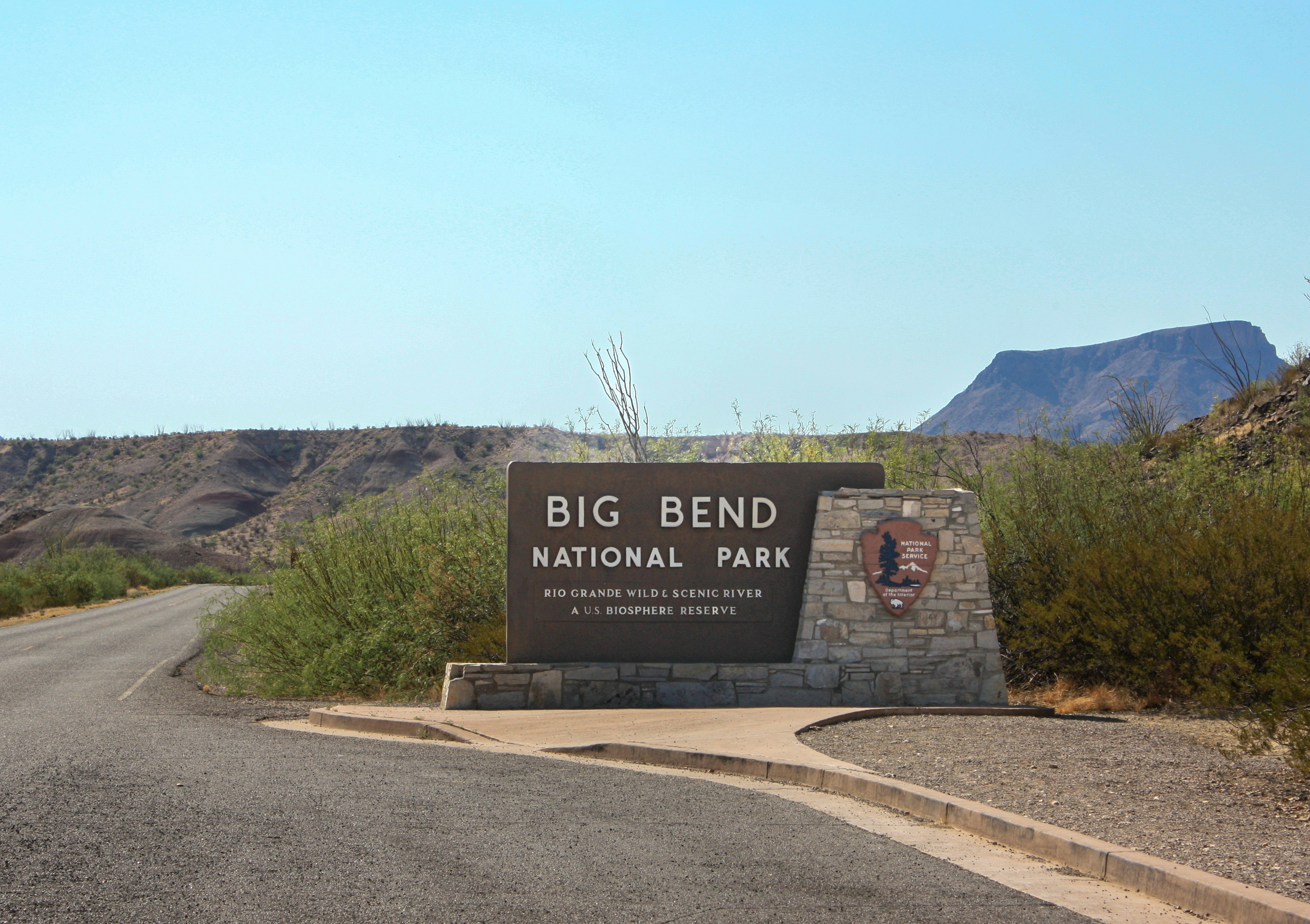
Big Bend Border Construction: A Lead-Surge Playbook for Contractors Near Federal Projects
Federal contractors have begun border construction in Big Bend National Park, bringing heavy equipment, work crews, and support operations into one of the most remote corners of Texas [1][2]. For local businesses — equipment rental yards, fuel suppliers, food service operators, housing providers, and independent contractors — this type of project can create a sudden, concentrated spike in demand.
The Big Bend project is a textbook example of a federal construction mobilization hitting a small, rural community. While no public data yet confirms a documented lead surge for specific businesses in the area, the operational pattern is well understood: large remote projects pull in workers, equipment, and support needs that local businesses are often best positioned to serve.
This article is a practical playbook for contractors and service businesses near any major federal or remote construction project. It covers how to prepare for the inquiry spike, how to respond when it arrives, and how to follow up so you capture the work — not just the first phone call.
Why Remote Federal Projects Create Local Demand Spikes
Large-scale construction in a remote area doesn’t just bring the prime contractor. It brings:
- Subcontractors and specialty crews
- Surveyors, engineers, and inspectors
- Equipment operators and laborers
- Support vehicles and fuel trucks
- Temporary housing and camp services
- Food service and supply runs
- Waste management and portable sanitation
- Local material suppliers and hardware stores
Many of these needs are filled by businesses already operating within a reasonable radius of the project site. When the project mobilizes quickly, the inquiries can arrive all at once — often by phone, text, or web form — and the businesses that respond fastest tend to capture the work.
For a project like the Big Bend border construction, the nearest towns are small and the commercial infrastructure is limited. A business that can reliably answer an inquiry, provide a quote, and follow up may have a significant advantage over competitors who are slower or less organized.
The Lead-Surge Playbook: 5 Steps to Capture Project-Driven Demand
1. Identify What the Project Actually Needs
Before the phone starts ringing, understand what a project of this type typically requires. For border construction or similar federal infrastructure work, common local needs include:
- Equipment rental: skid steers, excavators, generators, light towers, water trucks
- Fuel delivery: bulk diesel and gasoline for equipment and vehicles
- Materials: aggregate, concrete, lumber, fencing components, culverts
- Logistics support: vehicle maintenance, tire repair, parts supply
- Worker services: temporary housing, meals, laundry, ice, drinking water
- Site services: portable toilets, dumpsters, erosion control, dust suppression
Not every business will serve every need. The goal is to match your actual capabilities to the project’s likely requirements so you can respond intelligently when inquiries arrive.
2. Prepare Your Response Before the Inquiry Comes
When a project crew calls, they’re often calling multiple businesses in quick succession. The first business to answer with a clear, helpful response has a meaningful advantage.
Before the surge hits:
- Write a short qualification script so anyone answering the phone knows what to ask: project name, location, timeline, quantity, delivery requirements, billing process.
- Prepare a one-page capability sheet you can text or email immediately after the call.
- Set up an auto-reply for web forms and after-hours inquiries that acknowledges the lead and sets expectations for when they’ll hear back.
- Know your availability — equipment on rent, material stock levels, crew capacity — so you don’t overpromise.
This preparation takes an hour or two and can make the difference between booking the work and missing the call entirely.
3. Respond Immediately — Even If It’s Just an Acknowledgment
On a fast-moving project mobilization, the inquiry you receive at 7:00 PM may be awarded to someone else by 7:00 AM if you don’t respond. You don’t need to have every answer ready in the first message — but you do need to acknowledge the lead quickly.
A simple text reply can hold the opportunity:
“Got your inquiry about equipment rental for the border project. I’m on a job until 4 but will call you by 4:30 with availability and pricing. — Mike, West Texas Rentals”
This does three things: it confirms receipt, it sets a clear expectation, and it keeps your business in the conversation while you finish what you’re doing.
For businesses that can’t personally respond to every inquiry within minutes, automated first-response texts can serve the same function — acknowledging the lead and buying time for a proper follow-up.
4. Follow Up Like the Project Depends on It (Because It Might)
A single phone call or text is rarely enough to close project-related work. The person who inquired may be juggling multiple vendors, dealing with changing timelines, or waiting on approvals from higher up the chain.
A practical follow-up cadence for project-driven leads might look like:
- Same day: acknowledgment text or call
- Next day: follow-up with the specific information they requested
- Day 3: check-in — “Wanted to see if you need anything else to make a decision on the fuel delivery”
- Day 7: gentle reminder that you’re still available
- Day 14: final check-in before archiving the lead for potential reactivation later
The key is consistency. Most businesses stop after one or two attempts. The ones that follow up systematically capture work that others abandon.
5. Build a Reusable System — Because This Will Happen Again
The Big Bend project is specific, but the pattern is not. Federal construction, disaster recovery, energy development, and large infrastructure projects all create similar demand spikes in rural areas.
After this surge passes, document what worked:
- Which lead sources produced the best inquiries?
- What information did project teams consistently ask for?
- Which follow-up messages got the best responses?
- What did you wish you had prepared in advance?
That documentation becomes your playbook for the next project — whether it’s border construction, highway work, pipeline maintenance, or wildfire recovery.
What Makes Remote Project Leads Different
Project-driven leads differ from typical residential or commercial inquiries in several important ways:
| Characteristic | Typical Service Lead | Remote Project Lead |
|---|---|---|
| Urgency | Moderate to high | Often very high — mobilization is time-sensitive |
| Volume | Steady or seasonal | Sudden spike, then sustained for weeks or months |
| Decision process | Individual homeowner or business owner | Project manager, procurement officer, or superintendent |
| Information needed | Pricing, availability, timeline | Capacity, delivery logistics, insurance, payment terms |
| Follow-up window | Days to weeks | Hours to days for initial response |
| Long-term value | Single job | Potential for repeat work throughout the project |
Understanding these differences helps you adjust your response — more emphasis on logistics and capacity, less on selling the service itself.
Common Mistakes That Lose Project Work
Even experienced businesses can fumble project-driven leads. The most common mistakes:
- Answering too slowly. If the project team calls three suppliers and you’re the last to respond, you’re often out before you start.
- Not understanding the procurement process. Federal projects may require specific insurance, bonding, or invoicing procedures. Know what’s needed before you quote.
- Overpromising capacity. It’s better to be honest about what you can deliver than to win the work and fail to perform.
- Quoting without logistics. A price that doesn’t account for delivery distance, site access, or remote-area fuel costs can turn a win into a loss.
- Stopping follow-up too early. Project timelines shift. The “no” you received last week may become a “yes” when another supplier falls through.
How Automation Helps When Inquiries Arrive in Batches
When a project mobilizes, inquiries don’t arrive one at a time during business hours. They arrive in clusters — often early morning, late evening, or while you’re already on site handling another job.
An automated follow-up system can:
- Send an immediate acknowledgment text to every new lead, regardless of when it arrives
- Keep follow-up messages going on a schedule so no inquiry gets forgotten
- Allow you to reply from a single dashboard rather than juggling multiple text threads
- Reactivate older leads when project phases shift and new needs emerge
The goal isn’t to replace human conversation — it’s to make sure the conversation starts quickly and continues consistently, even when you’re busy.
Key Takeaways
- Remote federal projects create real, localized demand spikes for equipment, materials, fuel, housing, and services — even when a documented lead surge hasn’t been publicly confirmed for a specific event.
- Preparation before the inquiries arrive — qualification scripts, capability sheets, auto-replies — gives you a speed advantage when the phone starts ringing.
- Immediate acknowledgment matters more than having every answer ready. A fast text can hold the opportunity while you finish what you’re doing.
- Systematic follow-up captures work that others abandon. Most businesses stop after one or two attempts; consistent follow-up over days and weeks wins project-driven work.
- Document what works so you have a reusable playbook for the next federal project, disaster response, or infrastructure mobilization in your area.
FAQ
Is there confirmed data that Big Bend businesses are seeing a lead surge right now?
No. The sources confirm that federal contractors have begun border construction in Big Bend National Park [1][2]. The business opportunity for local contractors and service providers is a logical inference based on how large remote construction projects typically operate — not a reported surge from this specific event.
What types of businesses benefit most from remote federal projects?
Equipment rental companies, fuel suppliers, material suppliers, portable sanitation providers, food service operators, temporary housing providers, vehicle maintenance shops, and local subcontractors are often in the strongest position to capture project-driven demand.
How quickly do I need to respond to a project inquiry?
Faster is better. Project teams often contact multiple suppliers in quick succession. A response within minutes — even if it’s just an acknowledgment — keeps you in the conversation. Responses that take hours or overnight may arrive after a decision has already been made.
Do federal projects require special insurance or paperwork?
Often yes. Requirements vary by project, but federal contracts frequently require specific insurance coverage, bonding, and invoicing procedures. Ask about procurement requirements early in the conversation so you can determine whether you’re positioned to meet them.
How long does project-driven demand typically last?
It depends on the project scope. Mobilization creates an initial spike, followed by sustained demand for the duration of construction — which could be weeks, months, or longer. Some businesses also capture demobilization work when the project winds down.
Related Reading
- How to Build a Lead Follow-Up System That Runs Automatically
- 15 Auto Reply Messages Contractors Can Use for New Leads
- How Busy Business Owners Can Follow Up With Every Lead (Without Extra Work)
- How to Follow Up With Home Service Leads Automatically: A Practical Playbook
When a federal project lands in your backyard, the businesses that respond fastest and follow up most consistently capture the work. SecureMyLead helps you acknowledge every inquiry immediately and keep follow-up going — even when you’re on site. Get started free.