Wildfire Lead Response Checklist for Restoration Companies
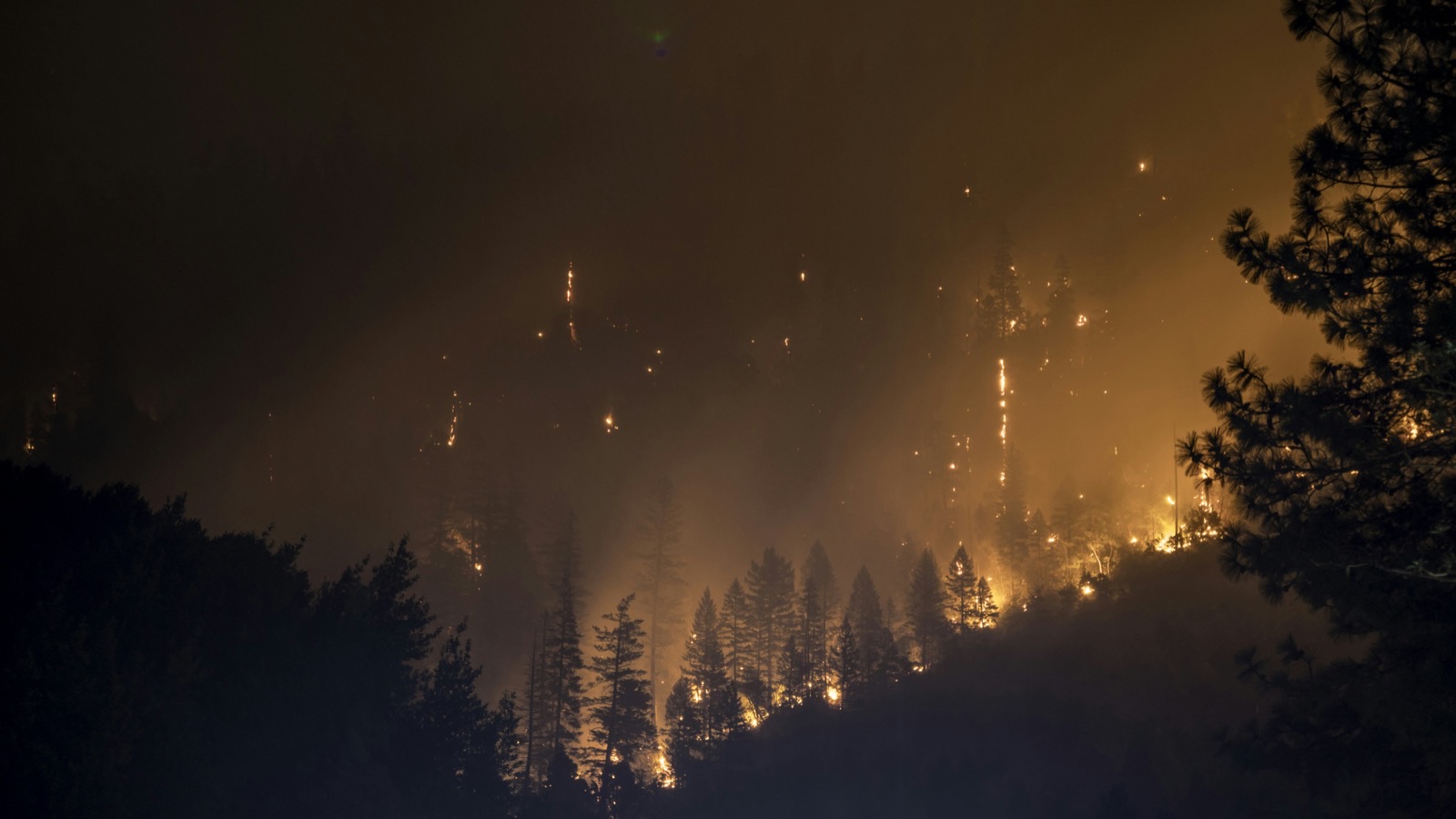
A wildfire near Austin reportedly reached 4,500 acres and prompted expanded forest closures, according to local reporting.[^1] For restoration companies serving affected Texas areas, that is a reason to prepare for possible smoke-damage, cleanup, fire-damage, and inspection inquiries—not proof that inquiries have increased or that every nearby property needs restoration.
The right response plan does two things at once:
- It gives property owners a prompt, clear acknowledgment.
- It prevents your team from making unsafe promises, accepting work outside your service area, or overcommitting capacity.
This checklist is built specifically for wildfire-related restoration inquiries. Use it to create a consistent intake process for calls, web forms, missed calls, and text messages while keeping human judgment in control.
Table of contents
- Start with safety and access boundaries
- Wildfire lead intake checklist
- How to prioritize and route inquiries
- SMS acknowledgment templates
- Follow-up workflow for wildfire and smoke-damage leads
- Capacity controls that protect your team
- A short SecureMyLead workflow
- FAQ
Start with safety and access boundaries
Forest closures are a practical reminder that availability is not the same as accessibility. Before discussing inspections, cleanup, or estimates, establish clear boundaries for your team and every inbound inquiry.
Your first safety rules
Use these rules in your internal intake process:
- Do not direct homeowners, employees, or subcontractors into closed or restricted areas.
- Do not promise an on-site visit until a human team member confirms the location can be accessed and the company can safely take the job.
- Do not use an automated message to assess fire severity, smoke exposure, structural conditions, environmental conditions, or whether a property is safe to enter.
- Do not tell a property owner whether they need restoration work based only on a form submission, text, or photos.
- Escalate reports involving an active fire, immediate danger, a possible gas leak, downed power lines, carbon monoxide concerns, medical equipment without power, or a medical emergency to the appropriate emergency response process rather than treating them as a standard sales lead.
Your acknowledgment can be prompt without implying that a crew is en route. The goal is to confirm receipt, collect basic details, and set up a human review.
Wildfire lead intake checklist
A generic “What service do you need?” form is not enough for wildfire-related inquiries. Your team needs enough information to determine whether the request is within your service area, within your capabilities, and appropriate for a human callback.
1. Confirm contact and property details
Collect the basics first:
- Full name
- Best callback number
- Email address, if available
- Property address
- Whether the person is the owner, tenant, property manager, or another contact
- Preferred contact method and a reasonable time to call
For restoration companies, the property address matters immediately. A lead may be near the affected area but outside your actual service radius, inside a closure area, or at a second home owned by someone who is not local.
2. Check service area and access status
Before talking about timing or availability, verify:
- Is the property within your normal service area?
- Is it in or near an area subject to a closure or access restriction?
- Can the property owner confirm whether the site is currently accessible?
- Is the customer asking for immediate help, an inspection, documentation, cleaning, or a future assessment?
Keep the language neutral. You are collecting information, not confirming that access is allowed or that the property is safe.
Internal intake note:
Service area: Yes / No / Needs review
Access status: Confirmed open / Possible restriction / Unknown
Human owner: [team member]
3. Identify the type of requested service
Wildfire-related inquiries can look similar at first but require different workflows. Ask the lead to describe the request in their own words, then categorize it internally.
Possible categories include:
- Smoke odor or visible smoke residue
- Fire damage to a structure or contents
- Ash or debris cleanup inquiry
- Water damage following fire-response activity
- Inspection or assessment request
- Documentation request for a property owner
- General question about whether restoration may be needed
- Request outside your company’s services
This category is not a technical diagnosis. It is a routing label that helps the right person review the request.
4. Ask for a brief property and damage description
Use plain questions that do not ask the customer to make a technical judgment:
- What are you seeing or noticing at the property?
- Which areas of the property are affected?
- Is the concern inside, outside, or both?
- When did you first notice the issue?
- Is anyone currently at the property?
- Is the property accessible at this time?
Avoid questions that suggest a conclusion, such as “How severe is the smoke damage?” A homeowner may not know, and your intake team should not turn an early description into an assessment.
5. Request photos only when it is safe
Photos can help a human reviewer understand the inquiry before a callback. But the request must be framed carefully.
Ask for photos only if the customer can take them safely and without entering a closed, hazardous, or restricted area. Never ask someone to enter a damaged structure, approach active fire conditions, climb on a roof, move debris, or expose themselves to danger just to send better images.
A safer request is:
If you can safely share a few photos from where you are, they may help our team understand your request before we call. Please do not enter restricted areas or take photos if doing so could put you at risk.
6. Handle insurance questions without interpreting coverage
Wildfire and smoke-related callers may ask whether insurance will cover the work, whether they should file a claim, or what documentation they need.
Your intake team can collect basic information:
- Has the customer already contacted their insurer?
- Is there a claim number they want to share?
- Do they want documentation of the property condition for their records?
- Is there an adjuster or property manager involved?
But do not:
- Interpret policy language
- Promise coverage
- Tell the customer that a claim will be approved
- State that a certain service is required for insurance purposes
- Guarantee that your estimate or documentation will satisfy an insurer
A useful response is:
We can note your claim information and have a team member discuss the service request. For coverage and claim decisions, please confirm details directly with your insurer.
7. Assign a human owner before the lead goes cold
Every wildfire-related inquiry should have a named person responsible for the next step. That could be an estimator, owner, operations manager, or office coordinator.
The owner should know:
- What the customer requested
- Whether service area and access need review
- Whether photos were received
- Whether there are safety or access concerns
- Whether an insurer, adjuster, or property manager is involved
- What the next promised action is
This is where many service-business workflows break down: the first acknowledgment goes out, but nobody owns the actual conversation. A quick reply only helps if it leads to a clear human handoff.
For a broader system for assigning and working leads, see how to build a lead follow-up system that runs automatically.
How to prioritize and route inquiries
Do not prioritize only by who contacted you first. Use a simple routing approach that reflects safety, access, service fit, and operational capacity.
| Lead type | First action | Human review priority |
|---|---|---|
| Active danger or emergency concern | Direct away from standard intake and into the appropriate emergency process | Immediate |
| Property in a closed or restricted area | Acknowledge receipt; do not promise a visit | Immediate review before scheduling |
| In-service-area smoke or fire-damage inquiry with confirmed access | Collect details and assign estimator or qualified reviewer | High |
| General inspection or documentation inquiry | Collect property details, access status, and preferred callback time | Standard |
| Outside service area or outside scope | Respond honestly and avoid promising work | Standard |
| Existing customer asking for an update | Route to the responsible account or operations contact | High if active work is involved |
This system does not replace professional judgment. It simply prevents a standard text sequence from treating every form submission as identical.
SMS acknowledgment templates
Automated texts are useful for acknowledging an inquiry and collecting basic information. They should not authorize entry, confirm availability, diagnose damage, or promise an inspection time.
New wildfire or smoke-damage inquiry
Hi [First Name], this is [Business Name]. We received your request regarding the property at [Address]. A team member will review the details and follow up. If you can safely reply with a short description of what you’re seeing and whether the property is currently accessible, that will help us prepare for the call.
Missed call text-back
Hi [First Name], this is [Business Name]. Sorry we missed your call. We received your wildfire or smoke-damage inquiry and will have a team member review it. Please reply with the property address and a brief description of your concern. Do not enter any restricted area to gather information for us.
Photo request
Thanks, [First Name]. If it is safe to do so, you may reply with a few photos from your current location. Please do not enter closed, restricted, or potentially unsafe areas to take photos. A team member will review your information before discussing next steps.
Insurance-information acknowledgment
Thanks for sharing that information. We can note any claim or adjuster details for our team, but coverage and claim decisions need to be confirmed with your insurer. We’ll review your service request and follow up.
Capacity-aware response
Hi [First Name], this is [Business Name]. We received your request and are reviewing our current service area and availability. We’ll follow up after a team member has reviewed the property details. Please reply with the address and the best number to reach you.
For more first-response options, see auto reply messages for contractors and best lead response templates for service businesses.
Follow-up workflow for wildfire and smoke-damage leads
The follow-up sequence should change based on what the customer does next.
If the customer replies with usable details
- Confirm that a team member is reviewing the request.
- Assign the lead to a named person.
- Record the address, requested service, access status, and photos.
- Have the assigned person decide whether to call, request more information, decline, or discuss a possible next step.
- Update the customer only with what your team can actually support.
If the customer does not reply
A single follow-up can be appropriate when you have permission to text the lead. Keep it practical and avoid pressure.
Hi [First Name], this is [Business Name] following up on your property inquiry. If you still need help, reply with the property address and a brief description of the concern, and our team can review it.
Do not use a generic sales sequence that assumes the property needs service. In wildfire situations, the homeowner may be dealing with access restrictions, displacement, insurer conversations, or uncertainty about the property’s condition.
If a customer replies with an urgent-sounding concern
Move the conversation to a human immediately. Do not let an automation continue to ask routine questions while someone is reporting potential danger, restricted access, or conditions your team cannot assess remotely.
Capacity controls that protect your team
Businesses should prepare for a possible increase in inquiries without advertising unlimited availability. A simple capacity plan can keep your messaging honest.
Set your internal limits before demand changes
Decide in advance:
- Which ZIP codes or areas you can review
- Which services you can and cannot accept
- Who handles after-hours messages
- Who approves any same-day site visit discussion
- When to pause or revise advertising and intake messaging
- What you will say when your schedule is full
- How often your team will review the wildfire inquiry queue
Use honest language when capacity is limited
Avoid: “We can be there today.”
Use: “We received your request and are reviewing current availability.”
Avoid: “Our crew is on the way.”
Use: “A team member will review the details and discuss possible next steps.”
Avoid: “We handle all wildfire damage.”
Use: “We’ll review your request to confirm whether it is within our service area and scope.”
Clear limits protect the customer from false expectations and protect your staff from being pushed into unsafe or unplanned work.
A short SecureMyLead workflow
SecureMyLead can support the acknowledgment portion of this process by sending an automated first SMS when a lead arrives and continuing configured follow-up messages. For wildfire-related inquiries, keep that automation narrow: acknowledge receipt, request basic information, and route the lead to a human reviewer.
Build the workflow around these safeguards:
- Use a wildfire-specific first-response text rather than a generic estimate message.
- Add intake fields for address, requested service, access status, and photos received.
- Assign a human owner for every qualified inquiry.
- Review replies promptly—ordinary replies are visible in the dashboard but do not automatically pause scheduled sequence messages.
- Manually adjust the follow-up path when a customer replies, access is restricted, or your capacity changes.
- Use texting only where your business has the appropriate permission to contact the lead.
SecureMyLead is a follow-up layer, not dispatch, emergency triage, insurance claims handling, or a substitute for professional restoration judgment.
Key takeaways
- The Austin wildfire reporting and expanded forest closures make preparedness relevant for Texas restoration companies, but they do not prove a lead surge.[^1]
- Do not promise inspections, entry, availability, or service before a human confirms access, safety, scope, and capacity.
- Collect property address, contact details, service request, access status, and a basic description before routing the lead.
- Request photos only when the customer can share them safely.
- Keep insurance conversations administrative: collect claim details if helpful, but do not interpret coverage or promise outcomes.
- Use automation to acknowledge and organize inquiries, then put a human in charge of the next decision.
FAQ
Should a restoration company automatically book every wildfire-related inspection request?
No. An automated response can acknowledge the inquiry and collect basic details, but a human should confirm service area, access, scope, safety considerations, and actual availability before discussing a visit.
What should we ask a smoke-damage lead first?
Start with the property address, callback information, a brief description of what the customer is seeing, whether the property is currently accessible, and whether they can safely share photos. Avoid treating the answers as a remote assessment.
Can we ask customers to send photos of wildfire damage?
You can ask for photos only if the customer can provide them safely. Do not ask someone to enter restricted areas, damaged structures, or other potentially unsafe locations to obtain images.
How should we respond to insurance questions?
You can collect claim numbers, adjuster contact details, and documentation requests. Do not interpret policy coverage, predict claim outcomes, or guarantee insurer approval.
What should an automated text say during a possible wildfire inquiry increase?
It should confirm receipt, identify your business, request basic property information, state that a team member will review the request, and avoid promises about access, arrival time, severity, or insurance.
Related reading
- How to follow up with home service leads automatically
- After-hours lead response: how to win jobs while you sleep
- 7 lead follow-up mistakes that quietly kill conversion
Ready to make sure new restoration inquiries receive a prompt acknowledgment without losing human control of the process? Get started free.
[^1]: Austin fire grows to 4,500 acres, with expanded forest closures, AOL.