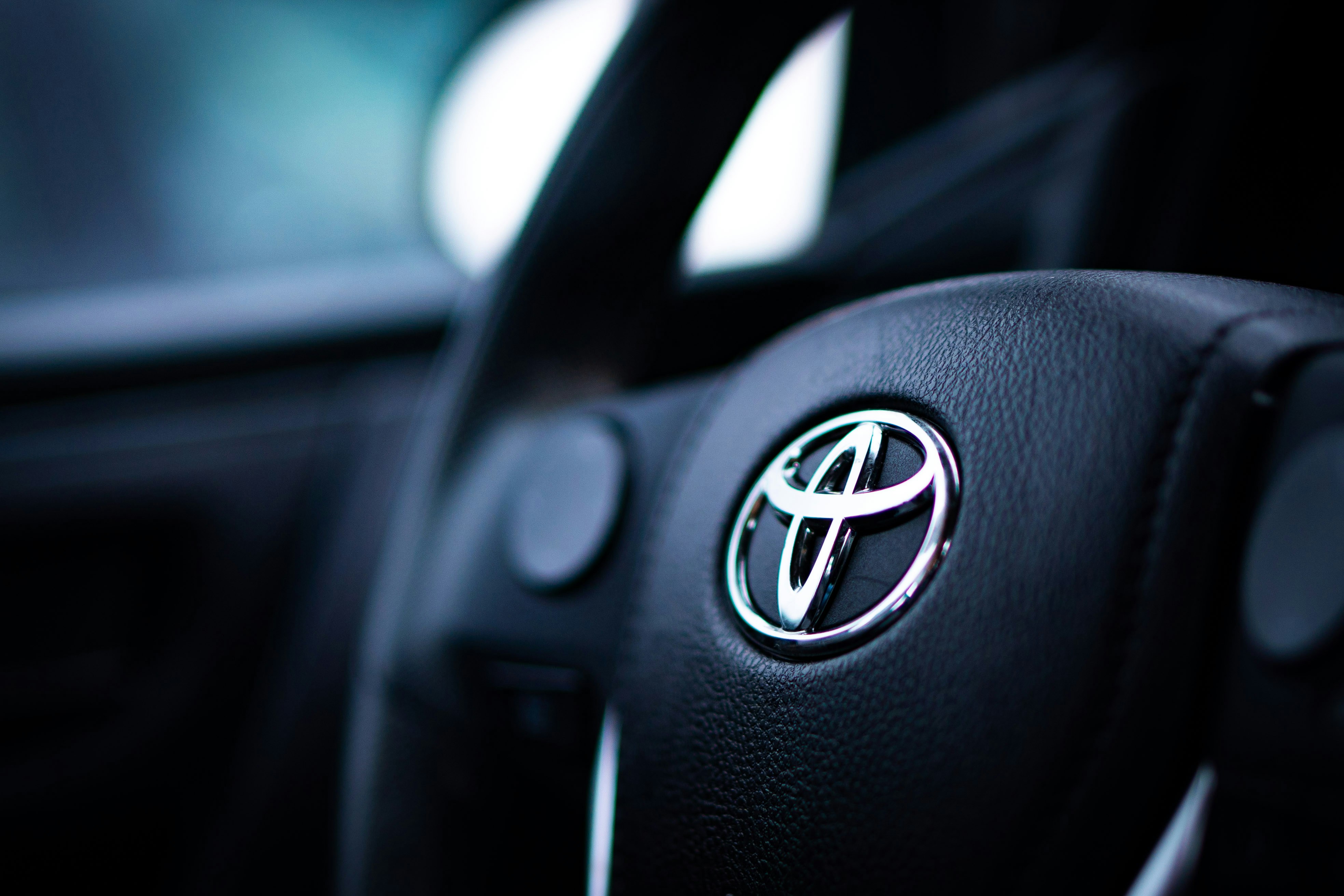
Toyota Recalls 655K Camrys: What Auto Shops and Dealerships Can Learn About Recall-Driven Lead Surges
Toyota has issued a global recall affecting approximately 655,000 Camry vehicles over a display defect that can knock out safety indicators. If you run an auto shop, dealership service department, or independent repair facility, the recall is more than a news headline. It’s a real-world example of how a single manufacturer announcement can create a sudden wave of phone calls, online appointment requests, and walk-in questions.
The recall itself is documented. What is not documented is whether any specific shop or dealership will see a measurable lead surge from this event. That part is still an open question — and it’s exactly why preparation matters.
This article explains what the recall involves, what Camry owners are likely to ask, and how auto businesses can prepare for a possible influx of recall-related inquiries without letting normal lead flow fall through the cracks.
What the Toyota Camry recall actually involves
According to Fox Business and CBS News, Toyota is recalling roughly 655,000 Camry vehicles globally because of a software-related display defect. The issue can prevent the instrument panel from properly displaying safety indicators, which may leave drivers without important visual warnings.
The key facts from the reporting:
- Affected vehicles: approximately 655,000 Toyota Camrys globally
- Problem: a display defect that can knock out safety indicators
- Nature of the defect: software-related, according to CBS News coverage
- Primary concern: drivers may not see critical safety warnings on the dashboard
The recall is not described as a mechanical failure requiring immediate roadside intervention. It is a software or display issue that affects the information drivers receive. That distinction matters for how shops and dealerships should handle incoming questions.
What Camry owners will probably ask
When a recall of this size hits the news, vehicle owners tend to ask the same set of questions. Auto businesses should be ready to answer them clearly and consistently.
“Is my Camry affected?”
This is almost always the first question. Owners want to know whether their specific vehicle identification number, or VIN, falls within the recall population.
The most useful response is to point them to an official VIN lookup tool rather than guessing. Manufacturer recall sites and government databases are the authoritative sources for VIN-specific eligibility. A shop that tries to answer this from memory risks giving incorrect information.
“Is it safe to keep driving?”
The recall involves safety indicators, not a known mechanical failure that makes the vehicle undrivable. But that does not mean a shop should make a blanket safety assurance. The responsible answer is to direct the owner to official recall guidance and, if they are concerned, to schedule an inspection.
“Can you fix it?”
The fix for a software-related recall is typically performed by an authorized dealership, not an independent shop. Independent repair facilities should be honest about that limitation while still offering value: they can inspect the vehicle, document the owner’s concern, and help them understand the next step.
“How soon can I get in?”
This is where lead management becomes critical. If recall-related inquiries rise, appointment availability can disappear quickly. A shop that cannot respond promptly may lose the opportunity to serve the customer — even if the actual recall repair must happen elsewhere.
Why recalls create operational pressure
A recall announcement does not affect every shop equally. Dealerships with Toyota service departments may see the most direct impact. Independent shops may see fewer recall-specific repair requests but more general questions from concerned owners.
The operational challenge is the same in both cases: a sudden increase in inbound inquiries can overwhelm a small service team.
Common pressure points include:
- Phone calls arriving faster than staff can answer
- Online appointment requests sitting unanswered for hours
- Front-desk staff spending all day answering the same recall questions
- Normal repair and maintenance leads getting delayed because recall calls dominate
- After-hours inquiries going completely unacknowledged until the next morning
None of this is unique to Toyota recalls. The same pattern appears after severe weather, major service campaigns, or any event that creates a temporary spike in demand.
What auto shops and dealerships can do before demand rises
The recall is already public. If your shop or dealership is likely to receive questions, there are practical steps you can take now.
1. Prepare a short recall response script
Create a simple, accurate script that front-desk staff and service advisors can use for recall-related calls. The script should include:
- Acknowledgment of the recall
- A clear statement that VIN-specific eligibility must be confirmed through the official lookup tool
- An offer to help the owner schedule an inspection or appointment if appropriate
- A note about whether your facility can perform the recall repair or whether it must go to a dealership
This keeps answers consistent and reduces the time each call takes.
2. Add recall information to your website or booking page
If you expect recall-related traffic, a short notice on your website can answer the most common questions before someone picks up the phone. Include the official recall lookup link and a clear next step for owners who want to book an appointment.
3. Set up an automated first response for new inquiries
When inbound volume rises, the first few minutes matter. An automated text message can acknowledge a new lead immediately, even if your team is on another call or the inquiry arrives after hours.
For example:
“Thanks for contacting [Shop Name]. We received your message about the Toyota Camry recall. A service advisor will reply shortly. If you need immediate assistance, call us at [phone number].”
This does not replace human follow-up. It buys time and prevents the lead from feeling ignored.
4. Create a simple triage process
Not every recall-related inquiry needs the same response. A quick triage step can separate:
- Owners who need VIN verification help
- Owners who want to schedule an inspection
- Owners who are asking about a different repair or service
- Owners who are simply anxious and need reassurance
Assigning each type to the right next step keeps the team from getting stuck on repetitive questions.
5. Protect your normal lead flow
A recall surge can crowd out regular repair and maintenance leads. If your team is overwhelmed by recall calls, a paying brake job or scheduled maintenance customer may go unanswered.
Automated follow-up can help here. When a new lead arrives — recall-related or not — an immediate acknowledgment keeps the conversation alive while your team works through the queue.
What not to do during a recall-driven demand spike
There are a few mistakes that can make a recall situation worse.
Don’t guess about VIN eligibility
Telling a customer their vehicle is or is not affected without checking the official database creates liability and frustration. Always direct owners to the authoritative lookup tool.
Don’t promise a fix you can’t perform
If your shop is not authorized to perform the recall repair, say so clearly. Offering to inspect the vehicle or help the owner find the right dealership is still valuable.
Don’t let recall calls block every other lead
It’s easy to let a flood of recall questions consume the entire day. But normal service work still pays the bills. A simple triage system and automated first response can keep both tracks moving.
Don’t assume the surge will happen
The recall is real. The local demand impact is not guaranteed. Some shops may see dozens of calls. Others may see none. Preparation is about being ready for the possibility, not predicting a specific outcome.
How automated lead follow-up fits into recall preparation
SecureMyLead is a lead-follow-up automation product for service businesses. It is not a recall management system, and it does not verify VIN eligibility or perform recall repairs.
What it can do is help a shop or dealership handle the communication side of a demand spike.
When a new lead arrives through a website form, online booking page, or connected lead source, SecureMyLead can send an automated text message within seconds. That first response can acknowledge the inquiry, set expectations, and keep the lead warm until a human team member can respond.
For recall-related inquiries, that might mean:
- Acknowledging the message immediately
- Providing a short note about recall eligibility verification
- Letting the owner know a service advisor will follow up
- Keeping the conversation in one place so nothing gets lost
The value is not that automation answers every recall question. The value is that no inquiry sits unanswered while the team is busy.
If a recall-driven surge does materialize, that consistency becomes more important — not less.
Key takeaways for auto shops and dealerships
- The Toyota Camry recall is real and documented, but local demand impact is not guaranteed.
- Camry owners will most likely ask about VIN eligibility, safety, repair options, and appointment availability.
- A short response script and a clear triage process can reduce front-desk pressure.
- Automated first response can acknowledge new leads immediately, even during a busy period or after hours.
- Independent shops should be honest about whether they can perform the recall repair.
- Preparation should protect normal repair and maintenance lead flow, not just recall-related calls.
FAQ: Toyota Camry recall and auto shop lead surges
Is the Toyota Camry recall a safety emergency?
The recall involves a display defect that can knock out safety indicators. It is not described in the reporting as an immediate mechanical failure requiring roadside intervention. Owners should consult official recall guidance for their specific vehicle.
Can independent auto shops perform the recall repair?
Software-related recalls are typically handled by authorized dealerships. Independent shops should verify their ability to perform the specific repair before promising it to customers.
How can auto shops prepare for a recall-driven lead surge?
Shops can prepare by creating a recall response script, adding recall information to their website, setting up automated first responses for new inquiries, and creating a simple triage process.
Will every auto shop see a lead surge from this recall?
No. The recall is global, but local demand impact varies. Some shops may see many inquiries; others may see none. Preparation is about readiness, not prediction.
What should a shop say to a Camry owner who asks if their vehicle is affected?
Direct them to the official VIN lookup tool rather than guessing. Manufacturer recall sites and government databases are the authoritative sources for VIN-specific eligibility.
Related reading
- How to follow up with leads using text message (proven scripts)
- How to build a lead follow-up system that runs automatically
- After-hours lead response: how to win jobs while you sleep
- How fast booking gives you an unfair advantage over competitors
Get started free
If your shop or dealership wants to make sure no recall-related inquiry — or any other lead — sits unanswered, SecureMyLead can help. Set up automated first responses and follow-up sequences in minutes, without a credit card.