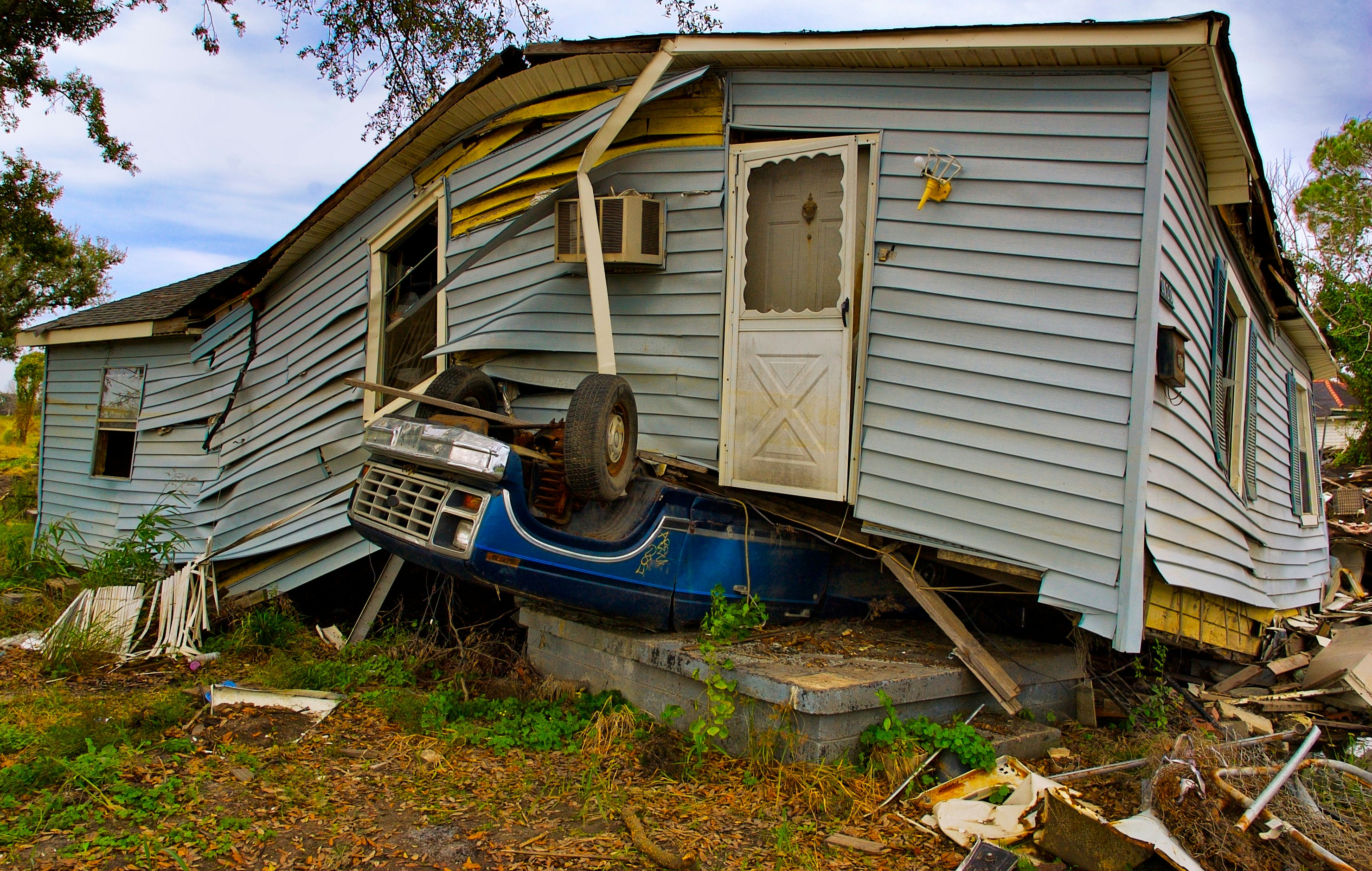
Storm Damage Lead Response Checklist for Roofing Contractors
Forecasters have reported that a tropical depression or Tropical Storm Isaias could potentially form in the Gulf later in the week. That does not mean damage has occurred or that roofing inquiries will increase. It does mean roofing companies in potentially affected areas can prepare their response workflow before calls, web forms, and inspection requests begin competing for attention.
A clear process helps your team acknowledge inquiries, identify the right next step, avoid overbooking, and keep non-emergency prospects from being forgotten.
Current weather context: Reporting from The Weather Channel and WESH says a tropical depression or Tropical Storm Isaias could potentially form in the Gulf later in the week. Monitor local official alerts and prepare for the possibility of increased customer questions or inquiries—without assuming damage or demand has occurred.
Table of contents
- Put safety before scheduling
- The storm-damage lead response checklist
- Questions to ask without diagnosing the roof
- Prioritize service areas and available capacity
- Storm-damage SMS templates
- Follow up when a prospect does not reply
- Where automation fits—and where people must take over
- Key takeaways
- FAQ
Put safety before scheduling
A lead-response system is not an emergency-assessment system.
If a customer mentions an immediate safety hazard—such as downed power lines, a gas leak, carbon monoxide concerns, fire, or medical equipment losing power—direct them to appropriate local authorities or qualified professionals first. Do not use a text workflow to assess structural danger, determine whether a roof is safe to enter, or decide whether a situation is an emergency.
Your team’s role in the first response is simple:
- Acknowledge the inquiry.
- Avoid making safety or structural promises.
- Direct immediate hazards to appropriate emergency or qualified professional help.
- Collect enough information to assign a human follow-up or possible inspection.
- Set only expectations you can meet.
The storm-damage lead response checklist
Use this checklist before and during a period of heightened storm attention. It is designed for inquiries that may rise if weather conditions affect your service area.
1. Name an owner for every incoming inquiry
Decide who is responsible for each lead source before the phone starts ringing.
Assign ownership for:
- Website forms
- Missed calls and voicemails
- Google Business Profile messages
- Social media messages
- Referral calls
- Existing customers asking for help
- Leads from advertising platforms or third-party marketplaces
For a small roofing business, one person may own the inbox while another manages field inspections. That is fine—as long as neither assumes the other person replied.
Practical rule: Every new inquiry needs a visible status, such as:
- New
- Awaiting customer details
- Needs human review
- Inspection requested
- Inspection scheduled
- Not in service area
- Follow-up pending
- Closed
This prevents a busy day from turning into a list of unanswered “I thought you had that one” conversations.
2. Check that every lead source reaches one response workflow
Storm-related inquiries can arrive from places your normal process does not consistently cover. Before conditions change, submit a test web form, call your business line, and review who receives social and marketplace messages.
Confirm:
- New web-form leads notify the right person.
- Missed calls have a defined callback or text-back process.
- Your office number and after-hours number are monitored.
- The team knows which inboxes require a response.
- The same lead is not being messaged twice from separate systems.
- Your business name, service area, and callback details are correct in templates.
If you need a broader setup process, see how to build a lead follow-up system that runs automatically.
3. Create one honest first-response message
The first message should not diagnose roof damage, promise an inspection time, or imply insurance approval. Its job is to let the person know they reached a real business and explain what happens next.
Keep it short. Ask for the information your team actually needs to determine whether and when it can follow up.
A good acknowledgment includes:
- Your company name
- Confirmation that you received the request
- A clear next step
- A reasonable expectation for human follow-up
- A safety boundary when appropriate
Avoid vague messages such as “We’ll be right there” unless a team member has confirmed that is true.
4. Use a consistent qualification form
A storm-related roofing lead needs more than a name and phone number. Capture the details that help your team determine service-area fit, job type, and the correct handoff.
At minimum, collect:
| Information to capture | Why it matters |
|---|---|
| Customer name and preferred contact method | Lets the assigned team member respond appropriately |
| Property address or ZIP code | Supports service-area and routing decisions |
| Property type | Helps distinguish residential, commercial, and other requests |
| Type of concern | Gives context for the human follow-up |
| When the customer noticed the issue | Helps organize the conversation without diagnosing cause or severity |
| Whether the customer is seeking an inspection | Identifies the requested next step |
| Photos, if your business accepts them | Can give your team context before follow-up; do not treat photos as a safety assessment |
| Best callback window | Reduces missed connections |
| Source of the lead | Helps identify where inquiries are arriving from |
Do not ask a customer to inspect a hazardous area, climb onto the roof, or take risks to provide better information.
5. Set a real capacity limit before you need one
If inquiries increase, the biggest operational mistake is promising every caller the same immediate appointment window.
Before your calendar fills, define:
- The number of inspections your team can reasonably handle each day
- Which days and hours are available
- The geographic areas you can cover
- Who can approve exceptions
- What message the team sends when the earliest inspection window is full
- Whether you have a waitlist or callback queue
A realistic response may be: “We received your request and are reviewing our next available inspection times.” That is more useful—and more trustworthy—than making an appointment promise your field team cannot keep.
6. Create a clean scheduling handoff
The person answering an inquiry may not be the person scheduling or performing an inspection. A handoff should include enough context that the customer does not have to repeat everything.
For each inspection-ready lead, send the assigned team member:
- Customer name and number
- Property address
- Concern described by the customer
- Best contact time
- Any photos or notes the customer provided
- Service-area status
- Any appointment window already discussed
- The source and time of the original inquiry
Then assign one person to confirm the appointment directly with the customer.
7. Review unanswered leads at least once daily
Even when demand is normal, leads can go quiet after the first message. During a weather-related period, that may happen more often because people are comparing options, dealing with their property, or simply unable to reply right away.
Review your “awaiting reply” and “follow-up pending” lists daily. Follow up only through channels you are permitted to use, and stop messages when the customer opts out or asks not to be contacted.
For general follow-up timing and structure, read how long to wait before following up with a lead.
Questions to ask without diagnosing the roof
Qualification is about understanding the request and arranging the correct human response. It is not remote structural assessment.
Use plain questions such as:
- “What is the property address or ZIP code?”
- “Is this a residential or commercial property?”
- “What concerns are you noticing?”
- “When did you first notice it?”
- “Are you looking to request an inspection?”
- “What is the best number and time for our team to reach you?”
- “If you can safely share photos from the ground, would that be helpful?”
Avoid statements such as:
- “Your roof is unsafe.”
- “You definitely need a replacement.”
- “This will be covered by insurance.”
- “We can confirm the damage from a photo.”
- “We will be there today.”
Those are conclusions or commitments that require qualified human review and real capacity.
Prioritize service areas and available capacity
A storm-response workflow works better when routing decisions are already made.
Build a simple service-area priority list
Create three categories:
| Category | Example use |
|---|---|
| Core service area | Locations your team can normally inspect and serve |
| Limited-availability area | Locations you can serve only when capacity permits |
| Outside service area | Locations you do not currently cover |
This keeps your team from treating every inquiry as identical. It also gives them a respectful way to respond when a request is outside your coverage area rather than leaving the person without an answer.
Match urgency to a human review—not an automated promise
You may choose to flag messages containing terms such as “active leak,” “water coming in,” or “emergency” for faster human attention. But a keyword does not tell you whether a structure is safe, whether your team should dispatch, or what the customer should do in an emergency.
Use flags to organize the queue, then have a trained team member review the situation and respond within your actual operating process.
Storm-damage SMS templates
Use these only for people who have contacted your business or otherwise consented to receive messages where required. Messaging rules can vary by situation and location, so this is operational guidance—not legal advice.
New inspection inquiry acknowledgment
Hi [First Name], this is [Name] with [Roofing Company]. We received your roofing inquiry for [Property Address/ZIP]. A team member will review the details and follow up about available inspection options. If there is an immediate safety hazard, please contact appropriate local authorities or a qualified professional first.
Missed-call text back
Hi [First Name], this is [Roofing Company]. Sorry we missed your call. We received your request and can gather a few details for the team. What is the property address, and what concerns are you noticing?
Request for details before scheduling
Thanks, [First Name]. To help us route this correctly, can you share whether the property is residential or commercial and the best time for our team to call you? If you have photos you can safely take from the ground, you may send them here.
Capacity-aware response
Hi [First Name], thanks for contacting [Roofing Company]. We’re reviewing inspection requests in your area and will follow up with the next available options. Please reply with the property address and your best callback number if you have not already shared them.
Out-of-area response
Thanks for reaching out to [Roofing Company]. The property address appears to be outside our current service area, so we may not be the right fit for this request. We wanted to let you know promptly rather than leave your message unanswered.
No-reply follow-up
Hi [First Name], this is [Name] with [Roofing Company] following up on your roofing inquiry. If you would still like to discuss an inspection request, reply with the property address and a good time to reach you. If your plans have changed, no problem.
For more first-response examples, see 15 auto reply messages contractors can use for new leads.
Follow up when a prospect does not reply
A customer who does not answer immediately is not necessarily uninterested. They may be at work, speaking with family, gathering information, or handling other property concerns.
Use a modest follow-up sequence that matches the situation:
- Initial acknowledgment: Confirm receipt and ask for the minimum details needed.
- First follow-up: If there is no reply, send one concise message asking whether they still want help with an inspection request.
- Final check-in: Send a final, low-pressure message if appropriate and if you have permission to message them.
- Close or pause: If there is still no reply, mark the lead for later review rather than repeatedly messaging them.
Do not keep sending messages indefinitely. Respect opt-outs, customer preferences, and your applicable messaging obligations.
Where automation fits—and where people must take over
Automation can help roofing companies acknowledge an inbound lead promptly, collect basic details, and keep a permitted follow-up task from being forgotten. That can be especially useful after hours or when the owner is on a roof, driving, or meeting another customer.
It should not be used to assess danger, determine structural safety, dispatch a crew, promise a specific inspection time, or make insurance decisions.
SecureMyLead can act as the follow-up layer between your lead source and your human team: it can send an automated SMS first response and run follow-up sequences for new inbound leads. Before automating a storm-related workflow, make sure your messages reflect real service areas, real capacity, and a clear human handoff.
One important operational detail: ordinary customer replies remain visible in the dashboard but do not currently auto-pause scheduled sequence messages. Build your workflow so someone reviews replies and manually adjusts follow-up when needed.
Key takeaways
- Gulf weather attention is a reason to prepare, not proof that roof damage or a lead increase has occurred.
- Put immediate safety concerns ahead of inspection scheduling or lead capture.
- Give every lead source, status, and handoff a named owner.
- Ask qualification questions that organize the request without diagnosing the roof.
- Set capacity and service-area rules before your team becomes busy.
- Use honest templates that acknowledge the inquiry without promising availability or insurance outcomes.
- Use automation to support acknowledgment and follow-up—not to replace human judgment.
FAQ
Should roofers expect more leads when storm activity is forecast?
Possibly, but it should not be assumed. The cited reports support heightened attention around a potential Gulf system, not a documented increase in roofing inquiries, roof damage, or inspection demand. The practical move is to prepare a response process in case inquiries rise.
What should a roofing company text after a missed storm-related call?
Send a brief acknowledgment, identify your company, ask for the property address and basic concern, and explain that a team member will follow up. Do not diagnose damage, promise an inspection time, or assess an emergency by text.
Should we ask customers to send roof photos?
You can invite photos only if customers can take them safely, such as from the ground. Photos can help provide context, but they should not be treated as a structural assessment or used to make safety conclusions.
Can automated text messages schedule roof inspections?
Automation can acknowledge a request and collect information. A person should confirm any inspection appointment after checking service area, available capacity, and the details of the request.
How often should we follow up with a roofing lead that does not answer?
Use a limited, respectful sequence rather than repeated messages. The appropriate timing depends on your workflow and consent practices. Stop if the person opts out or asks not to be contacted.
Related reading
- Roofing lead follow-up and response tools for contractors
- Contractor web form auto response: what to send the second a new lead hits your site
- How to follow up with home service leads automatically
- Estimate follow-up text templates for contractors
If you want a consistent first response and follow-up process for new roofing inquiries, get started free with SecureMyLead.