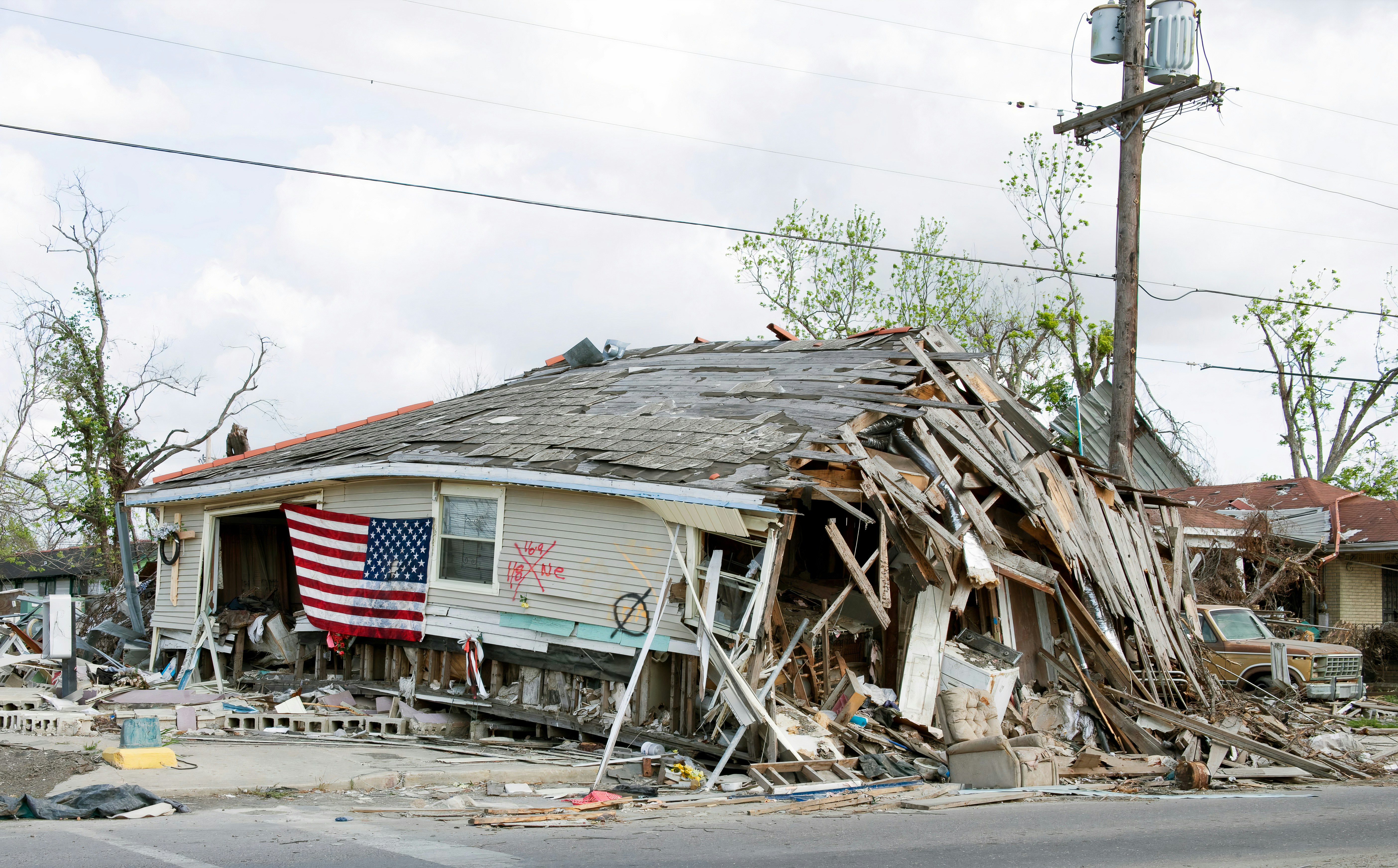
Storm Damage Lead Qualification: Questions Roofers Should Ask Before Booking an Inspection
Heavy rain, thunderstorms, flooded roads, power outages, and flash-flood warnings in parts of New York are a useful reminder for roofers and restoration companies to review their storm-inquiry process. Recent reporting documented these conditions in affected counties, including Onondaga and Steuben counties. Syracuse.com reported on heavy rain, flooded roads, and power outages in Onondaga County, while a separate report covered a flash-flood warning in Steuben County triggered by thunderstorms. Read the Steuben County weather alert.
That does not prove that roofing inquiries have risen or will rise. But weather events can give property owners legitimate reasons to contact roofers, restoration companies, electricians, plumbers, and other service businesses. If inquiries rise, a clear qualification process can help your team separate routine inspection requests from situations that need immediate human attention or a different type of professional.
Safety comes before scheduling
Do not treat every storm-damage inquiry as a standard estimate request.
If a caller reports a downed power line, an electrical hazard, a gas leak, carbon monoxide concern, fire, medical equipment affected by a power outage, flooding that makes the property unsafe, or apparent structural danger, do not book an ordinary roof inspection as the next step. Direct the person to the appropriate local emergency services, utility, or qualified professional based on the situation and local guidance.
Your intake team should not tell a homeowner to enter a flooded, structurally damaged, or electrically unsafe property. The goal is not to diagnose the hazard by text or phone. It is to recognize when a normal roofing workflow is not appropriate.
Once immediate safety concerns are ruled out, you can begin qualifying the inspection request.
Table of contents
- The purpose of storm-damage lead qualification
- The first response: acknowledge without overpromising
- Questions to ask before booking an inspection
- How to prioritize storm-damage leads
- A practical intake workflow for roofers
- Storm-damage follow-up templates
- Where SecureMyLead fits
- Key takeaways
- FAQ
The purpose of storm-damage lead qualification
A good qualification process does three things:
- Flags possible safety issues for human handling.
- Collects enough property and damage context to schedule the right next step.
- Keeps incomplete inquiries from disappearing because the homeowner was busy, stressed, or unable to respond right away.
This is not an insurance-coverage decision process. Your team should not promise that a claim will be covered, estimate a payout, or imply that an inspection guarantees insurance approval.
Instead, qualification helps you document what the prospect says, identify the type of service they may need, and schedule an inspection only when the request fits your service area, capacity, and safety procedures.
The first response: acknowledge without overpromising
A homeowner dealing with a leak or visible roof damage may send the same inquiry to several companies. A fast, calm acknowledgment lets them know their request was received without making promises your team cannot yet verify.
A first response should:
- Identify your company.
- Confirm receipt of the inquiry.
- Ask one or two easy questions.
- Avoid diagnosing damage remotely.
- Avoid promising inspection timing before checking availability.
- Give a clear next action.
First-response text template
Hi [First Name], this is [Team Member] with [Roofing Company]. We received your storm-damage inspection request. Before we review scheduling, are you currently safe, and is there any active interior leaking or visible roof damage you can describe?
This message does not attempt to assess structural safety, insurance coverage, or repair scope. It simply opens the conversation and begins collecting the information your team needs.
For more general contractor response examples, see 15 auto reply messages contractors can use for new leads.
Questions to ask before booking an inspection
A storm-damage inquiry can be qualified in a short phone call, web-form follow-up, or text conversation. Do not make the homeowner complete a long questionnaire before acknowledging them. Start with the highest-priority questions, then collect the remaining details before confirming the appointment.
1. Is there an immediate safety concern?
Ask this first, using plain language.
Questions to ask:
- Is anyone in immediate danger at the property?
- Is there a downed power line, electrical concern, gas smell, fire, carbon monoxide concern, or flooding that makes the property unsafe?
- Does the property appear structurally unsafe?
- Is anyone dependent on medical equipment affected by a power outage?
If the answer suggests an emergency or unsafe property condition, stop the standard booking workflow. Escalate the lead to a trained team member and advise the homeowner to contact the appropriate local emergency services, utility, or qualified professional.
What to record: “Potential safety concern” plus the customer’s exact description. Avoid adding your own diagnosis.
2. What is the property address and service area?
A storm can create inquiries from outside your normal coverage area, especially when people search online during a weather event.
Questions to ask:
- What is the full property address?
- Is this the same address where the damage occurred?
- Is the property within our service area?
- Is this a house, multifamily building, commercial building, or another property type?
Why it matters: Address and property type affect whether you can serve the lead, what crew or inspector may be appropriate, and whether the request needs a different workflow.
3. Is the person the owner or authorized decision-maker?
You do not need to interrogate a homeowner, but you do need to know who can approve access and make decisions about an inspection.
Questions to ask:
- Are you the property owner or authorized to arrange an inspection?
- Will anyone else need to be present or involved in the inspection decision?
- Is the property occupied right now?
Why it matters: A tenant may be reporting damage accurately but may not be able to grant roof access or approve work. An absentee owner may need a different scheduling and communication plan.
4. What did the customer notice, and when?
Ask for observations rather than conclusions. A customer may say they “need a new roof,” but your team should record the symptoms they describe.
Questions to ask:
- What did you notice?
- When did you first notice it?
- Did you see missing shingles, damaged flashing, debris, a ceiling stain, water intrusion, or another visible issue?
- Is water currently entering the building?
- Did the issue appear during or after the recent weather?
Why it matters: This helps your team distinguish an inspection request with active symptoms from a general post-storm check. It does not prove the cause or determine the repair scope.
5. Is there active interior leaking or water damage?
For roofers and restoration partners, the presence of active interior water can affect how quickly the lead should receive human review.
Questions to ask:
- Is water currently entering the building?
- Which room or area is affected?
- Is the leak active now, intermittent, or no longer active?
- Has the customer noticed ceiling staining, wet insulation, or water near electrical equipment?
Do not instruct the customer to investigate unsafe areas, climb on the roof, or enter flooded spaces. Record what they already know and route the lead according to your company’s safety and service procedures.
6. Has the customer already taken photos from a safe location?
Photos can help an inspector prepare, but they should never be treated as a substitute for an inspection.
Questions to ask:
- Do you have photos of the visible issue taken from a safe location?
- Can you send photos of interior staining, visible exterior damage from the ground, or affected areas you can safely access?
- Is there any photo context we should know, such as when the image was taken?
Why it matters: Photos may help your team understand the customer’s concern before the visit. They do not confirm damage severity, cause, code requirements, repair needs, or insurance coverage.
7. Has the customer contacted their insurer?
Roofing companies are often asked insurance questions after a storm. Keep the conversation factual and within your role.
Questions to ask:
- Have you contacted your insurance carrier yet?
- Are you looking for documentation from an inspection?
- Is there a claim number you would like us to note for your records?
What not to say:
- “Your policy should cover this.”
- “We can guarantee the claim will be approved.”
- “This will pay for a full replacement.”
- “The insurer will reimburse this amount.”
You can explain your own inspection and documentation process if applicable. Do not decide coverage or claim outcomes.
8. What access and scheduling constraints apply?
Storm damage does not remove the need for a practical appointment plan.
Questions to ask:
- What days and times can someone provide property access?
- Are there gates, pets, tenant notifications, parking restrictions, or other access considerations?
- Is the homeowner requesting an inspection, temporary protection work, repair discussion, or an estimate after inspection?
- What is the best phone number and preferred contact method?
Confirm the appointment only after you know the property is within your service area, the request is appropriate for your business, and the relevant team member can handle it.
How to prioritize storm-damage leads
A simple priority framework keeps the loudest inquiry from automatically becoming the first appointment.
| Priority | Lead characteristics | Recommended next step |
|---|---|---|
| Safety escalation | Reported electrical danger, downed line, gas leak, fire, carbon monoxide concern, unsafe flooding, apparent structural danger, or medical-equipment issue | Human escalation; direct the homeowner to the appropriate emergency service, utility, or qualified professional |
| Urgent human review | Active interior water entry or a potentially time-sensitive property concern, with no reported immediate hazard | Prompt review by a trained team member to determine the appropriate company response |
| Standard inspection request | Visible damage concern, post-storm inspection request, or suspected roof issue without active interior water or reported safety concern | Collect property details and offer the next available appropriate inspection slot |
| Incomplete inquiry | Missing address, no response to safety/property questions, unclear damage description, or outside-area uncertainty | Send a short follow-up and hold scheduling until key information is confirmed |
| Not a fit | Outside service area, service not offered, or unsafe situation outside your company’s role | Respond clearly, avoid overpromising, and route appropriately when possible |
This framework does not replace the judgment of your dispatcher, owner, or field team. It gives them a consistent starting point when several inquiries arrive close together.
A practical intake workflow for roofers
Use one lead record per property inquiry. Even if a homeowner calls, texts, fills out a form, and sends photos, the information should end up in one place.
Step 1: Capture the lead source and timestamp
Record:
- Name
- Phone number
- Email, if provided
- Property address
- Lead source
- Date and time received
- Assigned team member
Lead source matters because a referral call, website form, paid ad inquiry, and repeat customer may need different context or follow-up.
Step 2: Send an acknowledgment
Send a concise message or place a call. If you text, do so only when you have appropriate consent and a lawful communication process.
The objective is acknowledgment, not automatic booking.
Step 3: Complete the safety screen
Ask the safety questions first. If the situation is not appropriate for ordinary scheduling, tag it for human escalation and document the customer’s description.
Step 4: Gather property and damage details
Collect the address, property type, occupancy, observations, active leaking status, safe-location photos if available, and access constraints.
Step 5: Assign a lead status
Use simple, operational statuses such as:
- New — awaiting safety screen
- Needs human review
- Qualified — ready to schedule
- Inspection scheduled
- Waiting on customer
- Not a fit
- Closed
Avoid vague statuses such as “follow up later.” Every lead should have an owner and a concrete next action.
Step 6: Confirm the appointment in writing
Once booked, send the date, time window if applicable, contact name, and any instructions your company has approved. Do not tell the homeowner to climb onto the roof, enter unsafe areas, or take risky photos before the inspection.
Step 7: Follow up on incomplete inquiries
A storm-damage lead may go quiet because the homeowner is handling water cleanup, speaking with family, contacting an insurer, or simply overwhelmed. A short, respectful follow-up can reopen the conversation without pressuring them.
For broader process guidance, read how to follow up with home service leads automatically.
Storm-damage follow-up templates
Use these only where you have appropriate consent and a lawful communication process. Keep a human owner responsible for reading replies, especially when a customer describes a possible safety issue.
Template: No reply after the first message
Hi [First Name], this is [Team Member] from [Roofing Company] following up on your storm-damage request. To review inspection availability, please reply with the property address and let us know whether there is any active leaking inside.
Template: Property details needed
Thanks, [First Name]. Before we schedule, can you confirm: 1) the property address, 2) whether the building is occupied, and 3) whether water is currently entering the home?
Template: Inspection scheduling
Thanks for the details. We can review an inspection appointment for [Date/Time Option]. Does that work for access to the property?
Template: Appointment confirmation
Your inspection request is scheduled for [Date] at [Time/Window] at [Address]. If anything changes with access or the condition of the property, please let us know.
Template: Re-engaging an incomplete lead
Hi [First Name], checking back on your roof inspection request. If you still need help, reply with the property address and a brief description of what you noticed, and our team can review the next step.
Do not use urgency language you cannot support, such as “We only have one spot left” or “Your damage will get worse today.” Keep the message focused on the information needed to move forward.
Where SecureMyLead fits
Storm-damage qualification still requires human judgment. SecureMyLead does not assess hazards, determine insurance coverage, or replace an inspector, dispatcher, or emergency response process.
It can support the follow-up layer around your workflow: automatically acknowledging new inbound leads, sending approved follow-up messages when an inquiry is incomplete, and keeping a lead from being forgotten while your team is on jobs or handling calls.
For a storm workflow, keep the initial automated message simple and ensure a person is responsible for reviewing replies. Because ordinary replies do not automatically pause scheduled sequence messages, your team should monitor conversations and manage follow-up appropriately.
Get started free to build a more consistent lead-response process around your existing intake and scheduling workflow.
Key takeaways
- Heavy rain and flood warnings can be a useful reason to review storm-inquiry workflows, but they do not prove a measurable increase in roofing leads.
- Safety concerns come before inspection scheduling or qualification.
- Ask about the property address, authority to schedule, observed damage, active water entry, occupancy, access, and insurance-documentation expectations.
- Record customer observations without diagnosing the damage or promising insurance coverage.
- Use clear lead statuses so every inquiry has an owner and next step.
- Follow up on incomplete requests with short, respectful messages where you have appropriate consent and a lawful texting process.
- Automation can help with acknowledgment and consistency, but humans must handle safety screening, damage assessment, insurance questions, and scheduling decisions.
FAQ
What should roofers ask on a storm-damage call?
Start with safety: ask whether there is any immediate hazard or unsafe property condition. Then collect the property address, property type, caller’s relationship to the property, observed damage, whether water is actively entering the building, access details, and scheduling availability.
Can a roofer tell a homeowner whether storm damage is covered by insurance?
A roofer should not promise or decide insurance coverage. You can ask whether the homeowner has contacted their insurer and whether they need inspection documentation, but coverage and claim outcomes are determined by the insurer and policy terms.
Should roofers automatically book every storm inspection request?
Not necessarily. A request should first be screened for safety concerns, service-area fit, property details, active conditions, and access. Some inquiries may need urgent human review, while others are standard inspection requests.
What should happen when a storm-damage lead does not respond?
Send a short follow-up that asks for the few details needed to proceed, such as the property address and whether there is active interior leaking. Do not repeatedly message people without appropriate consent or a lawful communication process.
Can automated texts qualify storm-damage leads?
Automated texts can acknowledge an inquiry and request basic information. They should not diagnose damage, assess safety, decide urgency, book work without review, or replace human judgment.