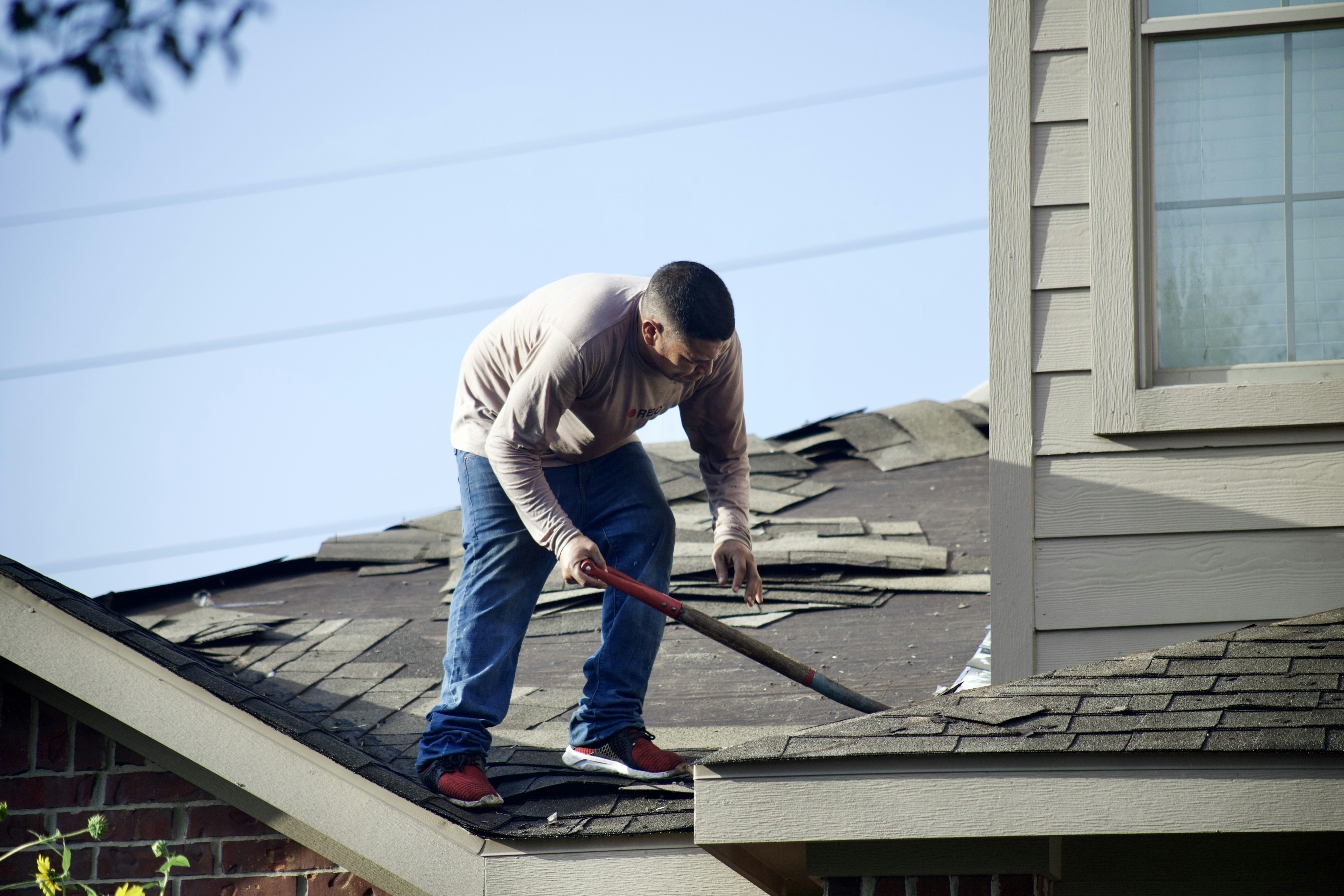
Severe Weather Lead Response for Roofing and Restoration Companies
Severe storms, watches, warnings, and live weather impacts were reported across the Philadelphia region, parts of Pennsylvania, New Jersey, Delaware, and the Susquehanna Valley on September 1, 2026. NBC10 Philadelphia and WGAL covered the developing conditions.
Those reports do not establish that roofing or restoration companies received more leads. But weather events can create a possibility of storm-damage inquiries, inspection requests, water-intrusion concerns, and estimate requests arriving while your team is already handling active work.
The response plan below is designed for that situation: acknowledge every inquiry, identify requests that need human attention first, avoid promising unavailable service, and keep non-urgent estimates from disappearing while crews are busy.
Table of contents
- Start with safety, not scheduling
- Build a storm-specific intake process
- Use simple triage categories
- Set realistic expectations about callbacks and inspections
- Route inquiries by geography and service fit
- Ask for documentation without turning intake into an inspection
- Storm inquiry message templates
- Keep delayed estimates in an active follow-up queue
- Where SecureMyLead fits
- Key takeaways
- FAQ
Start with safety, not scheduling
A storm-damage inquiry can involve more than a missing shingle or a future estimate. Before discussing availability, identify whether the caller is describing an immediate danger.
If someone reports a downed power line, gas leak, fire, carbon monoxide concern, a medical device losing power, or another immediate hazard, direct them to emergency services or the appropriate qualified professional. Do not use a text workflow to diagnose the situation, assess structural safety, or tell a customer it is safe to enter, climb on, or remain in a building.
Your first-response process should make one thing clear internally:
A lead-response system can collect information and acknowledge an inquiry. Human team members must make safety, service-priority, and capacity decisions.
That distinction matters during severe weather. A fast message is useful only when it routes the conversation toward the right person without creating false reassurance.
Build a storm-specific intake process
A normal “What service do you need?” form is often too vague after severe weather. Roofing and restoration teams need enough context to decide who should review the request and what to say next.
Use a short intake checklist that a receptionist, owner, estimator, or text workflow can follow.
Collect the essentials first
Ask for:
- Name and best callback number
- Property address or ZIP code
- Property type — residential, commercial, rental, or other
- What the customer noticed — visible roof damage, active water entry, fallen debris, interior water damage, or an inspection request
- When they noticed it — during the storm, immediately after, or later
- Whether the issue is active now — for example, whether water is currently entering the property
- Whether they have already contacted emergency services or another qualified professional for an immediate hazard
- Whether they are requesting an inspection, temporary protection, restoration work, or an estimate
Do not make the first interaction feel like an interrogation. The goal is not to conduct a remote inspection. It is to capture enough information for a human to prioritize and respond appropriately.
Add source and location tags
Storm inquiries often arrive through several channels at once: website forms, phone calls, Google Business Profile messages, referral texts, social media, or paid ads.
Tagging each lead by source and geography helps prevent a simple but expensive operational mistake: promising a callback from the wrong office, crew, or service area.
Useful tags might include:
storm-inquiryroofingrestorationactive-waterinspection-requestcounty-or-service-zoneafter-hoursneeds-human-review
A tag is not a diagnosis. It is a way to make sure the next person can see why the inquiry needs attention.
For a broader contractor intake and first-response workflow, see contractor web form auto responses.
Use simple triage categories
When incoming inquiries may increase, every lead does not need the same response path. A practical triage model keeps the team focused without pretending that software can determine damage severity.
Category 1: Immediate-hazard reports
Examples may include reports involving dangerous utilities, fire, carbon monoxide, or a person dependent on medical equipment that has lost power.
Response: Refer the customer to emergency services or the appropriate qualified professional first. Flag the inquiry for human review if your business may have a role after the immediate danger is addressed.
Do not promise arrival times, offer technical safety instructions, or attempt to resolve the hazard through text.
Category 2: Active property issue requiring prompt human review
This can include a customer reporting water entering the building, a sudden roof opening, or another issue that may need prompt review by your team.
Response: Acknowledge the inquiry, collect the essential details, and place it in a human-reviewed priority queue. Avoid telling the customer that a crew is on the way unless that has actually been confirmed.
Category 3: Storm-related inspection or estimate request
These are customers who noticed potential damage and want an inspection, documentation, or a quote.
Response: Confirm receipt, explain that the team is reviewing requests by location and availability, and collect the information needed to schedule or follow up.
Category 4: General or uncertain inquiry
Some customers may simply ask whether a recent storm “could have caused damage.”
Response: Treat this as an inspection lead, not an emergency. Capture the address, concern, and preferred contact method, then provide a realistic next step.
This structure is different from a generic overflow plan because it centers the type of storm concern, the presence of immediate hazards, and the information a roofing or restoration team needs before scheduling.
Set realistic expectations about callbacks and inspections
During severe weather, the fastest response is not always a full answer. A clear acknowledgment can be more useful than an overconfident promise.
Avoid messages such as:
- “We’ll be there today.”
- “Your roof is definitely damaged.”
- “We can get your insurance claim approved.”
- “This is an emergency.”
- “You’re first in line.”
Unless a team member has reviewed the request and confirmed availability, these statements can create problems for both the customer and your crew.
Instead, explain the next step:
- Your request has been received.
- A team member will review the location and issue described.
- The business will follow up with available inspection or service options.
- If the customer is reporting immediate danger, they should contact emergency services or an appropriate qualified professional.
If demand rises, publish or send a temporary expectation statement that your whole team can use:
We’re reviewing storm-related requests by location, issue type, and current availability. We’ll follow up with the next available option after a team member reviews your details.
This gives customers a clear expectation without guaranteeing a response time your operation may not be able to meet.
For additional examples of concise first-contact language, use these auto reply messages for contractors.
Route inquiries by geography and service fit
Storm activity can affect different areas unevenly. Do not treat reports from Philadelphia, South Central Pennsylvania, New Jersey, and Delaware as one single local demand pattern for every business. The September 1 reports covered multiple areas, and your actual service territory should determine who receives each inquiry.
Create a routing rule around three questions:
1. Is the property in our service area?
Check the address or ZIP code before scheduling. If the property is outside your normal service territory, use a polite, direct response rather than letting the request sit unanswered.
2. Is this a roofing, restoration, or referral situation?
A roofing company may receive an interior water-damage inquiry it cannot fully handle. A restoration company may receive a roof inspection request outside its scope. Decide ahead of time which requests your team handles, which need a partner referral, and which should simply receive a clear decline.
3. Who owns the next response?
Every storm lead should have a named human owner, even if the first acknowledgment is automated. The owner may be a dispatcher, office manager, estimator, or business owner. What matters is that the inquiry does not become “someone else’s problem.”
A lightweight lead status list can help:
| Status | Meaning | Next action |
|---|---|---|
| New storm inquiry | Details received but not reviewed | Assign a human owner |
| Safety referral | Immediate hazard reported | Confirm emergency guidance was given; review later if appropriate |
| Needs location review | Service area or crew coverage unclear | Verify address and fit |
| Awaiting photos/details | Customer agreed to send documentation | Send one reminder if needed |
| Estimate delayed | Request is qualified but no inspection slot is available yet | Send realistic update and follow-up |
| Scheduled | Inspection or next step confirmed | Send confirmation through your normal process |
| Not a fit | Outside territory or service scope | Send a clear closing response |
Ask for documentation without turning intake into an inspection
Photos and notes may help a qualified team member understand what the customer is reporting. But the request must stay safety-first.
Only request photos or documentation after the customer has indicated there is no immediate danger that requires emergency help. Do not pressure someone to collect photos immediately, and do not make a photo request a condition of receiving a callback.
A useful request can be simple:
If you already have photos you can safely share, reply here with them and include the property address. A team member will review the information with your inquiry.
Avoid interpreting images through an automated message. The message should not claim that photos confirm damage, determine urgency, or replace an on-site assessment.
You can also ask customers to have basic information ready for the callback:
- Address and access details
- When they first noticed the issue
- A short description of the affected area
- Any photos they already have
- Their preferred contact time
This reduces back-and-forth while preserving the boundary between intake and professional evaluation.
Storm inquiry message templates
Use these as starting points, then adjust them to your actual service area, hours, and available capacity.
Initial acknowledgment
Hi [First Name], this is [Business Name]. We received your storm-related roofing/restoration request for [Address]. A team member will review the details and follow up with available next steps. If you’re reporting an immediate danger, please contact emergency services or the appropriate qualified professional first.
Request for address and issue details
Thanks for reaching out to [Business Name]. To route your request, please reply with the property address and a short description of what you noticed, such as a roof concern, water entering the property, or a request for an inspection.
Safe documentation request
If you already have photos you can safely share, you may reply with them here along with the property address. Please don’t take any risks to get photos. A team member will review your request before discussing next steps.
Delayed inspection update
Hi [First Name], we have your storm-related inspection request for [Address]. Our team is reviewing requests by location and current availability. We don’t want to promise a time before we confirm the right next step, but we’ll update you as soon as we can.
Outside-service-area reply
Thanks for contacting [Business Name]. The property address you shared is outside our current service area, so we’re unable to schedule this request. We wanted to let you know promptly rather than leave your inquiry unanswered.
Estimate follow-up after a delay
Hi [First Name], this is [Business Name] checking in about your storm-related request for [Address]. Are you still looking for an inspection or estimate? If so, reply with the best time to reach you, and we’ll review the available options.
For more estimate-stage copy, see estimate follow-up text templates for contractors.
Keep delayed estimates in an active follow-up queue
The lead most likely to be forgotten is not always the one that never replied. It is often the qualified request that arrived when every estimator was occupied.
Create a separate queue for inquiries that cannot be handled immediately. That queue should include:
- Customer name and address
- Issue type
- Date and time received
- Assigned owner
- Last message sent
- Next promised update
- Current status
- Notes from any human conversation
Then set a measured follow-up rhythm.
A practical storm-delay sequence
First message: Confirm receipt and explain the review process.
After the team reviews capacity: Provide the next available option or explain that scheduling is still being reviewed.
One follow-up later: Ask whether the customer still needs an inspection or estimate if no appointment has been confirmed.
Final close-the-loop message: If there is no response, send a brief final check-in rather than repeatedly texting.
The tone should be helpful, not pressure-driven. A customer dealing with possible property damage may be contacting several companies, handling other priorities, or waiting for family members, landlords, or property managers.
If you need a broader framework for preventing quote requests from going cold, read how to follow up on quotes without losing the customer.
Where SecureMyLead fits
SecureMyLead can support the acknowledgment and follow-up portion of this workflow: sending an initial SMS when a new lead arrives, continuing a planned follow-up sequence, and keeping two-way conversations visible for your team.
It should not be treated as an emergency triage tool, damage assessor, dispatcher, or replacement for human capacity decisions. For storm inquiries, the most useful setup is a short first response that gathers essential details and clearly routes safety-sensitive situations to human review.
If your roofing business already has lead sources but needs more consistent first responses and estimate follow-up, learn more at SecureMyLead for roofers.
Key takeaways
- Severe weather reporting can make it sensible for roofing and restoration companies to prepare for possible storm-related inquiries, but it does not prove that every business will experience more leads.
- Safety comes before booking. Immediate hazards should be referred to emergency services or the appropriate qualified professional.
- Use storm-specific intake questions: location, property type, issue described, timing, and whether the problem is active.
- Separate immediate-hazard reports, active property concerns, inspection requests, and general questions into clear human-reviewed categories.
- Do not promise inspection times, crew arrival, damage findings, or insurance outcomes before a qualified person has reviewed the request.
- Route every inquiry by service area, service fit, and named human owner.
- Keep delayed estimates in a dedicated follow-up queue so qualified storm inquiries are not forgotten.
FAQ
Did the September 1, 2026 storms cause a roofing lead surge?
The cited reporting confirms severe storms, watches, warnings, and weather impacts in parts of Pennsylvania and surrounding areas on September 1, 2026. It does not document a measured increase in roofing, restoration, or insurance leads. Businesses can prepare for possible storm-related inquiries without assuming a surge will occur.
Should an automated text tell customers whether their roof damage is urgent?
No. An automated message can acknowledge the inquiry and collect basic details, but it should not diagnose damage severity or make safety decisions. Immediate hazards should be referred to emergency services or the appropriate qualified professional.
What should a roofer ask after a storm-damage inquiry?
Start with the property address, contact information, property type, what the customer noticed, when they noticed it, whether the issue is active now, and whether there is an immediate danger requiring emergency help. Keep questions brief enough that the customer can answer them easily.
Should a restoration company ask customers for photos?
Photos may be useful if the customer already has them and can share them safely. Do not pressure customers to collect photos, interpret them as a final assessment, or let a photo request delay appropriate emergency guidance.
How often should we follow up on a delayed storm inspection request?
Follow up when you have a real update, then use a measured check-in if an inspection has not been scheduled. The right timing depends on your actual capacity and what you told the customer. Consistency matters more than sending repeated messages without new information.
Related reading
- Contractor web form auto response: what to send the second a new lead hits your site
- Auto reply messages contractors can use for new leads
- Estimate follow-up text templates for contractors
- After-hours lead response: how to win jobs while you sleep
Ready to make storm-related inquiries easier to acknowledge and follow up on without losing human oversight? Get started free.