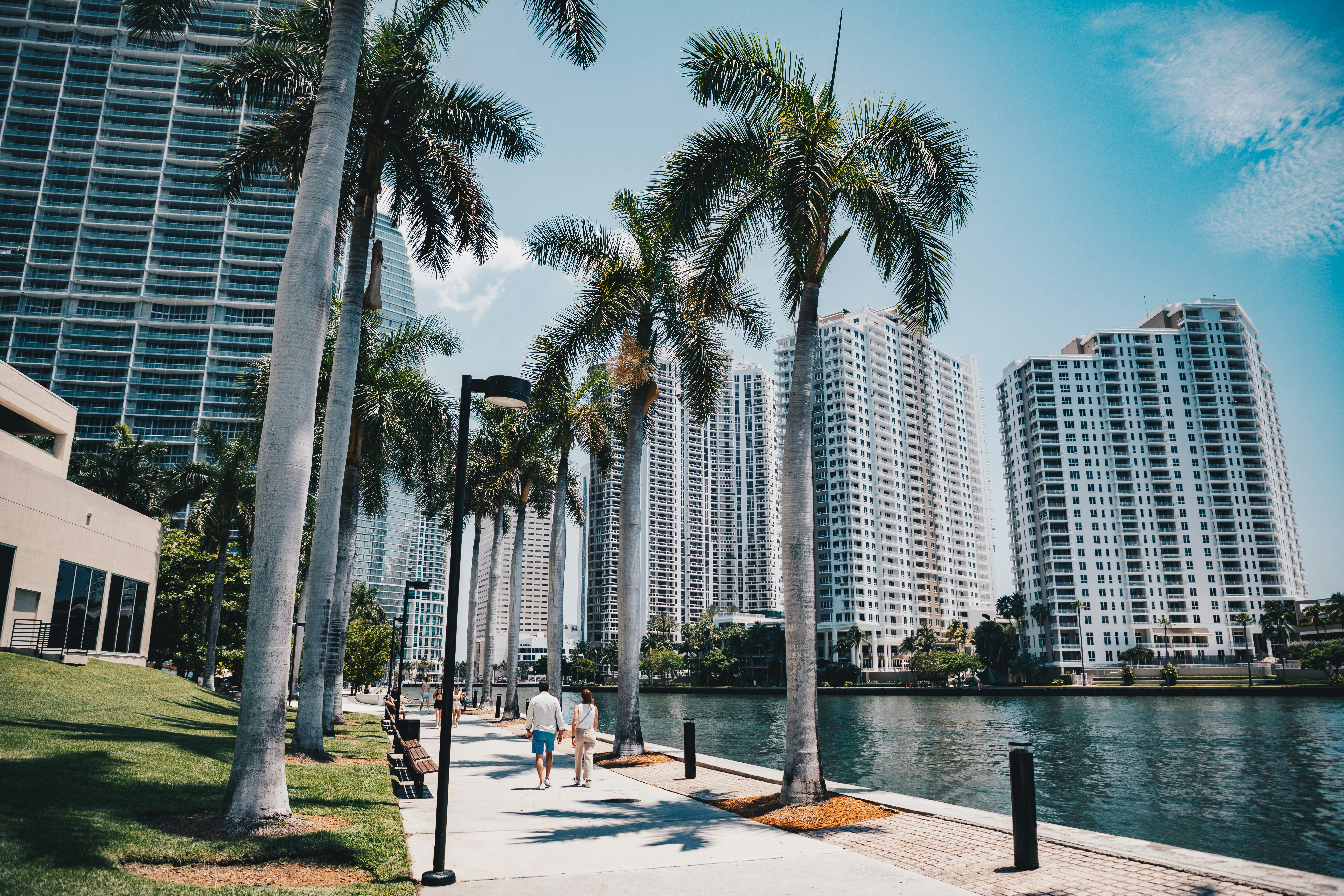
Miami Flooding Lead Response Checklist for Home-Service Businesses
Weather coverage in Miami and South Florida has raised concerns about worsening high tides and the possibility of additional flooding. Local businesses should monitor current conditions and prepare for the possibility that homeowners may submit more inspection, repair, cleanup, or quote inquiries.
That does not prove a flood-related lead surge has occurred. The cited reporting does not document increased calls, form submissions, bookings, or revenue for home-service businesses. This is a preparation checklist for restoration companies, roofers, plumbers, electricians, and contractors that want a clearer response process if inquiries rise.
Safety comes before lead response
Do not use a form, text workflow, or automated message to assess danger or make emergency decisions.
If an inquiry mentions a downed power line, a gas leak or odor, carbon monoxide, fire, or medical equipment losing power, direct the person to contact local authorities and qualified emergency professionals. A human on your team should review the situation; do not treat it as a routine estimate request.
For all other flood-related inquiries, focus on acknowledgment, information collection, realistic expectations, and a clear human handoff.
Table of contents
- Why Miami businesses should prepare now
- The flood inquiry response checklist
- What to collect before a human review
- Response workflows by service type
- After-hours acknowledgment templates
- How to follow up on inspection and quote requests
- Use automation for acknowledgment—not emergency triage
- FAQ
Why Miami businesses should prepare now
Recent coverage from Telemundo 51 and El Nuevo Herald discusses weather conditions and forecasts affecting Miami and South Florida, including worsening high tides and possible additional flooding.
For a local service business, the operational question is not, “How do we capitalize on flooding?” It is:
If worried homeowners contact us, can we respond without overpromising, missing important details, or allowing routine inquiries to sit unanswered?
Flood-related inquiries can be different from normal leads. A homeowner may not know whether they need cleanup, a roof inspection, plumbing help, electrical work, or a broader repair assessment. They may also contact several providers outside normal business hours.
A simple intake process helps your team separate:
- Immediate safety concerns that need local authorities or qualified emergency professionals
- Time-sensitive service inquiries that require prompt human review
- Routine inspection or estimate requests
- Requests outside your service area or scope
- Leads that need a later follow-up because the homeowner is still deciding
The flood inquiry response checklist
Use this as a reusable checklist whenever flooding, high tides, or severe-weather conditions may create additional homeowner questions.
1. Assign one person to monitor conditions and inbound channels
Before inquiries increase, decide who is responsible for checking:
- Your business phone and voicemail
- Website forms
- Google Business Profile messages, if used
- Facebook or other social inboxes, if used
- Existing customer replies
- Local authority updates and weather coverage
That person does not need to solve every issue personally. Their job is to make sure new inquiries are seen, categorized, and assigned to a human owner.
Avoid relying on an owner noticing messages between job sites. Flood-related inquiries may arrive at the same time as active jobs, and a loose “someone will get back to them” process can easily fail.
2. Publish accurate availability before demand changes
Review the information visible on your website, Google Business Profile, voicemail, and social profiles:
- Current business hours
- Service area
- Emergency or after-hours availability, if you truly offer it
- Services you do and do not provide
- The best number or form for new requests
Do not advertise “emergency service” unless your team can actually support that promise. It is better to set a realistic response expectation than to imply immediate dispatch when no crew is available.
3. Separate safety concerns from routine service requests
Build a basic internal decision tree. The goal is not to diagnose a property remotely. It is to make sure a human sees the right requests promptly.
| Inquiry type | What your team should do |
|---|---|
| Downed line, gas odor or leak, carbon monoxide, fire, medical equipment without power | Direct the person to local authorities and qualified emergency professionals. Do not attempt to triage through automated texts. |
| Active water intrusion, visible water damage, urgent loss-of-service concern | Flag for prompt human review according to your actual service availability. |
| Request for a future inspection or estimate | Acknowledge receipt, collect the minimum details, and offer the next realistic step. |
| Question outside your scope | State your limitation clearly and direct the homeowner to an appropriate qualified professional or local authority where relevant. |
| Existing customer asking for status | Route to the person who owns the job or customer communication. |
Keep the categories simple. A complicated intake system is less useful than a short process your team actually follows.
4. Send an acknowledgment without making promises
A quick acknowledgment can confirm that the homeowner reached the right business. It should not promise an arrival time, diagnose damage, confirm insurance coverage, or imply that a crew has been dispatched.
A good acknowledgment includes:
- Your business name
- Confirmation that the inquiry was received
- A realistic statement about when a team member will review it
- A request for a few useful details
- A clear instruction not to use the text thread for emergencies
5. Create a visible owner and next action for every inquiry
Every new request should have both:
- A human owner — the person responsible for the next review or reply
- A next action — call, schedule, request photos, send an estimate, or close as out of scope
Without these two fields, a lead can be acknowledged but still forgotten.
For example:
| Lead status | Human owner | Next action |
|---|---|---|
| New flood-related inspection request | Office coordinator | Call within stated business window |
| Existing customer with water-related concern | Project manager | Review job history and return call |
| Roofer inquiry with possible active leak | On-call estimator | Confirm service area and availability |
| Electrical concern after water exposure | Licensed electrician or office lead | Human review; do not provide remote safety advice |
| Out-of-area request | Office coordinator | Send courteous scope/service-area response |
6. Set capacity-based expectations
Do not tell every homeowner, “We can come today,” unless you know you can.
Instead, use language tied to your real capacity:
- “A team member will review your request and contact you during our stated hours.”
- “We are reviewing requests in the order received and will confirm availability before scheduling.”
- “Please send the address, preferred contact number, and a brief description so our team can determine the next step.”
This protects the customer experience and gives your staff room to review each request properly.
What to collect before a human review
The goal of initial intake is not a full inspection. It is collecting enough information for a qualified person on your team to decide what happens next.
Use a short form or message prompt that asks for:
- Name
- Property address or ZIP code
- Best callback number
- Type of service requested
- Brief description of the concern
- Whether the issue is active now or is an inspection request
- Photos, only if your business wants and can safely review them
- Preferred contact time
Avoid asking homeowners to make technical judgments. For example, “Describe what you can see” is more useful than asking someone to identify the cause of water damage.
Keep questions service-specific
A restoration company may need a different first set of details than a roofer or electrician. The intake should help route the request, not force every homeowner through the same long questionnaire.
Response workflows by service type
Restoration companies: separate cleanup inquiries from inspection requests
Potential flood-related restoration inquiries may range from a homeowner asking about visible water damage to someone wanting a later assessment after water recedes.
Your intake should clarify:
- Whether the homeowner is asking for cleanup, drying, inspection, or repair coordination
- The property location
- Whether they are an existing customer
- Whether a human reviewer needs to respond promptly based on your actual availability
Do not diagnose mold, structural conditions, contamination, or insurance coverage through an automated text. Acknowledge the request, collect basic information, and have a qualified professional review the next step.
Useful first response: “Hi [First Name], this is [Business Name]. We received your request about the property at [Address]. A team member will review the details and contact you about next steps. Please reply with a brief description of what you’re seeing and the best number to reach you. If there is an immediate safety concern, contact local authorities or qualified emergency professionals.”
Roofers: distinguish active leak concerns from future inspections
Roofing inquiries after heavy rain or high tides may involve a visible leak, suspected roof damage, or a homeowner seeking an inspection.
Your team should record:
- Address and service area
- Whether the customer reports an active issue or wants an inspection
- The preferred callback number
- Whether the property is residential or commercial, if that affects your process
Avoid promising emergency tarping, same-day inspections, or insurance assistance unless those services and availability are confirmed.
For broader roofing follow-up workflows, see automated lead follow-up systems for contractors.
Plumbers: avoid treating every water issue as the same problem
A homeowner may describe standing water, a backed-up drain, a suspected pipe issue, or a problem that is actually outside plumbing scope.
Your process should help a human identify:
- The property address
- Whether the customer is seeking plumbing service or general flood cleanup
- Whether the issue is active now
- Any immediate safety concern that requires local authorities or qualified professionals
Do not use a text sequence to diagnose plumbing conditions. The message should collect basic details and create a clear callback task.
For more on ongoing plumbing lead workflows, read automated lead follow-up for plumbers.
Electricians: route water-related electrical concerns to a human immediately
Electrical inquiries involving water require careful human review. Do not offer remote instructions, make safety determinations, or use automation to assess the situation.
Your initial response can:
- Confirm the inquiry was received
- Ask for a callback number and address
- State that a team member will review it
- Direct immediate danger reports to local authorities and qualified emergency professionals
For standard electrical lead response practices outside urgent conditions, see how electricians can respond to leads faster and book more jobs.
General contractors: prevent scope confusion early
General contractors may receive inquiries that span roofing, drywall, flooring, cleanup, exterior work, or larger repair projects.
Use your first human conversation to determine:
- What work the customer believes is needed
- Whether the request is within your scope
- Whether an inspection, estimate, or referral is appropriate
- Who will own the next conversation
A short, honest scope check prevents your team from collecting a lead that cannot be served while leaving a qualified inquiry unanswered.
After-hours acknowledgment templates
These templates are for non-emergency service inquiries only. Use them only where you have the appropriate consent to text the person. Include your business identity, honor opt-out requests, and do not continue messaging someone who has opted out.
General after-hours flood inquiry acknowledgment
Hi [First Name], this is [Business Name]. We received your message about [Address]. Our team will review your request during [business hours/next review window] and follow up with next steps. Please reply with a brief description of the service you need and the best number to reach you. For immediate safety concerns, contact local authorities or qualified emergency professionals. Reply STOP to opt out.
Inspection request acknowledgment
Hi [First Name], thanks for contacting [Business Name] about an inspection at [Address]. We received your request and will contact you during [time window] to discuss availability. If helpful, reply with a brief description of the concern and your preferred callback time. Reply STOP to opt out.
Capacity-aware response during a busy period
Hi [First Name], [Business Name] received your request. We are reviewing new inquiries as quickly as possible and will confirm our availability before scheduling. Please reply with the property address, the service you need, and the best callback number. Reply STOP to opt out.
These messages acknowledge the customer without claiming a crew is en route, promising a specific appointment, or attempting to assess the condition remotely.
How to follow up on inspection and quote requests
Flood-related inquiries may not turn into immediate jobs. Some homeowners may be gathering information, waiting for conditions to change, or comparing providers. That makes a consistent but respectful follow-up process useful.
Follow-up 1: confirm the next step
Send this after your team has reviewed the request but has not yet connected with the homeowner.
Hi [First Name], this is [Business Name] following up on your request for [service] at [Address]. We’d be glad to discuss the next available step. What is the best time for a quick call?
Follow-up 2: make the decision easy
Use this if the homeowner requested an estimate or inspection but has not scheduled.
Hi [First Name], just checking in on your request with [Business Name]. If you still need an inspection or estimate, reply with a good callback time and we’ll confirm availability.
Follow-up 3: close the loop respectfully
Hi [First Name], we have not been able to reach you about your [service] request. If you still need help, reply here and our team can review the next step. If your plans changed, no problem. Reply STOP to opt out.
Do not keep sending messages indefinitely. The right cadence depends on the homeowner’s consent, the nature of the request, and your team’s actual ability to serve it. For more quote-specific messaging, see estimate follow-up text templates for contractors.
Use automation for acknowledgment—not emergency triage
A flood-preparedness workflow still needs humans. Automation can support the first part of the process by acknowledging a new non-emergency inquiry and collecting basic details when the office is closed or the team is busy.
SecureMyLead can serve as the follow-up layer for that work: it can send an initial SMS response when a lead arrives and help businesses maintain a consistent follow-up sequence for inspection and quote requests.
It should not be used to determine whether a situation is dangerous, dispatch crews, diagnose property conditions, or replace a qualified person’s judgment. Review replies, assign ownership, and make availability decisions with a human on your team.
Get started free to build a more consistent response workflow for the leads you are able to serve.
Key takeaways
- Miami and South Florida weather reporting has highlighted worsening high tides and possible additional flooding, but it does not prove a service-business lead surge has occurred.
- Prepare for possible inquiry increases by assigning ownership, monitoring inbound channels, and setting realistic availability expectations.
- Separate immediate safety concerns from routine inspection and estimate requests without attempting remote triage.
- Ask for only the information a human needs to review the request and decide the next step.
- Use concise after-hours acknowledgments for non-emergency inquiries, with consent and opt-out handling in mind.
- Use automation to make acknowledgment and follow-up more consistent—not as a replacement for emergency response, dispatch, or professional judgment.
FAQ
Has flooding in Miami created a documented lead surge for home-service businesses?
Not based on the cited sources. They report weather conditions and forecasts affecting Miami and South Florida, including worsening high tides and possible flooding, but they do not document increased service-business leads, calls, quote requests, or bookings.
What should a contractor say when a flood-related inquiry arrives after hours?
Acknowledge that the request was received, identify your business, state when a human will review it, ask for basic property and contact details, and avoid promising immediate service unless that availability is confirmed. Do not use an automated message to assess danger.
Should restoration companies automate flood emergency responses?
Automation can acknowledge a non-emergency service inquiry and gather basic details. It should not assess emergencies, determine the safety of a property, dispatch crews, or replace a qualified person’s judgment.
What information should a flood-related lead form collect?
Collect the homeowner’s name, property address or ZIP code, callback number, service requested, brief description, timing of the concern, and preferred contact time. Keep the form short enough that a worried homeowner can complete it.
Can businesses text people who submit flood-related inquiries?
Businesses should ensure they have the appropriate consent before sending SMS messages and should honor opt-out requests. Texts should identify the business and provide a clear way to opt out, such as replying STOP.
Sources
- Telemundo 51: Pronóstico del tiempo para Miami y el Sur de Florida
- El Nuevo Herald: South Florida flooding and high-tide coverage