How LA-Area Businesses Can Prepare for the LA28 Olympic Demand Wave
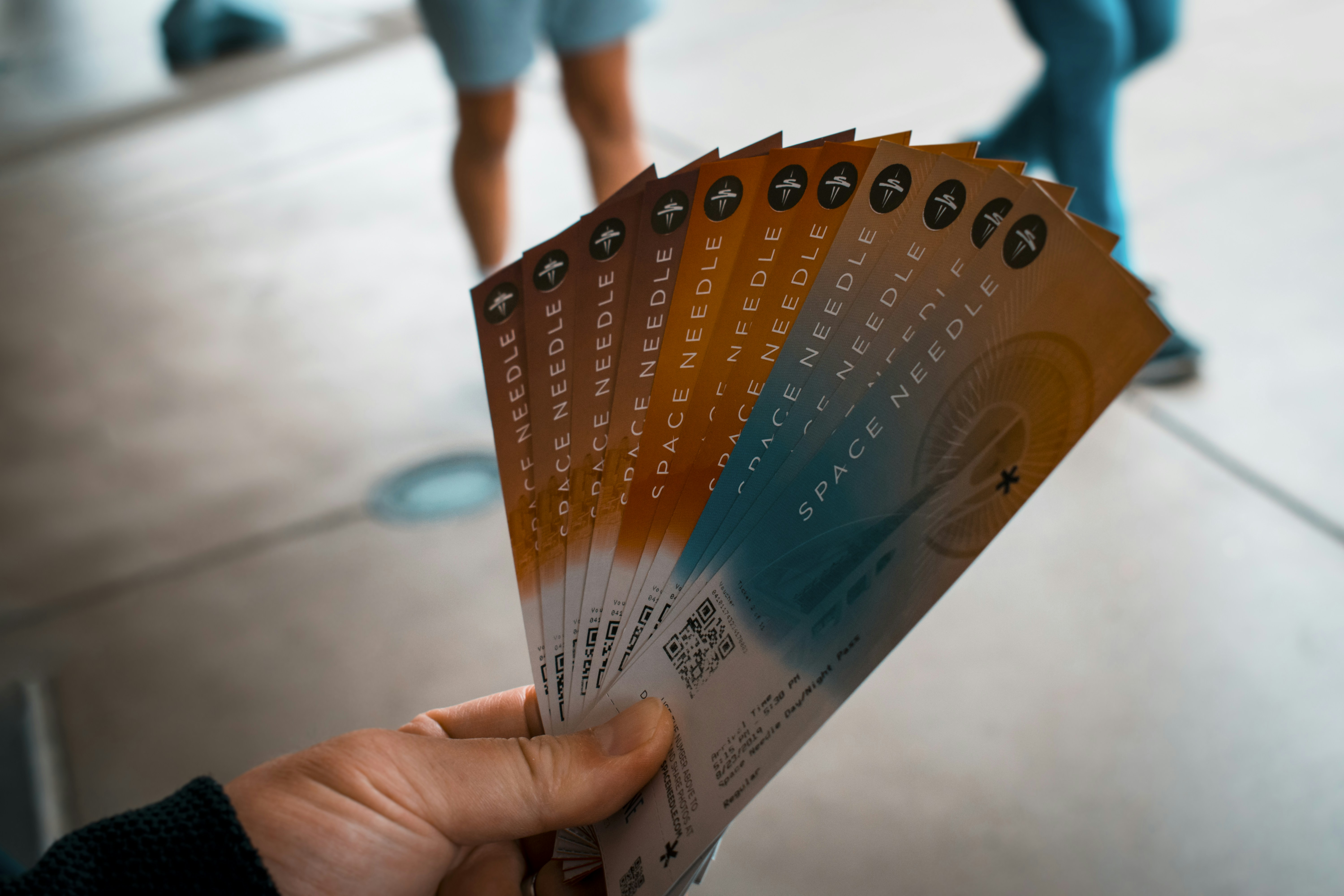
The second drop of LA28 Olympic tickets just hit, and the scramble is real. Locals are trading survival guides on how to navigate the queue, sharing tips on getting a time slot, and refreshing browsers with the kind of intensity usually reserved for a playoff game.
For Los Angeles business owners, this ticket frenzy isn’t just a spectator sport. It’s a preview.
The 2028 Summer Olympics will bring a temporary population boom, a crush of visitors, and a massive, concentrated spike in demand for local services. The businesses that handle the surge smoothly won’t be the ones who scramble at the last minute. They’ll be the ones who started building their operational infrastructure years in advance.
This article is that early-stage preparation guide. It’s not about how to buy tickets. It’s about how to make sure your business doesn’t fumble the demand that’s already on its way.
Why the Ticket Rush Is a Business Wake-Up Call
The current ticket-buying experience is a concentrated version of what the 2028 games will do to Los Angeles at scale: a huge number of people all trying to access a limited resource at the same time.
Right now, that resource is seats. In 2028, for many local service businesses, that resource will be appointment slots, estimate availability, and crew capacity.
The second ticket drop has generated a wave of local media coverage, with outlets like Time Out LA publishing tips from locals who survived the first sale. The advice ranges from “don’t use multiple browsers” to “be ready to accept whatever time slot you get.”
The underlying lesson is the same one that applies to your business: when demand spikes, systems that work fine under normal load can buckle. The time to reinforce them is before the wave hits, not during it.
What a Citywide Demand Surge Looks Like for Local Businesses
The Olympics won’t just fill stadiums. They’ll fill hotels, restaurants, rental properties, and every type of service infrastructure that supports a temporary city within a city.
For home-service and commercial-service businesses, this can create a sudden, simultaneous increase in:
- Emergency repair calls from venues, rentals, and hospitality businesses that can’t afford downtime.
- Preventive maintenance requests from property managers getting buildings ready for guests.
- Quote and estimate inquiries from homeowners planning renovations before the world arrives.
- After-hours and weekend demand as visitors and event staff encounter problems outside normal business hours.
None of this is guaranteed. No one can predict the exact volume increase for a specific HVAC company or plumbing service. But the scale of the event makes it reasonable to expect that many LA-area businesses will see a meaningful, temporary spike in inbound inquiries.
The question isn’t whether the Olympics will create demand. It’s whether your current lead-handling process can absorb it without breaking.
The Operational Risk: More Leads, Same Response System
Most small and midsize service businesses operate with a lead-response workflow that works fine under normal conditions. The owner or a small team handles calls, texts, and form submissions as they come in. During a slow week, that’s manageable. During a citywide demand surge, it’s a liability.
Here’s what tends to happen when inquiry volume spikes without preparation:
- Response times stretch. A lead that would normally get a reply in 10 minutes now waits two hours because the team is overwhelmed.
- Follow-up becomes inconsistent. The team prioritizes the loudest, most urgent requests, and quieter but still valuable leads fall through the cracks.
- After-hours inquiries go dark. A surge doesn’t clock out at 5 p.m. If no one is monitoring leads overnight, a significant portion of the spike may be lost before the next business day.
- Manual tracking breaks. Spreadsheets, memory, and sticky notes don’t scale. When volume doubles or triples, the system collapses into missed callbacks and forgotten quotes.
The 2028 Olympics represent an extreme version of this risk, but the pattern is the same one that plays out during any seasonal peak, storm, or local event. The difference is the scale and the predictability.
How to Prepare Your Lead-Handling Infrastructure Now
You don’t need to overhaul your entire business today. What you need is to start building the operational layer that will keep leads from slipping away when volume spikes.
Here’s a practical, early-stage preparation checklist for LA-area service businesses.
1. Audit Your Current Lead-Response Baseline
Before you can prepare for a surge, you need to know how your system performs under normal conditions.
For one week, track:
- How long it takes, on average, for a new lead to receive a first response.
- What percentage of leads receive any follow-up after the initial contact.
- How many leads come in outside business hours and when they get a response.
- Where leads originate (web forms, phone calls, social media, third-party platforms).
You don’t need perfect data. You need a realistic picture of where the gaps are. If your average first-response time is already measured in hours, a surge will turn hours into days. That’s the problem to solve first.
2. Build an Instant Acknowledgment Layer
The single highest-leverage preparation step is making sure every lead receives an immediate acknowledgment, regardless of when it arrives or how busy the team is.
An automated first response doesn’t replace a human conversation. It buys time for one. It tells the prospect, “We got your inquiry, and someone will follow up soon.” That acknowledgment can be the difference between a lead who waits and a lead who calls your competitor.
For service businesses, this acknowledgment layer is especially important during a surge because it:
- Sets expectations immediately.
- Reduces the pressure on the team to respond instantly to every notification.
- Keeps leads warm while the team works through the queue.
3. Design a Follow-Up Sequence That Runs Without You
During a demand spike, manual follow-up is the first thing to break. The team is busy handling active jobs and urgent calls. Following up on a quote from three days ago falls off the priority list.
A pre-built follow-up sequence solves this. It’s a series of messages that go out automatically at set intervals after the first contact—for example, a check-in after one day, a reminder after three days, and a final nudge after a week.
The key is to build this sequence now, when you have the bandwidth to think through the messaging and timing. During the surge, you won’t have time to design it. You’ll just need it to run.
4. Prepare for After-Hours and Weekend Volume
The Olympics won’t respect your business hours. Events run late. Visitors arrive at all hours. Problems happen on weekends.
If your current system goes silent at 5 p.m. Friday and doesn’t wake up until Monday morning, a significant portion of your surge leads may never hear from you.
An automated after-hours response that acknowledges the inquiry and sets expectations for when the team will follow up is a simple, high-impact preparation step. It doesn’t require 24/7 staffing. It requires a system that keeps the conversation warm until a human is available.
5. Centralize Your Lead Sources
During normal operations, it’s common for leads to arrive through several different channels: a contact form on the website, a phone call, a Facebook message, a Google Business Profile inquiry, a third-party lead service.
When volume spikes, monitoring all of those channels manually becomes impossible. Leads get missed because someone forgot to check the Facebook inbox or didn’t see the email notification.
Centralizing lead intake—so that inquiries from multiple sources flow into one place where they can be acknowledged and tracked—reduces the risk of losing leads to channel fragmentation.
6. Stress-Test Your System Before 2028
You don’t have to wait for the Olympics to find out whether your lead-handling system can handle a surge. Seasonal peaks, local events, and even a well-run promotion can serve as lower-stakes stress tests.
The next time your business sees a temporary increase in inquiries, pay attention to what breaks. Did response times slip? Did follow-up consistency drop? Did after-hours leads go unanswered? Each of those failure points is a signal about what needs to be reinforced before the real wave arrives.
The Follow-Up Layer That Makes the Difference
All of this preparation points toward one operational truth: during a demand surge, the businesses that capture the most value aren’t necessarily the ones with the biggest ad budgets or the most crews. They’re the ones with the most reliable follow-up.
A lead that receives a fast, consistent response is more likely to convert than one that sits unanswered. That’s true during a normal week, and it’s amplified during a surge when prospects are contacting multiple businesses and making quick decisions.
Building an automated follow-up layer now—one that acknowledges leads instantly, runs follow-up sequences without manual effort, and keeps after-hours inquiries warm—is one of the highest-ROI preparation steps a local business can take ahead of 2028.
SecureMyLead is built for exactly this operational layer. It automatically texts new leads within seconds of capture and runs personalized SMS follow-up sequences so that no inquiry sits unanswered, even when your team is overwhelmed. You can set it up once and let it run, which is the kind of system you want in place long before the Olympic torch arrives in Los Angeles.
Key Takeaways
- The current LA28 ticket rush is a preview of the demand surge coming to Los Angeles in 2028.
- A citywide event of this scale can create a sudden, simultaneous spike in service inquiries for local businesses.
- The biggest operational risk is that existing manual lead-handling systems will break under increased volume.
- Preparing now means auditing your current response baseline, building an instant acknowledgment layer, designing automated follow-up sequences, and centralizing lead sources.
- An automated follow-up system is one of the highest-leverage preparations a local business can make ahead of a predictable demand surge.
Frequently Asked Questions
Is the 2028 Olympics guaranteed to increase demand for my specific business?
No one can guarantee a specific outcome for an individual business. However, the scale of the event—millions of additional visitors, a massive temporary hospitality infrastructure, and concentrated activity across the Los Angeles area—makes it reasonable to expect that many local service businesses will see a meaningful increase in inquiries. Preparing your lead-handling systems now ensures you’re ready if that surge materializes.
How soon should I start preparing my business for the Olympic demand?
Now. The operational improvements that prepare you for a 2028 surge—faster response times, automated follow-up, centralized lead intake—also make your business more effective today. There’s no downside to building this infrastructure early.
What’s the most important preparation step for a small service business?
Building an instant acknowledgment layer. Making sure every lead receives an immediate response, regardless of when it arrives or how busy your team is, is the single highest-impact change you can make. It keeps leads warm and buys time for your team to follow up properly.
Do I need to hire more staff to handle the Olympic surge?
Not necessarily. Automation can handle the acknowledgment and follow-up sequencing that would otherwise require additional staff. The goal is to make your existing team more effective by ensuring no lead is lost to slow or inconsistent follow-up.
Related Reading
- How to Build a Lead Follow-Up System That Runs Automatically
- After-Hours Lead Response: How to Win Jobs While You Sleep
- How Busy Business Owners Can Follow Up with Every Lead (Without Extra Work)
Get your lead-handling infrastructure ready long before the Olympic torch arrives. Get started free with SecureMyLead and build the follow-up layer that won’t break under pressure.