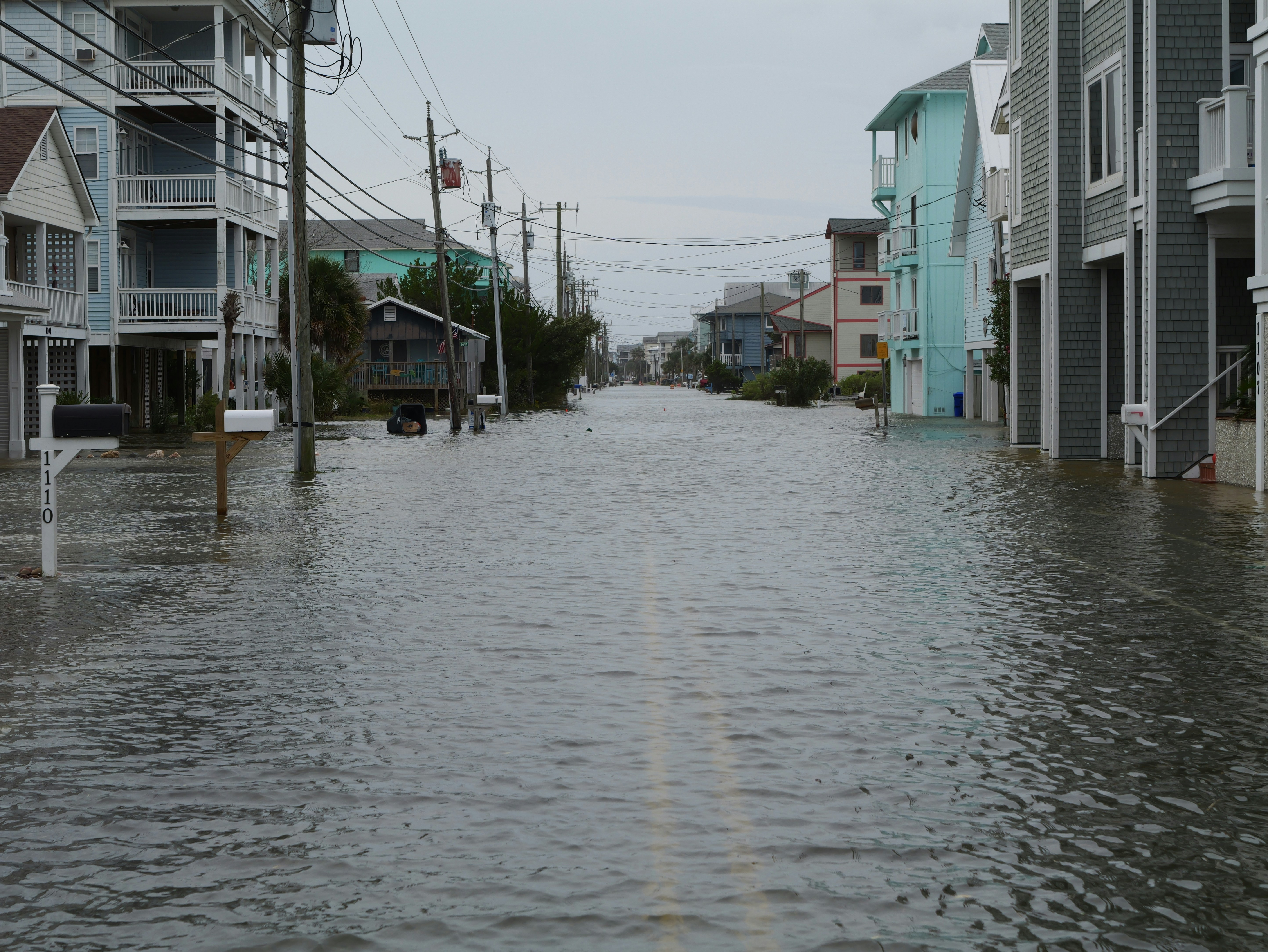
King Tide and Coastal Flooding Lead Response Playbook for Local Contractors
Coastal contractors may need a clearer lead-response plan when high tides, standing water, erosion concerns, or flood-related property questions arise.
The immediate priority is always safety. If a caller reports imminent danger, a medical emergency, fire, a gas leak, downed power lines, or another life-threatening situation, direct them to emergency services and applicable local public-safety, utility, or emergency-management guidance. Do not use an automated text workflow to assess structural danger, diagnose a hazard, or promise emergency dispatch.
There is a timely reason for coastal businesses to prepare. NPR reported that a Kelvin wave raised sea levels along the West Coast and that additional Kelvin waves are expected. Separately, CBS San Francisco reported that conditions may align for the San Francisco Bay Area’s highest King Tides in 18 years. These reports establish elevated coastal-water and tidal-risk context; they do not document a measured increase in contractor calls, leads, bookings, or revenue.
Still, if inquiries rise, roofers, plumbers, restoration companies, waterproofing specialists, landscapers, and general contractors need a way to acknowledge people quickly without overpromising capacity or treating every request as the same type of job.
Table of contents
- First: separate safety situations from service inquiries
- A King Tide lead-response workflow
- What to ask before assigning a lead
- SMS templates for coastal flooding inquiries
- How to follow up after the water recedes
- Where automation fits—and where it does not
- Key takeaways
- FAQ
First: separate safety situations from service inquiries
A homeowner who wants an inspection is not the same as someone reporting an active dangerous condition. Your inbox, phone workflow, and text messages should reflect that difference.
Route potential emergencies out of the sales workflow
Make your team’s first rule simple:
When someone describes imminent danger or a life-safety issue, direct them to emergency services and relevant local authorities—not an estimate queue.
Examples that should trigger immediate escalation rather than normal lead handling include reports involving:
- Downed power lines
- A gas leak
- Fire
- Carbon monoxide concerns
- Medical equipment losing power
- An immediate threat to life or safety
Follow local emergency-management, utility, and public-safety guidance for your service area. An automated response can acknowledge a message, but it cannot determine whether a building is safe, identify a utility hazard, or dispatch a crew.
Create practical non-emergency lead categories
For ordinary service inquiries, use categories that match the work you can actually evaluate and schedule. For example:
| Inquiry type | Typical first action | Owner |
|---|---|---|
| Active interior water intrusion | Collect location and basic details; have a qualified team member review promptly | Restoration, roofing, plumbing, or GC lead |
| Standing water or drainage concern | Confirm property location, access conditions, and requested service | Landscaping, drainage, waterproofing, or GC lead |
| Roof, siding, or exterior concern | Request photos only if safe to take; offer an inspection window if available | Roofing or exterior-services lead |
| Crawlspace, basement, or moisture concern | Gather location and scope; explain that evaluation availability depends on conditions | Waterproofing or restoration lead |
| Post-tide inspection request | Capture contact details, address, concern, and preferred appointment times | Estimating or office team |
| Estimate or repair request | Confirm service fit and place in the appropriate follow-up queue | Sales or estimating team |
Do not ask customers to take photos, enter flooded spaces, climb onto roofs, or inspect unsafe areas simply to qualify a lead.
A King Tide lead-response workflow
A good coastal-event workflow is less about sending more messages and more about making the next step clear.
1. Prepare before the highest-tide window
Before a predicted King Tide period or other elevated coastal-water conditions, decide:
- Which ZIP codes or neighborhoods you can serve safely
- Which services you are accepting right now
- Which job types require same-day human review
- Whether inspections are available, delayed, or temporarily paused
- Who owns after-hours messages
- What language your team will use when capacity is limited
- Which local emergency and utility resources your team should reference when a safety situation is reported
The goal is not to predict a lead surge. It is to avoid scrambling if more people contact you than usual.
A short intake form can help your office collect the right basics from web leads:
- Property address
- Best callback number
- Type of concern
- Whether water is currently entering the property
- Whether the customer can safely access the affected area
- Photos, if they can be taken safely
- Preferred callback time
For broader contractor workflow setup, see automated lead follow-up systems for contractors.
2. Acknowledge after-hours inquiries without promising service
A quick acknowledgment can reassure someone that their request was received. But be precise: received is not the same as assessed, scheduled, or dispatched.
Your first message should:
- Identify your business
- Confirm receipt of the inquiry
- State when a team member expects to review it, if you can say so accurately
- Set a safe next step
- Avoid promises about arrival times or emergency response
This is especially important when crews are in the field, roads are affected, or site access is uncertain.
3. Route by location, trade, and urgency
During an unusual coastal-water event, a general “new lead” bucket is usually too broad. Route leads using three details:
Location: Is the property in your service area, and can your team reasonably reach it when the job is reviewed?
Service type: Does the request belong to roofing, restoration, plumbing, waterproofing, drainage, landscaping, or general contracting?
Operational urgency: Does it need prompt human review, an inspection appointment, or ordinary estimate follow-up?
This creates a cleaner handoff than sorting messages by who called loudest or most recently.
4. Set realistic expectations when capacity is tight
If your team cannot offer immediate inspections, say that plainly. A vague “we’ll get back to you soon” can create frustration when conditions are changing quickly.
Use specific, honest language such as:
- “We received your request and are reviewing inspection availability.”
- “Our field team is currently handling scheduled work. We’ll update you after reviewing your location and service needs.”
- “We can add your request to the next available inspection queue.”
- “Access and weather conditions may affect scheduling.”
Avoid language that implies a crew is on the way unless that has actually been confirmed.
What to ask before assigning a lead
A simple intake process keeps crews from calling a homeowner only to discover the job is outside the service area, wrong for the trade, or impossible to assess safely.
Questions for an active water-related inquiry
Keep the initial questions short:
- What is the property address?
- Is water currently entering the building, or are you requesting an inspection after the tide?
- Which area is affected: roof, basement, crawlspace, plumbing, yard, driveway, exterior wall, or another location?
- Is it safe to discuss or photograph the area from where you are?
- What is the best phone number and time to call?
- Have you contacted emergency services, a utility, or local authorities if there is an immediate safety concern?
The final question is not a substitute for emergency guidance. It is a way to make sure the customer has not mistaken your business for emergency response.
Questions for a post-event inspection request
Once water levels have receded or the customer is seeking a non-emergency evaluation, collect:
- Property address and property type
- Service requested
- Visible concern or suspected issue
- When the issue was first noticed
- Whether the issue is ongoing
- Safe photos, if available
- Preferred inspection times
- Any access limitations
This information helps your team schedule the right person rather than sending a general estimator to a trade-specific problem.
SMS templates for coastal flooding inquiries
Use these as starting points. Replace bracketed details, and only send business texts where you have appropriate permission to do so.
1. New flood- or tide-related inquiry acknowledgment
Hi [First Name], this is [Business Name]. We received your request about [brief issue] at [Property Address]. A team member will review the details and contact you about next steps and availability. If there is immediate danger or a life-safety emergency, please contact emergency services and follow local public-safety guidance.
2. Inspection request
Hi [First Name], thanks for contacting [Business Name] about an inspection at [Property Address]. We’re reviewing availability for your area. If it is safe to do so, you can reply with a brief description of the concern and any photos you already have. Please do not enter unsafe areas or take risks to get photos.
3. Delayed callback when crews are busy
Hi [First Name], this is [Business Name]. We received your message and apologize for the delay. Our team is currently in the field, and we’re reviewing requests by location and service type. We’ll follow up with available next steps as soon as we can.
4. Request for missing details
Hi [First Name], to route your request to the right team, could you reply with the property address and whether you need help with roofing, water intrusion, drainage, plumbing, waterproofing, or another issue? If there’s an immediate safety emergency, please contact emergency services.
5. No immediate appointment available
Hi [First Name], thanks for the details. We don’t want to promise an inspection time before we confirm crew availability and site conditions. We can keep your request in our next-available queue and update you when an appointment opens. Does that work for you?
6. Post-event follow-up
Hi [First Name], this is [Business Name] following up on your request for [service]. If you still need an inspection or estimate now that conditions have changed, reply YES and we’ll review the next available appointment options.
For more general first-response options, use these contractor auto-reply messages. For estimate-specific follow-up, see estimate follow-up text templates for contractors.
How to follow up after the water recedes
Not every property owner will be ready to schedule during the highest-tide period. Some will be monitoring their property, working through access issues, or waiting to see whether a concern persists.
That is why post-event follow-up matters.
Use a short, respectful sequence
A practical sequence might look like this:
- Initial acknowledgment: Confirm receipt and explain the next step.
- Human review or scheduling update: Tell the customer whether you can inspect, need more details, or have limited availability.
- Post-event check-in: Ask whether the issue remains and whether they want an inspection or estimate.
- Final close-the-loop message: Let them know how to recontact you if they still need help.
Do not keep sending messages that imply urgency after the situation has changed. A customer who asked about standing water may now need drainage work, or may no longer need service at all.
Keep your notes useful for the next conversation
Tag or record the reason for contact, such as:
- King Tide inspection
- Coastal water intrusion
- Drainage concern
- Roof leak concern
- Post-flood restoration request
- Deferred estimate
- Outside service area
- Referred to emergency services
A clear record prevents duplicate outreach and helps the person who calls back understand the original concern.
If the prospect goes quiet after an estimate or inspection discussion, use a measured follow-up approach rather than repeatedly asking, “Are you ready?” Our guide to following up on quotes without losing the customer can help with that next stage.
Where automation fits—and where it does not
Automation can support the administrative part of this workflow: acknowledging a new inquiry, collecting basic details, and making sure a non-emergency request does not sit untouched after hours.
SecureMyLead can automatically send an initial SMS when a new lead is captured and continue configured follow-up sequences. That can help a busy coastal contractor keep ordinary inspection and estimate inquiries from being forgotten while crews are working.
But automation does not:
- Determine whether a structure is safe
- Diagnose flood, electrical, gas, fire, or utility hazards
- Replace local emergency-management guidance
- Dispatch emergency crews
- Confirm site access
- Know your real-time crew capacity unless a person manages that process
- Replace a qualified human review of urgent requests
For a high-risk event workflow, the right model is simple: automation acknowledges and organizes; people make the safety, scheduling, and service decisions.
Get started free to build a more consistent lead-follow-up layer for incoming service inquiries.
Key takeaways
- Reports of elevated coastal-water conditions are a reason to prepare, not proof that contractor lead volume will increase.
- Keep immediate safety situations out of your normal sales and estimate workflow.
- Route non-emergency inquiries by location, service type, and operational urgency.
- Acknowledge after-hours requests quickly, but never promise emergency response or inspection availability you cannot confirm.
- Ask only for safe, useful intake details—never encourage customers to enter hazardous areas or take risks for photos.
- Follow up after the water recedes, when customers may be more ready to schedule inspections or estimates.
- Use automation to support acknowledgment and consistent follow-up, not to replace human judgment.
FAQ
Are King Tides and Kelvin waves the same thing?
No. A Kelvin wave and a King Tide are different coastal and ocean conditions. NPR reported that a Kelvin wave raised sea levels along the West Coast and that more waves are expected. CBS San Francisco separately reported conditions that may bring the San Francisco Bay Area its highest King Tides in 18 years. Contractors should avoid treating the terms as interchangeable when communicating with customers.
Will King Tides create more contractor leads?
They may create more property-related inquiries for some coastal businesses, but the available reporting does not document a measured surge in contractor leads, calls, bookings, or revenue. The practical move is to prepare a response workflow in case inquiries rise.
What should a contractor send after hours during a coastal flooding concern?
Send a brief acknowledgment, identify your business, confirm that the request was received, and explain that a team member will review it. Include a clear direction to contact emergency services for immediate danger or life-safety emergencies. Do not imply that your company is providing emergency dispatch or structural safety advice.
Should we ask homeowners for photos of flood damage?
Only if it is safe for them to provide photos without entering hazardous areas, climbing, or exposing themselves to unsafe conditions. Photos are helpful for initial routing, but they are not worth a safety risk.
How long should we keep following up on a post-tide inspection request?
Continue only while the request remains relevant and your messages offer a useful next step, such as an inspection opening, estimate follow-up, or a check-in after conditions change. If the person does not respond, avoid excessive messaging and leave a clear path for them to reconnect later.
Sources
- NPR: Kelvin wave raises sea levels along the West Coast
- CBS San Francisco: Bay Area may experience highest King Tides in 18 years