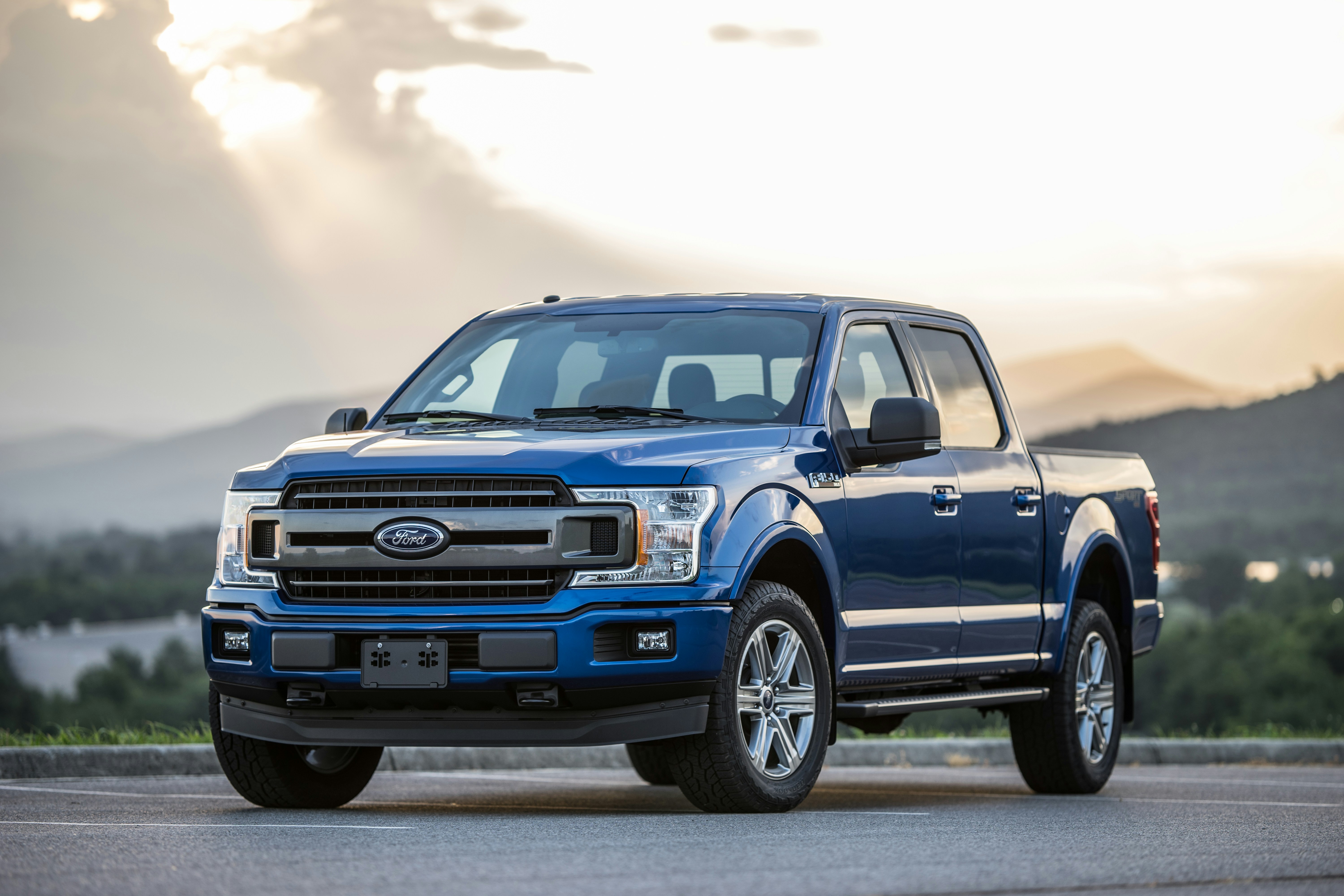
Ford Fuel Tank Recall: A Lead-Response Workflow for Auto Repair Shops
Ford plans to recall about 223,500 vehicles in the United States over fuel-tank issues, according to Reuters. USA Today has also reported on the affected models and recall details.
For vehicle owners, the right source for recall eligibility, safety information, and remedy details is Ford and applicable government recall resources. An automated reply, independent repair shop, or blog post cannot determine whether a specific vehicle is affected, diagnose a fuel-system issue, or replace manufacturer guidance.
For auto repair shops, a recall of this size may create more questions from drivers who are unsure where to go next. Some people may simply need official recall information. Others may ask about a separate maintenance concern, a warning light, a drivability problem, or an inspection appointment.
The key is to respond promptly without implying that your shop can perform the recall repair, verify eligibility, or assess vehicle safety by text.
Table of contents
- Start with a safe first response
- Sort recall questions from service requests
- Build a recall-inquiry intake workflow
- SMS templates for Ford recall inquiries
- Follow up without turning a recall into a sales pitch
- Set up ownership and routing before inquiries rise
- How SecureMyLead fits into the workflow
- FAQ
Start with a safe first response
A recall-related message may sound urgent:
- “Is my Ford part of the fuel tank recall?”
- “Can you fix this recall?”
- “My vehicle has a fuel issue. Is it related?”
- “Can I bring it in today?”
- “Do I need to stop driving it?”
Do not attempt to answer safety, eligibility, repair, or driving questions through an automated text. Those answers require official manufacturer guidance and, when appropriate, qualified professional evaluation.
Instead, acknowledge the message, identify your business, and direct the owner to Ford and applicable government recall resources for official recall information. Then ask whether they also need help with a separate non-recall service request.
A good first reply has four jobs:
- Confirms that the inquiry was received.
- Avoids a diagnosis or recall determination.
- Directs the owner to the right official source.
- Creates a clear path for legitimate shop-service questions.
That distinction protects the customer experience and prevents your team from making promises it cannot support.
Sort recall questions from service requests
Not every recall inquiry is a service lead, and it should not be treated as one automatically.
Use a simple intake structure that separates the inquiry into one of three categories.
| Inquiry type | What the customer needs | Best next step |
|---|---|---|
| Official recall information | Eligibility, remedy, affected model details, manufacturer instructions | Direct them to Ford and government recall resources |
| Recall repair request | Manufacturer-authorized recall work | Explain that recall repair availability and authorization should be confirmed with Ford or an authorized channel |
| Separate service request | A non-recall inspection, maintenance issue, warning light, or repair concern | Collect vehicle and contact details, then have a qualified team member assess whether an appointment is appropriate |
This prevents a common operational mistake: treating every “recall” message as an immediate booking opportunity.
A shop may be able to help with unrelated maintenance or repair needs, but it should never imply that a customer’s reported issue is caused by the recall or that a non-recall visit will satisfy a manufacturer recall remedy.
Use clear internal tags
If your team uses a lead-management system, create tags such as:
Ford recall informationRecall repair requestSeparate service concernNeeds technician callbackAppointment requestedReferred to manufacturer
The purpose is not to score a customer’s urgency automatically. It is to ensure the right person sees the message and that your team does not send an inappropriate generic booking sequence.
For more general guidance on building a consistent workflow, see How to Build a Lead Follow-Up System That Runs Automatically.
Build a recall-inquiry intake workflow
A useful recall-response process should be simple enough for a busy front desk, service advisor, or owner to run consistently.
Step 1: Acknowledge the inquiry promptly
An immediate acknowledgment tells the customer their message did not disappear. Keep it neutral and avoid technical conclusions.
Goal: Confirm receipt, set boundaries, and give the customer a next step.
Step 2: Direct recall questions to official channels
If the person wants to know whether their vehicle is included, what the recall remedy is, or whether they should take action, direct them to Ford and applicable government recall resources.
Do not ask them to send a VIN by text solely so your shop can make an eligibility determination unless your business has a verified, authorized process for doing so.
Step 3: Ask one service-focused question
After providing the official direction, ask a narrow question that helps identify whether the person has a separate need your shop can appropriately handle.
Examples:
- “Are you looking for official recall information, or do you also need help scheduling a separate inspection or service visit?”
- “Would you like a team member to contact you about a non-recall service concern?”
- “Is there another maintenance or repair issue you would like us to review?”
This is more useful than pushing immediately for a booking.
Step 4: Collect only the details your team needs
For a separate service request, collect practical information such as:
- Name
- Best callback number
- Vehicle year, make, and model
- A brief description of the non-recall concern
- Preferred contact time
- Whether they are requesting an appointment or a callback
Avoid presenting these details as a way to determine recall eligibility or diagnose the vehicle remotely.
Step 5: Assign a human owner
Recall-adjacent questions should not sit in a shared inbox without ownership. Assign the conversation to a specific person who can:
- Review the customer’s message;
- Confirm what the shop can and cannot help with;
- Offer an appointment only when appropriate;
- Avoid confusing recall work with independent repair work; and
- Document the outcome.
If your shop is handling messages after hours, an acknowledgment can be automated, but a person should own the next meaningful response. See After-Hours Lead Response: How to Win Jobs While You Sleep for a broader after-hours workflow.
SMS templates for Ford recall inquiries
These messages are designed to acknowledge the inquiry without diagnosing a defect, promising recall eligibility, or suggesting that your shop can complete manufacturer recall work.
Replace bracketed text before using them.
1. General recall-information reply
Hi [First Name], thanks for contacting [Shop Name]. For official Ford recall eligibility, safety guidance, and remedy information, please check directly with Ford or the applicable government recall resource. If you also need help with a separate service concern, reply with your vehicle year, make, model, and a brief description of what you need.
2. Customer asks whether their vehicle is affected
Hi [First Name], we can’t confirm recall eligibility by text. Ford and government recall resources can provide the official information for your vehicle. If you have a separate maintenance or repair concern, let us know your vehicle details and the best number to reach you.
3. Customer asks if your shop can complete the recall repair
Thanks for reaching out, [First Name]. Recall repair authorization and availability should be confirmed directly with Ford or an authorized repair channel. If you need help with a separate non-recall service request, we can have a team member review it with you.
4. Customer reports a possible vehicle issue
Hi [First Name], thanks for letting us know. We can’t determine by message whether a concern is related to a recall. For official recall guidance, please contact Ford or use the applicable government recall resource. If you would like to discuss a separate service appointment, reply with your vehicle year, make, model, and preferred callback time.
5. After-hours acknowledgment
Thanks for contacting [Shop Name]. We received your message. For official Ford recall eligibility and remedy information, please use Ford or the applicable government recall resource. If you are asking about a separate service need, reply with your vehicle year, make, model, and a brief description, and our team will follow up during business hours.
6. Human follow-up for a separate service request
Hi [First Name], this is [Advisor Name] from [Shop Name]. We received your message about your [Year Make Model]. We can discuss your separate service concern and appointment options. What is the best time to call you?
These templates work because they do not overstate what the shop knows. They give the vehicle owner a proper source for recall information while preserving a respectful path to a legitimate service conversation.
For more first-response examples across service businesses, read Best Lead Response Templates for Service Businesses.
Follow up without turning a recall into a sales pitch
A recall inquiry is not permission to send repeated promotional messages.
If someone contacts your shop only to ask about the Ford recall, provide the official direction and close the loop. Do not place them into a long promotional sequence simply because they submitted a form or texted your business.
Follow-up becomes appropriate when the customer has clearly asked for something your shop can handle, such as:
- A callback about a separate issue;
- A non-recall inspection request;
- An appointment;
- A quote for a distinct repair; or
- Information about maintenance services.
A conservative follow-up cadence
For an actual service request, use a short and relevant sequence:
| Timing | Purpose | Example |
|---|---|---|
| Immediately | Confirm receipt and clarify scope | “We received your request and will have a team member review your service question.” |
| During business hours | Human review or callback | “Hi [First Name], this is [Name] from [Shop]. What time works best to discuss your service request?” |
| 1–2 days later, if no reply | Give an easy next step | “Just following up on your request. Reply here if you’d still like to discuss an appointment.” |
| Final follow-up | Close the loop respectfully | “We’ll close out this request for now, but you’re welcome to contact us if you still need help with a separate service concern.” |
Only message people in accordance with applicable consent and messaging requirements. An operational workflow is not legal advice, and automation does not remove your responsibility to use customer contact information appropriately.
Set up ownership and routing before inquiries rise
The Ford recall may prompt questions from affected drivers, but no source establishes that any particular local shop will see a measurable increase in inquiries or bookings. Still, businesses can prepare for a possible rise in recall-related messages without overhauling their entire process.
Use this checklist:
Recall-inquiry readiness checklist
- [ ] Write one approved first-response message for recall questions.
- [ ] Confirm which team member owns recall-adjacent conversations.
- [ ] Give staff approved language for directing customers to Ford and government recall resources.
- [ ] Decide what separate services your shop is prepared to discuss.
- [ ] Add tags for information-only inquiries, appointment requests, and technician callbacks.
- [ ] Make sure automated messages do not claim recall authorization, eligibility, or diagnosis.
- [ ] Review any ongoing automated sequences so a recall inquiry does not receive irrelevant promotional texts.
- [ ] Train staff to distinguish official recall guidance from independent-shop service conversations.
- [ ] Review unanswered conversations daily while recall news remains active.
The operational objective is simple: no inquiry should be ignored, but no customer should receive an unsupported answer.
How SecureMyLead fits into the workflow
If recall-related questions or other urgent automotive inquiries rise, SecureMyLead can send an immediate acknowledgment when a new lead arrives and help your shop apply consistent follow-up to customers who request a legitimate non-recall service conversation.
Use automation for receipt confirmation, basic intake, and routing—not for recall eligibility decisions, safety guidance, diagnosis, or promises about manufacturer repair work. A team member should review and own the next step when the customer needs service.
Get started free to build a more consistent response workflow for your automotive leads.
Key takeaways
- Ford plans to recall about 223,500 U.S. vehicles over fuel-tank issues, according to Reuters.
- Official recall eligibility, safety information, and remedy details should come from Ford and applicable government recall resources.
- A recall may create additional questions for local automotive businesses, but a rise in shop leads or bookings is not documented.
- Separate information-only recall questions from genuine non-recall service requests.
- Use automated texts to acknowledge and collect basic service-request details, not to diagnose issues or determine recall eligibility.
- Assign a human owner to every conversation that requires technical, safety, or appointment guidance.
FAQ
Is an independent auto repair shop allowed to perform the Ford recall repair?
This depends on manufacturer authorization and the specific recall process. Do not assume that an independent shop can complete recall work. Customers should confirm repair availability and authorized options directly with Ford or an authorized repair channel.
Should an auto repair shop verify a customer’s recall eligibility by text?
No. Eligibility and remedy information should come from Ford and applicable government recall resources. A text-based intake should not be used to make eligibility determinations or safety assessments.
Can a recall inquiry become a service lead?
It may lead to a separate service conversation if the customer independently asks for an inspection, maintenance, repair, or appointment your shop can appropriately provide. Do not treat recall questions alone as permission to market unrelated services aggressively.
What should an automated reply say to a recall inquiry?
It should acknowledge the message, direct the owner to official recall resources, avoid diagnosis or eligibility claims, and ask whether they need help with a separate non-recall service request.
Should recall inquiries enter a normal follow-up sequence?
Not automatically. Information-only recall questions should receive an appropriate response and be closed out. Use a service follow-up sequence only when the customer has requested a separate service-related conversation and your messaging practices support that contact.
Related reading
- How to Follow Up With Leads Using Text Message
- Auto Glass Quote Follow-Up Texts for Windshield Replacement and Chip Repair Leads
- 7 Lead Follow-Up Mistakes That Quietly Kill Conversion