Flood-Response Lead Handling Playbook for Home-Service Businesses
For life-threatening situations, customers and employees should contact emergency services and follow official safety guidance. Do not ask anyone to enter floodwater or a damaged structure to inspect, photograph, or verify a service request.
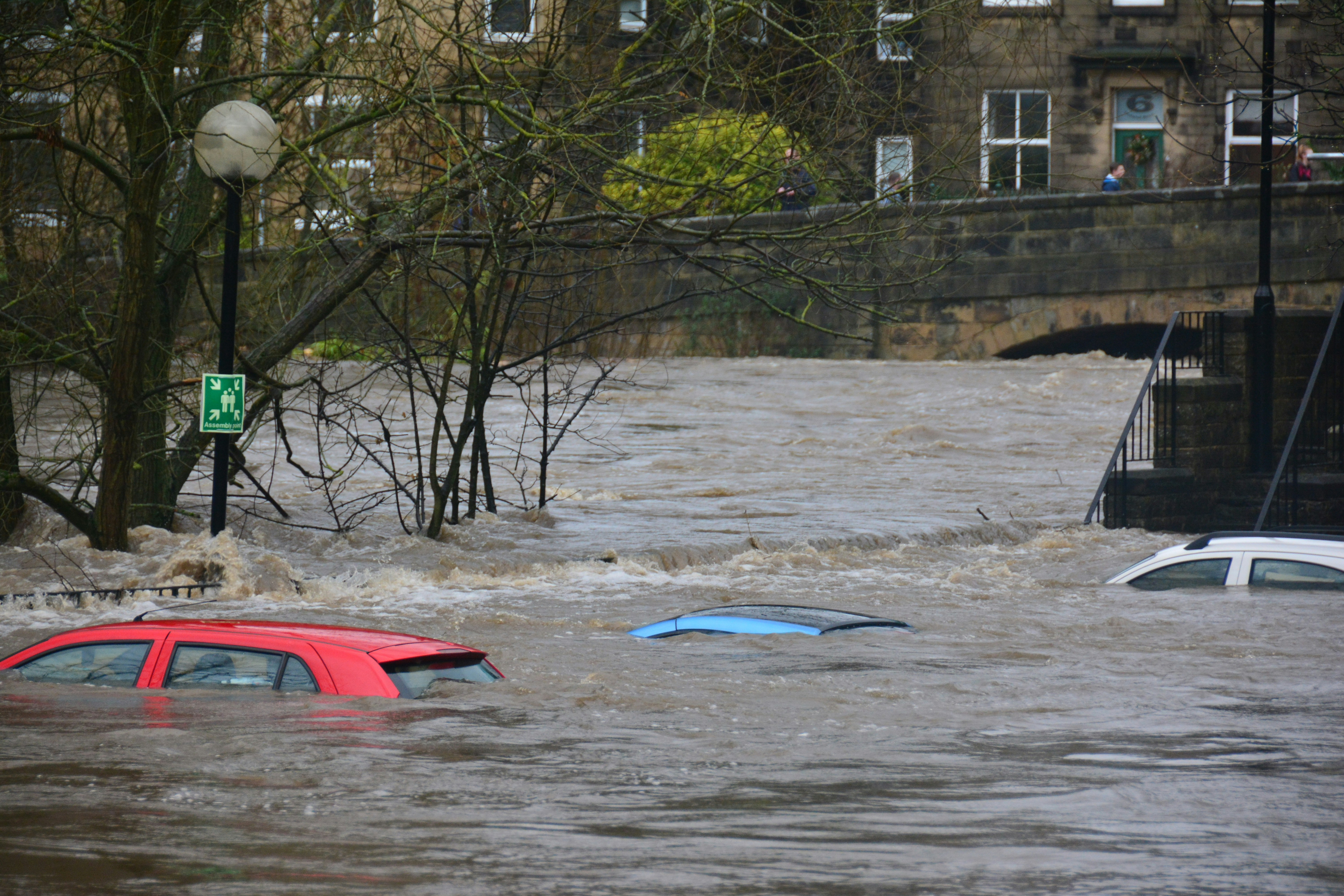
A dangerous flash-flood threat is affecting parts of the Midwest and Central Plains, including areas around Chicago, Kansas City, and Omaha, according to The Weather Channel and Yahoo News.
That does not prove local home-service businesses are receiving more calls or quote requests. But flooding can create a reason for roofers, restoration companies, plumbers, electricians, HVAC businesses, and general contractors to prepare their inbound-lead process before inquiries become difficult to sort.
The goal is not to treat every flood-related request as an emergency job. It is to acknowledge people promptly, collect the details your team needs, keep safety-critical situations with the right authorities, and give routine estimate requests a clear next step.
Table of contents
- Start with safety boundaries
- Build flood-specific intake fields
- Use a simple request-routing workflow
- Set realistic response expectations
- Use flood-ready acknowledgment templates
- Follow up on estimates you cannot handle immediately
- Keep the team aligned during changing conditions
- Use SecureMyLead for non-emergency follow-up
- Key takeaways
- FAQ
Start with safety boundaries
Flooding changes what a normal service inquiry means. A homeowner may be looking for a repair estimate, but the property could also have conditions that your office should not try to assess by text or phone.
Set one clear internal rule:
Your intake process can collect information and set expectations. It cannot diagnose danger, replace emergency services, or authorize unsafe site visits.
Train everyone answering calls, forms, and messages to escalate only through your established emergency policy. For a life-threatening situation, the customer should contact emergency services and follow official guidance.
Avoid telling a customer or technician to:
- Enter standing or moving floodwater.
- Re-enter a damaged building.
- Approach suspected electrical hazards.
- Investigate a gas smell, fire risk, or carbon monoxide concern.
- Move or operate equipment that may be unsafe.
Your team can still be helpful without attempting remote triage. The right response may simply be: acknowledge the inquiry, explain that safety comes first, and state when a qualified team member can review non-emergency service availability.
Build flood-specific intake fields
A basic “name, phone number, and job description” form may not give your team enough context after flooding. Add a short set of fields that helps you understand the request without asking the customer to take unsafe actions.
Keep the form short enough to complete on a phone.
| Intake field | Why it matters | Example options |
|---|---|---|
| Service address | Confirms service-area fit | Street address and ZIP code |
| Requested service | Routes the inquiry to the right team | Water cleanup, plumbing, roofing, electrical, HVAC, general repair |
| Property type | Helps establish scope | Home, apartment, commercial property |
| Water location | Provides useful context without a diagnosis | Basement, crawl space, living area, roof area, exterior, unknown |
| Current access status | Helps prevent assumptions about a visit | Accessible, access limited, not safe to access, unsure |
| Best contact method | Lets the team respond appropriately | Call, text, email |
| Photos, if safe and available | Can support later estimate preparation | Optional upload only |
Do not make photos mandatory. A customer should never feel pushed to enter a risky area to document damage.
Add one visible safety notice
Place a plain-language notice above the submit button and in your first-response message:
If there is an immediate threat to life or safety, contact emergency services and follow official local guidance. Do not enter floodwater or a damaged structure to gather information for this request.
This protects the purpose of the form: it is for service inquiries, not emergency assessment.
Use a simple request-routing workflow
Flood-related inquiries can vary widely. A roof inspection request, a wet-basement cleanup inquiry, and a question about a property with possible electrical danger should not follow the same operational path.
Use a three-lane workflow.
Lane 1: Safety concern or unclear danger
Use when: The customer describes a possible immediate safety issue, or your team cannot determine whether normal service handling is appropriate.
Your response: Direct the customer to emergency services and official guidance for life-threatening situations. Do not promise a technician dispatch, inspection time, or diagnosis.
Internal action: Flag the record for a human review according to your company policy. Do not place it into a routine estimate sequence.
Lane 2: Service request your business can review
Use when: The request fits your services, the location is within your service area, and the customer is seeking a non-emergency inspection, cleanup, repair, or estimate.
Your response: Confirm receipt, collect missing details, and provide an honest next step. That may be a callback, a scheduling review, or a request for safe-to-share information.
Internal action: Assign an owner and record the next promised action. If your team cannot visit immediately, say so clearly rather than leaving the inquiry unanswered.
Lane 3: Request outside your scope or capacity
Use when: The job is outside your service area, outside your trade, or your team cannot take it on at that time.
Your response: Be direct and respectful. Do not imply that someone is scheduled or that you can solve a problem you cannot handle.
Internal action: Mark the reason the request was declined or deferred. This prevents duplicate outreach and gives your team a clearer picture of what demand is actually arriving.
A routing checklist for the person answering leads
Before promising a callback or visit, confirm:
- Is this a life-safety concern that belongs with emergency services and official guidance?
- Is the request within our actual services?
- Is the address in our service area?
- Can we realistically review, inspect, or estimate this request within the expectation we are about to set?
- Who owns the next human response?
- Is the customer expecting an immediate visit, or have we explained the next step accurately?
This is more useful than trying to create a generic “urgent” label. Flood-related requests need context, not assumptions.
Set realistic response expectations
During changing weather conditions, vague replies create more pressure on customers and staff.
Avoid messages such as:
- “We’ll be there soon.”
- “A crew is on the way.”
- “We can inspect this today.”
Only say those things when they are true and authorized by your operating process.
Instead, tell the customer what will happen next:
- “Our team has received your request and is reviewing service availability.”
- “A team member will contact you to discuss the details and next available step.”
- “We can review your estimate request once it is safe and appropriate to do so.”
- “We are currently confirming service coverage for your area.”
A prompt acknowledgment still matters because it confirms the inquiry did not disappear. But acknowledgment is not a promise of availability, safety clearance, pricing, or dispatch.
For more general first-response examples, see 15 auto reply messages contractors can use for new leads.
Use flood-ready acknowledgment templates
These templates are for non-emergency lead acknowledgment. Adjust them to your actual availability, services, and messaging-consent practices.
1. New flood-related service inquiry
Hi [First Name], this is [Business Name]. We received your request for [service]. Our team is reviewing the details and service availability in your area. If there is an immediate threat to life or safety, please contact emergency services and follow official local guidance. Otherwise, we’ll follow up with the next step as soon as we can.
2. Request needs more detail
Hi [First Name], thanks for contacting [Business Name]. To help us review your request, can you reply with the property address, the area affected, and the best number for a callback? Please do not enter floodwater or a damaged area to collect information.
3. Estimate request awaiting review
Hi [First Name], we received your estimate request for [service]. We’re reviewing current availability and will contact you with the next available step. We do not want to promise a visit time until our team has confirmed it.
4. Outside service area or scope
Hi [First Name], thank you for reaching out to [Business Name]. Based on the address/details provided, we may not be able to take on this request. We wanted to let you know promptly rather than leave you waiting.
5. Follow-up after no reply
Hi [First Name], this is [Business Name] following up on your request for [service]. If you still need help with a non-emergency estimate or service review, reply here with the property address and a good callback time.
For a broader collection of reusable messages, visit best lead response templates for service businesses.
Follow up on estimates you cannot handle immediately
A flood event may create periods when the office receives inquiries faster than the field team can review them. That does not mean every inquiry should receive the same sequence or promise.
Separate requests into two groups:
- Requests that need a human operational decision now: unclear safety concerns, active customers, jobs requiring a same-day answer, or requests that may be within your immediate capacity.
- Non-emergency estimate requests that can wait for a planned follow-up: inspection requests, future repair conversations, non-urgent quotes, and inquiries awaiting additional details.
For the second group, create a clear follow-up path:
- Confirm the request was received.
- Tell the customer what information is missing, if any.
- Assign a team member to review the opportunity.
- Record the next contact date.
- Send a concise follow-up if the customer has not replied.
- Close or defer the request honestly if you cannot serve it.
Do not keep sending generic messages while the customer has an unanswered question. In a small team, every reply should have an owner.
If your business sends estimates after inspections, use a separate workflow once the customer has been evaluated. See estimate follow-up text templates for contractors.
Keep the team aligned during changing conditions
A flood-response process breaks down when the office, field staff, and owner are operating from different assumptions.
Before the day starts, confirm:
Current service boundaries
Write down:
- Areas you are currently serving.
- Services you are accepting.
- Services you are temporarily pausing.
- Who can approve exceptions.
- What your team should say when availability is unknown.
One source of truth for lead status
Every inquiry should show a simple status such as:
- New — needs review
- Waiting on customer details
- Human callback needed
- Estimate review pending
- Scheduled through normal operations
- Outside scope or service area
- Closed
The labels are less important than consistency. If two people think they own the same customer response—or each assumes the other person does—the lead can sit unanswered.
A short daily message review
During unstable weather, review the messages your team is sending. Look for accidental promises, confusing safety language, or requests that should have been moved out of the routine estimate queue.
This is also a good time to review missed calls. A missed call from a non-emergency prospect may still be a valid service opportunity, but it needs a measured response rather than an automatic dispatch promise. Read after-hours lead response: how to win jobs while you sleep for a general missed-inquiry workflow.
Use SecureMyLead for non-emergency follow-up
SecureMyLead can be an optional follow-up layer for non-emergency inbound leads. For example, a home-service business can use it to acknowledge a new estimate request quickly and continue a planned SMS follow-up sequence for leads that need a later human review.
It should not be used as an emergency dispatch system, a safety-assessment tool, or a replacement for a person deciding whether a request requires immediate escalation. Keep safety-sensitive and operational decisions with trained staff and your established procedures.
For routine estimate inquiries, SecureMyLead can help reduce the chance that a legitimate lead is forgotten while your team is focused on current jobs.
Key takeaways
- Severe flooding in parts of the Midwest and Central Plains is a reason for local service businesses to review how they handle incoming requests, not proof of a measured lead surge.
- Lead intake should collect service-relevant details without asking customers to enter unsafe areas or provide risky documentation.
- Keep life-safety concerns separate from routine estimate and repair workflows.
- A fast acknowledgment should confirm receipt and set the next step—not promise a dispatch, inspection, or booking you have not confirmed.
- Assign a human owner to every inquiry, especially when conditions and availability are changing.
- Use automated follow-up only for appropriate non-emergency leads, with human judgment remaining central.
FAQ
Are flood-related home-service leads always emergencies?
No. Some may be routine future repair, inspection, cleanup, or estimate requests. However, a business should not attempt to determine life safety through a generic web form or automated message. For life-threatening situations, customers should contact emergency services and follow official guidance.
What should a roofer ask after flooding?
A roofer can ask for the property address, the type of concern, whether access is currently safe and available, and the customer’s preferred contact method. Avoid asking the customer to climb, enter damaged areas, or take photos where conditions may be unsafe.
Can an automated text message handle flood emergencies?
No. An automated message can acknowledge a non-emergency inquiry and communicate general safety boundaries, but it cannot assess danger, dispatch emergency help, or determine whether a property is safe.
How should a plumber handle flood-related inquiries?
A plumber should first confirm that the request falls within the company’s services, gather the address and a concise description, and set an accurate expectation for review or callback. If the customer describes a possible immediate safety threat, direct them to emergency services and official guidance rather than trying to diagnose the situation remotely.
What should a business do if it cannot accept more estimate requests?
Respond honestly. Confirm receipt if appropriate, explain that availability is being reviewed or that the business cannot currently take the work, and avoid leaving the customer without an answer.