Flash Flood Warning Response Plan for Roofing and Restoration Leads
If floodwater, roads, or a property appear unsafe, do not send customers or workers into the area. Keep safety decisions with a qualified human team member—not an automated text workflow.
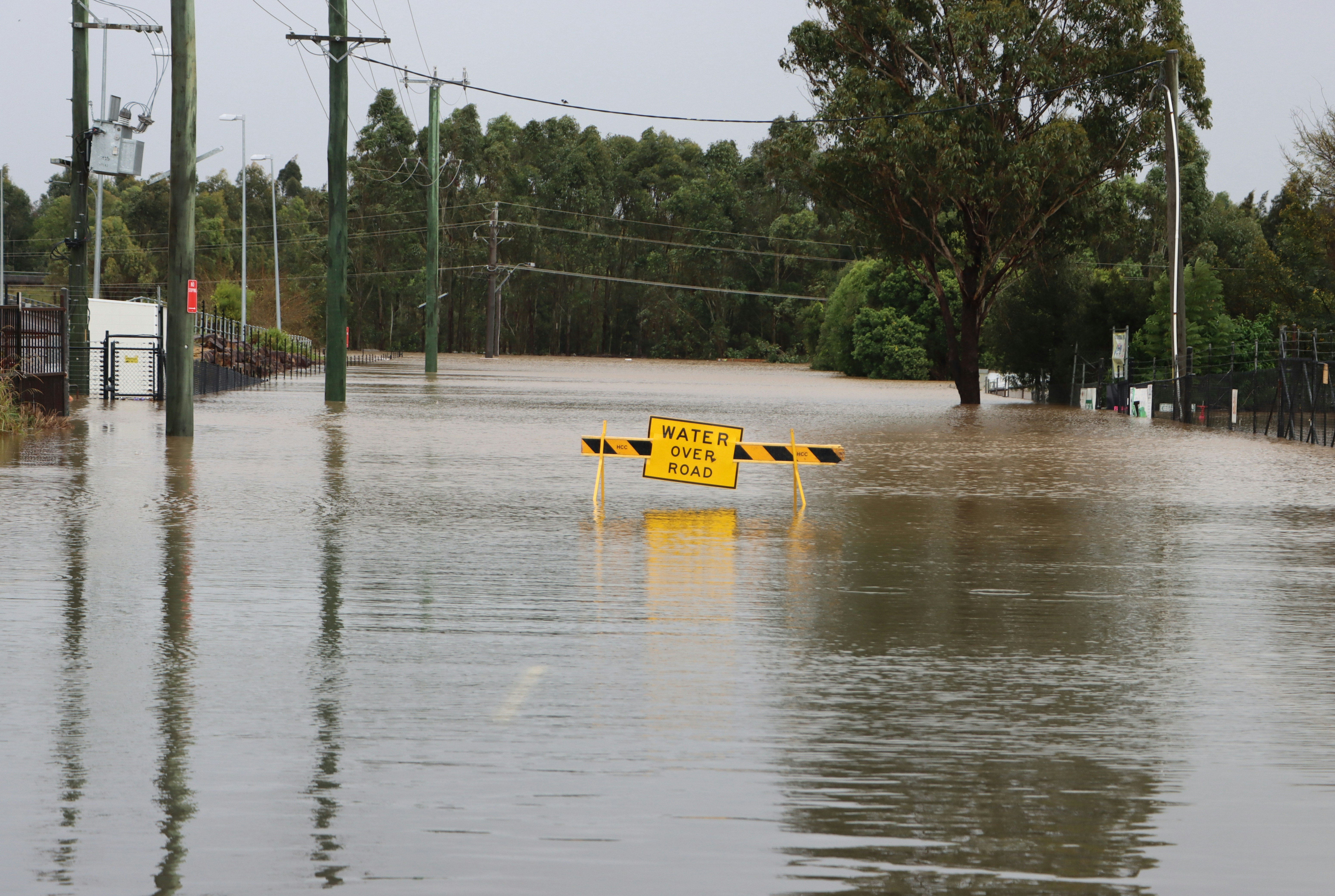
Recent heavy rain caused flash flooding in a northwest Oklahoma City neighborhood, while local reporting also highlighted flooding risk and road conditions following overnight storms in Oklahoma. News9 and KOCO documented the event and its local impacts.
Those reports do not prove that roofing, restoration, plumbing, electrical, or cleanup businesses received more leads. But during heavy rain or flash-flood conditions, service businesses should prepare for a possible increase in time-sensitive inquiries—and for the risk that normal follow-up breaks down while the team is busy monitoring conditions, handling existing customers, or managing limited capacity.
This response plan helps roofing and restoration companies acknowledge new inquiries, collect the right information, set realistic expectations, and keep ownership clear without treating text automation as emergency triage or dispatch.
Table of contents
- What to do first during a flash-flood event
- The flash-flood lead response workflow
- Questions to ask before scheduling
- Copy-and-paste SMS templates
- How to handle limited capacity
- Where automation fits—and where it does not
- Flash-flood response checklist
- FAQ
What to do first during a flash-flood event
A storm-response process starts before you promise an inspection window, send a crew, or accept every request as an emergency job.
1. Check operating conditions and crew capacity
Assign one person to make the call on what the business can safely handle. That person should confirm:
- Which service areas are currently reachable
- Whether roads or routes create a safety concern
- Which crews are available and equipped for the work you actually provide
- Whether current customers need updates before new inspections are booked
- Who owns incoming calls, web forms, and text replies
- What the next available inspection or assessment window is
Do not let an auto-reply imply immediate availability when you have not confirmed it. During flooding, “We received your request and will review it” is more accurate than “A technician is on the way.”
2. Separate safety-sensitive messages from ordinary estimate requests
Not every storm-related inquiry needs the same workflow. A homeowner asking about a roof inspection next week is different from someone reporting water entering a building right now.
Create a simple review queue:
| Inquiry type | Initial handling goal | Human follow-up |
|---|---|---|
| Water intrusion or active property damage | Acknowledge receipt; gather location and basic details | Prompt human review |
| Roof, siding, or exterior damage concern | Collect photos and request details | Determine inspection availability |
| Cleanup or restoration inquiry | Identify affected area and whether access is safe | Confirm service fit and next step |
| General estimate request | Gather address, scope, and preferred timing | Schedule when capacity allows |
| Area outside service range or work type | Respond clearly without overpromising | Refer or close out according to your process |
The goal is not to diagnose damage by text. It is to make sure a person with the right context sees the inquiry and decides what happens next.
3. Turn on a clear first-response message
A fast acknowledgment can reassure someone that their message did not disappear, especially if your team is occupied. Keep the message cautious and specific to the conditions.
For broader guidance on building a reliable first-response process, see contractor web form auto-response messages.
The flash-flood lead response workflow
Use this workflow for new roofing and restoration inquiries that may arrive during heavy rain, flash-flood conditions, or the days immediately after.
Step 1: Acknowledge the inquiry without promising dispatch
Send an acknowledgment as soon as a lead arrives, provided you have appropriate consent to text the person.
The message should do three things:
- Identify your business.
- Confirm receipt.
- Set a realistic next step.
Avoid language that suggests your business has assessed the danger, accepted the job, or confirmed a crew arrival time.
Example:
Hi [First Name], this is [Business Name]. We received your request about possible storm or water damage. Our team is reviewing new inquiries as conditions allow. Please reply with the property address, a short description of what you’re seeing, and photos only if it is safe to take them.
Step 2: Capture details that affect routing and scheduling
Once the inquiry is acknowledged, collect enough context for a human team member to make a decision. Ask for the property address first, because location can affect access, travel, and service-area eligibility.
Then collect:
- Best callback number
- Type of property: home, business, rental, or other
- Where the issue is occurring: roof, attic, ceiling, basement, exterior, or another area
- Whether the issue appears active or is being observed after the storm
- A brief description of visible damage or water intrusion
- Photos or video only when the customer can provide them safely
- Preferred contact method and availability
Do not ask customers to enter flooded areas, climb onto a roof, move debris, or take photos from unsafe locations. A useful workflow never makes a homeowner feel pressured to create evidence at personal risk.
Step 3: Review before assigning urgency
A coordinator, owner, or trained team member should review messages and decide whether the inquiry is:
- A fit for your current services
- Inside your service area
- Safe and practical to assess
- Ready for scheduling
- Better handled with a later follow-up because capacity is full
- Not a job your business can take
This human review is essential. Text-based intake can gather information, but it cannot safely assess property conditions, road access, crew risk, or the severity of a customer’s situation.
Step 4: Offer the next available, confirmed appointment option
Once someone has reviewed the lead, offer only appointment windows you can support.
If you cannot provide a same-day inspection, say so plainly. Customers may be disappointed, but a clear expectation is better than a vague promise that causes them to wait.
Example:
Thanks for the details, [First Name]. We’re reviewing inspection availability based on current conditions and crew capacity. Our next available assessment window is [Day/Time Range]. Would that work for you?
For more estimate-specific follow-up language, use these contractor estimate follow-up text templates.
Step 5: Follow up on incomplete requests
Storm-related leads can go quiet after an initial message. The customer may be dealing with other priorities, may not have safe access to the property, or may simply miss your reply.
A short follow-up can keep the conversation open without manufacturing urgency.
Example:
Hi [First Name], this is [Business Name] following up on your storm-damage request. If you still need help, reply with the property address and a brief description of the issue. Please only send photos if it is safe to do so.
A follow-up sequence should stop when the customer opts out, and your team should monitor replies. Review your process for consent, opt-outs, and customer responsibility before using automated SMS at scale.
Questions to ask before scheduling
A rushed intake form can create more work for your team. Use questions that help you route the lead without pretending to provide a remote assessment.
For roofing inquiries
Ask:
- What is the property address?
- What type of issue are you noticing?
- Is the concern related to the roof, ceiling, attic, gutters, siding, or another area?
- When did you first notice it?
- Can you safely share ground-level photos of the exterior or visible interior damage?
- What is the best time for a team member to contact you?
Do not ask a homeowner to climb onto the roof or inspect elevated areas.
For restoration and water-damage inquiries
Ask:
- What is the property address?
- Which areas of the property are affected?
- Is the issue in a living area, basement, attic, commercial space, or another location?
- Is water currently entering, or are you reporting damage noticed after the rain?
- Is it safe to access the affected area?
- What is the best phone number and time to reach you?
Keep the questions focused on intake. Do not use text messages to provide insurance advice, diagnose building conditions, or tell a customer that a property is safe.
Copy-and-paste SMS templates
Use these examples as a starting point. Replace the bracketed fields and make sure your messages align with your consent and opt-out practices.
Initial acknowledgment
Hi [First Name], this is [Business Name]. We received your request regarding possible storm or water damage. We’re reviewing inquiries as conditions allow. Please reply with the property address, a brief description, and photos only if it is safe to take them.
Request for location and details
Thanks for reaching out to [Business Name]. To review your request, please send the property address, the area affected, and the best number to call. Please do not enter floodwater or unsafe areas to gather information.
Capacity-delay message
Hi [First Name], we received your request. Our team is currently reviewing storm-related inquiries and available inspection times. We’ll update you after a team member reviews your location and details. We do not want to promise an arrival time before availability is confirmed.
Appointment confirmation
Hi [First Name], [Business Name] can offer an assessment window on [Day] between [Time Range] at [Address]. Please reply YES to confirm or let us know if another time works better.
No-response follow-up
Hi [First Name], just checking whether you still need help with the issue you contacted [Business Name] about. If so, reply with the property address and a short description when you can. Please only send photos if it is safe.
Not currently available message
Hi [First Name], thanks for contacting [Business Name]. We are unable to confirm an inspection time for your location right now. We don’t want to make a commitment we cannot safely meet. If conditions change, we can follow up with available options.
For additional first-message variations, see 15 auto-reply messages contractors can use for new leads.
How to handle limited capacity
Possible storm-related demand is not a reason to say yes to every job immediately. Overbooking can create long waits, missed appointments, and frustrated customers.
Instead, set rules before your inbox gets busy:
Use an honest service-area boundary
If roads, distance, or current conditions make a location difficult to reach, do not accept the lead as though a visit is assured. Mark the inquiry for review and communicate the limitation.
Reserve human review for high-context inquiries
A lead with an address, photos taken safely, and a clear description may be easier to evaluate than a vague “Need help ASAP” message. That does not mean the vague inquiry is unimportant; it means your team needs a practical way to collect missing information.
Keep a waiting list only if you can work it
If you offer to follow up when capacity opens, assign an owner and a specific review point. An unowned “we’ll get back to you” list is where potential jobs get forgotten.
Update existing customers too
Your current customers may be wondering whether scheduled work will proceed. A simple proactive update can reduce inbound calls and free your team to review new requests.
Where automation fits—and where it does not
Automation can support a flash-flood response plan by acknowledging a new inquiry, requesting basic details, and sending a polite follow-up when someone has not replied. It can also help ensure leads do not sit unanswered while your team is handling work in the field.
It should not:
- Determine whether a situation is dangerous
- Tell customers it is safe to enter an area
- Dispatch crews
- Guarantee availability or arrival times
- Assess property damage
- Give insurance, legal, or emergency advice
- Replace human judgment about road conditions, crew safety, or job priority
SecureMyLead is designed as the follow-up layer between lead capture and the human conversation. It can send an automated first SMS and continue scheduled follow-up, while your team retains responsibility for replies, capacity decisions, and safety-sensitive escalation. Because ordinary replies do not automatically pause scheduled sequence messages, review and manage active conversations carefully.
Get started free to build a more consistent lead acknowledgment and follow-up process before the next weather event.
Flash-flood response checklist
Use this checklist when flooding or heavy rain may affect your service area:
- [ ] Confirm who is monitoring incoming calls, forms, and texts.
- [ ] Check crew availability, reachable areas, and current operating limits.
- [ ] Pause or revise any message that promises immediate service or arrival.
- [ ] Enable a cautious first-response acknowledgment.
- [ ] Ask for address, issue type, callback details, and safe-to-provide photos.
- [ ] Route safety-sensitive or unclear messages to a human reviewer.
- [ ] Do not send customers or workers into floodwater or unsafe areas.
- [ ] Offer only confirmed appointment windows.
- [ ] Send a clear capacity-delay message when needed.
- [ ] Assign ownership for every pending lead and every promised follow-up.
- [ ] Honor opt-outs and use SMS only with appropriate consent.
- [ ] Review the workflow after conditions improve so it is ready for the next event.
FAQ
Should a roofer use an automated text during flash-flood conditions?
An automated text can acknowledge the inquiry and collect basic details, provided the customer has given appropriate consent to receive messages. It should not promise dispatch, assess danger, or replace a human review of the request.
What should restoration companies ask in the first message?
Start with the property address, the affected area, a brief description of the issue, and the best callback number. You can request photos only if the customer can provide them safely. Keep the message focused on intake, not diagnosis.
Should we promise same-day storm inspections?
Only if a person on your team has confirmed that the location, conditions, crew availability, and scheduling window make that commitment realistic. During active flooding or difficult road conditions, it is better to acknowledge the request and set expectations than promise a visit you cannot safely complete.
Does the Oklahoma City flooding prove roofing or restoration leads increased?
No. The cited local reporting confirms flash flooding, heavy rain, road conditions, and storm-related impacts in the Oklahoma City area. It does not document a measured increase in leads for roofing, restoration, plumbing, electrical, or cleanup businesses. This plan is preparation for a possible increase in inquiries, not a claim that one occurred.