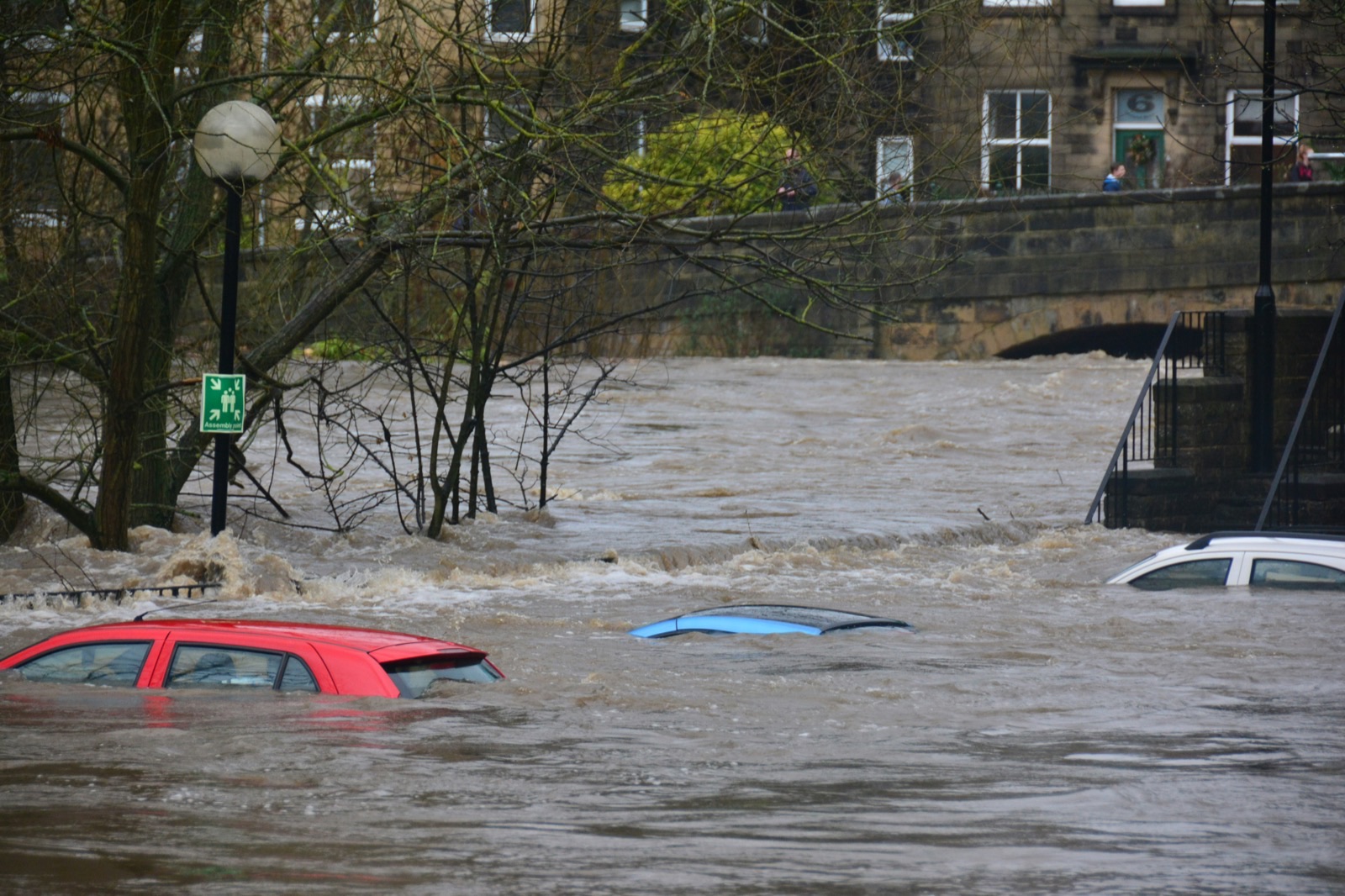
Flash Flood Lead Response Playbook for Roofing, Restoration, and Plumbing Businesses
Flash-flooding, heavy rainfall, tornado risk, and severe-thunderstorm conditions can prompt property owners to look for help with roof leaks, water intrusion, flooding, cleanup, inspections, and repairs.
Recent weather coverage has reported flash-flooding and severe-storm risks in the Philadelphia region, along with separate severe-weather risks in San Antonio. These reports do not prove that local service businesses experienced more leads. But they do show why roofing, restoration, plumbing, and related home-service teams should prepare a safe response process before storm-related inquiries arrive.
Safety comes first: A lead acknowledgment is not emergency triage, dispatch, damage assessment, or a substitute for 911, utility providers, insurers, or qualified professionals. Do not promise immediate availability, encourage travel through dangerous conditions, or instruct customers to handle hazardous situations themselves. If someone reports an immediate danger, direct them to emergency services or the appropriate utility provider before discussing service.
This playbook helps you separate urgent safety concerns from ordinary service inquiries, capture the information your team needs, communicate realistic next steps, and follow up when a customer is ready to schedule an inspection or estimate.
Table of contents
- Why storm-related leads need a different workflow
- Set your storm-response rules before messages go out
- Use a five-step flash-flood lead workflow
- Storm lead intake questions
- Copy-and-paste acknowledgment templates
- Follow-up messages for unanswered leads
- Capacity and handoff checklist
- Where SecureMyLead fits
- FAQ
Why storm-related leads need a different workflow
A normal estimate request may be straightforward: the homeowner asks about a repair, your team confirms the address, and someone schedules a visit.
Storm-related inquiries can be less clear. A customer may be dealing with a ceiling leak, standing water, damaged shingles, a backed-up drain, or uncertainty about whether conditions are safe. Your team may also be managing changing weather, limited crew availability, closed roads, after-hours messages, and a queue of existing customers.
That means the first message has a narrower job than usual:
- Confirm the business received the inquiry.
- State that a team member will review it.
- Avoid promising a dispatch time or emergency service you have not confirmed.
- Ask for only the details needed to determine the next safe step.
- Route urgent safety concerns to a human immediately.
This is different from a generic “Thanks, we’ll get back to you” autoresponder. The language must account for safety, location, service fit, and capacity.
For broader first-response examples, see 15 auto reply messages contractors can use for new leads.
Set your storm-response rules before messages go out
Before a storm period, decide what your team can honestly offer. A quick acknowledgment is useful only when it is followed by a clear operational handoff.
Write down these rules for whoever monitors incoming leads:
| Decision area | Rule to define before inquiries arrive |
|---|---|
| Service area | Which ZIP codes, cities, or neighborhoods can your team safely serve? |
| Services | Are you handling roof leaks, temporary protection requests, water extraction, plumbing backups, inspections, cleanup, or estimates? |
| Hours | Who owns leads received after normal business hours? |
| Capacity | How many inspections, assessments, or service calls can be reviewed each day? |
| Weather restrictions | When will you pause travel, roof work, or site visits? |
| Escalation | Which messages require a call from a manager, dispatcher, or on-call technician? |
| Customer expectations | What can you say about review timing without promising a specific arrival window? |
Keep acknowledgment separate from dispatch
Do not let an automated message imply that a crew is already on the way.
Avoid:
We’re dispatching someone now.
A technician will be there shortly.
We can handle your emergency immediately.
Use language that reflects what has actually happened:
We received your request and are reviewing the details and current service availability.
A team member will follow up after confirming the location, service need, and safe next steps.
That distinction protects customers from false expectations and helps your team avoid creating a dispatch promise by text.
Use a five-step flash-flood lead workflow
1. Acknowledge the inquiry
Send a short confirmation after a web form, missed call, ad lead, or inbound text is captured. The goal is to tell the customer they reached a real business and establish what happens next.
Include:
- Your business name
- Confirmation that you received the request
- A safety-first note when relevant
- One clear request for information
- A realistic statement that your team will review availability
Do not overload the first message with a full questionnaire. Customers dealing with water intrusion or possible roof damage may not have time or patience for it.
2. Screen for immediate danger and route to a human
Some messages should never remain in an automated sequence.
Escalate to a human if the customer mentions:
- Immediate danger or an emergency
- A downed power line
- A gas leak
- Carbon monoxide
- Fire
- Medical equipment affected by a power outage
- Injury or a person needing medical help
- A situation where they cannot safely remain in the property
Your automated acknowledgment should not try to diagnose the situation. It should simply make clear that your business’s text response is not emergency assistance and that the customer needs to contact the appropriate emergency resource.
3. Confirm service area and service fit
A storm can create inquiries outside your normal radius or for work your company does not perform.
Confirm:
- Property address or ZIP code
- Residential or commercial property
- Type of issue
- Whether the homeowner is requesting inspection, cleanup, repair, or an estimate
- Whether the location is currently accessible and safe for a future visit
For example, a roofing company may receive calls about interior water damage that require restoration services. A restoration company may receive a request about a sewer backup that belongs with a plumber. A plumbing company may receive a roof-leak inquiry outside its scope.
A fast, honest redirect is better than a vague promise that leaves the customer waiting.
4. Give the lead a human owner
Every storm inquiry needs a named internal owner, even if the customer only receives a general business message.
Assign one person to:
- Review the lead details
- Check service area and crew capacity
- Decide whether a call is needed
- Offer the next available inspection or estimate option, if appropriate
- Stop or adjust follow-up messages once the lead is being handled
This matters especially when multiple people can see incoming messages. Without ownership, a lead can look “answered” because the automation sent a text while no one has actually reviewed the request.
5. Follow up only when it is appropriate
If a customer does not respond, a reminder may be helpful. But storm-related follow-up should remain calm and practical, not aggressive.
The purpose is to reopen the conversation:
- Confirm whether they still need an inspection or estimate
- Ask for the missing address or photos
- Offer a callback
- Let them know how to respond if the issue has changed
Do not create false urgency, imply that a service slot is reserved, or repeatedly message someone who has opted out.
For a broader contractor estimate workflow, read estimate follow-up text templates for contractors.
Storm lead intake questions
Use the answers below to help your team decide whether a request fits your service area, capabilities, and current conditions.
Core questions for every storm-related lead
- What is the property address or ZIP code?
- Is this a home or commercial property?
- What happened: roof leak, water intrusion, flooding, drainage issue, burst pipe, storm damage, or cleanup need?
- When did the issue begin?
- Is water still entering the property?
- Is anyone in immediate danger?
- Is the property accessible and safe for a future visit?
- What is the best callback number?
- Are photos available, if it is safe to take them?
Roofing-specific questions
- Is the issue an active leak, visible exterior damage, or a request for an inspection?
- Which part of the building is affected?
- Is water visible inside the home?
- Is the customer looking for a post-storm inspection, a repair estimate, or temporary protection once conditions allow?
Restoration-specific questions
- Is there standing water, wet materials, or visible water intrusion?
- What area is affected: basement, living space, attic, ceiling, or commercial space?
- Is the source of water known?
- Does the customer need assessment, cleanup, drying-related work, or an estimate?
Plumbing-specific questions
- Is the issue a drain backup, overflow, pipe leak, sump-pump concern, or another plumbing problem?
- Is water currently flowing or contained?
- Is the property address within the service area?
- Does the customer need a callback to discuss the issue and availability?
Keep these questions in your internal intake form or message workflow. You do not need to ask every question in the first text.
Copy-and-paste acknowledgment templates
Use these as starting points. Replace bracketed details, and only send automated texts to leads who have provided the appropriate consent to receive messages.
General storm-related inquiry acknowledgment
Hi [First Name], this is [Business Name]. We received your request about storm-related property damage. We’re reviewing your location and service needs before confirming next steps. If there is an immediate safety emergency, please contact emergency services or the appropriate utility provider. When you can, reply with the property ZIP code and a brief description of the issue. Reply STOP to opt out.
Roof leak or storm-damage request
Hi [First Name], this is [Business Name]. Thanks for reaching out about the roof concern. We received your request and a team member will review the property location, issue, and current availability before discussing an inspection or estimate. If it is safe to do so, reply with your ZIP code and whether water is actively entering the home. Reply STOP to opt out.
Water-intrusion or restoration inquiry
Hi [First Name], this is [Business Name]. We received your water-intrusion request. Please reply with the property ZIP code, the affected area, and whether water is still entering the space. We’ll review the details and follow up about the next available step. For an immediate safety emergency, contact emergency services first. Reply STOP to opt out.
Plumbing issue after heavy rain
Hi [First Name], this is [Business Name]. We received your plumbing request. To help us review it, please reply with your ZIP code and whether the issue is a backup, overflow, leak, or drainage concern. A team member will follow up after checking service availability. Reply STOP to opt out.
After-hours acknowledgment
Hi [First Name], this is [Business Name]. We received your message outside our normal response hours and will review it when our team is available. Please reply with the property ZIP code and a short description of the issue. If there is an immediate safety emergency, contact emergency services or the appropriate utility provider. Reply STOP to opt out.
For additional after-hours workflow guidance, see after-hours lead response: how to win jobs while you sleep.
Follow-up messages for unanswered leads
A reminder should be based on what is missing, not on a generic “just checking in” message.
Follow-up for missing location details
Hi [First Name], following up on your request to [Business Name]. We still need the property ZIP code or address area to confirm whether we can help. Reply here when you can, and we’ll review the next step. Reply STOP to opt out.
Follow-up for a requested inspection or estimate
Hi [First Name], this is [Business Name] checking back on your storm-related request. If you still need an inspection or estimate, reply with the best time for a call and we’ll review current availability. Reply STOP to opt out.
Follow-up after requesting photos
Hi [First Name], if it is safe to do so, you can reply with photos of the affected area to help our team understand the request before we call. Please do not put yourself at risk to take photos. Reply STOP to opt out.
Close-the-loop message
Hi [First Name], we’re closing the loop on your request for now. If you still need help with [issue type], reply to this message with your property ZIP code and current need, and our team can review it. Reply STOP to opt out.
A no-response sequence should be short and monitored. If the lead replies, a team member should take ownership rather than leaving the customer inside a generic automated flow.
Capacity and handoff checklist
Use this checklist before and during severe weather conditions.
Before the storm window
- Confirm which team member monitors new requests.
- Review active service areas and any temporary travel restrictions.
- Decide which services are available and which should be deferred.
- Update acknowledgment messages to avoid guaranteed arrival times.
- Ensure staff know how to identify immediate safety concerns.
- Review SMS consent records and opt-out handling.
- Create separate tags or categories for roofing, water intrusion, plumbing, and estimate requests.
When leads begin arriving
- Confirm each new inquiry has an internal owner.
- Check location before offering an appointment.
- Check capacity before suggesting a time window.
- Record whether the lead needs an inspection, estimate, cleanup discussion, or referral.
- Move safety-related messages to human review immediately.
- Stop automated reminders when a team member is actively handling the conversation.
- Avoid sending messages that imply a crew is dispatched unless that is confirmed.
After the immediate weather period
- Review unanswered inquiries and callbacks.
- Follow up with leads that requested an estimate or inspection but did not schedule.
- Identify leads outside your service area and close them out respectfully.
- Review message logs for unclear wording, missed handoffs, or capacity bottlenecks.
- Save the improved workflow for the next severe-weather event.
Where SecureMyLead fits
SecureMyLead can serve as the acknowledgment and follow-up layer after a storm-related lead is captured through a form, ad, missed call workflow, CSV import, or connected lead source.
For this type of workflow, use automation carefully:
- Send an immediate acknowledgment that confirms receipt without promising dispatch.
- Ask for the smallest useful detail, such as ZIP code and issue type.
- Route replies to a person who can verify service area, capacity, and safe next steps.
- Use a limited reminder sequence for leads that do not respond.
- Monitor conversations closely, because ordinary replies do not currently auto-pause scheduled sequence messages.
SecureMyLead does not replace emergency services, field dispatch, estimating judgment, or a team member’s decision about whether conditions are safe for a visit. It helps reduce the chance that a captured inquiry sits without an acknowledgment while your team handles the operational work.
Get started free and build a storm-ready lead acknowledgment workflow before the next weather event.
Key takeaways
- Severe-weather reports can be a reason to prepare for possible storm-related inquiries, not proof that a lead surge has occurred.
- Keep safety guidance ahead of business messaging when a customer describes immediate danger.
- An acknowledgment is not a dispatch promise.
- Confirm location, service fit, capacity, and safe conditions before offering an inspection or service visit.
- Give every inquiry a human owner.
- Keep storm-related follow-up short, specific, and respectful of consent and opt-outs.
- Use automation to acknowledge and organize captured leads—not to perform emergency triage or replace human judgment.
FAQ
Should roofers, restoration companies, and plumbers use the same storm-response text?
No. The first acknowledgment can follow the same safety-first structure, but intake questions should reflect the service. A roofer may need to know whether water is actively entering through the roof. A restoration company may need to understand the affected area and water intrusion. A plumber may need to distinguish a backup, overflow, pipe leak, or drainage concern.
Can an automated text promise same-day service after a flood or storm?
Not unless your team has confirmed that availability and can safely provide it. A better approach is to say that the request was received and will be reviewed for location, service fit, and current availability.
What should happen if a lead mentions a dangerous situation?
Move the conversation to a human immediately. Your acknowledgment should make clear that it is not emergency assistance and direct the customer to emergency services or the appropriate utility provider for an immediate safety emergency.
How many storm follow-up texts should a business send?
There is no universal number. Start with an acknowledgment and one or two purposeful reminders tied to missing details, a requested callback, or an estimate request. Stop messages when a person is actively handling the lead, when the customer opts out, or when continued follow-up is no longer appropriate.
Do storm-related texts require customer consent?
Businesses remain responsible for obtaining the appropriate consent and using SMS lawfully. Include a clear opt-out path and honor opt-out requests. SecureMyLead recognizes common opt-out keywords, but that does not remove the business’s responsibility for consent and compliant messaging practices.
Related reading
- Best lead response templates for service businesses
- How to follow up with home service leads automatically
- Automated lead follow up for plumbers
- Contractor web form auto response: what to send the second a new lead hits your site
- 7 lead follow-up mistakes that quietly kill conversion