Fire Damage Lead Response for Restoration Companies: A Local-Fire Playbook
When a local fire affects homes, restoration companies may receive urgent calls, web forms, missed calls, and requests for inspections. The right response is not simply “reply faster.” It is a clear workflow that puts safety first, confirms what your team can actually handle, and gives every inquiry a human owner.
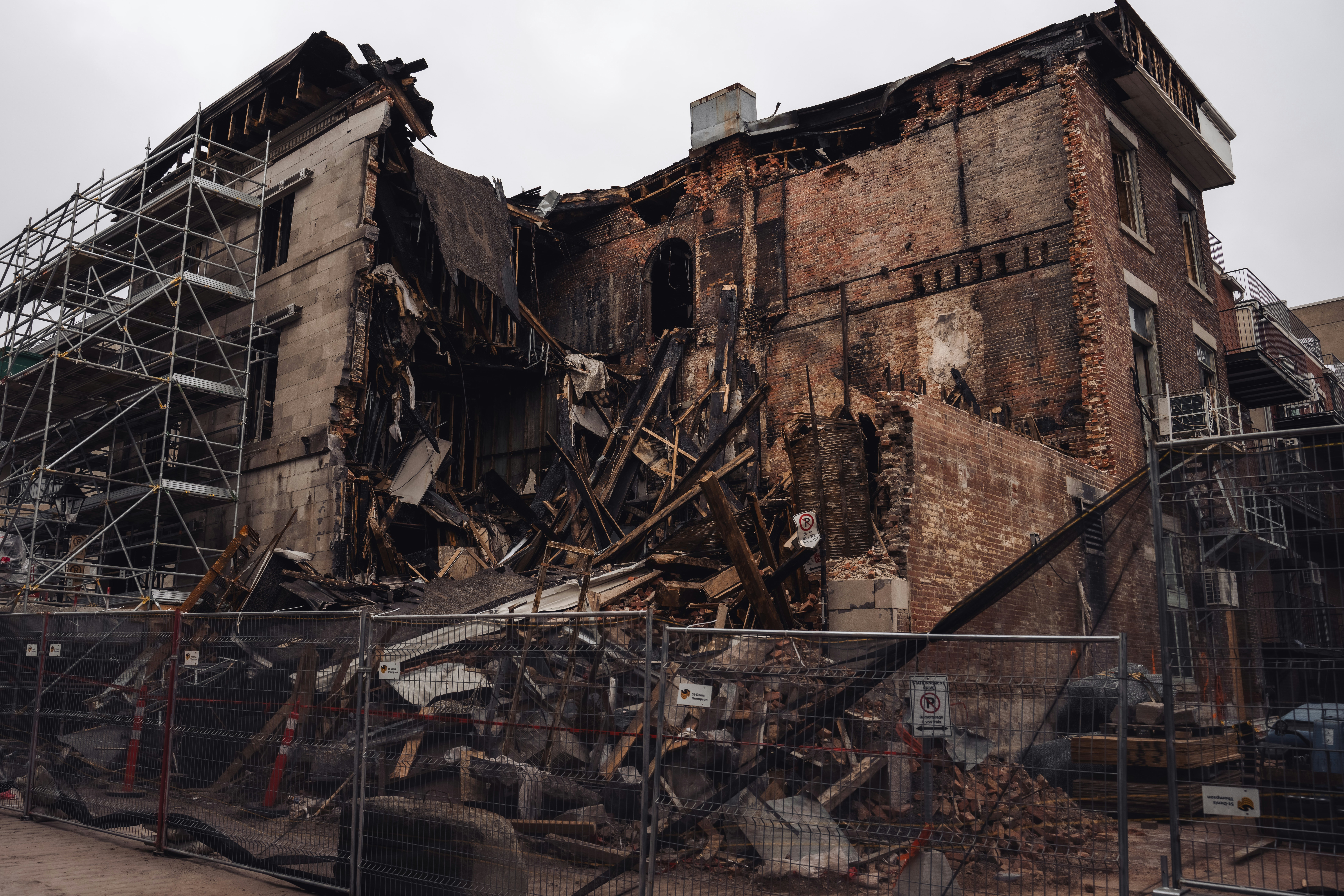
In Southeast Portland, a property fire reportedly spread to neighboring homes after city records had previously flagged the property as a fire hazard. That event does not prove that restoration businesses experienced a documented increase in leads. It does, however, show why restoration companies should prepare for possible inquiries from people concerned about fire, smoke, soot, water, or nearby property exposure after a local incident. KOIN reported that neighboring homes were affected.
This playbook is for fire-damage restoration businesses that want a safer, more organized way to acknowledge incoming inquiries, qualify the right next step, and follow up without making promises they cannot keep.
Table of contents
- Safety comes before lead handling
- Build a fire-damage inquiry workflow
- What to ask during qualification
- Fire-damage SMS templates
- After-hours handling
- Follow-up for no-response inquiries
- Use automation carefully
- Key takeaways
- FAQ
- Related reading
Safety comes before lead handling
A restoration company should never treat an active fire or unsafe condition as a normal sales inquiry.
If a caller or texter describes an active fire, smoke, a gas leak, a downed power line, carbon monoxide concerns, a medical device losing power, or an immediate threat to people or property, direct them to call 911 or the appropriate local authorities. Do not attempt to assess the severity of the emergency by text.
Your team’s first-response process should make this distinction obvious:
| If the inquiry involves… | Your immediate response should be… |
|---|---|
| Active fire, visible flames, immediate danger, or someone trapped | Direct them to call 911 immediately. |
| Possible gas leak, downed line, carbon monoxide concern, or another unsafe utility condition | Direct them to 911 or the appropriate local authority or utility emergency contact. |
| Fire is out and the customer is asking about damage, cleanup, inspection, or restoration | Move to human qualification and service-area/capacity checks. |
| The person is unsure whether the site is safe to enter | Do not advise them to enter. Escalate to a trained team member and direct them to local authorities where immediate danger may exist. |
This is not a place for automated diagnosis. A text workflow can acknowledge an inquiry and route it to a person, but it cannot determine whether a property is safe, whether a structure can be entered, or whether your crew should be dispatched.
Build a fire-damage inquiry workflow
A local fire can create a mix of inquiry types. One person may need help with soot and smoke damage. Another may want an inspection after neighboring flames or smoke exposure. Someone else may be trying to understand what to document before speaking with an insurer.
Treating all of these as identical “leads” creates confusion for the customer and your team.
1. Acknowledge the inquiry without promising emergency service
The first message should do three things:
- Identify your business.
- Confirm that the request was received.
- Set a realistic next step.
Avoid language such as “We’re on the way,” “We can restore this,” “We handle your insurance claim,” or “Your damage is covered” unless a qualified person has reviewed the situation and your business can support that statement.
A safe acknowledgment might say:
Thanks for contacting [Business Name]. We received your fire-damage inquiry. If there is an active fire or immediate safety concern, call 911. A team member will review your request and contact you as soon as possible.
This gives reassurance without implying that a crew has been dispatched or that the property is safe.
2. Assign a human owner immediately
Every fire-related inquiry needs a named person or role responsible for the next action. That may be an owner, office manager, estimator, on-call coordinator, or restoration manager.
A simple internal status system helps prevent an inquiry from being lost:
- Safety escalation: active hazard or emergency language; human review now
- New inquiry: acknowledgment sent; waiting for qualification
- Qualified for review: service area and basic details confirmed
- Inspection requested: awaiting scheduling decision
- Inspection scheduled: date/time confirmed by staff
- Outside service area or capacity: referred or declined respectfully
- No response: follow-up sequence paused or continued based on consent and context
Automation can help create and organize the first touchpoint, but a person should own the decision about whether and how the company can assist.
3. Confirm service area before discussing availability
Local fires can prompt inquiries from nearby neighborhoods, surrounding cities, or people seeking help for family members. Before offering an inspection window, confirm the property location.
Ask for:
- Property address or ZIP code
- Whether the caller owns, manages, or represents the property
- Whether the fire occurred at the property or nearby
- The best phone number and preferred contact method
If the property is outside your service area, do not leave the person waiting for a callback that will not come. Respond clearly and respectfully.
Thank you for sharing the address. This location is outside our current service area, so we don’t want to delay you by suggesting availability we cannot provide. If there is an active safety concern, please contact 911 or the appropriate local authorities.
4. Check real capacity before offering an inspection
Fire-damage work can require a different response than a standard estimate request. Before confirming a visit, your team should check:
- Who is available to take the next call
- Whether an estimator or qualified staff member can review the request
- Whether the requested area is within your service area
- Whether current job volume allows for a timely inspection
- Whether the situation needs a partner referral rather than an appointment
Do not let an auto-reply become an implied appointment. Acknowledgment is not scheduling.
5. Set the next step in plain language
Customers dealing with property damage may be stressed, distracted, or speaking with several businesses. Make the next step specific:
- “A team member will call you to gather initial details.”
- “We are reviewing today’s inspection availability.”
- “Please reply with the property ZIP code and the best time for a call.”
- “We can review whether the request is within our service area before discussing an inspection.”
This is more useful than a vague “We’ll be in touch soon.”
What to ask during qualification
Keep initial questions focused. The goal is not to collect every detail by SMS or turn an early conversation into a claim file.
Minimum qualification questions
A trained team member can ask:
- Is there an active emergency or immediate safety concern?
- What is the property address or ZIP code?
- Has the fire been extinguished?
- Did the fire occur at the property, or is the concern related to a neighboring fire?
- What type of property is involved? For example, home, apartment, rental, or commercial property.
- What damage are you concerned about? For example, fire, smoke, soot, water, or odor.
- What is the best number and time for a team member to call?
- Are you requesting an inspection, documentation guidance, or general information about next steps?
Questions to handle carefully
Insurance questions are common after a fire, but your team should avoid presenting itself as the insurer or making coverage determinations.
You can ask whether the customer has contacted their insurer if that affects the workflow. Avoid requesting unnecessary policy numbers, claim numbers, financial information, or detailed sensitive claim information by text.
A careful response is:
We can discuss the restoration-related details of your request. For coverage and claim decisions, please confirm details directly with your insurance carrier.
That distinction protects the customer from misleading certainty and keeps your staff within their role.
Documentation requests: keep the ask simple
If your team needs photos or basic information before deciding whether to schedule an inspection, ask only for what is necessary.
For example:
If it is safe and you are able, you may reply with a few photos of the affected area and the property ZIP code. Please do not enter an unsafe property to take photos.
Do not pressure a customer to document damage if doing so could put them at risk. Let a human team member decide whether photos are needed and what secure channel is appropriate.
Fire-damage SMS templates
These templates are designed to acknowledge an inquiry, route safety issues properly, and move toward a human conversation. They do not promise dispatch, coverage, pricing, availability, or restoration outcomes.
Only send recurring marketing or follow-up texts when you have confirmed appropriate consent and your messaging practices meet applicable requirements.
New fire-damage inquiry acknowledgment
Hi [First Name], this is [Name] with [Business Name]. We received your fire-damage inquiry. If there is an active fire or immediate safety concern, please call 911. A team member will review your request and contact you as soon as possible.
Service-area check
Hi [First Name], this is [Name] with [Business Name]. To route your request correctly, could you reply with the property ZIP code and a good time for a call? If there is an immediate safety concern, call 911.
Nearby-fire or smoke concern
Hi [First Name], thanks for reaching out to [Business Name]. We understand you are concerned about possible smoke, soot, or other property effects after a nearby fire. Please reply with the property ZIP code and the best number for a team member to call. For active emergencies or unsafe conditions, call 911.
Inspection request acknowledgment
Hi [First Name], we received your request for a fire-damage inspection. Our team is reviewing service-area and scheduling details before confirming a next step. Please reply with the property ZIP code and your preferred call time.
Insurer-related question
Hi [First Name], we can discuss the restoration-related details of your request. Coverage and claim decisions need to come from your insurance carrier. A team member can call to discuss the property and possible next steps. What is a good time to reach you?
Respectful capacity limitation
Hi [First Name], thank you for contacting [Business Name]. We are reviewing current availability and do not want to promise a visit before confirming what our team can support. We will update you by [time or date], or you can reply with a preferred time for a call.
No-response follow-up
Hi [First Name], this is [Name] with [Business Name] following up on your fire-damage inquiry. If you still need to speak with our team, reply with the property ZIP code and a good time to call. If the situation is unsafe or urgent, call 911 or the appropriate local authorities.
After-hours handling
After-hours fire-related inquiries need a different workflow from routine estimate requests. The goal is to acknowledge the person, surface safety language, and avoid implying that your business provides 24/7 emergency dispatch unless it truly does.
Your after-hours process should answer four internal questions:
- Who receives the alert?
- Which messages trigger immediate human review?
- What can the auto-reply safely say?
- When will a team member take ownership if the issue is not an active emergency?
A practical after-hours message:
Thanks for contacting [Business Name]. We received your message outside normal business hours. If there is an active fire, immediate danger, or another unsafe emergency, call 911. For non-emergency fire-damage inquiries, a team member will review your request when available.
For more general missed-call and after-hours workflow guidance, see After-Hours Lead Response: How to Win Jobs While You Sleep. The fire-specific difference is that emergency language must be handled before qualification or booking.
Follow-up for no-response inquiries
Someone who submits a form after a fire may not respond immediately. They could be speaking with family, an insurer, a landlord, local authorities, or another service provider. Do not interpret silence as a lack of need, and do not overwhelm them with aggressive messages.
A restrained sequence may include:
- Initial acknowledgment: confirm receipt, safety guidance, and human review
- One follow-up: request ZIP code and a suitable call time
- Final check-in: make it easy to reopen the conversation without pressure
Example final check-in:
Hi [First Name], we’re checking in one last time regarding your request to [Business Name]. If you would like to discuss the property with our team, reply here with a good time to call. If you no longer need help, no response is needed.
Avoid repeated messages that create false urgency. Also make sure staff know when to stop scheduled follow-up. In SecureMyLead, ordinary replies remain visible for two-way messaging but do not currently auto-pause scheduled sequence messages, so your team should monitor replies and manage the sequence appropriately.
For broader no-response timing and message strategy, read How Long to Wait Before Following Up With a Lead?.
Use automation carefully
A restoration company can use automation to make sure an inquiry receives a fast acknowledgment and that follow-up is not forgotten. It should not automate safety decisions, diagnose hazards, dispatch a crew, assess property damage, determine insurance coverage, or promise a booking.
SecureMyLead can support the follow-up layer: an initial SMS acknowledgment when a lead is captured, followed by a configurable sequence when appropriate. Keep your fire-damage workflow conservative:
- Include emergency escalation language in the first message.
- Notify a human owner for every fire-related inquiry.
- Do not automatically confirm appointments.
- Do not request unnecessary sensitive claim information by text.
- Review replies quickly and stop or adjust follow-up when a person engages.
- Confirm that you have lawful consent before sending recurring text messages.
A reliable workflow does not remove human judgment. It gives your team a better chance to respond consistently when incoming inquiries may be stressful, time-sensitive, and outside normal hours.
Key takeaways
- A local fire may create restoration inquiries, but do not assume or claim a documented lead surge without evidence.
- Active fires and unsafe conditions require emergency guidance before any business conversation: direct people to call 911 or the appropriate local authorities.
- Acknowledge the request without promising dispatch, pricing, insurance coverage, inspection availability, or restoration outcomes.
- Assign every inquiry to a human owner and confirm service area and capacity before offering a next step.
- Ask only for the initial information needed to route the request safely.
- Use calm, concise follow-up for no-response inquiries, with appropriate consent for recurring messages.
- Automation can support acknowledgment and consistency, but people must handle safety, scheduling, capacity, and service decisions.
FAQ
Should a restoration company send an automatic text after a fire-damage inquiry?
It can send a careful acknowledgment if the message clearly directs active emergencies and unsafe conditions to 911 or appropriate local authorities. The message should not imply that your company has assessed the situation, dispatched a crew, or confirmed an appointment.
What should restoration companies ask first after a fire-damage inquiry?
Start with safety, property location, whether the fire has been extinguished, the general type of damage or concern, and the best time for a human follow-up call. Avoid collecting unnecessary sensitive insurance or claim details by SMS.
How should a restoration company respond to insurance questions?
Explain that your team can discuss restoration-related next steps, while coverage and claim decisions must come from the customer’s insurance carrier. Do not promise that work is covered or make claim decisions on the insurer’s behalf.
Can automated follow-up handle emergency restoration calls?
Automation can acknowledge an incoming inquiry and help keep a follow-up process organized. It cannot determine emergency severity, decide whether a property is safe, dispatch a crew, or replace a trained person’s judgment.
What if a homeowner does not reply after requesting help?
Send a limited, respectful follow-up that makes it easy to provide a ZIP code or preferred call time. Do not use high-pressure wording, and stop recurring messages when consent, customer preference, or the situation calls for it.
Related reading
- Best Lead Response Templates for Service Businesses
- After-Hours Lead Response: How to Win Jobs While You Sleep
- How to Build a Lead Follow-Up System That Runs Automatically
- 7 Lead Follow-Up Mistakes That Quietly Kill Conversion
If your restoration business wants a more consistent way to acknowledge new inquiries and continue appropriate follow-up, get started free with SecureMyLead.