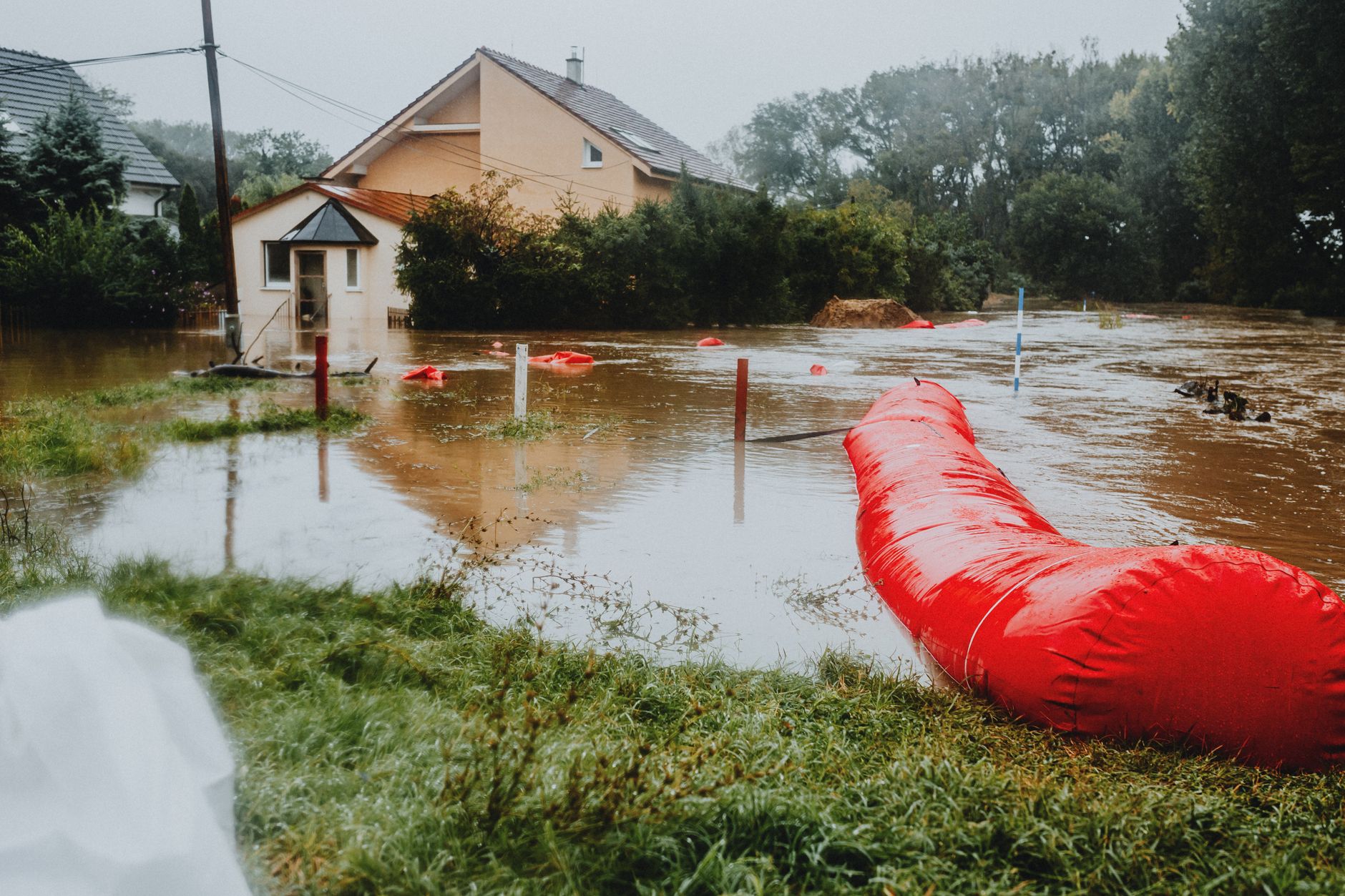
El Niño Preparedness for Home-Service Businesses: A Weather-Lead Response Playbook
A developing Super El Niño pattern is making weather preparedness a timely planning issue for home-service businesses. Current reporting describes the pattern as present and potentially strengthening, while also emphasizing that local effects can vary. CNN and The New York Times provide useful context on the developing weather pattern.
For roofers, HVAC companies, plumbers, restoration firms, electricians, and other weather-sensitive service businesses, that does not prove a lead surge is coming. It does mean businesses should prepare for the possibility that changing local conditions could shift the kinds of calls, web forms, inspection requests, and urgent inquiries they receive.
The practical goal is simple: if inquiries rise, your team should know what to acknowledge immediately, what requires a human response, what can wait, and how to keep customers informed without promising capacity you do not have.
Table of contents
- Start with safety and local conditions
- Build a weather-lead readiness plan
- Create a human emergency-triage process
- Ask intake questions that match weather-related work
- Set an after-hours acknowledgment workflow
- Follow up on inspections and estimates realistically
- Use automation for acknowledgment—not dispatch
- El-niño preparedness checklist
- FAQ
Start with safety and local conditions
Before thinking about lead volume, establish a clear safety-first policy for your team.
If an inquiry mentions downed power lines, a gas leak, carbon monoxide, fire, injury, or a person whose medical equipment has lost power, do not treat it as a standard sales lead. Your staff should follow directions from local emergency services, utility providers, and emergency-management authorities before discussing estimates, scheduling, or service availability.
Automation should not assess the severity of these situations. A business owner, dispatcher, or trained team member must make the decision about whether the company can safely respond, whether the caller needs to contact emergency authorities or a utility, and whether work can be scheduled.
Weather impacts can also differ dramatically across service areas. A national El Niño story is not a local forecast. Monitor the official forecasts and emergency-management updates relevant to the counties, cities, or neighborhoods you actually serve. That gives you a better basis for staffing and customer communications than reacting to headlines alone.
Build a weather-lead readiness plan
Weather preparedness is less about predicting every incoming call and more about deciding how your business will operate if calls become less predictable.
1. Define the services you can actually provide
Make a short, current list of work your team can handle during weather-related demand. For example:
- Roofing inspections
- Leak assessments
- Emergency tarping, if your company offers it
- HVAC repair requests
- Plumbing leak or water-damage assessments
- Restoration inspections
- Electrical safety evaluations, where appropriate
- Non-urgent estimates after conditions improve
Then identify work you cannot safely provide, work you cannot offer after hours, and work that depends on weather conditions, permits, materials, or third-party availability.
This avoids a common problem during busy periods: a customer hears “we can help” when the real answer is “we need more information before we can confirm anything.”
2. Assign lead ownership before demand changes
A lead does not need a complicated routing system to get lost. It can sit unanswered because everyone assumes someone else replied.
Assign a clear owner for each stage:
| Stage | Owner | Decision |
|---|---|---|
| New inquiry acknowledgment | Automation or designated staff member | Confirm receipt and set expectations |
| Safety-sensitive inquiry | Human team member | Determine the appropriate next step |
| Service-area verification | Office staff or dispatcher | Confirm whether the address is served |
| Job availability | Human team member | Confirm actual capacity and timing |
| Inspection scheduling | Human team member | Offer a real appointment window |
| Estimate follow-up | Salesperson, owner, or estimator | Move the customer toward a decision |
| Status updates | Assigned team member | Communicate changes honestly |
For a small business, one person may fill several roles. What matters is that the next action is unambiguous.
3. Check operational capacity, not just calendar openings
A clear calendar does not always mean you have capacity. Before potentially busy weather periods, check:
- Who is available to answer phones and texts
- Who can conduct inspections
- Whether crews can safely travel and work
- Which jobs require material availability
- Which areas are temporarily impractical to serve
- Whether an estimator can handle a higher volume of site visits
- How long customers may need to wait for an initial inspection
Use the answers to shape your customer messaging. If your earliest inspection window is several days away, acknowledge that upfront rather than sending generic “we’ll be right over” language.
Create a human emergency-triage process
Not every weather-related inquiry is an emergency. A homeowner requesting a roof inspection is different from someone reporting active water intrusion. A broken air conditioner may be urgent for a household, but your team still needs to determine safe availability before committing to a visit.
Create a simple human-reviewed triage process with categories such as:
Safety-sensitive
Examples include reports involving fire, gas, carbon monoxide, downed power lines, injuries, or medical equipment affected by a power outage.
These require immediate human attention and direction based on official local guidance. Do not place these inquiries into a normal automated estimate sequence.
Urgent service request
Examples may include active leaks, loss of heating or cooling, plumbing failures, or weather damage that could worsen.
A human should review the inquiry, confirm the service area, ask essential questions, and determine whether the business has safe, real capacity to respond.
Time-sensitive inspection or assessment
Examples include a homeowner asking for a roofing inspection after severe weather or a customer seeking a restoration assessment.
These leads may not require an emergency response, but they may need a faster scheduling decision than a routine estimate request.
Standard estimate request
Examples include a homeowner seeking a quote for a future repair, replacement, or preventive work.
These can enter your normal estimate process, with clear follow-up and no pressure to promise same-day availability.
The key distinction: automation can acknowledge that an inquiry arrived, but people must evaluate risk, availability, dispatch, and job priority.
Ask intake questions that match weather-related work
A generic “How can we help?” message may be enough for routine inquiries. During weather-driven demand, a few focused questions can help your staff understand what they are dealing with before scheduling.
Use only questions relevant to the services you provide.
Roofing and exterior work
- What is the property address?
- Is there an active leak or visible interior water damage?
- Are you requesting an inspection, repair, temporary protection, or estimate?
- When did you first notice the issue?
- Can you share photos if it is safe to do so?
HVAC
- Is the system currently heating or cooling?
- Is the issue affecting the entire property or one area?
- What is the service address?
- Is this a repair request, maintenance question, or replacement estimate?
- Is there any immediate safety concern reported by the customer?
Plumbing and restoration
- Is water currently entering or leaking in the property?
- Where is the issue occurring?
- Has the water source been stopped, if applicable?
- What is the property address?
- Are you seeking assessment, repair, cleanup, or a future estimate?
Keep the first exchange short. The point is to collect enough information for a human to decide what happens next—not to make a homeowner complete a long questionnaire while dealing with a stressful situation.
Set an after-hours acknowledgment workflow
Weather-related inquiries do not always arrive during office hours. An after-hours acknowledgment can let customers know their message was received, while avoiding false promises about dispatch or response times.
Here is a cautious example:
Hi, this is [Business Name]. We received your request and will review it as soon as our team is available. If your situation involves an immediate safety risk, please follow guidance from local emergency services, your utility provider, or local emergency management. Reply with your service address and a brief description of the issue so our team can review your request.
This message does three useful things:
- Confirms that the inquiry did not disappear.
- Requests information your team can use when reviewing it.
- Avoids claiming that a technician is on the way.
For more general setup ideas, see After-Hours Lead Response: How to Win Jobs While You Sleep and Auto Reply Messages for Contractors.
Follow up on inspections and estimates realistically
A weather-related lead often has more uncertainty than a standard home-service inquiry. Conditions can change, crews can become fully booked, and some work may need to wait until it is safe or practical to inspect the property.
Your follow-up should make that uncertainty clear without leaving the customer in the dark.
After an inspection request
Hi [First Name], this is [Business Name]. We received your request for an inspection at [Address]. Our team is reviewing availability and will follow up with the next available inspection option. If conditions at the property change, please let us know.
When you need more details before scheduling
Thanks for reaching out to [Business Name]. Before we confirm the next step, could you reply with the property address, a short description of the issue, and any photos you can safely share? A team member will review the details and follow up about availability.
After sending an estimate
Hi [First Name], this is [Business Name] following up on the estimate for [service]. If you have questions or would like to discuss next steps, reply here and our team will help.
Avoid language such as “we can guarantee a visit today” unless a person has confirmed that it is true. During a potentially busy period, expectation-setting is part of good service.
For more estimate-stage scripts, read Estimate Follow-Up Text Templates for Contractors and How to Follow Up on Quotes Without Losing the Customer.
Use automation for acknowledgment—not dispatch
A well-prepared workflow separates repetitive communication from decisions that require judgment.
SecureMyLead can automatically send an initial SMS response when a new lead arrives and continue with personalized follow-up sequences. That can help a home-service business acknowledge a web form or missed inquiry while the owner is on a job, after hours, or handling several requests at once.
But it is not an emergency-triage or dispatch system. Your team should still review urgent requests, decide whether work is safe, confirm whether the address is in your service area, and provide only availability you can actually honor.
If you use an automated sequence during a potentially busy weather period, review the wording carefully:
- Do not promise same-day service by default.
- Do not describe an inquiry as “scheduled” unless it is actually scheduled.
- Do not use automation to assess emergency severity.
- Make it easy for staff to see and respond to replies.
- Build human review into urgent and safety-sensitive workflows.
- Use messaging only in line with your business’s consent and legal obligations.
For a broader home-service workflow, see How to Follow Up With Home Service Leads Automatically.
El Niño preparedness checklist
Use this checklist before a possible period of weather-driven demand:
- [ ] Monitor official local forecasts and emergency-management updates for every service area.
- [ ] List the weather-related services your business can and cannot offer.
- [ ] Confirm who owns new inquiries during business hours and after hours.
- [ ] Create a human-review path for safety-sensitive and urgent requests.
- [ ] Check actual inspection, crew, and material capacity.
- [ ] Update after-hours acknowledgment language.
- [ ] Add service-address and issue-description questions to your intake process.
- [ ] Review automated messages for unsupported promises about availability.
- [ ] Create a realistic inspection-request follow-up message.
- [ ] Create an estimate follow-up message for customers who need time to decide.
- [ ] Tell the team when and how to provide status updates if wait times change.
- [ ] Test the entire workflow with a sample lead before demand increases.
Key takeaways
- Reports on a developing Super El Niño make weather readiness worth reviewing, but they do not prove that every home-service market will experience more leads.
- Local conditions—not a national headline—should guide your staffing, messaging, and operational decisions.
- Safety-sensitive inquiries require human judgment and direction based on official local guidance.
- Acknowledgment can be automated, but emergency assessment, availability, and dispatch decisions must remain human responsibilities.
- Honest timing and capacity updates are more useful than aggressive promises during uncertain weather conditions.
FAQ
Could El Niño create more home-service leads?
It could create shifts in weather-related inquiries in some areas and service categories, but no outcome is guaranteed. The cited reporting supports El Niño as a weather-planning consideration, not as proof of increased leads for a particular business or industry.
Which home-service businesses should prepare?
Businesses whose work is affected by local weather may benefit from reviewing their workflows. That can include roofers, HVAC businesses, plumbers, restoration companies, electricians, and other property-service providers. The specific preparation should reflect your local forecast, service area, and actual offerings.
Should automated texts handle emergency calls?
No. Automated texts can acknowledge receipt of an inquiry and collect basic information, but a person must assess emergencies, determine availability, and make dispatch decisions.
What should an after-hours weather-response text say?
It should confirm receipt, request basic details, avoid promising a technician or appointment, and direct customers with immediate safety concerns to follow relevant official local guidance.
How often should we follow up on a weather-related estimate?
Follow up based on the customer’s situation and your team’s capacity. If the customer is awaiting an inspection or estimate, provide a clear next step. If they have received an estimate, send a concise follow-up that invites questions without creating pressure or making promises you cannot fulfill.
Related reading
- After-Hours Lead Response: How to Win Jobs While You Sleep
- Best Lead Response Templates for Service Businesses
- How to Follow Up With Home Service Leads Automatically
- Automated Lead Follow-Up for Plumbers
If your team needs a more reliable way to acknowledge new inquiries and keep routine follow-up from being forgotten, SecureMyLead can automate the SMS follow-up layer while your people retain control of the decisions that matter.