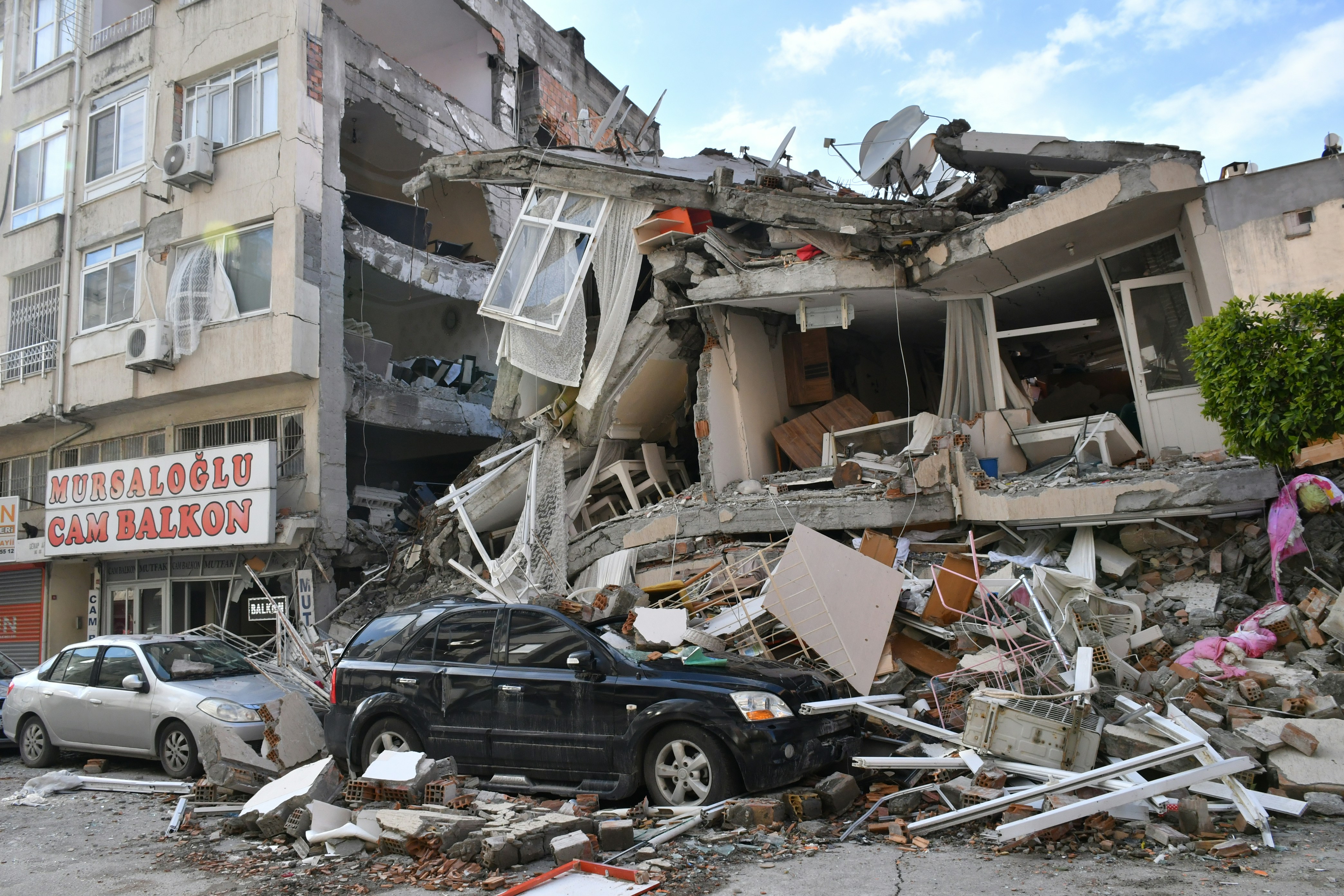
Earthquake Damage Leads: A Response Playbook for Restoration Contractors
Earthquake interest is high, but that does not prove a local damage event—or an increase in contractor leads—has occurred in your service area. Recent coverage has focused on public concern about earthquake activity and whether recent events signal a broader increase, while search interest for “earthquake now” has been elevated nationally and in California. Al Jazeera and HuffPost both address that public concern and the questions around recent activity.
For restoration contractors, roofers, and other property-service businesses, the practical takeaway is preparation. If earthquake-related inspection requests or repair inquiries rise, a clear response workflow can help your team acknowledge people quickly without making structural-safety judgments, promising dispatch, or overcommitting capacity.
Table of contents
- Start with safety, not sales
- Build an earthquake inquiry workflow before demand changes
- Use intake questions that collect facts—not diagnoses
- Route urgent situations without providing emergency advice
- Collect photos and documentation responsibly
- Handle duplicate requests and overlapping household contacts
- Use after-hours SMS for acknowledgment and routing
- Follow up on inspection and estimate requests
- A simple earthquake-response checklist
- How SecureMyLead can support the follow-up layer
- FAQ
Start with safety, not sales
When an inquiry mentions immediate danger, safety comes before booking, intake, photos, or estimates.
If a caller reports a downed power line, gas leak, fire, carbon monoxide concern, serious injury, or medical equipment losing power, direct them to emergency services and the appropriate utility or qualified professional. Do not try to diagnose the hazard by text, assess whether a building is safe, or give instructions beyond that emergency direction.
Your team’s role is to recognize that the inquiry needs a different path—not to become an emergency dispatcher, engineer, or utility representative.
A safe internal rule is:
If the customer reports an immediate threat to people, utilities, or the structure, stop the normal lead workflow and direct them to emergency services or an appropriately qualified professional.
This protects the customer and gives your staff a simple boundary during a stressful conversation.
Build an earthquake inquiry workflow before demand changes
A general “respond fast” process is not enough for a potential earthquake-related demand period. These inquiries may involve uncertainty, multiple people contacting your business about one property, photos sent from unsafe locations, and requests that exceed your normal service scope.
Before promoting earthquake-related services or adjusting your website, decide how your business will handle five operational questions.
1. What work do you actually accept?
Write down the specific inquiry types your team can receive and handle. For example:
- Property damage documentation requests
- Water intrusion or leak-related restoration inquiries
- Emergency mitigation inquiries within your actual operating capacity
- Roof or exterior damage inspection requests
- Interior cleanup or repair requests
- Referrals to qualified structural professionals when the request is outside your scope
Avoid broad statements such as “we handle all earthquake damage” unless that is genuinely true and your team has the capacity and qualifications to do so.
2. Which locations can you serve?
An earthquake-related inquiry may come from outside your ordinary service area, especially if people find you through search or social media.
Make service-area confirmation an early intake step:
- Property ZIP code or city
- Type of property
- Whether the property is occupied
- Best contact method
- Whether the location is within your normal coverage area
This lets your team respond honestly before collecting a long description of damage you may not be able to address.
3. Who owns the next action?
Every inquiry needs a clear owner. That could be:
- A designated office contact during business hours
- An on-call employee for accepted emergency mitigation inquiries
- A next-business-day review queue for non-urgent inspection requests
- A referral path for work your business does not perform
“Someone will get back to them” is not ownership. Assign a person, a queue, or a specific review window.
4. What can your team promise?
Keep messages limited to what you control. You can usually promise to:
- Confirm that the inquiry was received
- Gather basic information
- Review the request
- Let the customer know about next steps when your team is able
Do not promise:
- Immediate dispatch
- A same-day inspection
- Structural safety
- A damage diagnosis
- Insurance coverage
- A repair timeline
- A booking until capacity is confirmed
5. What happens when capacity is full?
A possible increase in inquiries can create a different problem: accepting work your team cannot reasonably handle.
Set a capacity status your staff can update:
| Status | What the team should do |
|---|---|
| Available | Collect intake details and offer the next approved step. |
| Limited | Acknowledge the inquiry, explain that requests are being reviewed, and avoid promising a time slot. |
| Full | Stop offering new appointments, retain only appropriate details, and use your approved referral or waitlist process if available. |
| Outside scope | State that the request is outside your service scope and direct the customer to an appropriately qualified professional or emergency service when relevant. |
For broader capacity planning, see How to Handle a Lead Surge Without Overbooking Your Service Business.
Use intake questions that collect facts—not diagnoses
Earthquake-related messages can be emotionally charged. A homeowner may ask, “Is my house safe?” or “Is this crack serious?” Your intake should not attempt to answer either question.
Instead, collect information that helps your team determine whether the inquiry is in your service area, within scope, and ready for human review.
A practical earthquake damage intake checklist
Ask only what is necessary:
- What is the property address or ZIP code?
- What type of property is it? Residential, commercial, rental, or another type.
- What are you noticing? Let the customer describe visible concerns in their own words.
- Is there water entering the property or another active issue your team handles?
- Has anyone been injured, or is there an immediate emergency?
- Are you currently in a safe place to communicate?
- Can you share photos only if it is safe to do so?
- What is the best phone number and time to reach you?
- How did you hear about us? This can help you distinguish web, referral, paid advertising, and repeat-customer requests.
Questions to avoid
Do not ask questions that position your team as making a structural or emergency determination by text. Avoid:
- “How severe is the structural damage?”
- “Is the building about to collapse?”
- “Do you think the foundation shifted?”
- “Can you send a photo from the roof, attic, or damaged area?”
- “Is it safe enough for us to come out?”
Those questions either invite unsafe behavior or ask the customer to make a judgment they may not be qualified to make.
A better alternative is:
“We can’t assess structural safety by message. If you believe there is an immediate danger, please contact emergency services or an appropriately qualified professional. If you’re in a safe place, we can collect your request for review.”
Route urgent situations without providing emergency advice
Not every earthquake-related inquiry is an emergency service request. Treating every new message as urgent can overwhelm your team and create expectations you cannot meet.
Use simple routing categories.
Category 1: Immediate safety concern
Examples may include reports of fire, gas leaks, downed power lines, carbon monoxide concerns, injury, or medical equipment losing power.
Response: Direct the person to emergency services and the appropriate utility or qualified professional. Do not continue a normal sales or scheduling conversation.
Category 2: Potentially urgent property issue within your scope
This may include an active water intrusion or another condition your company is equipped to handle.
Response: Acknowledge the request, collect only the information needed for your team to review it, and route it to the designated human owner. Do not promise dispatch or availability until that person confirms it.
Category 3: Inspection or repair request without an immediate reported hazard
This may include visible cracks, fallen finishes, damage concerns, or requests for an inspection after shaking.
Response: Confirm receipt, clarify that your team will review the request, and gather service-area and contact information. If structural evaluation is requested, direct the customer to a qualified professional rather than presenting your business as the authority unless that is truly within your verified scope.
Category 4: Outside service area or outside scope
Response: Be direct and concise. Do not keep the person in an automated estimate sequence that implies your business can help.
Collect photos and documentation responsibly
Photos can make a later conversation more efficient, but they should never be the first priority.
Your request should be conditional:
“If you can do so safely, you may reply with photos of the area you’re concerned about. Please do not enter an unsafe area, climb, or move debris to take photos.”
This wording does three useful things:
- It makes safety the customer’s first consideration.
- It avoids asking them to perform risky actions for your intake process.
- It clarifies that photos support review rather than create an instant assessment.
What to record in the lead
For each earthquake-related inquiry, record:
- Date and time received
- Lead source
- Property location
- Customer’s description in their own words
- Whether an immediate hazard was reported
- Photos or files received
- Assigned team member
- Current status: new, safety referral, review needed, inspection requested, estimate pending, closed, or outside scope
- Next follow-up date
A structured record matters more in this situation because a customer may contact you through a web form, call, text, and social channel within a short period.
Handle duplicate requests and overlapping household contacts
During a possible damage event, duplicate inquiries are normal. One person may submit a form, call from another number, and have a spouse send photos by text. A property manager may also contact you separately about the same address.
Without a process, your team can accidentally:
- Create multiple estimates for one property
- Promise different next steps to different people
- Send repeated automated messages
- Lose important photos in separate conversations
- Assign two staff members to the same request
A simple duplicate-handling process
- Search by property address first.
- Search by phone number and email second.
- Merge the available details into one primary lead record.
- Note additional contacts and their relationship to the property when known.
- Assign one team member as the customer-facing owner.
- Stop duplicate automated sequences once the records are merged.
- Send one clear confirmation to the primary contact.
A short confirmation can prevent confusion:
“Thanks—we received the details for [property address]. We’ve combined the information under one request so our team can review it clearly. We’ll follow up through this number when we have the next step.”
Use after-hours SMS for acknowledgment and routing
An after-hours earthquake inquiry may be important, but an automated text should not impersonate a live emergency response team.
The purpose of an after-hours message is to:
- Confirm that the inquiry was received
- Establish safe boundaries
- Gather limited details
- Route the request for human review
- Avoid silence without promising immediate service
For a broader after-hours setup, read After-Hours Lead Response: How to Win Jobs While You Sleep.
After-hours earthquake inquiry auto-reply
Hi, this is [Business Name]. We received your earthquake-related inquiry. If there is an immediate danger, injury, fire, gas leak, downed power line, carbon monoxide concern, or medical equipment issue, please contact emergency services and the appropriate utility or qualified professional.If you’re safe, reply with the property ZIP code, a brief description of what you’re seeing, and photos only if you can take them safely. Our team will review your request.
Inspection request acknowledgment
Hi [First Name], this is [Business Name]. Thanks for reaching out about [property address]. We’ve received your inspection request and are reviewing service-area coverage and availability. We can’t assess structural safety by text. If you believe there is an immediate danger, please contact emergency services or an appropriately qualified professional.
Capacity-limited response
Hi [First Name], thanks for contacting [Business Name]. We’ve received your request and are currently reviewing earthquake-related inquiries as capacity allows. We can’t promise an inspection time until our team confirms availability. If there is an immediate safety concern, please contact emergency services or an appropriately qualified professional.
Photo request
If you are in a safe place and can do so without entering a damaged area, you may reply with photos of the concern. Please do not climb, move debris, or enter an area that may be unsafe to take photos.
Only send business texts to contacts who have provided the appropriate consent for your messaging. Your business remains responsible for using SMS lawfully and honoring customer communication preferences.
For more general first-response options, see 15 Auto Reply Messages Contractors Can Use for New Leads.
Follow up on inspection and estimate requests
Earthquake-related leads may not move in a straight line from first contact to booked work. A homeowner may be waiting for a family member, landlord, property manager, insurer, or qualified structural professional before deciding what to do next.
That makes a calm, documented follow-up sequence more useful than aggressive “book now” language.
Suggested follow-up stages
1. First acknowledgment
Send immediately after the inquiry arrives, or as soon as your team can reasonably respond. Confirm receipt and give the customer one simple next action.
2. Missing-information follow-up
If the customer has not provided an address, ZIP code, photos taken safely, or a clear description, ask for only the missing details.
Hi [First Name], following up on your request with [Business Name]. To help our team review it, can you send the property ZIP code and the best time to reach you? Please only send photos if you can take them safely.
3. Human review update
If your team needs time to confirm scope or capacity, send an honest update rather than leaving the request unanswered.
Hi [First Name], we’re still reviewing your request for [property address]. We’ll update you once we can confirm the appropriate next step. We can’t assess structural safety by message; please contact emergency services or an appropriately qualified professional if you believe there is immediate danger.
4. Estimate follow-up
Once your team has legitimately provided an estimate or proposal, move into your ordinary estimate workflow. Keep the message specific to the work discussed and avoid implying that the customer must decide immediately.
For additional quote follow-up examples, use Estimate Follow-Up Text Templates for Contractors.
A simple earthquake-response checklist
Use this before a possible increase in inquiries—not while your team is already overwhelmed.
Service and safety boundaries
- [ ] Define the property-damage services your company actually accepts.
- [ ] Define the situations that must be directed to emergency services or qualified professionals.
- [ ] Confirm that staff do not assess structural safety by text or phone.
- [ ] Remove any website or ad copy that promises emergency dispatch unless you can support it.
Intake and routing
- [ ] Add property location and service-area confirmation to your intake form.
- [ ] Create a clear “immediate safety concern” routing category.
- [ ] Create a review queue for inspection requests.
- [ ] Assign one person or role to own each inquiry.
- [ ] Define what happens when capacity becomes limited or full.
Documentation
- [ ] Add fields for property address, source, description, photos, and next action.
- [ ] Create a process for merging duplicate household or property-manager requests.
- [ ] Keep customer descriptions intact rather than converting them into unsupported diagnoses.
Messaging
- [ ] Prepare an after-hours acknowledgment that does not promise immediate response.
- [ ] Include emergency boundaries in messages where appropriate.
- [ ] Request photos only when the customer can do so safely.
- [ ] Pause or adjust automation when a human conversation requires a different path.
- [ ] Review all templates for consent and communication requirements.
How SecureMyLead can support the follow-up layer
A possible earthquake-related inquiry increase is not a reason to automate safety decisions. It is a reason to make sure routine acknowledgment and follow-up do not get forgotten while your team reviews real requests.
SecureMyLead can automatically text a new lead shortly after capture and run SMS follow-up sequences for service businesses. That can help with the acknowledgment, missing-information, and review-update parts of this workflow—while a person remains responsible for safety routing, scope decisions, capacity, scheduling, and customer conversations.
Because ordinary customer replies do not currently auto-pause scheduled sequence messages, review and configure earthquake-related sequences carefully. Keep them short, avoid repeated automated prompts after a serious concern is disclosed, and make sure a team member owns the next human action.
Get started free to build a more consistent lead-response workflow before inquiries become difficult to manage.
Key takeaways
- Current earthquake interest does not prove a local damage event or contractor lead surge.
- Restoration businesses should prepare for a possible increase in inspection and repair inquiries with clear service-area, scope, and capacity rules.
- Immediate safety concerns should be directed to emergency services and appropriate qualified professionals before any business intake.
- Automated messages should acknowledge and route inquiries—not assess structural safety, promise dispatch, or make availability guarantees.
- Collect property details and photos only when it is safe for the customer to provide them.
- Use one lead record per property request to reduce duplicate outreach and conflicting promises.
- Keep human ownership clear throughout the inquiry, inspection, and estimate process.
FAQ
Are earthquakes becoming more frequent?
The supplied reporting discusses public concern about recent earthquake activity and the question of whether earthquakes are becoming more frequent, but this article does not treat current interest as proof of a broader increase. See the coverage from Al Jazeera and HuffPost for that context.
Does higher earthquake search interest mean restoration leads are increasing?
No. Search interest can indicate heightened public attention, but it does not document an increase in restoration, roofing, inspection, plumbing, or contractor leads. Businesses should prepare for possible inquiries without treating a lead surge as confirmed.
What should an earthquake damage auto-reply say?
It should confirm receipt, tell the customer what limited information to send, and state that the business cannot assess structural safety by text. If the message includes an immediate safety concern, direct the customer to emergency services and the appropriate utility or qualified professional.
Should restoration contractors offer emergency inspections after an earthquake?
Only if that service is genuinely within your company’s qualifications, operating capacity, and service area. Do not promise emergency availability in an auto-reply or advertisement unless your team can reliably provide it.
Can an automated text determine whether a property is safe?
No. Automated messages should not assess structural safety or tell a customer whether to enter, remain in, or leave a building. Use automation to acknowledge the inquiry and route it to the appropriate human or emergency path.