Commercial Fire Damage Lead Response Playbook for Restoration Companies
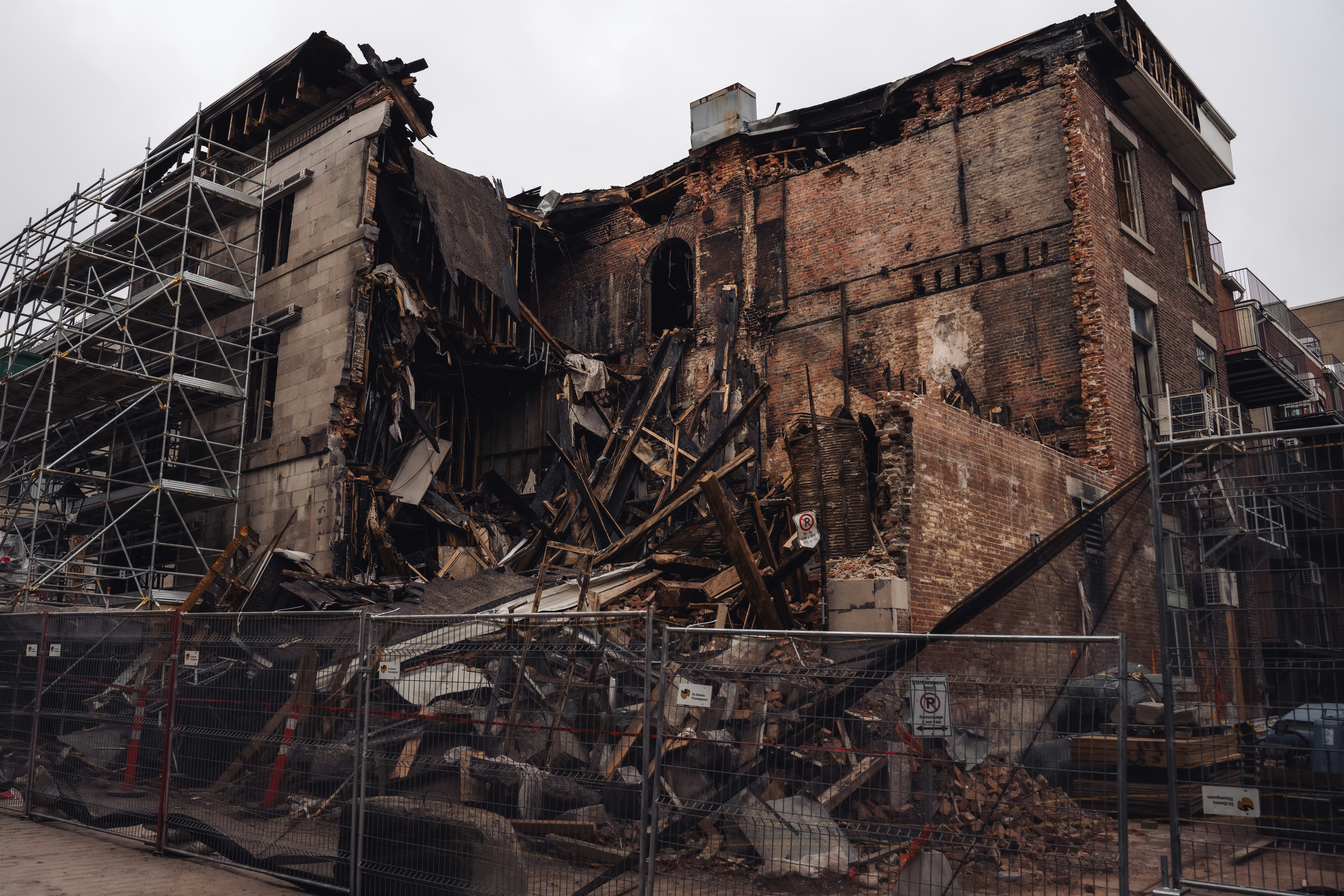
A major multi-alarm fire in western Arlington damaged Beirut Grill, Smash Toast, and other businesses, according to local reporting from NBC DFW and WFAA.
After a commercial fire, affected owners, tenants, property managers, and nearby businesses may need cleanup, remediation, inspection, repair, or related services. The reports do not show whether restoration companies received more calls or quote requests after this event. Still, incidents like this are a useful reminder: restoration businesses should prepare for the possibility of urgent commercial inquiries arriving while crews are in the field.
Safety comes before sales. If an inquiry involves an active emergency, immediate danger, or a question about whether a property is safe to enter, direct the person to emergency services and qualified authorities or professionals. Your follow-up system should acknowledge the request and route it to a human—not attempt to assess fire, structural, utility, medical, or hazardous-material risks by text.
This playbook helps restoration companies create a calm, repeatable process for commercial fire-damage inquiries without promising availability, insurance coverage, pricing, or restoration timelines.
Table of contents
- What makes commercial fire-damage leads different
- The commercial fire inquiry workflow
- Questions to capture before a callback
- SMS templates for commercial fire-damage inquiries
- How to handle no-response and delayed prospects
- Set up clear human ownership
- Where SecureMyLead fits
- Key takeaways
- FAQ
What makes commercial fire-damage leads different
A commercial fire inquiry is not a standard residential estimate request. The person reaching out may be a restaurant owner, retail tenant, commercial landlord, facilities manager, property manager, or insurer representative. They may also be contacting several providers while trying to understand their next steps.
The communication challenge is not just speed. It is knowing what to collect, who needs to respond, and what not to promise before a qualified person has reviewed the situation.
A useful workflow accounts for several realities:
- The property may have multiple decision-makers. The caller may not be the owner, leaseholder, or person authorized to approve work.
- The scope may involve different needs. Smoke, soot, water used during firefighting, odors, damaged contents, and building access can all affect the conversation—but your team should determine scope after proper assessment.
- The inquiry may arrive outside business hours. Restoration crews and owners are often already managing active jobs when a new request comes in.
- The customer may need a clear next step, not a sales pitch. Acknowledgment, contact details, and an honest handoff are more useful than vague assurances.
The goal of your first response is simple: confirm receipt, gather only the information needed for a qualified human to take over, and avoid leaving the inquiry unanswered.
The commercial fire inquiry workflow
Use this six-step workflow for form submissions, missed calls, paid leads, referrals, and direct text inquiries.
1. Acknowledge the inquiry without making promises
Acknowledge the person quickly, identify your company, and explain that a team member will review the request.
Do not say:
- “We can be there immediately.”
- “Your insurance will cover this.”
- “The building is safe.”
- “We can restore everything.”
- “This will be completed by [date].”
Those statements require facts your automated message does not have.
A safer first-response message confirms the inquiry and asks for the most useful details.
2. Check whether the person needs emergency or authority guidance
Your team should not provide safety determinations by SMS.
If a prospect says there is an active fire, an immediate hazard, uncertainty about access, or another urgent safety concern, tell them to contact emergency services and follow guidance from qualified authorities and professionals. Then alert the appropriate person inside your company.
This is a routing step—not an automated triage decision. Make sure a human knows when an inquiry includes words or details that suggest an immediate concern.
3. Identify the commercial property and the caller’s role
A restaurant owner and a commercial property manager may need different follow-up paths. Capture the basics before asking for detailed scope information.
Ask for:
- Business or property name
- Property address
- Type of property, such as restaurant, retail, office, warehouse, or multifamily
- The caller’s name and role
- Best callback number and email
- Whether they are the person coordinating the restoration conversation
This information helps your team avoid a common failure point: collecting damage details but not knowing who can authorize a site visit, share access information, or continue the conversation.
4. Capture a brief description—without diagnosing the loss
Ask the caller to describe what they need help with in their own words. Keep the initial questions short.
For example:
- What happened at the property?
- Which areas of the property are affected?
- Is the property currently accessible according to the relevant authorities or professionals?
- Is there a preferred time for a restoration specialist to call?
Avoid trying to diagnose the damage or recommend a remedy by text. The goal is to give the human responder enough context to prioritize and prepare for the call.
5. Route the lead to one named person
Commercial fire inquiries should never sit in a shared inbox with unclear ownership.
Assign a specific person or role to each new lead:
| Lead condition | Human owner | First action |
|---|---|---|
| Immediate safety concern mentioned | On-call manager or designated emergency contact | Review immediately and direct the person to emergency services or qualified authorities as appropriate |
| New commercial fire-damage inquiry | Commercial restoration estimator or manager | Call, confirm details, and determine next steps |
| Property manager or facilities contact | Commercial account lead | Confirm property, decision-making process, and contact list |
| After-hours inquiry | On-call team member | Review the next business action when available |
| No reply after acknowledgment | Assigned lead owner | Continue follow-up with a clear, low-pressure message |
The key is accountability. One person should know that the next contact is theirs to make.
6. Set realistic next-step expectations
Once a qualified team member has reviewed the request, explain the next step your business can actually take. That may be a callback, information review, site-assessment discussion, or scheduling conversation.
Be specific about the action, but conservative about outcomes.
Better language:
- “A member of our commercial team will review these details and contact you.”
- “We’ll confirm the appropriate next step after speaking with you.”
- “Please share a time and number for the right contact to call.”
Avoid using urgency as a substitute for clarity. A distressed commercial customer needs to know who is taking ownership and what happens next.
Questions to capture before a callback
A long intake form can discourage a stressed prospect. Use a short initial form or text exchange, then let a human gather the remaining details.
Minimum intake fields
Your lead record should include:
- Contact name
- Business or property name
- Contact role
- Phone number
- Email address
- Property address
- Property type
- Short description of the request
- Preferred contact time
- Lead source
- Assigned team member
- Current follow-up status
Helpful internal tags
Tags make it easier to separate commercial fire inquiries from ordinary estimate requests. Examples:
commercial-fire-inquiryrestaurantretailproperty-managerafter-hourshuman-review-neededawaiting-callbackno-response
Do not use tags as a substitute for human judgment. They are simply a way to make the next action visible when multiple inquiries arrive at once.
For a broader system that keeps lead ownership and follow-up visible, see how to build a lead follow-up system that runs automatically.
SMS templates for commercial fire-damage inquiries
These templates are designed to acknowledge an inquiry, request essential details, and create a handoff to a human. Customize them with your business name and only send messages to contacts you are permitted to text.
New inquiry acknowledgment
Hi [First Name], this is [Business Name]. We received your commercial fire-damage inquiry for [Property Name or Address]. A team member will review the details. Please reply with the best number and time to reach you.
Request for property details
Thanks, [First Name]. To help our team prepare for the conversation, please share the property address, business type, and your role at the property. Please follow guidance from emergency services and qualified authorities regarding any immediate safety concerns.
After-hours acknowledgment
Hi [First Name], this is [Business Name]. We received your inquiry about [Property Name or Address]. Our team will review the information and follow up as soon as a team member is available. Please reply with the best contact name and number.
Property manager or facilities contact
Hi [First Name], thanks for contacting [Business Name] about [Property Name]. Please send the property address, your role, and the best contact for restoration-related communication. A member of our team will follow up after reviewing the details.
Missed-call text back
Hi [First Name], this is [Business Name]. Sorry we missed your call regarding a commercial property. Please reply with the property address and a brief description of what you need help with, and we’ll have the appropriate team member review it.
First no-response follow-up
Hi [First Name], following up on your inquiry for [Property Name or Address]. If you still need to speak with our team, reply with the best time and number for a callback.
Final low-pressure check-in
Hi [First Name], this is [Business Name] checking in regarding your commercial property inquiry. If you would like to continue the conversation, reply here with the best contact details and we’ll review the request.
For more general first-response copy, use these lead response templates for service businesses. The difference here is the commercial-property context: property details, caller role, human review, and careful safety language.
How to handle no-response and delayed prospects
Not every commercial inquiry will turn into an immediate conversation. The person may be coordinating with owners, insurers, employees, authorities, or other vendors. That does not mean the lead should be forgotten.
Use a restrained follow-up sequence:
- Initial acknowledgment: Confirm receipt and request a callback number or basic property details.
- One follow-up: Send a simple check-in if there is no response.
- Final check-in: Leave the door open without pressure.
- Human review: If the prospect responds, a staff member should review the message and decide the next action.
Do not repeatedly text a person who has not engaged. In this type of situation, persistence should feel organized and respectful—not automated in a way that adds stress.
For timing and message structure beyond this specific scenario, read how long to wait before following up with a lead.
Set up clear human ownership
The best commercial fire-damage response process is not the one with the most automated messages. It is the one where every inquiry has a visible owner and a next action.
Before an incident creates a possible increase in inquiries, decide:
- Who reviews commercial fire-related requests?
- Who receives after-hours alerts?
- What details must be captured before a callback?
- Which team member can discuss scope and availability?
- When should a lead be reassigned?
- How will your team mark a request as contacted, awaiting response, or closed?
Run a test. Submit a sample web form, call your own tracking number, or add a test lead. Confirm that the acknowledgment is accurate, the assigned person sees the lead, and no message makes claims your team cannot support.
Many businesses lose track of leads because no one owns the next response. These lead follow-up mistakes that quietly kill conversion can help you spot weak points before a real urgent inquiry exposes them.
Where SecureMyLead fits
SecureMyLead can serve as the follow-up layer between your lead sources and the person responsible for the commercial conversation.
For example, it can automatically send an acknowledgment when a lead arrives and continue a carefully written follow-up sequence if the prospect does not respond. Your team still needs to assess urgency, safety, scope, staffing, and capacity. Automation should not be used to make emergency judgments or promise a response outcome.
If you use scheduled sequences, review the messages and workflow carefully. SecureMyLead supports two-way messaging, but ordinary replies do not currently auto-pause scheduled sequence messages. Your team should monitor replies and manage active conversations appropriately.
Get started free to build a more consistent first-response and follow-up process for incoming service leads.
Key takeaways
- The Arlington fire is a timely reminder that restoration companies may need a ready process for urgent commercial inquiries; it does not prove a restoration lead surge occurred.
- Put emergency and authority guidance before business questions when an inquiry suggests an immediate safety concern.
- Use automation to acknowledge and collect basic details, then route the request to a qualified human.
- Capture the property address, property type, caller role, contact information, and a brief description of the request.
- Avoid promises about safety, insurance coverage, price, arrival times, or restoration timelines.
- Assign every commercial inquiry to one accountable person and use measured follow-up when a prospect does not respond.
FAQ
Should restoration companies automatically treat every fire-related inquiry as an emergency?
No. A text system cannot determine the severity or safety status of a property. If an inquiry suggests an immediate danger or safety concern, direct the person to emergency services and qualified authorities or professionals. A human on your team should review the request.
What should the first text message ask for?
Keep it short: the property address, business or property name, the caller’s role, a brief description of the request, and the best callback time or number. Do not try to diagnose damage over text.
Can an automated message promise that a restoration crew is available?
No. Availability depends on your actual staffing, location, capacity, and assessment process. A safer message says that a team member will review the request and follow up.
How many times should a restoration company follow up after no reply?
Use a limited, respectful sequence: acknowledgment, one follow-up, and a final check-in. If the person responds, move the conversation to a human owner rather than continuing generic automated messages.
Does a commercial fire mean restoration companies will receive more leads?
Not necessarily. The Arlington news reports document the fire and damage, but they do not document an increase in restoration-company calls, quote requests, or booked work. Businesses can prepare for possible inquiries without treating a demand surge as a proven result.
Related reading
- After-hours lead response: how to win jobs while you sleep
- Contractor web form auto response: what to send the second a new lead hits your site
- How to follow up with home service leads automatically
- Auto reply messages contractors can use for new leads