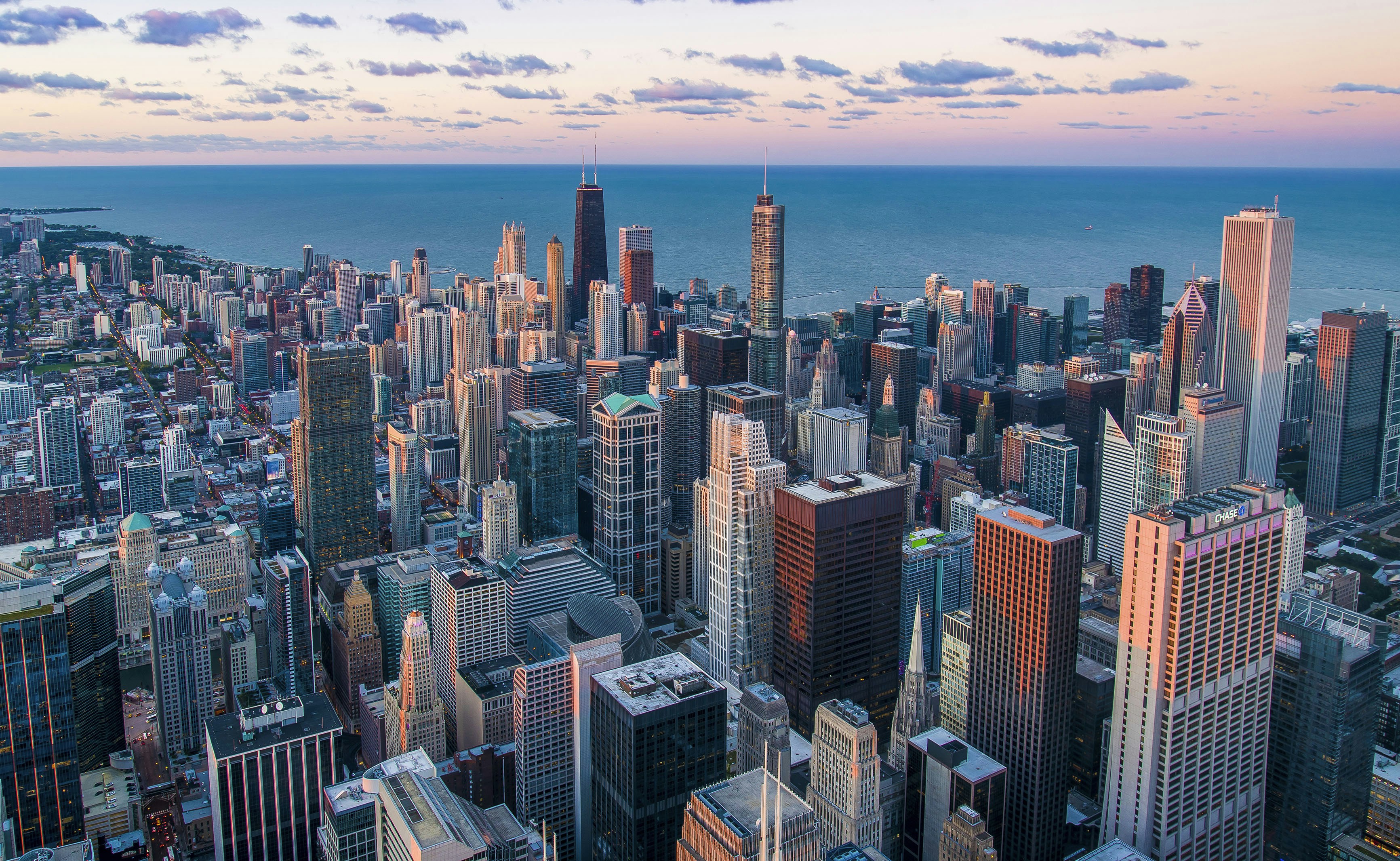
Chicago Air and Water Show 2026: How Local Businesses Can Handle the Lead Surge
The Chicago Air and Water Show is back next week, and the city is already buzzing. According to local news coverage, the 2026 show will bring the U.S. Navy Blue Angels, the Army Golden Knights, and a full lineup of military and civilian performers to the lakefront, drawing massive crowds to North Avenue Beach and the surrounding areas.
For local businesses—parking operators, nearby restaurants, boat tour companies, hotels, and service providers—this isn’t just a weekend of entertainment. It’s a predictable spike in demand. When hundreds of thousands of people descend on the same stretch of shoreline, they need places to park, eat, stay, and book experiences. That means your phone starts ringing, your inbox fills up, and your contact forms get hit with inquiries.
The problem? Most of those inquiries arrive in a compressed window, often while you’re already busy handling the customers in front of you. If you can’t respond quickly, those leads move on to the next business.
This article uses the Air and Water Show as a concrete example, but the framework applies to any local event that creates a temporary surge in demand—festivals, marathons, parades, or major sports weekends.
Why a Local Event Creates a Lead-Response Problem
A major event like the Chicago Air and Water Show doesn’t just increase foot traffic. It changes how people interact with local businesses.
Attendees are often making last-minute decisions. They’re searching for parking near the show, looking for a restaurant with a view, or trying to book a boat tour while they’re already en route. These are high-intent inquiries, but they’re also time-sensitive. If someone texts about a parking spot at 9 a.m. on show day, they’re not going to wait until noon for a reply.
At the same time, your team is probably stretched thin. You’re serving customers on-site, managing operations, and trying to keep up with the increased volume. The result is a predictable bottleneck: more leads arriving at the exact moment you have less capacity to respond.
This isn’t a Chicago-only problem. Any business near a major event faces the same dynamic. The question is whether you have a system in place to handle it.
A Reusable Framework for Event-Driven Lead Surges
You don’t need to build a new process from scratch every time a big event comes to town. A simple, repeatable framework can help you capture more opportunities without adding staff or working around the clock.
1. Acknowledge Every Inquiry Immediately
The single most important move during a demand spike is the first response. When someone reaches out about availability, pricing, or a reservation, they want confirmation that you received their message and that someone will follow up.
An immediate acknowledgment—even if it’s automated—buys you time. It tells the prospect you’re paying attention and sets the expectation for when they’ll hear more.
For example, a parking operator near North Avenue Beach might send:
“Thanks for reaching out! We do have parking available for the Air and Water Show. We’ll send you details and pricing in just a moment.”
A restaurant near the lakefront might use:
“Hi! We’re getting a lot of inquiries about Air and Water Show weekend. We’ll check availability and get back to you within 15 minutes. In the meantime, you can view our menu here: [link].”
The key is that the message goes out in seconds, not minutes. During a surge, a delay of even 10 or 15 minutes can mean the difference between a booked customer and a lost opportunity.
2. Pre-Write Your Responses for Common Questions
During an event, you’ll get the same questions over and over. Parking availability. Hours. Pricing. Directions. Reservation policies.
Don’t type these from scratch every time. Write clear, helpful responses in advance and have them ready to send with minimal effort. This doesn’t mean sending robotic, impersonal messages—it means removing the friction from your most common replies.
For the Air and Water Show, common questions might include:
- “Do you have parking available for the show?”
- “What time do you open on Saturday?”
- “Can I make a reservation for a group?”
- “Do you have a view of the lakefront?”
- “How much is a boat tour during the show?”
If you have answers ready, your team can respond faster and more consistently, even when volume spikes.
3. Set Expectations Clearly
During a surge, you may not be able to fulfill every request immediately. That’s fine—as long as you communicate clearly.
If you’re fully booked, say so. If there’s a waitlist, let people know. If you’re only taking walk-ins, make that clear upfront. The goal isn’t to capture every lead at all costs; it’s to prevent prospects from waiting on a response that never comes.
A clear, honest reply preserves trust and prevents frustration. It also frees you up to focus on the leads you can actually serve.
4. Use the Event to Build Your List for Next Time
Not every inquiry during the Air and Water Show will convert immediately. Some people will reach out too late, find you fully booked, or decide to make other plans.
That doesn’t mean the lead is worthless. If someone expressed interest in your business during a major event, they’re likely a good fit for future events, too. Capture their contact information (with permission) and follow up afterward.
A simple message after the show might be:
“Hi! We weren’t able to accommodate you during the Air and Water Show, but we’d love to have you next time. We’ll reach out before the next big lakefront event with early availability.”
This turns a one-time surge into a long-term asset.
5. Don’t Let Follow-Up Fall Through the Cracks After the Event
The surge doesn’t end when the Blue Angels fly home. In the days after the show, you may still have unanswered inquiries, partial conversations, or leads that need a follow-up quote or confirmation.
Without a system, those loose ends can easily get buried under the next wave of daily business. A simple follow-up sequence—one that checks in a day or two after the initial contact—can recover opportunities that would otherwise disappear.
What This Looks Like for Different Business Types
The same framework applies across industries, but the specifics vary. Here’s how a few common business types might adapt it for the Air and Water Show.
Parking Operators
- Immediate acknowledgment: Confirm you received the inquiry and that you have (or don’t have) availability.
- Pre-written responses: Pricing, location, hours, and directions.
- Expectation setting: If you’re full, say so and offer to notify them if a spot opens.
- Post-event follow-up: Reach out before the next major lakefront event.
Restaurants and Bars
- Immediate acknowledgment: Thank them for reaching out and set a timeline for a full reply.
- Pre-written responses: Menu links, reservation policies, wait times, and group accommodation info.
- Expectation setting: Be upfront about walk-in-only policies or long waits.
- Post-event follow-up: Invite them back for regular service or the next big weekend.
Boat Tour and Experience Companies
- Immediate acknowledgment: Confirm the inquiry and note that availability is limited during the show.
- Pre-written responses: Tour times, pricing, departure points, and what to expect during the air show.
- Expectation setting: If tours are sold out, offer a waitlist or suggest alternative dates.
- Post-event follow-up: Promote future tours and early booking for next year’s show.
Hotels and Short-Term Rentals
- Immediate acknowledgment: Confirm the inquiry and provide a timeline for availability confirmation.
- Pre-written responses: Room types, rates, minimum stays, and cancellation policies.
- Expectation setting: Be clear about sold-out dates and nearby alternatives if possible.
- Post-event follow-up: Encourage early booking for next year.
The Operational Reality: You Can’t Do This Manually at Scale
During a surge, manual follow-up breaks down. Even the most diligent team member can’t respond to dozens of inquiries in seconds while also serving customers on-site. The math simply doesn’t work.
That’s why businesses that handle event-driven demand well typically rely on some form of automation for the first response and follow-up sequence. The human team still handles the actual conversation, pricing, and booking—but the initial acknowledgment and structured follow-up happen automatically.
This approach doesn’t replace your team. It removes the repetitive, time-sensitive work that’s impossible to do manually during a spike, so your people can focus on the conversations that actually require their judgment.
How SecureMyLead Fits Into This Framework
SecureMyLead is built for exactly this kind of scenario. It sits between your lead sources—your website contact form, your phone system, your booking platform—and your team, handling the immediate response and follow-up sequence automatically.
When an inquiry comes in during the Air and Water Show, SecureMyLead can:
- Send an immediate acknowledgment text within seconds, so the prospect knows you received their message.
- Deliver pre-written responses to common questions, reducing the manual work for your team.
- Run a follow-up sequence over the next few days to catch any leads that didn’t convert immediately.
- Keep all conversations in one dashboard, so nothing gets lost in the chaos of a busy weekend.
The goal isn’t to automate the entire customer relationship. It’s to make sure no inquiry sits unanswered while you’re busy running your business.
If you’re anticipating a surge in demand from an upcoming local event, you can set up a response workflow in SecureMyLead in about 10 minutes and have it running before the crowds arrive.
Key Takeaways
- Major local events like the Chicago Air and Water Show can create a predictable spike in inquiries for nearby businesses.
- The bottleneck isn’t the number of leads—it’s the ability to respond quickly while also serving customers on-site.
- A simple framework—immediate acknowledgment, pre-written responses, clear expectations, and structured follow-up—can help you capture more opportunities without adding staff.
- The same framework applies to any event-driven demand surge, from festivals to marathons to major sports weekends.
- Automation handles the repetitive, time-sensitive part of lead response, freeing your team to focus on the conversations that matter.
FAQ
Is the Chicago Air and Water Show really that big of a deal for local businesses? The show draws hundreds of thousands of attendees to the lakefront over a single weekend, according to local news coverage. For businesses near North Avenue Beach and the surrounding areas, that concentrated foot traffic can create a meaningful spike in inquiries for parking, dining, tours, and accommodations.
What if my business isn’t near the lakefront? The framework in this article applies to any business near any major event. If you’re near a festival, parade, marathon, or stadium, the same lead-response challenges apply. The Air and Water Show is just a timely example.
How fast do I really need to respond during a surge? Faster is always better, but the most important thing is that the prospect knows you received their message and that someone will follow up. An immediate acknowledgment—even if it’s automated—prevents them from moving on to the next business while they wait.
Can I set this up in time for this year’s show? If you’re reading this before the show, yes. A tool like SecureMyLead can be set up in about 10 minutes, and you can have an automated response workflow running the same day.
What happens after the event? The surge doesn’t end when the event does. You may still have unanswered inquiries or leads that need follow-up. A simple post-event sequence can recover opportunities and help you build a list for future events.
Related Reading
- 15 Auto Reply Messages Contractors Can Use for New Leads
- How Busy Business Owners Can Follow Up with Every Lead (Without Extra Work)
- After-Hours Lead Response: How to Win Jobs While You Sleep
- How to Build a Lead Follow-Up System That Runs Automatically
Sources: The Chicago Air and Water Show 2026 details referenced in this article are based on reporting by ABC7 Chicago and NBC Chicago.